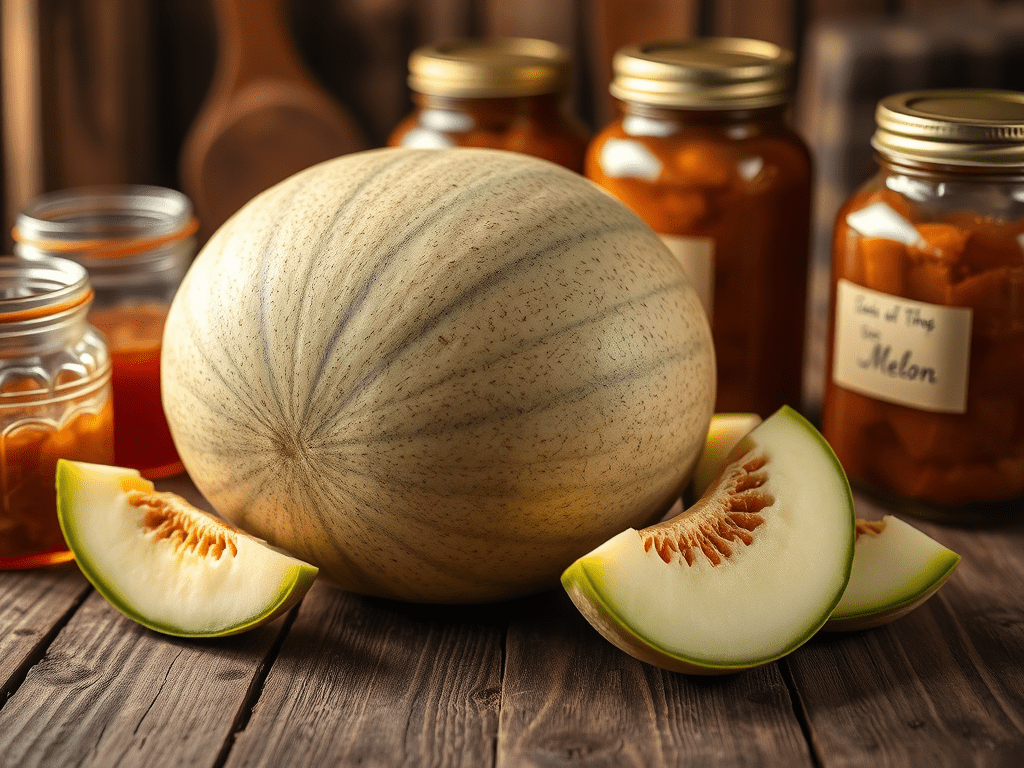
Today’s adventure kicks off with a truly underrated gem: Jam Melon.
Often overshadowed by its flashy cousins like watermelon and cantaloupe, Jam Melon (Cucumis melo var. makuwa) quietly holds its ground in traditional kitchens and herbal remedies. Don’t let the name fool you—this melon isn’t just for jam. It’s a story in itself, with roots tracing back through cultures that celebrated its subtle sweetness, nutritional value, and versatility in both savory and sweet preparations.
So let’s not just write about it—let’s bring it to life! Together, we’ll dive into its cultural legacy, culinary magic, and surprising medicinal whispers. And if we do it right? Readers won’t just want to learn about Jam Melon—they’ll want to taste the tradition.
Have you ever cracked open a fruit and stumbled into history, medicine, and culture all at once? That’s the thrill of this journey. I’m absolutely delighted to travel alongside you, into the vibrant world of known and little-known fruits—each one a portal to forgotten traditions, botanical wonders, and global flavors waiting to be rediscovered.
🍈 Jam Melon: From Backyard Staple to Culinary Nostalgia
Jam Melon’s culinary journey is deeply rooted in early 20th-century Australian kitchens, where it became a beloved ingredient during times of scarcity. It was especially popular in the 1930s through the 1950s, when families relied on easy-to-grow produce like jam melon, choko, and Jerusalem artichoke to stretch meals and preserve seasonal abundance.
🍳 First Culinary Uses
- Jam Making: As its name suggests, Jam Melon was primarily used to make melon jam—a thick, golden preserve often flavored with lemon juice or ginger. It was a staple in early Australian cookbooks, prized for its ability to set well and last long.
- Preserves & Sweets: Cooked down with sugar, it became a nostalgic treat for older generations, often served on toast or with scones.
- Substitute Ingredient: In leaner times, it was used as a filler or substitute in recipes that called for more expensive fruits.
🏡 Why It Was Popular
- Easy to Grow: Jam Melon thrived in backyard gardens, making it accessible to families during economic hardship.
- Long Shelf Life: Its firm flesh and low moisture made it ideal for preserving.
- Cultural Sentiment: For many Australians, it evokes memories of frugal ingenuity and homegrown comfort food.
Though it’s less common today, Jam Melon still holds a sentimental appeal, especially among those who grew up with its sweet aroma simmering on the stovetop. Want to explore how it’s used in modern recipes or how to revive it in contemporary dishes?
🍈 Jam Melon: A Gentle Giant in the Fruit Kingdom
Imagine slicing through a pale green rind and revealing flesh so subtly sweet, it feels like nature’s whisper—delicate, refreshing, and tinged with a scent somewhere between honeydew and cucumber. Jam Melon isn’t here to compete with bold tropical fruits—it’s a quiet indulgence, a fruit that wins your admiration not with intensity, but with refinement.
In traditional recipes, this melon becomes something magical. Cooked down slowly, it morphs into a luscious jam with soft amber tones, paired lovingly with warm spices or citrus zest. But go further back in its culinary lineage, and you’ll find it simmered into savory curries, candied in herbal tonics, or even dried and used in rituals that honored its longevity and purity.
Much like the fruit itself, Jam Melon’s legacy is understated—but rich with meaning. It’s a living story, whispering through generations, blending nourishment with tradition.
Jam Melon, like many members of the Cucumis melo family, offers a gentle but meaningful dose of vitamins—especially when consumed fresh. Here’s a breakdown of its typical vitamin profile per 100g, based on similar melon varieties like Galia and Makuwa:
🍈 Vitamin Content of Jam Melon (approximate values)
| Vitamin | Amount | Benefits |
|---|---|---|
| Vitamin C | 15–20 mg | Supports immunity and skin health |
| Vitamin A (Beta-Carotene) | Trace to moderate | Eye health and antioxidant support |
| Vitamin B6 | ~0.05–0.09 mg | Brain function and metabolism |
| Folate (B9) | ~3–20 mcg | Cell growth and DNA synthesis |
| Vitamin K | ~2–5 mcg | Blood clotting and bone health |
| Vitamin E | ~0.05–0.1 mg | Antioxidant protection |
These values can vary depending on ripeness, soil quality, and growing conditions. While Jam Melon isn’t a vitamin powerhouse like citrus fruits, its hydrating nature and subtle nutrient profile make it a refreshing and healthful addition to your fruit repertoire.
Jam Melon may be modest in flavor, but it quietly delivers a refreshing mineral profile that supports hydration and gentle nourishment. Based on studies of Cucumis melo varieties and jam preparations, here’s a snapshot of its typical mineral content per 100g:
🧂 Mineral Content of Jam Melon (approximate values)
| Mineral | Amount | Role in the Body |
|---|---|---|
| Potassium | 150–250 mg | Regulates fluid balance and muscle function |
| Magnesium | 8–12 mg | Supports nerve function and bone health |
| Calcium | 6–10 mg | Essential for bones and teeth |
| Phosphorus | 10–15 mg | Energy metabolism and cell repair |
| Iron | 0.2–0.4 mg | Oxygen transport and immune support |
| Zinc | 0.1–0.2 mg | Wound healing and immune function |
| Sodium | 5–10 mg | Maintains fluid balance (naturally low) |
These values can vary depending on ripeness, soil, and whether the melon is consumed fresh or cooked into jam. Notably, Jam Melon is high in water content (around 90%), making it a hydrating fruit with a gentle mineral boost—especially potassium, which is key for heart and muscle health.
🍈 Jam Melon: More Than Just a Sweet Bite—It’s a Wellness Whisperer
Beyond its gentle vitamin and mineral profile, Jam Melon offers a suite of health benefits that make it quietly powerful in your diet:
🌿 Other Health Benefits of Jam Melon
- Hydration Hero: With over 90% water content, it’s a natural way to stay hydrated—especially in hot climates or after physical activity.
- Digestive Support: Its mild fiber content helps regulate digestion, easing bloating and promoting gut health without overwhelming the system.
- Skin Radiance: Thanks to its vitamin C and antioxidant compounds, Jam Melon may support collagen production, giving your skin a subtle glow.
- Heart-Friendly: The potassium and magnesium combo helps regulate blood pressure and supports cardiovascular function.
- Weight-Friendly: Low in calories and sugar (especially when fresh), it’s a smart snack for those watching their weight or managing blood sugar.
- Cooling & Anti-inflammatory: In traditional medicine, Jam Melon is often used to cool the body and soothe inflammation—especially in herbal preparations and summer diets.
Its understated nature makes it ideal for those seeking gentle nourishment—a fruit that doesn’t shout, but heals quietly.
🍈 Jam Melon: Who Benefits—and Who Should Be Cautious
Jam Melon is generally safe and nourishing for most people, but like any fruit, it’s not universally ideal. Here’s a thoughtful breakdown to help readers understand who should embrace it and who might want to limit or avoid it:
✅ Who Should Use Jam Melon
- Hydration Seekers: Its high water content makes it perfect for hot climates, athletes, or anyone needing a gentle hydration boost.
- Weight Watchers: Low in calories and sugar (especially fresh), it’s a smart choice for those managing weight or blood sugar.
- Skin & Digestive Health Enthusiasts: Its vitamin C and fiber support glowing skin and smooth digestion.
- Traditional Medicine Followers: In herbal systems, it’s used to cool the body and reduce inflammation—ideal for summer diets or detox routines.
- Culinary Explorers: Its mild flavor makes it versatile in jams, curries, and even savory dishes.
⚠️ Who Should Avoid or Limit Jam Melon
- People with Melon Allergies: Symptoms may include itching, swelling, or digestive upset. Always consult a doctor if unsure.
- Individuals with IBS or Digestive Sensitivities: Jam Melon may contain fermentable sugars (FODMAPs) that trigger bloating or discomfort.
- Diabetics or Pre-Diabetics: While lower in sugar than some fruits, it still has natural sugars. Portion control is key, especially in jam form.
- Those with Kidney Issues: Its potassium content, though moderate, may be problematic for people with impaired kidney function.
- People on Certain Medications: Those taking diuretics or blood thinners should check with their healthcare provider, as melon’s potassium and vitamin K may interact.
Jam Melon is a gentle fruit with a rich legacy—but like any ingredient, it shines brightest when matched to the right body and lifestyle. Want to wrap this section with a cultural anecdote or a modern recipe twist to keep readers engaged?
🍈 Jam Melon: A Fruit Worth Rediscovering
So whether you’re craving a gentle touch of sweetness, a whisper of heritage, or just a fresh face in your fruit bowl—Jam Melon is a joyful invitation to explore, taste, and remember. It’s not the loudest fruit at the table, but it’s the one that brings comfort, curiosity, and quiet nourishment to those who take the time to listen.
From backyard gardens of yesteryear to modern kitchens reimagining tradition, Jam Melon proves that even the humblest ingredients can tell unforgettable stories.
 EJADA
EJADA 
Leave a comment