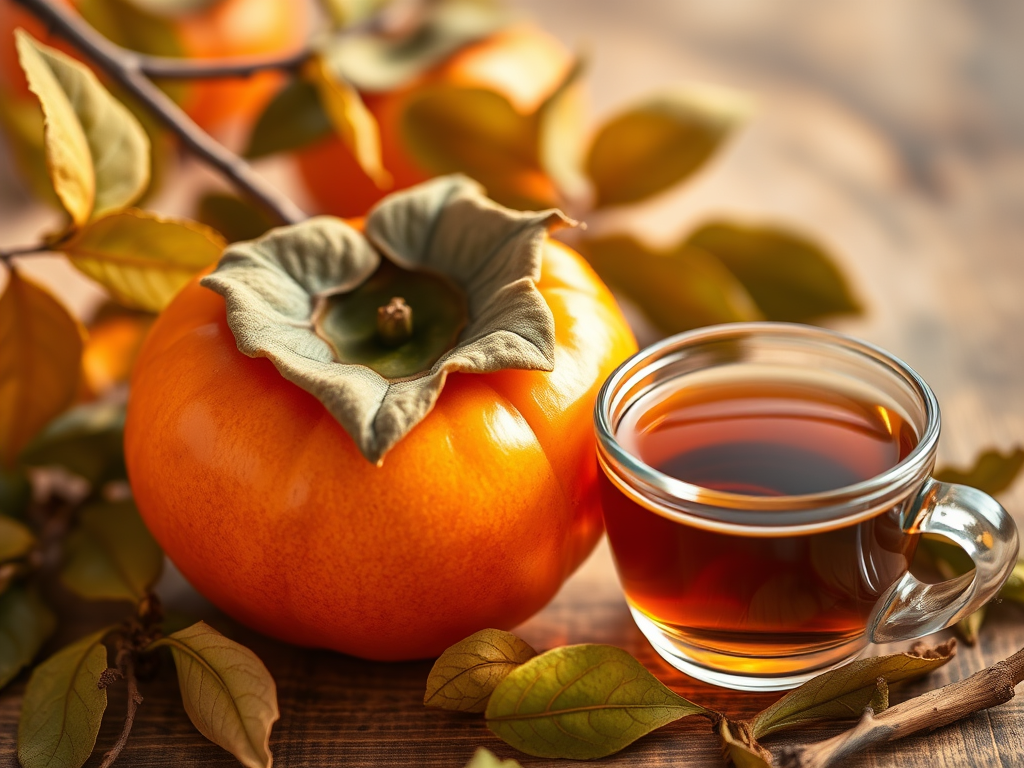
From Ancient Tonic to Modern Marvel: Medicinal Power of Japanese Persimmon
Japanese Persimmon (Diospyros kaki) has stood the test of time — not just as a sweet autumn fruit, but as a revered source of wellness in both folk remedies and modern medicine. 🍂
🌿 Ancient Wisdom
Since antiquity, the Japanese and Chinese have harnessed the healing virtues of persimmon:
- Leaf infusions were brewed to cool the body, calm inflammation, and aid circulation.
- Dried fruit helped relieve hiccups, soothe digestive woes, and gently purge the system.
- Traditional healers praised it for lowering blood pressure and easing fluid retention.
🧪 Today’s Scientific Validation
Contemporary research echoes many of these ancient beliefs:
- Cardiovascular Benefits: Rich in flavonoids like quercetin, persimmon lowers LDL cholesterol and supports blood pressure regulation.
- Anti-inflammatory Nutrients: Vitamins C, E, and carotenoids help combat inflammation tied to chronic diseases.
- Antioxidant Arsenal: Beta-carotene and manganese protect cells from oxidative damage.
- Gut Health: With 6g of fiber per fruit, persimmons support digestion and reduce constipation.
- Immune Fortification: Natural antiseptics and vitamin C strengthen defenses against infection.
- Eye Protection: Vitamin A and zeaxanthin nurture vision and shield against macular degeneration.
⚠️ Use with Care
While persimmons are deeply healing, moderation is key:
- Excessive intake may trigger bezoars (intestinal blockages), especially in sensitive individuals.
- Some compounds may interfere with blood pressure meds or clotting.
- Allergic reactions are rare but possible — particularly in those with latex-fruit syndrome.
Persimmon tea, on the other hand, is a herbal infusion made from the leaves of the persimmon tree, not the fruit itself. Here’s a tailored breakdown just for persimmon tea:
🌿 What Part Is Used?
🍊 Fruit (Pulp, Skin, Arils)
- Pulp: The sweet, fleshy part—rich in vitamins A, C, and fiber. Can be eaten raw, dried, or cooked.
- Skin: Edible and nutritious, especially in Fuyu varieties; contains antioxidants and fiber.
- Arils: Juicy sacs around the seeds (in some types); add texture and sweetness.
💡 Tip: Hachiya persimmons must be fully ripe (soft and jelly-like) before eating to avoid astringency.
🌿 Leaves
- Used to make persimmon leaf tea, rich in flavonoids, vitamin C, and tannins.
- Can be added to soups, stir-fries, or salads for a nutritional boost.
- Traditionally used in herbal medicine for blood pressure and digestion.
🌰 Seeds
- Not typically eaten raw due to hardness, but:
- Can be roasted and ground for medicinal teas or tinctures.
- Contain vitamin B, magnesium, and antioxidants.
🌳 Bark
- Used in traditional remedies for fever, rheumatism, and digestive issues.
- Steeped into tea or tinctures for its anti-inflammatory and antimicrobial properties.
🧪 Core
- Usually discarded, but can be used to make infusions or tea.
- Contains mild tannins and fiber.
🍵 Nutritional & Medicinal Profile
- Rich in antioxidants: Flavonoids, catechins, quercetin
- Vitamins: Vitamin C, A, and K
- Minerals: Magnesium, calcium, zinc
- Tannins: Aid digestion and gut health
- Low in calories: ~2 kcal per cup
🧘 Health Benefits
- Supports heart health and lowers blood pressure
- Aids digestion and soothes inflammation
- Boosts immunity and skin health
- May help with weight management and blood sugar control
🍽️ Culinary Uses
- Can be infused into rice, smoothies, ice cream, or even glazes for chicken
So while it doesn’t use the buds like traditional tea, persimmon leaf tea brings its own botanical magic.
Sweet Creations
Persimmons shine in desserts thanks to their honeyed flavor and smooth texture:
- Persimmon Bread & Muffins: Moist, spiced, and perfect for fall—often paired with cinnamon, nutmeg, and cloves2.
- Cookies & Cakes: Hachiya pulp adds richness to baked goods, while Fuyu slices offer texture.
- Jam & Fruit Leather: Fuyu persimmons make vibrant preserves with minimal ingredients.
- Frozen Custard & Pudding: Their natural sweetness and creamy texture are ideal for one-ingredient desserts.
🥗 Savory Dishes
Their subtle sweetness balances bold flavors beautifully:
- Salads: Fuyu slices pair well with arugula, goat cheese, citrus, and nuts6.
- Risotto: Adds depth to creamy rice dishes, especially with pancetta and goat cheese.
- Chutneys & Salsas: Combine with ginger, vinegar, and spices for a tangy condiment.
- Roasted Meats: Persimmons caramelize beautifully alongside pork or chicken6.
🍹 Beverages & Infusions
- Smoothies: Blend ripe Hachiya with banana, almond milk, and spices for a nutrient-rich drink.
- Tea: Persimmon leaf tea offers a caffeine-free option with antioxidant benefits.
- Fermented Drinks: In some cultures, persimmons are used in vinegar or wine-making.
🍽️ Creative Twists
- Crostini & Cheese Pairings: Fuyu slices with brie or mascarpone make elegant appetizers.
- Compotes & Glazes: Simmered with spices, they elevate ice cream, yogurt, or roasted veggies.
- Stuffings & Grain Bowls: Add diced persimmons to quinoa or wild rice for a sweet-savory contrast.
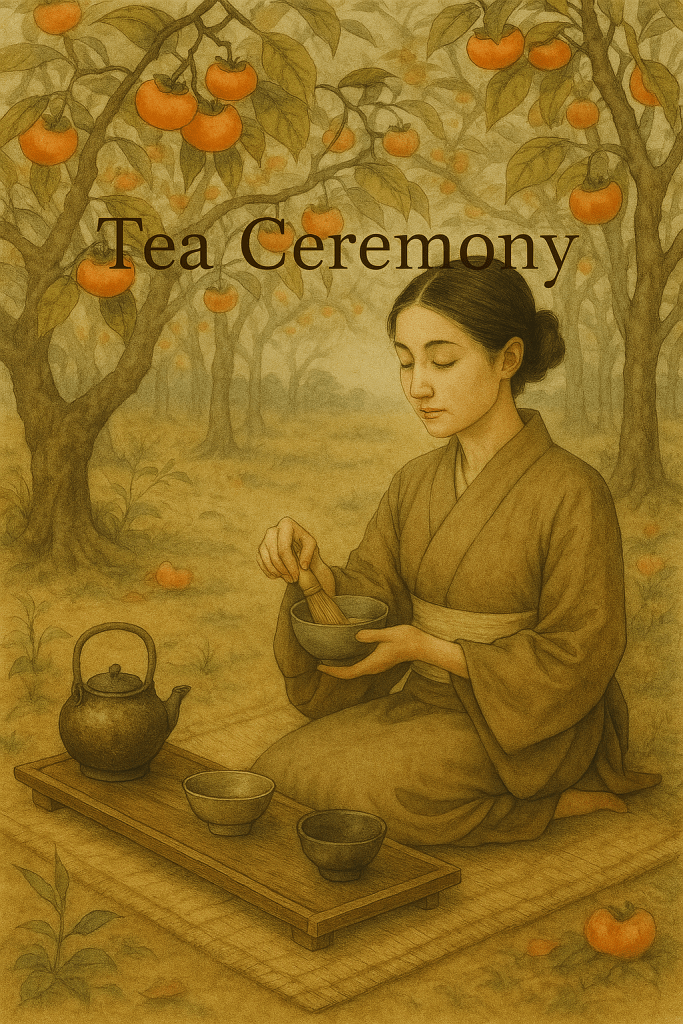
A traditional tea ceremony is a graceful blend of ritual, philosophy, and sensory experience. Whether Japanese chanoyu or Chinese gongfu cha,
Persimmons are culinary chameleons, and their versatility is a dream for someone with your flair for blending cultural and nutritional insights.
🍵 1. Setting and Atmosphere
- Japanese: Held in a chashitsu (tea room) with tatami mats, sliding doors, and a tokonoma alcove for seasonal art or flowers.
- Chinese: Can range from ornate teahouses to minimalist home setups, always aiming to foster tranquility and connection with nature.
🛠️ 2. Utensils and Tools
- Japanese:
- Chawan: Tea bowl
- Chasen: Bamboo whisk
- Chashaku: Scoop for matcha
- Kyūsu: Teapot for loose leaf teas
- Chinese:
- Gaiwan: Lidded bowl for brewing
- Yixing teapot: Clay pot for oolong or pu-erh
- Tea tray: Catches spills and organizes cups
🔥 3. Preparation Rituals
- Japanese: Focused on cleansing tools, measuring matcha, and whisking with mindfulness.
- Chinese: Emphasizes water temperature, steeping time, and multiple infusions to reveal layered flavors2.
🙇 4. Serving and Etiquette
- Japanese: Host bows and presents tea with both hands; guests admire the bowl before sipping.
- Chinese: Tea is poured in small cups using the gongfu style, highlighting equality and shared enjoyment.
🧘 5. Philosophy and Mindfulness
- Japanese: Rooted in Zen principles—wa (harmony), kei (respect), sei (purity), jaku (tranquility).
- Chinese: Reflects Taoist and Confucian ideals—peace, authenticity, and appreciation of fleeting beauty
persimmon leaf tea carries a kind of quiet reverence, like sipping from nature’s altar. But even sacred brews have their boundaries. Here’s a thoughtful breakdown of who should approach persimmon tea with caution:
⚠️ Who Should Avoid or Limit Persimmon Leaf Tea
| Group | Reason for Caution |
|---|---|
| Children under 3 | Their digestive systems are still developing, and tannins may cause discomfort2 |
| Pregnant or breastfeeding individuals | Limited research on safety—best to consult a healthcare provider |
| People on blood thinners (e.g., warfarin) | High vitamin K content may interfere with medication |
| Diabetics | While the tea is low in sugar, the leaves may enhance insulin sensitivity—monitor closely4 |
| Individuals with GI disorders | Tannins can cause constipation or exacerbate digestive issues4 |
| Those with thyroid conditions | Persimmon leaves contain iodine, which may affect thyroid function |
| Allergy-prone individuals | Rare, but possible allergic reactions—itching, rash, or breathing issues |
🌿 A Note on Moderation
Even for healthy individuals, 1–2 cups per day is ideal. Overconsumption may lead to nausea, digestive upset, or nutrient absorption issues due to tannins.
📚 Scientific & Herbal Sources
- Heal With Tea: Offers a comprehensive breakdown of persimmon leaf tea’s nutritional profile, antioxidant content, and health benefits including heart health, digestion, immunity, and diabetes support. Also includes preparation tips and culinary applications.
- FruitoNix: Lists 10 proven health benefits, such as blood sugar regulation, anti-inflammatory effects, and liver support. Highlights the role of tannins, flavonoids, and vitamin C.
- Longevity By Nature: Explores the medicinal uses of persimmon leaves, including liver detoxification, blood sugar control, and anti-aging properties. Also discusses cultural uses like sushi wrapping in Japan.
- Herbal Teas Online: Details the traditional use of persimmon tea in East Asia and its modern health applications. Notes its metabolism-boosting effects and cautions against overconsumption.
- Scientific Origin: Covers the general health benefits of persimmons, including antioxidant activity, heart health, and digestive support. Useful for contextualizing the fruit alongside the tea.
🍂 Final Reflection: Tea as a Bridge Between Science and Spirit
Persimmon leaf tea is more than a time-honored brew—it’s a vessel of wellness that carries the weight of ancestral knowledge and the promise of modern healing. With antioxidants that nourish the body, rituals that soothe the mind, and cultural ties that bind generations, this tea invites us to sip with purpose. While its benefits span cardiovascular support, digestive harmony, and immune resilience, mindful consumption is essential—especially for those with sensitivities or specific health conditions. As you savor each cup, let it be a reminder that wellness is not just what we consume—it’s how we connect, reflect, and restore.
“Nature steeps wisdom into every leaf—when we brew with intention, we drink in balance.”
 EJADA
EJADA 
Leave a comment