Jambolan, also known as Jamun, Java Plum, or Syzygium cumini—a fruit that’s as rich in cultural lore as it is in medicinal promise.
🌿 Jambolan: The Fruit of Gods and Healing Traditions
This wonderful journey brings us to Jambolan, a fruit you may know little about—or perhaps you’re about to discover something new. Either way, let’s explore its story together.
🍇 Botanical Identity
- Scientific name: Syzygium cumini
- Common names: Jamun, Java Plum, Black Plum, Jambul
- Family: Myrtaceae
- Native to: Indian subcontinent and Southeast Asia
🌍 Cultural Significance
- In Hindu mythology, Jamun is revered as the “Fruit of Gods,” often featured in festivals and rituals.
- The Buddha, according to ancient texts, meditated under a Jambolan tree as a child—an experience that shaped his spiritual journey.
- In Tamil folklore, the poet Avvaiyar was challenged by the deity Murugan under a naval pazham (Jamun) tree, reminding her that learning never ends.
🧪 Nutritional Highlights (per 100g)
| Energy | 60 kcal |
| Carbohydrates | 16 g |
| Vitamin C | Moderate |
| Iron | 1.41 mg |
| Magnesium | 35 mg |
| Water content | 83% |
💊 Medicinal & Culinary Uses
- Diabetes support: Seeds and bark contain compounds like jambosine that may help regulate blood sugar.
- Digestive aid: Used traditionally for constipation, diarrhea, and gastritis.
- Skin health: Jamun pulp and seed powder are used in masks to reduce oiliness and acne.
- Culinary delights: Enjoyed fresh, or made into vinegar, wine, syrups (like kala khatta), and jams.
⚠️ Precautions @WebMD
- May cause hypoglycemia if combined with diabetes medications2.
- Should be avoided before surgery due to its blood sugar-lowering effects.
- Excessive consumption may lead to nausea or diarrhea, especially on an empty stomach.
🌿 Expanded Health Benefits of Jambolan (Syzygium cumini)
🩺 Blood Sugar Regulation
- Anti-diabetic properties: Jambolan seeds contain jambosine and antimelline, which slow the conversion of starch into sugar, helping stabilize blood glucose.
- Clinical support: Studies show that seed powder taken daily may significantly reduce blood sugar levels in type 2 diabetics.
- Caution: May enhance the effect of diabetes medications, so dosage should be monitored3.
🧠 Cognitive & Neurological Support
- Iron-rich: Promotes oxygen flow to the brain, supporting memory and reducing risk of neurodegenerative diseases like Alzheimer’s.
- Antioxidants: Protect brain cells from oxidative stress, potentially improving mental clarity and focus.
💪 Immune System Boost
- Vitamin C & polyphenols: Strengthen immune defenses and aid in tissue repair.
- Antibacterial & antifungal: Help fight infections like sore throat, ulcers, and skin conditions1.
🧘 Anti-inflammatory & Antioxidant Effects
- Bark & seed extracts: Reduce inflammation and oxidative damage, which may help with arthritis, gastritis, and chronic fatigue3.
- Cancer-fighting compounds: Contains anthocyanins, ellagic acid, and gallic acid that may inhibit cancer cell growth.
💖 Heart & Circulatory Health
- Potassium: Helps regulate blood pressure and reduce risk of stroke and heart attack.
- Triterpenes: May prevent cholesterol buildup, supporting arterial health.
🧬 Digestive & Gut Health
- Astringent properties: Useful for treating diarrhea, dysentery, and gas.
- Fiber-rich: Promotes regularity and gut microbiome balance.
🧴 Skin & Hair Benefits
- Oil control: Jamun pulp masks reduce excess oil and acne.
- Iron content: Supports healthy skin tone, hair growth, and nail strength.
⚖️ Weight Management
Low-calorie, high-fiber: Keeps you full longer and supports metabolism.
Natural energy source: Helps fuel workouts and reduce cravings.
🍽️ Creative Ways to Enjoy Jambolan in Your Diet
🥣 1. Jamun Chia Pudding
Mash fresh jambolans and stir into soaked chia seeds with coconut milk. Let it chill overnight for a detox-friendly breakfast packed with antioxidants and fiber.
🥗 2. Tart Salad Topper
Chop jambolan and toss it over cucumber, moong sprouts, or leafy greens. Its tangy bite adds color and balances mellow flavors—plus it helps you feel fuller longer.
🍹 3. Summer Coolers & Detox Drinks
Muddle jambolan with mint, black salt, and lemon juice. Top with soda or chilled water for a refreshing drink that supports liver health and digestion.
🍧 4. Jamun Popsicles
Puree jambolan with lemon juice and a pinch of rock salt. Freeze into molds for icy treats that help prevent acidity and sugar spikes.
🍯 5. Homemade Jamun Jam
Simmer jambolans with jaggery and lemon juice until thick. Spread on toast or swirl into yogurt for a sweet-tart twist that’s rich in polyphenols.
🍰 6. Bake It In
Add chopped jambolan to muffins, banana bread, or cheesecake fillings. It brings a unique flavor and a burst of color to baked goods.
🧉 7. Smoothie Boost
Blend jambolan with banana, oats, and chilled yogurt for a naturally sweet smoothie that supports digestion and keeps you energized.
🍛 8. Jamun Roti Chutney
Boil and mash jambolan, mix with roasted cumin, jaggery, and salt. Serve as a tangy chutney alongside parathas or rice—great for gut health.
🫙 9. Fermented Jamun Vinegar
Crush jambolans and ferment with sugar water. Use the resulting vinegar in salad dressings or marinades for a probiotic punch.
🍵 10. Herbal Seed Tea
Dry and grind jambolan seeds. Steep in hot water for a tea that may help regulate blood sugar—just consult your healthcare provider if you’re diabetic
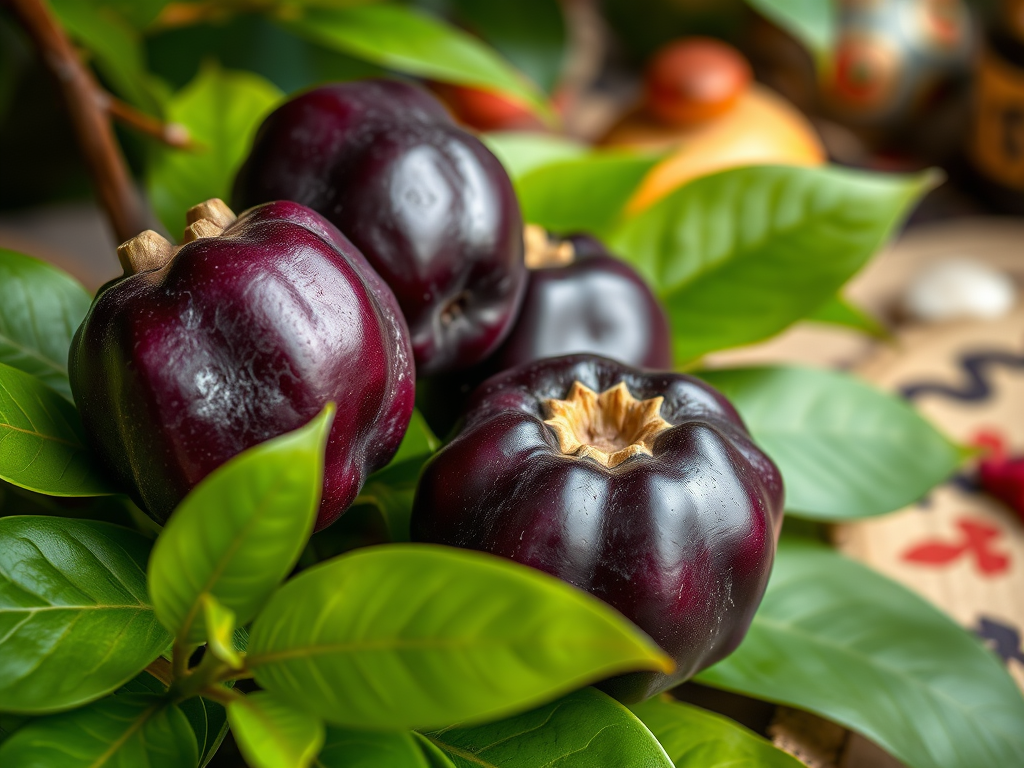
Jambolan has a complex flavor profile that makes it both intriguing and polarizing—definitely not your average berry!
Sweet-tart: Ripe jambolans offer a mildly sweet taste with a noticeable tartness, similar to a mix between blackberries and sour cherries.
Astringent: They leave a dry, puckering sensation in the mouth due to tannins—especially when underripe.
Earthy undertones: Some describe a faint herbal or woody note, which adds depth to its flavor.
Ripeness matters: The more mature the fruit, the sweeter and less astringent it becomes. Underripe ones can be quite sour and drying.
🧂 Flavor Pairing Tips
Sprinkle with black salt or chili powder to balance the astringency and enhance sweetness—popular in Indian street food.
Pair with citrus or mint in drinks to brighten its earthy notes.
Combine with jaggery or honey in jams and chutneys for a rich, layered taste.
🥊 Nutritional Showdown: Jambolan vs. Other Fruits
| Calories | 60 kcal | 47 kcal | 57 kcal | 32 kcal |
| Carbohydrates | 16 g | 12 g | 14.5 g | 7.7 g |
| Fiber | 2.4 g | 2.4 g | 2.4 g | 2.0 g |
| Vitamin C | 19.3 mg | 53.2 mg | 9.7 mg | 58.8 mg |
| Iron | 0.26 mg | 0.1 mg | 0.28 mg | 0.4 mg |
| Potassium | 107 mg | 181 mg | 77 mg | 153 mg |
| Magnesium | 20.25 mg | 10 mg | 6 mg | 13 mg |
| Antioxidants | High (anthocyanins, ellagic acid) | Moderate | High (anthocyanins) | High (vitamin C, ellagic acid) |
Source: USDA and FoodStruct comparison data
🔍 Key Takeaways
Jambolan excels in antioxidant diversity, especially anthocyanins and ellagitannins, which support anti-inflammatory and anti-cancer benefits.
It’s lower in vitamin C than citrus fruits but richer in iron and magnesium, which support blood health and nerve function.
Its fiber and carb content are comparable to berries, making it a great option for digestive health and satiety.
Potassium levels are decent, though not as high as oranges or strawberries.
“Ready to experience the bold bite of Jambolan? Share your favorite ways to use it—or stay tuned as we continue our alphabetical fruit adventure!”
 EJADA
EJADA 
Leave a comment