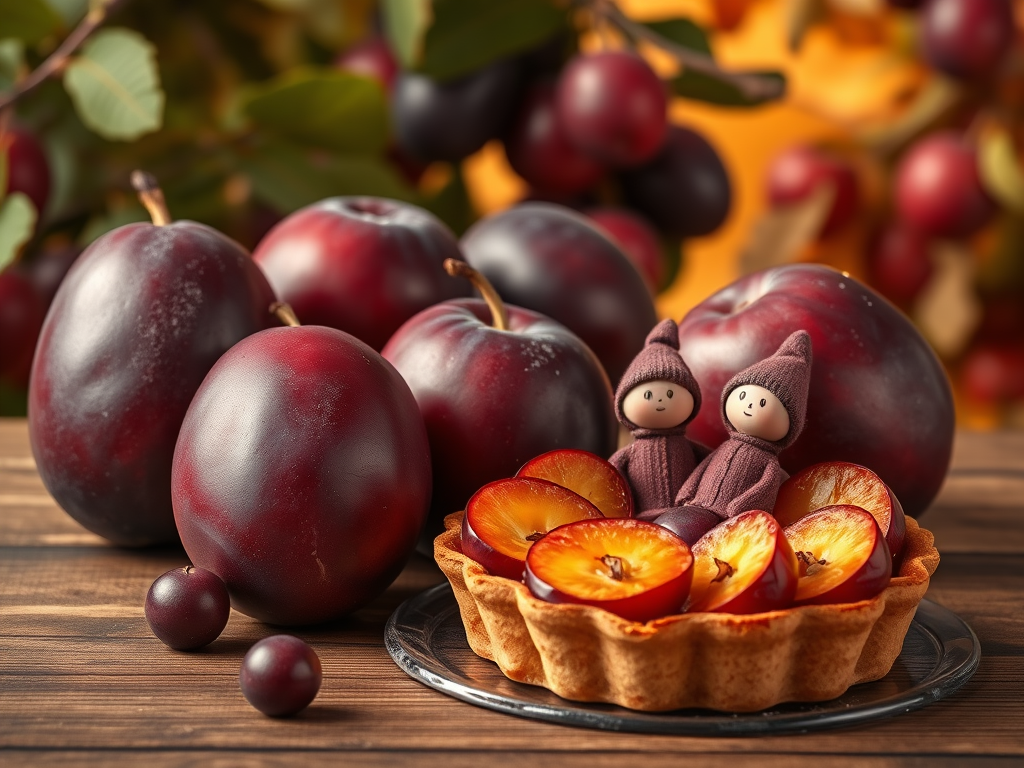
The Italian Prune Plum, botanically classified as Prunus domestica subsp. domestica, this freestone plum boasts an oval to oblong shape, smooth taut skin that ripens from dark red to deep purple, and a powdery white-blue bloom that signals freshness.
Zwetschgenkuchen: a short-crust plum tart served at autumn festivals and Rosh Hashanah
Zwetschgenknödel: sweet dumplings stuffed with plum slices and coated in buttered breadcrumbs
Prune People Dolls: small figurines made from dried plums, figs, and walnuts sold at Christmas markets to bring good luck
These traditions highlight the plum’s role as both a festive treat and a symbol of abundance.
Origins and First Cultivation
Italian Prune Plums trace their roots to the coastal Mediterranean regions of Italy. Experts hypothesize they descended from Syrian plums introduced around the 12th century, grafted onto local European rootstocks to create new cultivars. Over centuries, traders and travelers spread them across Europe, and they arrived in California during the mid-19th-century Gold Rush.
Germany: Heart of Zwetschgen Traditions
In Germany, Italian Prune Plums—called Zwetschgen—are more than just a late-summer fruit; they anchor a host of regional customs.
Harvest Rituals: Picking Zwetschgen in September is a beloved end-of-summer tradition, with families making outings to local orchards to gather fruit destined for baking and preserving.
Zwetschgenkuchen: A sheet-pan or springform plum tart built on a shortbread-style crust. Served at village fairs, bakeries, and even during Rosh Hashanah in German Jewish communities, it symbolizes sweetness and abundance for the coming year.
Zwetschgenknödel: Savory-sweet plum dumplings wrapped in yeasted dough, rolled in buttered breadcrumbs, and sprinkled with sugar. Often enjoyed as an afternoon snack paired with quark or sour cream dip.
Christmas Markets and “Prune People” Dolls
From Nürnberg to Stuttgart, dried Italian Prune Plums metamorphose into charming plum-people figurines sold at Christkindlesmärkte:
Good-Luck Charms: Artisans thread dried fruit, nuts, and spices onto wire frames, dressing them as tiny pilgrims or Santa-like figures. Gifted at weddings, birthdays, and holidays, these dolls are believed to usher in prosperity and joy.
Market Atmosphere: Stalls brimming with spice-scented Prune People, mulled wine, and roasted chestnuts create an immersive celebration of winter’s onset.
Jewish New Year: A Plum-Forward Twist
German Jewish bakers adopted Zwetschgenkuchen for Rosh Hashanah, appreciating:
Symbolism: The deep red hues and jammy sweetness of cooked plums stand in for wishes of a “sweet year” much like apples and honey.
Accessibility: The freestone nature of Italian Prune Plums makes preparation simple—crisp skin, minimal seeding—so the focus remains on communal sharing and blessing.
Fermented and Distilled Heritage
Across parts of Europe, concentrated sugars in Italian Prune Plums are harnessed to craft traditional spirits:
Eaux-de-Vie & Brandies: Small-batch distillers ferment the fruit whole—skin, flesh, and all—to produce clear, aromatic plum eaux-de-vie or aged prune brandy, relished as a post-meal digestif.
Prune Wine: Similar to fruit wines, Zwetschgen ferment into ruby-tinted vintage bottles, often homemade in farmhouse cellars.
American Nostalgia and Community
In pockets of the U.S., Italian Prune Plums retain a niche but passionate following:
Produce Stands as Gathering Places: As recounted by “Produce Pete” Napolitano, German-American customers (“Oma”) would flock to family stands in New Jersey to buy prune plums, then trade recipes and stories over coffee—echoes of old-world village markets.
Baking Memories: Plum cakes and tarts baked from these modest fruits carry a sense of heritage and slow-food hospitality, evoking childhood kitchens and intergenerational bonds.
These layers of tradition—from orchard rites and festive pastries to handcrafted folk art—underscore how the humble Italian Prune Plum weaves together seasonal rhythms, communal rituals, and cross-cultural celebrations across continents.
Zwetschgenkuchen: a short-crust plum tart served at autumn festivals and Rosh Hashanah
Zwetschgenknödel: sweet dumplings stuffed with plum slices and coated in buttered breadcrumbs
Prune People Dolls: small figurines made from dried plums, figs, and walnuts sold at Christmas markets to bring good luck
These traditions highlight the plum’s role as both a festive treat and a symbol of abound
What Is the Italian Prune Plum?
Crafting Plum-Forward Recipes for Low-FODMAP & Diabetic Meal Plans
Introduction
Plums bring vibrant color, juicy sweetness, and rich antioxidants to any dish, yet their natural sugar and sorbitol content requires care when tailoring recipes for sensitive diets. By understanding recommended serving sizes and smart ingredient swaps, you can spotlight plums in both low-FODMAP menus and diabetic-friendly meal plans without compromising on taste or digestive comfort.
Plums in Specialized Diets
- Low-FODMAP: Monash University classifies one small plum (≈50 g) as low-FODMAP, thanks to its moderate sorbitol load when eaten in controlled portions.
- Diabetic-Friendly: Plums have a relatively low glycemic index (~40) and deliver fiber that slows sugar absorption, making one to two small plums suitable for most balanced diabetic meal plans.
Low-FODMAP Plum Recipes
- Low-FODMAP Five-Spice Ribs with Plum Sauce • Uses Black Diamond plums lab-tested for sorbitol content. • Dry-rub pork ribs, then coat in a glossy plum sauce made from pureed plums, rice vinegar, and a hint of soy. • Adjust plum amount so each serving stays under one small-plum equivalent (≈50 g)1.
- Kiwi Kakadu Plum Smoothie Bowl • Blends unripe banana, low-FODMAP milk, kiwi, kale, ice, and a teaspoon of Kakadu plum powder. • Kakadu plum powder adds tangy vitamin C without excess sorbitol. • Garnish with chia seeds or coconut yogurt for extra texture.
- Mixed Greens & Plum Salad • Toss baby spinach and arugula with thinly sliced plums, toasted walnuts, and crumbled feta. • Dress with a simple lemon-olive oil vinaigrette. • Keeps plum intake to one small fruit per serving for FODMAP safety.
Diabetic-Friendly Plum Recipes
- Sugar-Free Plum Jam • Simmer quartered plums until they break down into jam consistency, with no added sugar. • Bottle and refrigerate; one tablespoon provides jammy flavor with minimal glycemic impact.
- Plum Salad with Goat Cheese & Walnuts • Combine mixed greens, sliced plums, cucumber, crumbled goat cheese, and walnuts. • Drizzle lightly with balsamic vinaigrette. • Each 2-cup serving balances protein, healthy fats, and low-GI fruit for stable blood sugar.
- Low-Carb Plum Tartlets • Use a nut-based crust (almond flour, butter, pinch of salt) baked until golden. • Top with thin plum slices tossed in a splash of lemon juice. • Serve 2-inch mini tarts to keep carbs in check—perfect for diabetic meal planning.
Tips for Recipe Customization
- Portion Control: Measure plum flesh to stay within one small-plum equivalent (≈50 g) per serving.
- Sugar Swaps: Rely on fruit’s natural sweetness or use small amounts of low-GI sweeteners like erythritol or stevia.
- Healthy Fats & Protein: Pair plums with nuts, seeds, lean proteins, or full-fat dairy to slow glucose spikes and aid FODMAP digestion.
- Batch Prep: Make sauces, jams, and vinaigrettes ahead, then portion-out for grab-and-go meals.
Culinary Uses
Italian Prune Plums are prized for their dense, low-water flesh and concentrated sweetness. Common applications include:
Eating fresh or tossing into salads
Baking into tarts, cakes, crumbles, and zwetschgenkuchen (German plum cakes)
Simmering into jams, jellies, and compotes
Drying into prunes for snacking or trail mix
Fermenting into prune wine, brandy, or eaux-de-vie
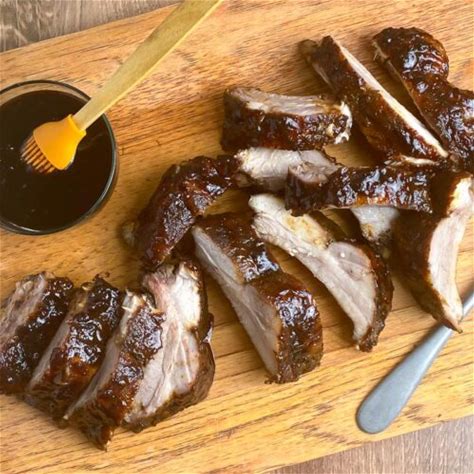
Low FODMAP Five-Spice Ribs with Plum Sauce, Fodmapeveryday.com
6h 50m · 812 cals · 4 servings .st0{fill:#0AAD0A;} .st1{fill:#FF7009;} .st2{fill:none;}
Instacart View recipe
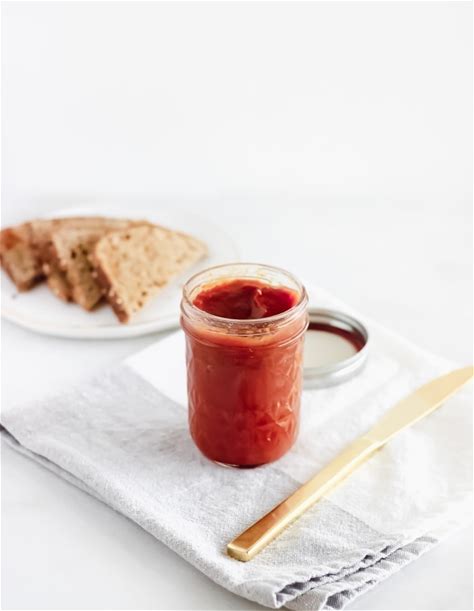
Low Sugar Wild Plum Jam
Livelytable.com
This recipe has a rating of 5.0 stars from 3 reviewers.
5.0 (3)
1h 30m · 223 cals · 4 servings .st0{fill:#0AAD0A;} .st1{fill:#FF7009;} .st2{fill:none;}
InstacartView recipe
Health Benefits
These plums deliver a powerhouse of nutrients and bioactive compounds:
| Nutrient | Per 100 g Serving |
|---|---|
| Potassium | ~157 mg |
| Vitamin C | 10 mg |
| Dietary Fiber | 1 g |
| Calcium | Trace |
| Vitamin K | ~4 µg |
| Vitamin A | Trace |
Health Precautions When Enjoying Italian Prune Plums
Introduction
Italian Prune Plums offer delicious flavor and valuable nutrients, but certain precautions can help you enjoy them safely and comfortably.
Common Gastrointestinal Effects
The high fiber and sorbitol content of Italian Prune Plums can promote regularity, but overconsumption may lead to loose stools, bloating, or gas. Start with one or two plums (or prunes) and increase slowly to gauge your tolerance.
Allergies and Sensitivities
Some individuals experience oral allergy syndrome—itching or mild swelling of the lips, mouth, or throat—after eating stone fruits. Those allergic to birch pollen or other Rosaceae family members should introduce plums cautiously and monitor for reactions.
Metabolic and Mineral Considerations
Italian Prune Plums contain natural sugars that can impact blood glucose. People with diabetes should account for their carbohydrate content in meal planning. The potassium level (~157 mg per 100 g) supports heart health but may require moderation in chronic kidney disease to avoid hyperkalemia.
Medication and Nutrient Interactions
High dietary fiber can bind certain medications (e.g., levothyroxine, digitalis), reducing absorption. Space plum consumption at least two hours before or after critical medications and consult your pharmacist if you have concerns.
Safe Consumption Tips @ WebMD
Begin with small servings and note any digestive changes.
Remove pits to prevent choking hazards, especially for young children.
Choose organic or thoroughly wash fruit to minimize pesticide exposure.
Balance plum intake with a varied diet to avoid excessive sugar and fiber all at once.
Exploring how plum-based products fit into specialized diets—such as low-FODMAP protocols for IBS—or how to optimize prune hydration for culinary uses could further enhance your nutrition and well-being.
Germany: Heart of Zwetschgen Traditions
In Germany, Italian Prune Plums—called Zwetschgen—are more than just a late-summer fruit; they anchor a host of regional customs.
Harvest Rituals: Picking Zwetschgen in September is a beloved end-of-summer tradition, with families making outings to local orchards to gather fruit destined for baking and preserving.
Zwetschgenkuchen: A sheet-pan or springform plum tart built on a shortbread-style crust. Served at village fairs, bakeries, and even during Rosh Hashanah in German Jewish communities, it symbolizes sweetness and abundance for the coming year.
Zwetschgenknödel: Savory-sweet plum dumplings wrapped in yeasted dough, rolled in buttered breadcrumbs, and sprinkled with sugar. Often enjoyed as an afternoon snack paired with quark or sour cream dip.
Christmas Markets and “Prune People” Dolls
From Nürnberg to Stuttgart, dried Italian Prune Plums metamorphose into charming plum-people figurines sold at Christkindlesmärkte:
Good-Luck Charms: Artisans thread dried fruit, nuts, and spices onto wire frames, dressing them as tiny pilgrims or Santa-like figures. Gifted at weddings, birthdays, and holidays, these dolls are believed to usher in prosperity and joy.
Market Atmosphere: Stalls brimming with spice-scented Prune People, mulled wine, and roasted chestnuts create an immersive celebration of winter’s onset.
Jewish New Year: A Plum-Forward Twist
German Jewish bakers adopted Zwetschgenkuchen for Rosh Hashanah, appreciating:
Symbolism: The deep red hues and jammy sweetness of cooked plums stand in for wishes of a “sweet year” much like apples and honey.
Accessibility: The freestone nature of Italian Prune Plums makes preparation simple—crisp skin, minimal seeding—so the focus remains on communal sharing and blessing.
Fermented and Distilled Heritage
Across parts of Europe, concentrated sugars in Italian Prune Plums are harnessed to craft traditional spirits:
Eaux-de-Vie & Brandies: Small-batch distillers ferment the fruit whole—skin, flesh, and all—to produce clear, aromatic plum eaux-de-vie or aged prune brandy, relished as a post-meal digestif.
Prune Wine: Similar to fruit wines, Zwetschgen ferment into ruby-tinted vintage bottles, often homemade in farmhouse cellars.
American Nostalgia and Community
In pockets of the U.S., Italian Prune Plums retain a niche but passionate following:
Produce Stands as Gathering Places: As recounted by “Produce Pete” Napolitano, German-American customers (“Oma”) would flock to family stands in New Jersey to buy prune plums, then trade recipes and stories over coffee—echoes of old-world village markets.
Baking Memories: Plum cakes and tarts baked from these modest fruits carry a sense of heritage and slow-food hospitality, evoking childhood kitchens and intergenerational bonds.
How the Cultural Significance of Italian Prune Plums Has Evolved
Medieval and Renaissance Beginnings
Italian Prune Plums likely descended from Syrian plums introduced to Europe around the 12th century. Monasteries and coastal orchards in Italy cultivated them both fresh and dried, using the fruit as a nutritious travel rations along Mediterranean trade routes. Early grafting techniques spread these plums into monastery gardens, where their dense flesh and storability made them prized year-round.
Integration into German Traditions
By the 17th and 18th centuries, Italian Prune Plums—known as Zwetschgen—had become central to late-summer German customs. Harvesting outings in September turned into communal events, with families gathering fruit for baking Zwetschgenkuchen (plum tarts) and Zwetschgenknödel (plum dumplings) at village festivals. The dried fruits were also crafted into “plum people” dolls, small talismans sold at Christmas markets to symbolize good luck.
Transatlantic Migration and American Adoption
Mid-19th-century settlers carried Italian Prune Plums to the United States during the California Gold Rush. German-American communities in states like New Jersey and Pennsylvania preserved old-world recipes, trading plum-based cakes and prune doll crafts at local markets. These gatherings fostered intergenerational bonds and kept heritage baking alive even as supermarket varieties grew more prevalent.
20th-Century Decline and Niche Preservation
Through the 20th century, supermarket shelves favored juicier Japanese plums, pushing Italian Prune Plums into a boutique corner. Yet dedicated home gardeners and artisan producers safeguarded the cultivar. Farmers markets and craft distilleries in Europe and North America maintained small-batch jams, compotes, and spirits, preserving centuries-old traditions.
21st-Century Revival and Global Fusion
Today, Italian Prune Plums enjoy a resurgence among food historians, craft chocolatiers, and cocktail artisans. Small distilleries ferment them into eaux-de-vie and prune brandies, while chefs spotlight their jammy texture in modern pastries. Social media and heritage-orchard initiatives have spurred new interest in growing these plums for farm-to-table menus worldwide.
Beyond their evolving symbolism, Italian Prune Plums have inspired related explorations—such as comparing freestone and clingstone plums or tracing the history of other European-origin fruits like Damson and Mirabelle plums.
Terroir’s Role in Shaping Plum Flavor Profiles Across Regions
Understanding Terroir
Terroir is the unique combination of soil, climate, topography, and human practices that influence how a fruit tastes. In plums, subtle shifts in any of these factors can amplify sweetness, acidity, texture, and aroma. Appreciating terroir helps growers and chefs select the best regional varieties for specific culinary applications.
Soil Composition
The mineral makeup, pH level, and drainage of vineyard-like plum orchards dictate not only growth vigor but also fruit chemistry.
- Heavy, clay-rich soils tend to retain moisture and produce plums with softer flesh and milder sweetness.
- Sandy, well-drained soils stress the tree slightly, concentrating sugars and intensifying tart-sweet balance.
- Volcanic or limestone substrates can impart subtle mineral notes, lending plums a distinct savory backbone.
Climate and Microclimate
Sunlight, temperature swings, and rainfall patterns fundamentally alter sugar accumulation and acid retention in plums:
- Warm days and cool nights (diurnal range) boost anthocyanin formation, deepening color and enhancing berry-like notes.
- Regions with moderate rainfall avoid dilution of sugars, preserving density and jam-ready consistency.
- Excessive heat can degrade delicate aromatics, while too much humidity invites disease and inconsistent ripening.
Topography and Altitude
Hilly orchards versus flat plains yield markedly different plum characteristics:
- Sloped sites with southern exposure capture maximum sun, producing sweeter, more intensely colored plums.
- Higher elevations often mean cooler ambient temperatures, preserving acidity and producing crisper textures.
- Good air drainage on hillsides reduces frost risk, ensuring even flowering and fruit set.
Farming Practices
Beyond geography, cultivation choices steer flavor development:
- Minimal irrigation stresses trees just enough to concentrate sugars, while drip systems allow precise water management.
- Organic amendments and cover cropping foster diverse soil biology, enhancing nutrient uptake and subtle flavor complexity.
- Pruning intensity and canopy management regulate sun exposure, influencing sugar-acid ratios and skin thickness.
Culinary Implications and Beyond
Chefs and artisans harness terroir-driven nuances to craft region-specific recipes:
- In Provence, lightly macerated Italian Prune Plums star in lavender-scented tarts.
- Bavarian bakers rely on Zwetschge’s tart backbone for robust fruit dumplings.
- Californian mixologists infuse Santa Rosa-based syrups into seasonal cocktails that highlight floral aromatics.
With a clear view of how terroir shapes plum characteristics, we can better appreciate each region’s signature fruit.
Introduction
Plums bring vibrant color, juicy sweetness, and rich antioxidants to any dish, yet their natural sugar and sorbitol content requires care when tailoring recipes for sensitive diets. By understanding recommended serving sizes and smart ingredient swaps, you can spotlight plums in both low-FODMAP menus and diabetic-friendly meal plans without compromising on taste or digestive comfort.
Tips for Recipe Customization
- Portion Control: Measure plum flesh to stay within one small-plum equivalent (≈50 g) per serving.
- Sugar Swaps: Rely on fruit’s natural sweetness or use small amounts of low-GI sweeteners like erythritol or stevia.
- Healthy Fats & Protein: Pair plums with nuts, seeds, lean proteins, or full-fat dairy to slow glucose spikes and aid FODMAP digestion.
- Batch Prep: Make sauces, jams, and vinaigrettes ahead, then portion-out for grab-and-go meals.
Low FODMAP Five-Spice Ribs with Plum Sauce
Fodmapeveryday.com
6h 50m · 812 cals · 4 servings .st0{fill:#0AAD0A;} .st1{fill:#FF7009;} .st2{fill:none;}
InstacartView recipe
Low Sugar Wild Plum Jam
Livelytable.com
This recipe has a rating of 5.0 stars from 3 reviewers.
5.0 (3)
1h 30m · 223 cals · 4 servings .st0{fill:#0AAD0A;} .st1{fill:#FF7009;} .st2{fill:none;}
InstacartView recipe
Crafting Plum-Forward Recipes for Low-FODMAP & Diabetic Meal Plans
Introduction
Plums bring vibrant color, juicy sweetness, and rich antioxidants to any dish, yet their natural sugar and sorbitol content requires care when tailoring recipes for sensitive diets. By understanding recommended serving sizes and smart ingredient swaps, you can spotlight plums in both low-FODMAP menus and diabetic-friendly meal plans without compromising on taste or digestive comfort.
Plums in Specialized Diets
- Low-FODMAP: Monash University classifies one small plum (≈50 g) as low-FODMAP, thanks to its moderate sorbitol load when eaten in controlled portions.
- Diabetic-Friendly: Plums have a relatively low glycemic index (~40) and deliver fiber that slows sugar absorption, making one to two small plums suitable for most balanced diabetic meal plans.
Low-FODMAP Plum Recipes
- Low-FODMAP Five-Spice Ribs with Plum Sauce • Uses Black Diamond plums lab-tested for sorbitol content. • Dry-rub pork ribs, then coat in a glossy plum sauce made from pureed plums, rice vinegar, and a hint of soy. • Adjust plum amount so each serving stays under one small-plum equivalent (≈50 g)1.
- Kiwi Kakadu Plum Smoothie Bowl • Blends unripe banana, low-FODMAP milk, kiwi, kale, ice, and a teaspoon of Kakadu plum powder. • Kakadu plum powder adds tangy vitamin C without excess sorbitol. • Garnish with chia seeds or coconut yogurt for extra texture.
- Mixed Greens & Plum Salad • Toss baby spinach and arugula with thinly sliced plums, toasted walnuts, and crumbled feta. • Dress with a simple lemon-olive oil vinaigrette. • Keeps plum intake to one small fruit per serving for FODMAP safety.
Diabetic-Friendly Plum Recipes
- Sugar-Free Plum Jam • Simmer quartered plums until they break down into jam consistency, with no added sugar. • Bottle and refrigerate; one tablespoon provides jammy flavor with minimal glycemic impact.
- Plum Salad with Goat Cheese & Walnuts • Combine mixed greens, sliced plums, cucumber, crumbled goat cheese, and walnuts. • Drizzle lightly with balsamic vinaigrette. • Each 2-cup serving balances protein, healthy fats, and low-GI fruit for stable blood sugar.
- Low-Carb Plum Tartlets • Use a nut-based crust (almond flour, butter, pinch of salt) baked until golden. • Top with thin plum slices tossed in a splash of lemon juice. • Serve 2-inch mini tarts to keep carbs in check—perfect for diabetic meal planning.
Tips for Recipe Customization
- Portion Control: Measure plum flesh to stay within one small-plum equivalent (≈50 g) per serving.
- Sugar Swaps: Rely on fruit’s natural sweetness or use small amounts of low-GI sweeteners like erythritol or stevia.
- Healthy Fats & Protein: Pair plums with nuts, seeds, lean proteins, or full-fat dairy to slow glucose spikes and aid FODMAP digestion.
- Batch Prep: Make sauces, jams, and vinaigrettes ahead, then portion-out for grab-and-go meals.
With a few ingredient tweaks and mindful serving sizes, plums can star in recipes that satisfy both low-FODMAP and diabetic dietary needs. From savory five-spice ribs to sugar-free plum jam and elegant mini tarts, you can craft menus that honor flavor, texture, and health. Next up, explore plum-infused brunch ideas or dive into gluten-free plum desserts for even more creative possibilities.
Conclusion
With a few ingredient tweaks and mindful serving sizes, plums can star in recipes that satisfy both low-FODMAP and diabetic dietary needs. From savory five-spice ribs to sugar-free plum jam and elegant mini tarts, you can craft menus that honor flavor, texture, and health. Next up, explore plum-infused brunch ideas or dive into gluten-free plum desserts for even more creative possibilities.
Final Thought
Enjoying Italian Prune Plums brings both flavor and nutrition, but keeping these precautions in mind will help you savor them safely and comfortably.
Start with small servings to assess tolerance for fiber and sorbitol, which can otherwise cause bloating or loose stools.
Watch for oral allergy syndrome if you’re sensitive to birch pollen or other stone fruits, and introduce plums cautiously.
Account for their natural sugars in meal planning—especially if you have diabetes—and moderate intake if you have kidney concerns due to potassium content.
Space high-fiber fruits at least two hours apart from critical medications (like levothyroxine or digitalis) to ensure proper drug absorption.
Always pit the fruit to prevent choking, wash thoroughly (or choose organic) to reduce pesticide exposure, and balance plum consumption within a varied diet.
By following these simple guidelines, you can integrate Italian Prune Plums into your menu—whether fresh, baked, dried, or distilled—while supporting digestive comfort, nutritional balance, and overall well-being.
 EJADA
EJADA 
Leave a comment