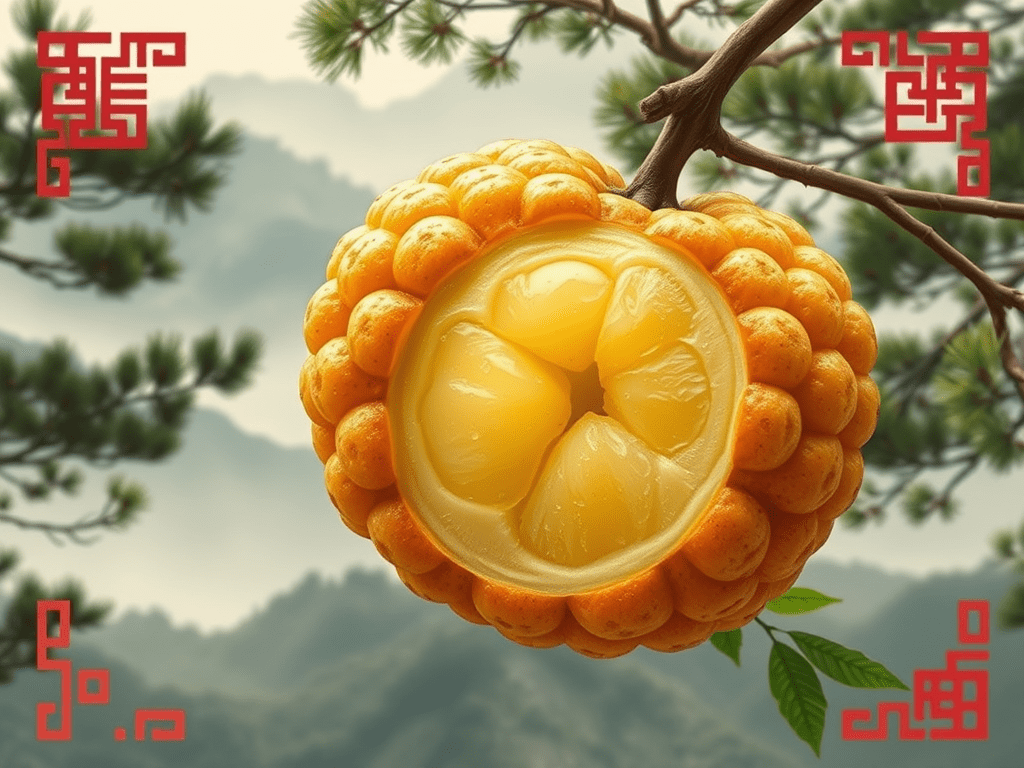
In the mist-veiled mountains of Kitayama, where ancient rituals still echo through pine forests, a citrus fruit once whispered of protection and resilience—Jabara, the “evil-repelling” jewel of Wakayama. Long celebrated for its ritual role in Japanese New Year customs, this rare fruit has quietly evolved from folklore to functional marvel, now drawing attention from wellness seekers, chefs, and cosmetic artisans around the globe. As science begins to unravel its potent bioactive compounds, Jabara emerges not only as a cultural relic but as a modern remedy steeped in tradition and packed with promise.
The earliest known use of Jabara (Citrus × jabara) dates back to Japan’s Edo period (1603–1868), specifically in Kitayama Village, Wakayama Prefecture, where it was cultivated as a naturally occurring hybrid of yuzu and other citrus varieties. Its name, written as 邪払, literally means “to ward off evil,” reflecting its intense sourness and its traditional use in rituals and seasonal dishes to repel bad spirits.
Jabara fruit typically resembles a small citrus, about the size of a baseball, with a round to slightly flattened shape and a thick, bumpy rind that transitions from green to bright yellow as it ripens. Its skin is aromatic and textured, similar to yuzu but often more rugged, and the interior flesh is pale yellow, juicy, and intensely sour with a peppery edge.
The fruit contains fewer seeds than yuzu, and its juice yield, sugar content, and pectin levels are notably higher. The peel, rich in bioactive compounds, is often used in marmalades and cosmetics, and has a cedar-like aroma that adds to its appeal.
Although it was grown locally for centuries, Jabara was officially registered as a citrus variety in 1979, and its first formal harvest took place in 1985. Historically, it was prized not only for its flavor but also for its medicinal and symbolic properties, especially during New Year celebrations, where it was considered a lucky charm. Source: Jabara (citrus) – Wikipedia
🌿 Folklore Roots: Rituals and Symbolism
Origin in Kitayama Village, Wakayama: Jabara (邪払) was cultivated as early as the Edo period, its name meaning “to ward off evil.”
Spiritual Use: Its intense sourness was believed to repel bad spirits, making it a staple in seasonal rituals and New Year celebrations.
Cultural Identity: Revered as a local treasure, it symbolized purity, protection, and resilience in mountainous Japanese communities.
🍊 Transition to Culinary and Medicinal Use
Flavor Profile: Rich, peppery acidity made it ideal for hearty winter dishes—especially duck, deer, and boar in mountain cuisine.
Ponzu Alternative: Jabara juice became a prized substitute for yuzu in ponzu sauce, adding depth to traditional Japanese meals.
Matsutake Pairing: Considered an “indispensable companion” to this prized mushroom, enhancing umami and aroma.
💊 Rise as a Functional Food
Scientific Recognition: Registered as a citrus variety in 1979; first official harvest in 1985.
Bioactive Compounds: Contains narirutin, hesperidin, and naringin—linked to anti-allergic, anti-inflammatory, and skin-healing properties.
Modern Applications:
Used in cosmetics for atopic dermatitis and skin rejuvenation.
Incorporated into candies, marmalades, and supplements for throat relief and immune support.
Peel processed for marmalade rich in pectin, with patented methods to reduce bitterness while preserving health benefits.
🔬 From Myth to Market
Functional Food Movement: Japan’s 1980s push for foods with health benefits aligned perfectly with Jabara’s properties.
Consumer Appeal: Its natural origin, cultural story, and scientifically backed benefits make it a standout in wellness markets.
Integrative Potential: Jabara bridges traditional healing and modern nutrition—ideal for daily health rituals and culinary innovation.
🧪 Commercial Viability Many of these fruits are used traditionally in medicinal or ritual contexts, not as daily snacks. That limits their appeal for large-scale farming or flashy branding in health food chains.
🍵 Fusion Pairings with Jabara
🌸 Culinary Collaborations
Jabara & Hibiscus Ponzu: A floral take on traditional ponzu, perfect as a dipping sauce for tempura or grilled eggplant.
Jabara-Miso Glazed Eggplant: Umami meets citrus tang, rooted in Japanese mountain cuisine but ideal for plant-based menus worldwide.
Jabara Marmalade with Cardamom & Dates: A rich spread for toast or filling for health-conscious pastries, blending Middle Eastern warmth with Japanese brightness.
🧉 Wellness & Skincare Blends
Jabara + Indian Gooseberry (Amla):
Anti-inflammatory + Vitamin C powerhouse.
Perfect for tonics, immunity shots, or rejuvenating facial mists.
Jabara & Hibiscus Facial Toner:
Astringent and soothing—ideal for acne-prone or sensitive skin.
Combines flavonoids from both botanicals to brighten and protect.
🥗 Herbal Infusions & Functional Beverages
Jabara-Infused Elderflower Sparkler:
Aromatic, immune-supporting, and festive.
Ideal for mocktails in seasonal menus.
Jabara-Kaffir Lime Elixir:
Digestive aid with Southeast Asian flair.
Can be turned into a chilled tea or post-meal digestif.
🌿 Key Health Benefits of Jabara
Anti-Allergic Action Rich in narirutin, a flavonoid shown to suppress histamine release and reduce allergic reactions—especially seasonal allergies and atopic dermatitis.
Anti-Inflammatory Support Narirutin and hesperidin from the peel exhibit strong anti-inflammatory effects, making Jabara useful for managing chronic inflammation.
Skin Health & Repair Used in Japanese cosmetics for eczema and skin barrier repair, thanks to its antioxidant and soothing properties. It’s also being studied for UV protection and collagen support.
Immune System Boost Contains vitamin C and flavonoids that enhance immune response and help fight off infections. Often used in throat lozenges and marmalades for cold relief.
Digestive Aid The peel is rich in pectin, which supports gut health and regularity. Marmalade made from Jabara peel is a gentle digestive tonic.
Respiratory Relief Traditionally used in mountainous Japanese regions to ease sinus congestion and throat irritation, especially during winter.
Antioxidant Defense Jabara’s unique citrus profile includes naringin, which helps neutralize free radicals and may support cardiovascular health.
Jabara’s bioactive compounds, its traditional uses, and how it compares to Yuzu and Kabosu in terms of medicinal value and cultural significance.
🧪 Bioactive Compounds in Jabara
Jabara (Citrus × jabara) is a powerhouse of flavonoids and aroma compounds, especially concentrated in its peel:
| Compound | Function |
|---|---|
| Narirutin | Anti-allergic, anti-inflammatory; acts as a prodrug for naringenin2 |
| Naringenin | Active form of narirutin; reduces nitric oxide and cytokine production |
| Hesperidin | Antioxidant, supports vascular health |
| Neohesperidin | Anti-inflammatory, bitter-modulating |
| 5-HMF (5-Hydroxymethylfurfural) | Inhibits mast cell degranulation; reduces allergy-like symptoms |
| Myrcene, Limonene, Terpinene | Aroma compounds with antimicrobial and calming effects |
These compounds make Jabara effective in:
- Treating atopic dermatitis (via peel creams)
- Alleviating rhinitis and seasonal allergies
- Supporting skin repair and immune modulation
🏮 Traditional Uses of Jabara
- Edo Period Rituals: Used to “ward off evil” (邪払), especially during New Year celebrations
- Mountain Cuisine: Paired with duck, deer, and boar for its sour, peppery brightness
- Ponzu Sauce: A substitute for yuzu in ponzu, enhancing umami and depth
- Matsutake Companion: Considered indispensable with this prized mushroom
- Throat Candies & Marmalades: Used in functional foods for cold relief and digestion
🌏 Comparison: Jabara vs. Yuzu vs. Kabosu
| Fruit | Key Bioactives | Medicinal Value | Traditional Role |
|---|---|---|---|
| Jabara | Narirutin, naringenin, hesperidin, 5-HMF | Anti-allergic, anti-inflammatory, skin healing, respiratory support2 | Ritual citrus, ponzu base, allergy relief1 |
| Yuzu | Limonene, nomilin, vitamin C | Circulatory support, antioxidant, skin brightening, bath therapy5 | Yuzu baths, zest in New Year dishes, yuzu kosho5 |
| Kabosu | Citric acid, vitamin C, flavonoids | Anti-aging, digestive aid, fatigue relief, cardiovascular support6 | Paired with fugu, grilled fish, cocktails6 |
🧭 Summary
Kabosu offers gentle digestive and anti-aging support, often used in culinary and beverage applications.
Jabara stands out for its targeted allergy relief and skin repair, thanks to narirutin and 5-HMF.
Yuzu is prized for its aromatic and circulatory benefits, deeply embedded in Japanese seasonal rituals.
⚠️ Who Should Use Caution with Jabara
While Jabara is rich in antioxidants and bioactive flavonoids, some individuals may need to moderate or avoid its use—especially in concentrated forms like extracts, marmalades, or supplements:
Those Taking Certain Medications Jabara juice may interfere with drug transporters like OATP1A2 and P-glycoprotein, which can affect absorption of medications such as fexofenadine (Allegra). This may elevate blood concentration and alter effectiveness.
Citrus-Allergic Individuals Rare reactions may include mild itching, skin redness, or gastrointestinal discomfort due to citrus proteins and flavonoids.
Infants and Toddlers Due to its strong acidity and potent bioactive content, Jabara may be too harsh for young digestive systems unless properly diluted and medically approved.
People with Sensitive Skin (Topical Use) In cosmetic applications, highly concentrated Jabara extract may cause mild irritation or tingling, especially for those with rosacea, eczema, or fair skin tones.
Pregnant or Breastfeeding Individuals Although no serious risks have been reported, it’s recommended to consult a healthcare professional before incorporating Jabara in supplements or topical products during pregnancy or lactation.
📝 Disclaimer
The information shared in this article is intended for educational and storytelling purposes only. It does not constitute medical advice or diagnosis. Individuals with health concerns, special conditions, or those taking prescription medications should consult with a qualified healthcare provider before consuming Jabara or using related products.
 EJADA
EJADA 
Leave a comment