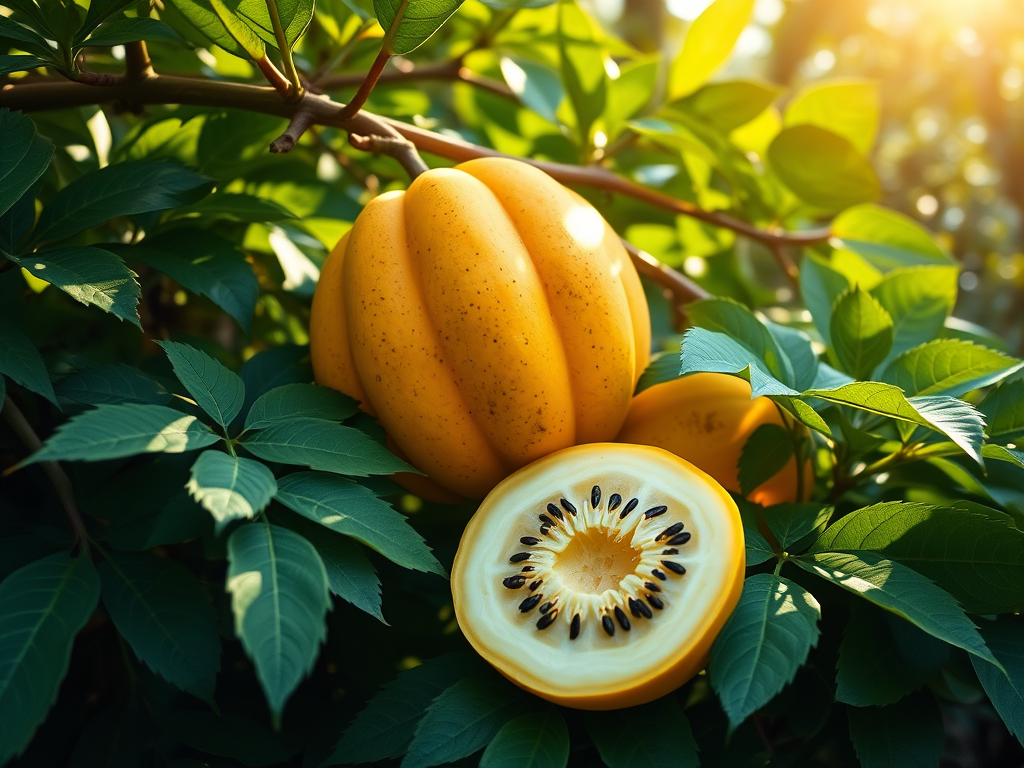
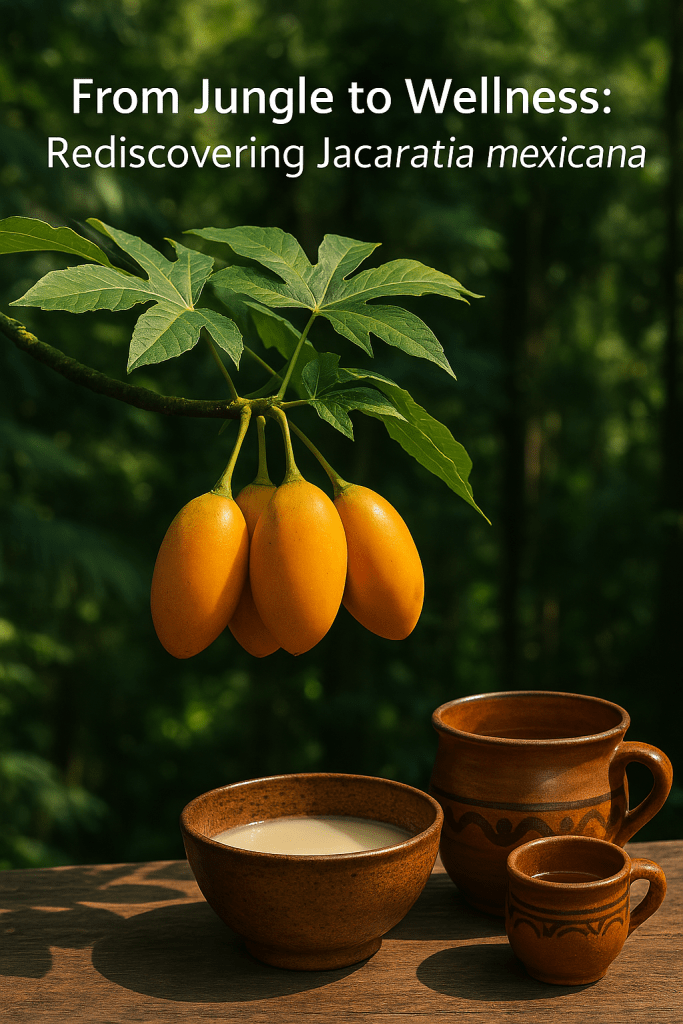
A tropical enigma often hidden beneath dense foliage, Jacaratia mexicana is resurfacing as a superfruit rich in history and health. In this post, we’ll uncover its cultural roots, dive into its nutritional magic, explore creative culinary uses, and highlight why preserving this botanical treasure matters for both people and planet.
Nestled in the understory of Mexico’s tropical forests, Jacaratia mexicana has supported generations of Indigenous stewards. Once prized for its sweet-melon flavor and gentle aroma, it gradually slipped from mainstream awareness. Today, a resurgence of interest in ancestral foods and natural remedies is shining a spotlight on this overlooked fruit.
Cultural Roots and Traditional Uses
Jacaratia mexicana carries centuries of regional lore:
- In Veracruz and Oaxaca, local midwives brewed the fruit’s tea to soothe postpartum inflammation.
- Healers in Chiapas incorporated its leaves into poultices for skin irritations.
- During harvest festivals, families honored the tree spirit by offering the ripest fruits in communal feasts.
Reconnecting with these practices not only preserves cultural heritage but also informs modern research into the plant’s active compounds.
Nutritional and Medicinal Benefits
Emerging analyses reveal Jacaratia mexicana as a wellness powerhouse:
- High vitamin C content supports immune resilience.
- Unique bioflavonoids exhibit anti-inflammatory and antioxidant properties.
- A mild laxative effect promotes gentle digestive balance.
Preliminary studies suggest potential applications in skincare formulations and natural digestive tonics—areas ripe for future exploration.
Culinary Creativity: From Smoothies to Sauces
Jacaratia mexicana’s subtly sweet, musky notes lend themselves to versatile recipes:
- Blend frozen pulp with coconut water and mint for a refreshing smoothie.
- Simmer diced fruit with cinnamon and clove to create a warming compote.
- Fold fresh slices into salads alongside jicama, lime zest, and pumpkin seeds.
Pair it with a rosemary-infused mocktail for a wellness boost that delights both palate and body.
Who Should Consume Jacaratia mexicana
Jacaratia mexicana is ideal for wellness seekers looking to boost their diet with a nutrient-dense superfruit. Its high vitamin C and vitamin A content supports immune function and eye health, while its dietary fiber promotes gentle digestive regularity.
- Immune-support enthusiasts craving natural sources of vitamin C
- Individuals with mild digestive concerns who benefit from fiber-rich foods
- Skin- and vision-focused consumers seeking antioxidant protection
- Culinary explorers eager to experiment with under-the-radar tropical fruits
- Herbalists and natural-health advocates integrating ancestral remedies into modern routines
Conservation and Cultivation: Protecting a Tropical Treasure
Wild Jacaratia mexicana populations are shrinking under the pressure of deforestation, land-use change, and unregulated harvesting. Without targeted efforts, this under-studied fruit risks fading from both forest ecosystems and cultural memory.
Threats to Wild Populations
- Habitat fragmentation as lowland forests give way to cattle ranching and monoculture plantations.
- Overharvesting of ripe fruits by local collectors, limiting natural seed dispersal.
- Absence of commercial demand, which disincentivizes landowners from preserving mature groves.
Community-Led Conservation
Indigenous and rural communities hold invaluable ecological knowledge that can guide restoration:
- Establish participatory seed-collection networks to track genetic diversity.
- Train local stewards in sustainable foraging and nursery management.
- Integrate ceremonial and cultural rituals into conservation plans, reinforcing the fruit’s heritage value.
Sustainable Cultivation Practices
Growing Jacaratia mexicana in agroforestry systems can boost resilience and farmer income:
- Interplant seedlings under shade trees like Inga or native legumes to mimic forest understory.
- Propagate via air-layering or softwood cuttings during the rainy season for higher success rates.
- Employ organic mulches and compost teas to maintain soil moisture and fertility without synthetic inputs.
Research and Ex-Situ Safeguards
Scientific and botanical institutions play a pivotal role in elevating the species:
- Maintain living collections in botanical gardens and seed banks to preserve rare genotypes.
- Conduct phytochemical analyses to document antioxidant, anti-inflammatory, and digestive enzymes.
- Publish cultivation manuals and host workshops in partnering universities or NGOs to disseminate best practices.
How You Can Get Involved
Every advocate moves Jacaratia mexicana closer to a secure future:
- Source seeds or seedlings from ethical nurseries and share propagation tips in grower forums.
- Purchase the fruit (or value-added products) through fair-trade platforms that support local harvesters.
- Document your culinary and wellness experiments on social media to spark broader interest.
- Support agroforestry and conservation nonprofits working in Mexico’s tropical regions.
Promoting community-based cultivation not only safeguards genetic diversity but also creates equitable income streams for rural growers.
How to Find and Use Jacaratia mexicana Today
Availability in the United States
Fresh Jacaratia mexicana remains virtually absent from mainstream grocery outlets and farmers’ markets. Instead, enthusiasts must turn to specialized channels for seeds or rare live plants.
- Seed suppliers
- RarePalmSeeds offers small-packet seeds of “Mexican Mountain Papaya” in stock for global shipping.
- Members of the Tropical Fruit Forum occasionally list Bonetes seeds in small quantities, with shipments via mail from Mexico.
- Specialty nurseries
- Ouriques Farm’s “Maroon” variety is extremely rare outside Mexico and often out of stock when available.
- Veliyath Gardens has carried live seedlings of Jacaratia mexicana but frequently sells out due to high demand and limited supply.
- Botanical gardens and heritage collections
- Some U.S. botanical gardens maintain conservation plantings, offering occasional workshops or propagation material to members.
- Import considerations
- USDA permits and phytosanitary certificates may be required for imported seeds or live plants, so always verify current regulations before ordering.
Despite its scarcity, passionate growers and culinary experimenters can still access Jacaratia mexicana through these niche channels—just be prepared for small batches, premium pricing, and occasional backorders.
Conclusion: A Journey Worth Taking
Rediscovering Jacaratia mexicana bridges ancient wisdom and modern wellness. By celebrating its cultural significance, nutritional virtues, and sustainable potential, we honor both the people who have safeguarded it for generations and the future stewards who will carry its legacy forward.
 EJADA
EJADA 
Leave a comment