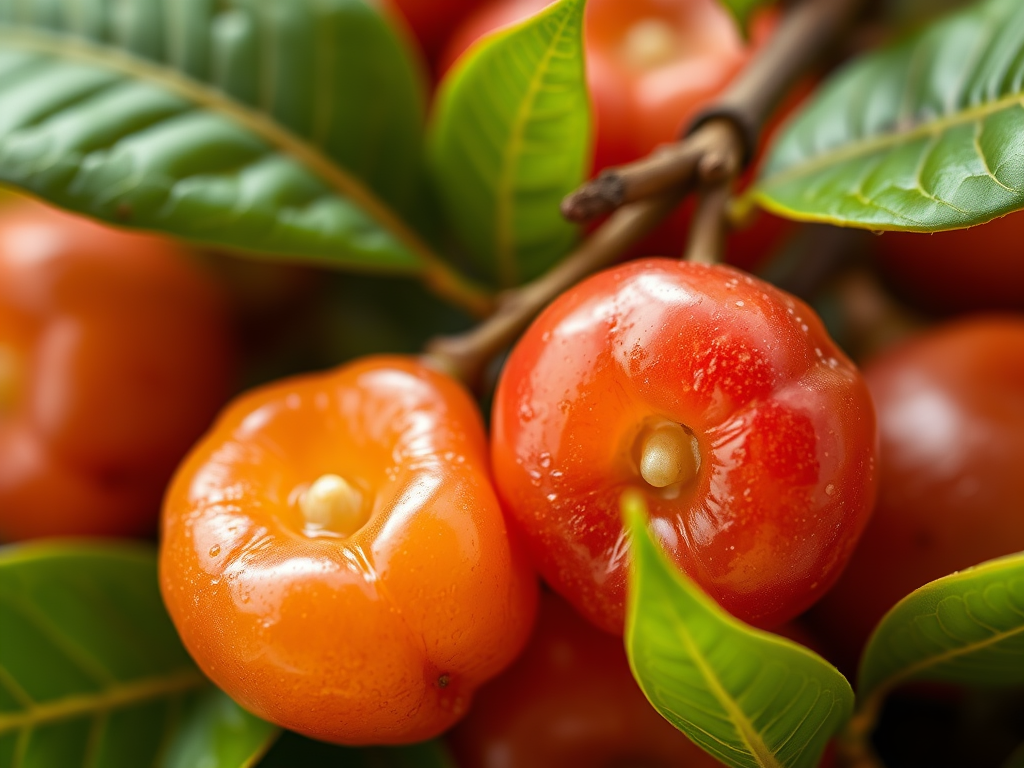
🌿 The Indian Jujube: A Fruit Rooted in Tradition and Wellness
Overview Often overshadowed by trendier superfoods, the Indian Jujube (Ziziphus mauritiana) quietly holds centuries of medicinal wisdom, culinary versatility, and cultural reverence across South Asia. With its sweet-sour bite and resilient growth, this fruit thrives where stories of resilience and nourishment flourish.
🌍 Cultural Timeline & Comparison of the Indian Jujube
🗺️ Historical Timeline: Indian Jujube Through the Ages
| Era | Milestone |
|---|---|
| ~1000 B.C. | Earliest cultivation in Indo-Malaysian region; recognized in Ayurvedic texts for healing properties |
| Pre-Common Era | Spread across India and parts of Africa through trade and migration |
| Early Common Era | Used by Unani physicians for fever, stress, and digestive issues |
| ~1300–1500 A.D. | Incorporated into local rituals and harvest celebrations across India |
| 1789 | Described formally by Jean-Baptiste Lamarck; gained botanical recognition via colonial trade |
| 1900s | Cultivar expansion in India; over 90 varieties documented in horticulture journals |
| 2000s–Present | Renewed interest as a nutraceutical and cultural heritage crop; featured in regenerative agriculture and permaculture efforts |
🧭 Cross-Cultural Comparison
| Aspect | Indian Jujube (Z. mauritiana) | Chinese Jujube (Z. jujuba) |
|---|---|---|
| Origins | Indigenous to South Asia | Native to China |
| Symbolism | Resilience, nourishment, and healing | Longevity, wisdom, and prosperity (Confucian traditions) |
| Medicinal Use | Ayurvedic & Unani tonic; digestive, febrifuge, stress relief | Traditional Chinese Medicine; blood tonics, sedative, immune support |
| Culinary Role | Street snacks, chutneys, fermented drinks | Dried sweets, teas, herbal decoctions |
| Cultural Celebrations | Makar Sankranti, tribal ancestor rituals | Lunar New Year, Mid-Autumn Festival offerings |
| Art & Literature | Featured in Madhubani, folk songs about rural life | Referenced in Tang poetry and Confucian texts as virtue-bearing fruit |
🌿 Why It Was Used
The Indian Jujube’s early adoption was driven by its resilience, nutritional value, and medicinal versatility:
Survival Food: Thrived in arid zones and marginal soils, making it a reliable crop during droughts and lean seasons
Medicinal Tonic: Used in Ayurvedic and Unani systems to balance energies, treat fevers, and soothe digestion
Cultural Symbol: Incorporated into rituals and folklore as a symbol of endurance and protection
Trade and Migration: Its portability and shelf stability made it ideal for trade routes, spreading its use across continents
🧬 Evolution of Use
By 1789, the species was formally described by Jean-Baptiste Lamarck, though its naming (“mauritiana”) reflects colonial trade routes rather than its true origin
Over time, it became a staple in local economies, traditional medicine, and culinary practices, especially in India where over 90 cultivars now exist
🌿 Why It Was Used
The Indian Jujube’s early adoption was driven by its resilience, nutritional value, and medicinal versatility:
- Survival Food: Thrived in arid zones and marginal soils, making it a reliable crop during droughts and lean seasons
- Medicinal Tonic: Used in Ayurvedic and Unani systems to balance energies, treat fevers, and soothe digestion
- Cultural Symbol: Incorporated into rituals and folklore as a symbol of endurance and protection
- Trade and Migration: Its portability and shelf stability made it ideal for trade routes, spreading its use across continents
🧬 Evolution of Use
- By 1789, the species was formally described by Jean-Baptiste Lamarck, though its naming (“mauritiana”) reflects colonial trade routes rather than its true origin
- Over time, it became a staple in local economies, traditional medicine, and culinary practices, especially in India where over 90 cultivars now exist
🌱 Medicinal Roots
| Indian Jujube | Chinese Jujube |
|---|---|
| Caption: An Ayurvedic ally, the Indian Jujube calms the gut and mind. | Caption: The Chinese Jujube steeps in centuries of healing as a blood-nourishing tonic. |
| Alt Text: Dried Indian Jujube alongside mortar and pestle with herbs | Alt Text: Chinese Jujube decoction brewing in a traditional teapot with scroll backdrop |
🌿 Expanded Medicinal Uses and Precautions of the Indian Jujube (Ziziphus mauritiana)
🧬 Medicinal Uses Across Systems
1. Ayurvedic & Unani Applications
- Tridoshic balancer: Used to harmonize bodily energies—especially calming excess Vata and Pitta
- Rasayana (rejuvenative): Promotes longevity and vitality
- Unani tonics: Prescribed for fevers, digestive distress, and nervous exhaustion
2. Folk and Tribal Remedies
- Bark decoctions used for diarrhea and dysentery
- Leaf poultices applied to boils, ulcers, and skin eruptions
- Seed infusions consumed to relieve constipation and menstrual discomfort
3. Modern Therapeutic Potential
- Neuroprotective: Betulinic acid and flavonoids may help reduce anxiety, insomnia, and cognitive decline
- Cardioprotective: Saponins and antioxidants support heart health and reduce cholesterol
- Antidiabetic: Leaf and seed extracts show hypoglycemic effects in animal studies
- Anticancer: Root and bark extracts exhibit cytotoxic activity against cancer cell lines
- Hepatoprotective: May aid in liver detoxification and repair oxidative damage
- Immunomodulatory: Polysaccharides stimulate immune response and cellular repair
- Anti-inflammatory: Useful in managing arthritis, skin inflammation, and chronic fevers
⚠️ Precautions and Drug Interactions
| Concern | Details |
|---|---|
| Sedatives | May enhance drowsiness when taken with sleep aids or anti-anxiety medications |
| Antidiabetic drugs | Can lower blood sugar—monitor closely if on insulin or oral hypoglycemics |
| Diuretics | Mild diuretic effect may amplify dehydration or electrolyte imbalance |
| Antihypertensives | May further reduce blood pressure—regular monitoring advised |
| Anticoagulants | Flavonoids may affect clotting—consult physician if on aspirin or warfarin |
| Pregnancy & Breastfeeding | Traditionally used for nausea and abdominal pain, but excess intake may be harmful—medical guidance essential |
🧘♀️ Herbal Harmony: Using Indian Jujube Safely & Effectively
Who Can Benefit?
Group Supportive Uses Stress-prone individuals Calming teas and tonics for sleep and anxiety relief Digestive concerns Seed infusions aid in gut regulation and constipation Heart health support Antioxidant compounds reduce cholesterol and inflammation Immunity seekers Polysaccharides stimulate immune response naturally ⚠️ Who Should Be Cautious?
Condition / Medication Precaution Diabetes (on medication) Monitor blood sugar—Jujube may enhance hypoglycemic effects Using sedatives or sleep aids May amplify drowsiness—use under supervision Pregnant or nursing individuals Avoid high doses—consult an herbal expert On blood thinners Could influence clotting—physician approval required On blood pressure meds May further reduce BP—track regularly 🌿 Safe Herbal Use Tips
Start with small doses and monitor your body’s response
Prefer teas, decoctions, or syrups over raw or high-concentration extracts
Avoid combining with similar-acting herbs like valerian or ginseng unless guided
Use during daytime for digestion, and evening for calming effects
Store dried fruit in cool, dark containers to preserve potency
🌺 Closing Reflection: A Fruit of Endurance and Elegance
In the folds of tradition, healing, and artistry, the Indian Jujube reveals itself as more than a humble fruit. It stands at the crossroads of ecology and ethnobotany, offering resilience to the land, relief to the body, and reverence to the spirit. Whether through Ayurvedic tonics, tribal rituals, or street-side snacks, it continues to nourish generations with stories, science, and symbolism.
From its healing compounds to its presence in folk art, it beckons us to look deeper—not just into its sweet-tart flesh, but into the roots it shares across cultures and continents.
🌟 Highlights: Why the Indian Jujube Deserves the Spotlight
Creative Legacy: Featured in Madhubani paintings, folk songs, and poetic metaphors that immortalize its resilience
Cultural Talisman: Used in harvest rituals and protection rites across rural India
Medicinal Multitool: Calms nerves, aids digestion, boosts immunity, and may support heart and liver health
Drug Safety Awareness: Interacts with sedatives, anticoagulants, and diabetes meds—herbal wisdom with modern care
Global Perspective: Rich comparison with Chinese Jujube reveals parallel symbolism in Confucian and Ayurvedic traditions.
🩺 Always consult a qualified herbalist or physician before combining Indian Jujube with pharmaceuticals or using it therapeutically during pregnancy.
 EJADA
EJADA 
Leave a comment