🧐 Could a tropical fruit hold the key to weight loss, cholesterol balance, and ancient healing wisdom?
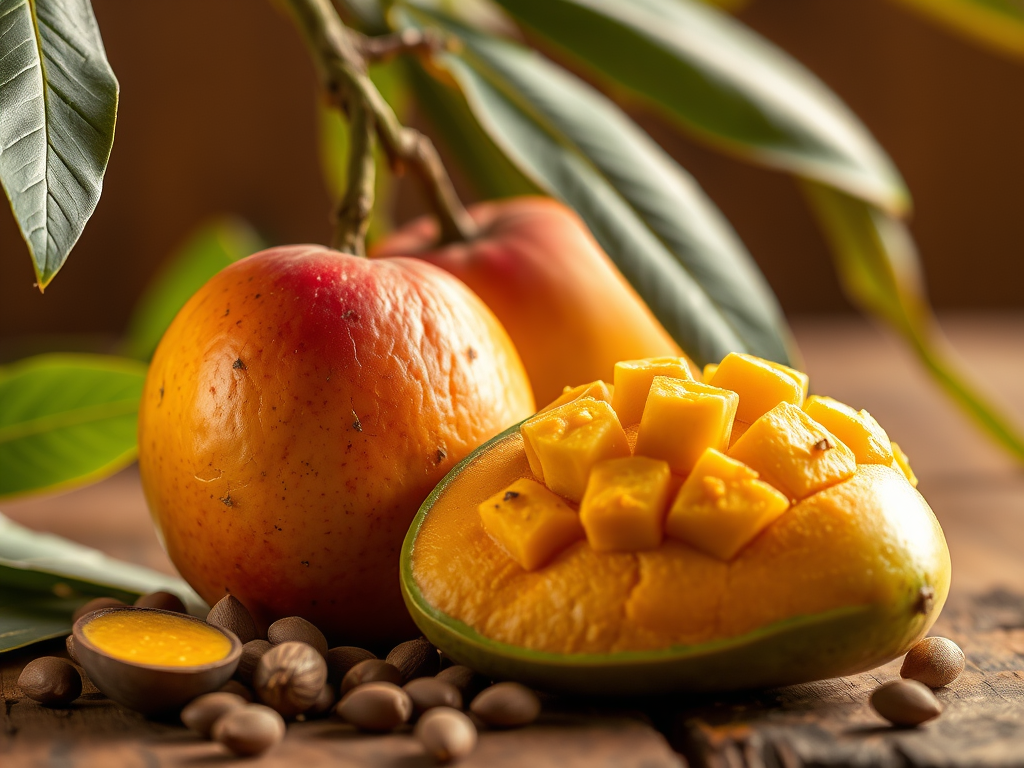
That’s the question that surrounds Irvingia gabonensis, also known as African mango—a powerhouse fruit native to West and Central Africa. Celebrated not only for its seeds (often called “dika nuts”) but also for its deep cultural roots and evolving scientific recognition, Irvingia gabonensis offers a fascinating blend of ancestral use and modern health exploration.
🌿 Medicinal Powerhouse: Irvingia gabonensis Beyond the Buzz
Known for its seed extract’s role in metabolic health, Irvingia gabonensis has been used traditionally to treat:
- 💪 Weight management: Its soluble fiber helps slow digestion and promote fullness
- 💛 Cholesterol & blood sugar balance: Studies suggest it may reduce LDL levels and regulate glucose
- 🤕 Anti-inflammatory and analgesic use: Traditionally used to alleviate pain and swelling
- 🧠 Cognitive and digestive health: Its bioactive compounds are being studied for broader systemic support
🥣 Culinary Significance: From Forest to Fire
Locals cherish Irvingia’s dried seeds (dika nuts) for their:
- 🍲 Soup thickening properties—particularly in dishes like ogbono soup in Nigeria
- 🧂 Flavor enhancement, with a nutty richness and earthy depth
- 🔥 Oil production, extracted for cooking and cosmetics
✨ Rooted in Rituals & Indigenous Innovation
Among the Bantu, Fang, and other ethnic groups in West-Central Africa:
- 🔮 Irvingia seeds and bark have spiritual uses in rites of protection and healing
- 🌾 The trees are often cultivated near homes as symbols of resilience and sustenance
- 🏺 The fruit and seeds play roles in traditional pharmacopoeia passed down generations
🌟 Sacred Seeds: Irvingia gabonensis in Ritual and Tradition
Could a tropical seed thicken your soup and protect your spirit? For communities across West and Central Africa, Irvingia gabonensis—commonly known as African mango—has served as more than a nutritional staple. Its presence weaves through ancestral rituals, marriage customs, and healing ceremonies, reflecting both the fruit’s biological richness and its cultural depth.
🔮 Ancestral Offerings and Seasonal Rites
In regions of Nigeria and Cameroon, dishes made with Irvingia seeds, like ogbono soup, are more than culinary delights—they’re spiritual offerings. Prepared during festivals and harvest ceremonies, the soup symbolizes abundance and reverence for ancestral spirits, often served in rituals honoring fertility, transition, and communal blessings.
💍 Marriage Customs & Cultural Symbolism
Among groups like the Igbo and Yoruba, Irvingia plays a role in courtship rituals. Dika nuts may be gifted as part of a bride’s dowry, representing prosperity and the intention to nourish. During wedding feasts, ogbono soup is prepared by elders and shared by families, signifying unity and the blending of traditions.
🧙🏾♂️ Spiritual Protection and Healing Practices
The Bulu people of Southern Cameroon revere Irvingia for its spiritual potency. The bark and seeds are incorporated into charms, ritual baths, and healing ceremonies designed to ward off misfortune and restore balance. These practices stem from a rich pharmacopoeia rooted in Indigenous science and cosmology.
🍲 Communal Feasting and Storytelling
Beyond formal rituals, Irvingia’s role is deeply social. During naming ceremonies, funerals, and seasonal gatherings, ogbono soup anchors meals that connect generations. Its preparation—often guided by oral storytelling—preserves cultural memory and celebrates resilience.
✨ More Than Mangoes Irvingia gabonensis embodies the convergence of nourishment and narrative. Its seeds are a testament to the power of tradition—binding families, healing bodies, and honoring spirits through ceremonies passed down centuries.
🌟 Sacred Seeds: Irvingia gabonensis in Ritual and Tradition
Could a tropical seed thicken your soup and protect your spirit? For communities across West and Central Africa, Irvingia gabonensis—commonly known as African mango—has served as more than a nutritional staple. Its presence weaves through ancestral rituals, marriage customs, and healing ceremonies, reflecting both the fruit’s biological richness and its cultural depth.
🔮 Ancestral Offerings and Seasonal Rites
In regions of Nigeria and Cameroon, dishes made with Irvingia seeds, like ogbono soup, are more than culinary delights—they’re spiritual offerings. Prepared during festivals and harvest ceremonies, the soup symbolizes abundance and reverence for ancestral spirits, often served in rituals honoring fertility, transition, and communal blessings.
💍 Marriage Customs & Cultural Symbolism
Among groups like the Igbo and Yoruba, Irvingia plays a role in courtship rituals. Dika nuts may be gifted as part of a bride’s dowry, representing prosperity and the intention to nourish. During wedding feasts, ogbono soup is prepared by elders and shared by families, signifying unity and the blending of traditions.
🧙🏾♂️ Spiritual Protection and Healing Practices
The Bulu people of Southern Cameroon revere Irvingia for its spiritual potency. The bark and seeds are incorporated into charms, ritual baths, and healing ceremonies designed to ward off misfortune and restore balance. These practices stem from a rich pharmacopoeia rooted in Indigenous science and cosmology.
🍲 Communal Feasting and Storytelling
Beyond formal rituals, Irvingia’s role is deeply social. During naming ceremonies, funerals, and seasonal gatherings, ogbono soup anchors meals that connect generations. Its preparation—often guided by oral storytelling—preserves cultural memory and celebrates resilience.
✨ More Than Mangoes Irvingia gabonensis embodies the convergence of nourishment and narrative. Its seeds are a testament to the power of tradition—binding families, healing bodies, and honoring spirits through ceremonies passed down centuries.
African mango isn’t just a culinary staple—it’s a scientifically studied fruit with a wide range of health benefits, especially when its seed extract (often called AME) is used. Here’s a breakdown of its most notable advantages:
🏋️♂️ Weight Management
- Appetite suppression: The soluble fiber in the seeds promotes satiety, helping reduce overall calorie intake.
- Fat reduction: Clinical trials show significant decreases in body fat, waist circumference, and overall weight when AME is taken regularly
- Metabolic boost: May enhance fat metabolism and inhibit fat cell growth.
💓 Heart and Cholesterol Health
- Lowers LDL (bad cholesterol) and triglycerides, while potentially raising HDL good cholesterol).
- Improves blood lipid profiles, reducing risk factors for cardiovascular disease.
🩺 Blood Sugar and Diabetes Support
- Regulates glucose levels: AME has shown promise in lowering fasting blood sugar.
- Improves insulin sensitivity, which is crucial for managing type 2 diabetes. Medicine Net
🧠 Anti-inflammatory and Antioxidant Effects
- Rich in phenolic compounds like flavonols, tannins, and ellagic acid that fight oxidative stress.
- May reduce systemic inflammation, supporting joint and brain health. Healthline
🧬 Digestive and Nutritional Support
- High in soluble fiber, aiding digestion and promoting gut health.
- The pulp is rich in vitamin C, supporting immune function and skin health.
⚠️ Things to Keep in Mind
- Side effects are rare but may include headaches, gas, or sleep disturbances.
- Supplement quality varies—look for third-party testing and avoid unverified products.
🥭 Who Should Avoid African Mango (Irvingia gabonensis)?
While African mango offers impressive health benefits, certain individuals should approach it with caution—or avoid it altogether:
⚠️ People with Fruit Allergies
- Those allergic to mangoes, peaches, kiwis, or other tropical fruits may experience itching, swelling, or difficulty breathing due to cross-reactivity.
- If you’ve had allergic reactions to fruit before, consult an allergist before trying African mango.
🤰 Pregnant or Breastfeeding Individuals
- There’s limited safety data on African mango during pregnancy or lactation.
- To avoid unknown risks, it’s best to steer clear unless advised otherwise by a healthcare provider.
💊 People on Certain Medications
- African mango may interact with diabetes or cholesterol medications, potentially altering their effectiveness.
- If you’re on blood sugar or lipid-lowering drugs, talk to your doctor before supplementing.
🩺 Individuals with Chronic Kidney Disease
- A rare case linked African mango to worsened kidney function, requiring dialysis.
- Those with kidney issues should avoid it or use only under medical supervision.
🧪 Those Sensitive to High Doses or Adaptogens
- African mango contains adaptogenic compounds that can act as mild stressors. In high doses, this may lead to digestive upset, headaches, or mild toxicity.
- Stick to recommended amounts—typically 100–300g fresh fruit or 20–30g dried powder daily.
🛒 Availability of African Mango in the U.S.
African mango (Irvingia gabonensis) isn’t commonly found fresh in mainstream grocery stores across the U.S., but its seed extract—often marketed as “African mango supplements”—is widely available. Here’s how it breaks down:
🧴 Supplement Form
- Widely stocked in health food stores like Whole Foods, GNC, and The Vitamin Shoppe
- Available online via Amazon, iHerb, and Walmart
- Typically sold as capsules, powders, or teas, often blended with other weight-loss ingredients
🥭 Fresh or Dried Fruit
- Rarely available fresh due to its tropical origin and short shelf life
- May be found in specialty African or Caribbean markets, especially in cities with large West African communities (e.g., NYC, Atlanta, Houston)
- Dried seeds (dika nuts) occasionally sold online or in ethnic grocery stores for culinary use
📦 Import Challenges
- Irvingia isn’t part of the mainstream mango import stream (which includes Tommy Atkins, Kent, and Ataulfo varieties)
- Its availability is seasonal and limited, often dependent on small-scale importers or diaspora demand
🌿 Little-Known Gem to End On: Irvingia’s Role in Biodiesel
Here’s a surprise twist—Irvingia gabonensis isn’t just making waves in kitchens and clinics. Its seed oil has shown promise in biodiesel production, offering an eco-friendly alternative to fossil fuels. Researchers have explored how the high-fat content and molecular stability of dika oil can be harnessed for renewable energy, particularly in regions where the fruit is abundant.
🌍 Wrapping It All Up: Irvingia’s Journey from Ancestral Roots to Modern Innovation
From ritual offerings and wedding ceremonies to metabolic support and renewable energy, Irvingia gabonensis—the African mango—embodies a fascinating convergence of culture, health, and sustainability. Its seeds not only enrich soups and safeguard traditions but also fuel new scientific frontiers, including biodiesel exploration.
Whether honored at ancestral altars or studied in clinical trials, Irvingia remains a sacred seed with stories yet to be told. It’s more than just a fruit—it’s living history and emerging science, stitched into the soul of West Africa and rippling outward into global curiosity.
 EJADA
EJADA 
Leave a comment