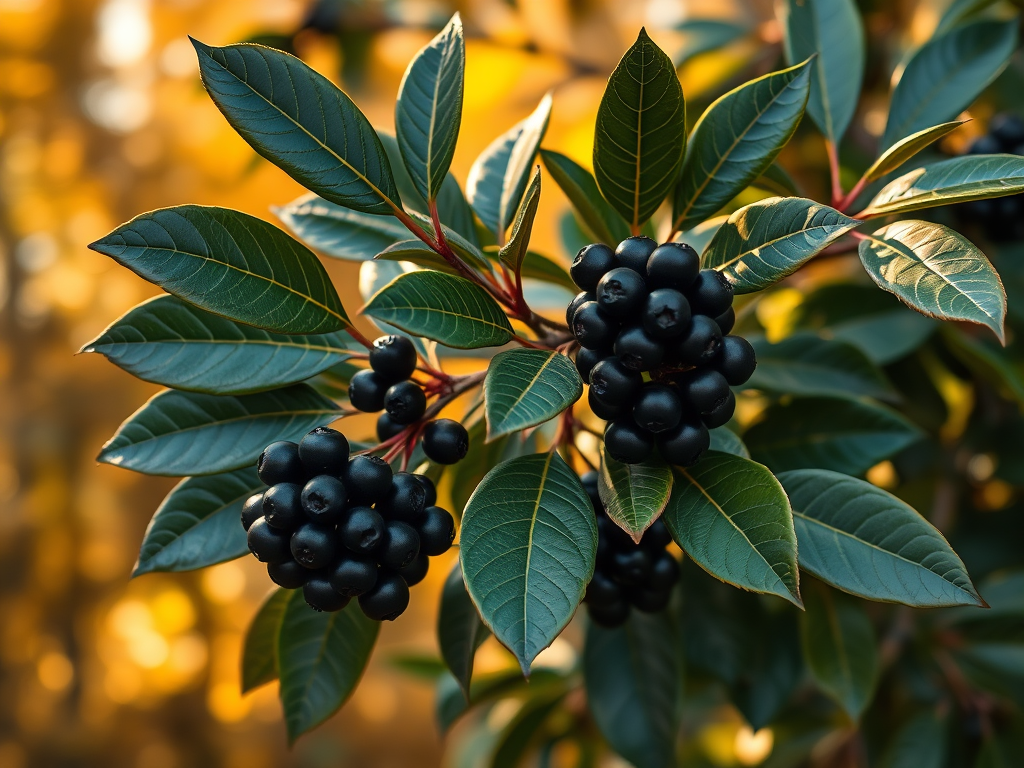
Inkberry (Ilex glabra), also known as Appalachian Tea or Gallberry, has a fascinating blend of culinary, ceremonial, and ecological significance. Let’s break it down:
🍵 Culinary Uses of Inkberry
- Tea from Leaves: Native American tribes traditionally dried and roasted inkberry leaves to brew a black tea-like beverage, often referred to as Appalachian Tea. The flavor is similar to orange pekoe but naturally caffeine-free.
- Inkberry Honey: Bees feeding on inkberry flowers produce a dark, rich honey known as Gallberry honey, prized in the southeastern U.S. for its flavor and antioxidant properties4.
- Jam & Jelly (Caution Advised): While some sources mention the berries being used in jams or jellies, this is not widely recommended due to their mild toxicity.
🪶 Historical & Ceremonial Use
- Medicinal Infusions: Tribes in the Appalachian region used leaf or bark infusions to treat fevers, coughs, and skin conditions, leveraging its anti-inflammatory and diuretic properties.
- Ceremonial Decorations: Inkberry branches and leaves were used in wreaths and garlands for rituals and seasonal celebrations, especially in winter months6.
- Tea in Rituals: Though not as intense as Yaupon Holly (Ilex vomitoria), inkberry tea may have been consumed during communal gatherings, symbolizing healing and unity.
⚠️ Precautions for Culinary Use
- Berries Are Mildly Toxic: The jet-black berries contain saponins and can cause nausea or vomiting if ingested in quantity—especially dangerous for children.
- Use Only Leaves for Tea: Always dry and roast the leaves before brewing. Fresh or improperly prepared leaves may cause digestive upset.
- Avoid During Pregnancy: Due to its emetic and diuretic properties, inkberry tea should be avoided by pregnant or breastfeeding individuals.
- Proper Identification: Inkberry can be confused with other holly species, some of which are more toxic. Always verify the plant before use.
Winter Herbal Tea Guide: Inkberry (Ilex glabra)
Inkberry leaves make a gentle, caffeine-free tea perfect for cold evenings. This guide covers everything from leaf preparation to safe dosage, helping you integrate inkberry into your winter herbal tea series.
Ingredients and Equipment
- Dried inkberry leaves (Ilex glabra)
- Fresh, filtered water
- Small roasting pan or oven tray
- Tea kettle or saucepan
- Tea infuser or strainer
- Airtight glass jar for storage
Harvesting and Leaf Preparation
Collect fresh leaves in late autumn before heavy frost to maximize flavor.
Spread leaves in a single layer on a clean tray and air-dry in a cool, well-ventilated space for 7–10 days.
Lightly roast the dried leaves in a preheated pan (250°F/120°C) for 5–7 minutes, shaking gently until they turn a medium brown.
Allow roasted leaves to cool fully before storing in an airtight jar away from light.
Brewing Instructions
- Bring water to a gentle boil (around 200°F/93°C).
- Add 1–2 teaspoons of roasted inkberry leaves to an infuser per 8 oz cup.
- Pour hot water over leaves and steep for 10–15 minutes.
- Remove leaves and enjoy as is, or sweeten lightly with honey.
Dosage Recommendations
| Audience | Leaf Amount | Cups per Day |
|---|---|---|
| Adults (18+) | 1–2 tsp dried roast leaves | Up to 3 cups |
| Adolescents (12–17) | ½–1 tsp per cup | 1–2 cups |
| Children (under 12) | Not recommended | N/A |
| Pregnant or breastfeeding | Avoid use | N/A |
Storage and Shelf Life
Store roasted leaves in an airtight glass jar in a cool, dark cabinet.
Properly dried and roasted leaves will retain flavor and activity for up to 12 months.
Check periodically for moisture—discard if you notice clumping or off-odors.
Precautions
Avoid inkberry tea if you have kidney disease, low blood pressure, or are on diuretic medication.
Refrain from use during pregnancy and breastfeeding due to its mild emetic and diuretic effects.
Always confirm plant identification: don’t confuse inkberry with other holly species that have more potent toxins.
Flavor Pairings and Enhancements
- Cinnamon sticks and a slice of fresh orange peel for warming citrus notes
- A small piece of sliced ginger to enhance digestive support
- Blend with mild rooibos or honeybush for extra sweetness and color
Health Benefits of Inkberry Tea (Ilex glabra)
Inkberry tea, brewed from the roasted leaves of the gallberry holly, offers a gentle, caffeine-free infusion prized in traditional Appalachian herbalism.
Antioxidant Protection
- Rich in flavonoids (quercetin, kaempferol) and phenolic acids
- Neutralizes free radicals, helping to combat oxidative stress
- Supports skin health and may lower the risk of chronic diseases
Gentle Diuretic and Detox Support
- Stimulates mild diuresis without harsh side effects
- Aids kidney function and promotes natural detoxification
- Traditionally used to relieve mild edema and fluid retention
Anti-Inflammatory Action
- High tannin content helps tone inflamed tissues
- May ease joint stiffness and soothe rheumatic aches
- Regular consumption can support comfort in mild arthritis
Digestive and Astringent Benefits
- Tannins tone mucous membranes in the gut
- Eases diarrhea, dysentery, and mild intestinal cramping
- Used traditionally for hemorrhoidal discomfort through vein-toning
Immune and Respiratory Support
- Acts as a mild immune tonic during cold seasons
- Contains trace saponins that help loosen bronchial mucus
- Soothes chronic coughs and throat irritation
Mineral and Electrolyte Balance
- Supplies magnesium and potassium to support electrolyte balance
- Contributes to healthy cardiovascular and neuromuscular function
Inkberry tea’s blend of antioxidants, astringents, and gentle diuretic properties makes it an ideal warming tonic for winter wellness. Consider pairing it with complementary herbs—like ginger for extra digestive support or cinnamon and orange peel for enhanced flavor and immune boost—while respecting dosage guidelines for safe, daily enjoyment.
Little-Known Benefits of Inkberry (Ilex glabra)
Beyond its herbal tea uses, inkberry offers surprising ecological, landscaping, and even apicultural perks that many overlook.
1. Pollinator and Butterfly Support
- Attracts honeybees, helping sustain local apiaries and the production of prized Gallberry honey.
- Serves as a larval host for the Henry’s elfin butterfly (Callophrys henrici), bolstering native butterfly populations.
2. Natural Erosion Control & Drought Resistance
- Deep, fibrous root system stabilizes soil on banks and slopes, reducing runoff and erosion.
- Exceptional drought tolerance makes it ideal for water-wise or xeriscape designs, cutting irrigation needs.
3. Winter Wildlife Forage
- Glossy evergreen foliage and late-season berries provide critical cover and food for songbirds and small mammals in cold months.
4. Living Privacy Screens & Low-Maintenance Hedges
- Dense growth habit and year-round greenery create natural fences, boosting privacy and noise reduction with minimal pruning.
- Thrives in poor, acidic soils where many shrubs struggle, lowering maintenance efforts and fertilizer inputs.
5. Specialty Honey Production
- When in bloom, inkberry stands are favored by beekeepers for producing a dark, subtly floral honey high in antioxidants—Gallberry honey commands a premium regional market.
Inkberry’s combined ecological services—pollinator support, erosion control, winter forage, and premium honey production—make it a multipurpose plant well worth integrating into sustainable landscapes.
Citations Ilex glabra’s attraction for honeybees and role as a host plant for Henry’s elfin butterfly. North Carolina Extension Gardener Plant Toolbox. 2 Inkberry’s drought tolerance, erosion control, wildlife support, and use as low-maintenance screening. greg.app
Availability of Inkberry (Ilex glabra) in the United States
Inkberry holly is native to the eastern United States and is widely cultivated and sold by nurseries and online retailers across the country. Its adaptation to USDA hardiness zones 4 through 9 makes it suitable for a broad geographic range.
Where to Find Inkberry in the U.S.
- Direct Native Plants: Offers 1- and 3-gallon containers, shipping throughout the United States (currently out of stock)
- CFL&T Nursery (Florida): Wholesale availability of 1- and 3-gallon gallberry/inkberry shrubs for Southeastern landscapes
- Amazon (Hirt’s Gardens): “Squeeze Box™ Inkberry Holly” in 4″ pots, shipping nationwide
- Pinelands Nursery: #1-pot native Ilex glabra stock; minimum orders of 10 plants; shipping options upon request
- Kollar Nursery: Multiple sizes (1 qt.–3 gal.) of Ilex glabra and its cultivars, with shipping details available regionally
Tips for Sourcing and Planting
- Verify hardiness zone compatibility (zones 4–9) before ordering.
- Confirm male/female plant ratio if you want berry production (inkberry is dioecious).
- Ask about shipping seasons—many nurseries ship bare-root or containerized stock in late winter to early spring.
Inkberry’s widespread availability and ease of shipping make it a practical choice for landscapers, home gardeners, and restoration projects throughout the U.S.
directnativeplants.com
cflatnursery.com

http://www.pinelandsnursery.com
Wrap-Up
Inkberry holly (Ilex glabra) stands out as a multifunctional native shrub—offering winter interest, wildlife support, and gentle herbal uses. Thriving in USDA zones 4–9, it’s both resilient in diverse landscapes and valued for its roasted‐leaf tea traditions.
When you’re ready to introduce inkberry into your garden or herbal library, remember to:
- Verify your hardiness zone and soil conditions.
- Source both male and female plants for berry production.
- Time your order for late winter or early spring shipping.
Integrating inkberry holly brings ecological benefits, low‐maintenance screening, and a flavorful, caffeine‐free tea to your outdoor and kitchen spaces alike.
Disclaimer
The information in this post is provided for educational and informational purposes only. It is not intended as medical advice, diagnosis, or treatment. Always consult a qualified healthcare professional before using any herbal remedy, especially if you are pregnant, nursing, taking medications, or have a medical condition. Individual results may vary, and EJADA does not assume responsibility for any adverse effects or consequences arising from the use of this information.
 EJADA
EJADA 
Leave a comment