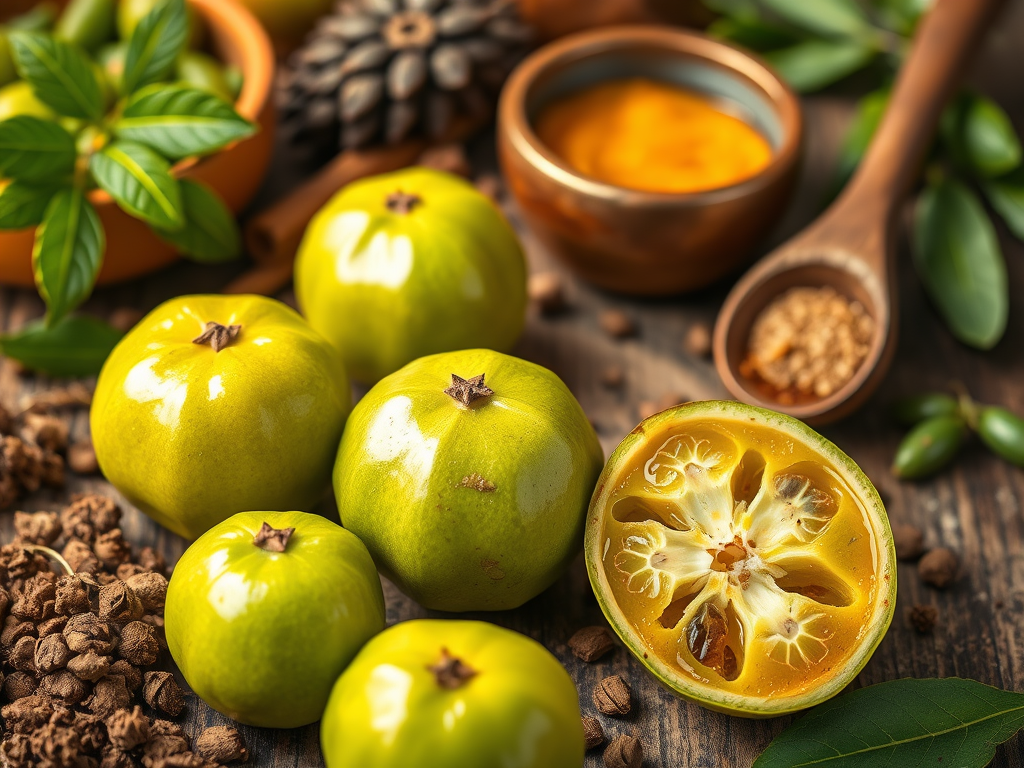
🍃 Amla: India’s Gift of Nourishment and Wisdom
There’s something deeply grounding about the Indian Gooseberry—known affectionately in the East as Amla. This small, green fruit holds centuries of stories within its tart skin and nourishing pulp. In India, it’s more than a fruit—it’s a symbol of longevity, resilience, and reverence for nature’s intelligence.
The gentle ritual of sipping amla-infused water on quiet mornings or watching grandmother prepare tangy amla chutney that lit up any humble meal. It wasn’t just about flavor—it was about tradition, care, and balance. For many, Amla has been that quiet healer, supporting digestion, glowing skin, and even fortifying hair with its vitamin-rich touch.
🧠 Science whispers what tradition already knew:
Amla is a powerhouse of Vitamin C, antioxidants, and anti-inflammatory compounds. From Ayurveda’s ancient scrolls to modern labs, it’s earned its place as an adaptogen—a natural ally for stress, immunity, and metabolic health.
But what makes Amla truly beautiful isn’t just its benefits—it’s its place in stories, seasons, and kitchens around the world. Whether transformed into a sweet preserve called murabba, mixed into herbal teas, or eaten raw for its lip-puckering freshness, it invites us to slow down and savor life with intention.
So maybe today’s post isn’t just about a fruit—it’s an invitation. A call to reconnect with nature’s gifts, honor ancestral wisdom, and celebrate the quiet miracles nestled in our pantries.
Amla’s cultural journey doesn’t stop at India’s borders—it’s quietly woven into traditions across Southeast Asia and beyond, often under different names and meanings. 🌏 Let’s explore a few:
🌿 Southeast Asia
Nepal & Sri Lanka: Amla is used in Ayurvedic and folk medicine, much like in India. In Nepal, it’s called Amala and features in seasonal wellness rituals.
Thailand & Vietnam: Known locally as Makham Pom or Trái Chùm Ruột, it’s used in herbal tonics and traditional remedies, especially for cooling the body and balancing energy.
🧘 Buddhist Traditions
In Buddhist lore, Amla holds symbolic weight. Emperor Ashoka is said to have gifted half an Amla fruit to the Buddhist sangha, representing humility and nourishment.
It’s also planted near temples for its spiritual and ecological benefits, symbolizing resilience and purity.
🌱 Global Herbalism & Holistic Wellness
In Western herbal circles, Amla is gaining recognition as Emblica or Indian Gooseberry, often labeled a “superfruit.” It’s used in adaptogenic blends, hair care rituals, and immunity tonics.
Its reputation as a rejuvenator has made it a staple in natural beauty and wellness movements, especially in Europe and North America.
🌍 Cultural Symbolism
Across cultures, Amla is seen as a symbol of nourishment, longevity, and balance. Its high vitamin C content and antioxidant profile have earned it a place in both ancient healing and modern nutrition.
In Buddhist traditions, Amla (Indian Gooseberry) carries a quiet but profound symbolic resonance, especially in Theravāda Buddhism and ancient Indian lore.
🕊️ Symbol of Humility and Generosity
One of the most touching stories comes from the Asokavadana, where Emperor Ashoka, known for his deep patronage of Buddhism, offers half an Amla fruit to the Buddhist sangha. Despite his vast empire, this modest gift was seen as a supreme act of generosity and spiritual devotion. It symbolized that true giving isn’t measured by quantity, but by sincerity and intention.
A stupa was later built to commemorate this act, known as the Amalaka Stupa, located in modern-day Patna. It became a site of pilgrimage and reflection on the virtues of selflessness and humility.
🌿 Symbol of Healing and Wellness
In Theravāda texts, Amla—referred to as Amalaka myrobalan—is recognized as one of the three sacred myrobalan fruits, valued for its medicinal properties and suitability for the sick. Its presence in Buddhist healing practices reflects the tradition’s emphasis on compassionate care and holistic well-being.
🌿 Health Benefits of Amla (Indian Gooseberry)
Amla isn’t just a fruit—it’s a natural pharmacy wrapped in a tart little sphere. Revered in Ayurveda and now validated by modern science, here’s what makes it so extraordinary:
🧬 Antioxidant & Anti-Inflammatory Power
Rich in Vitamin C and polyphenols, Amla helps neutralize free radicals that contribute to chronic disease: One small Amla contains up to 600–800% of your daily Vitamin C needs.
Its anti-inflammatory properties may support the treatment of arthritis, asthma, and autoimmune conditions
Rich in polyphenols, flavonoids, and alkaloids, which help fight inflammation and oxidative stress.
Supports immune cell function and helps the body produce protective antibodies.
💖 Heart Health
Helps lower LDL (bad) cholesterol and increase HDL (good) cholesterol.
Acts as a vasodilator, improving blood flow and reducing blood pressure.
May prevent blood clots, reducing the risk of stroke and heart attack.
🧠 Brain & Memory Support
Antioxidants protect brain cells from free radical damage.
Boosts norepinephrine production, a neurotransmitter linked to improved memory and cognition, especially in aging populations
🍽️ Digestive Wellness
High in soluble fiber, which regulates bowel movements and supports gut health.
Amla stimulates gastric secretions, aiding digestion and nutrient absorption
Soothes symptoms of GERD and acid reflux.
🩺 Blood Sugar & Diabetes Management
Slows carbohydrate breakdown, helping regulate blood sugar levels.
Shown to reduce fasting and post-meal glucose levels in small human studies.
👁️ Eye & Oral Health
Rich in Vitamin A, which supports vision and may reduce the risk of macular degeneration.
Antibacterial properties help protect against eye infections like conjunctivitis.
It may help with oral ulcers and gum health, thanks to its antibacterial effects
💇 Hair, Skin & Anti-Aging
Promotes collagen production, improving skin elasticity and reducing wrinkles.
Used in traditional hair oils to strengthen roots and reduce hair loss.
Slows aging by neutralizing free radicals and supporting cellular repair.
🧪 Cancer Research Potential
In lab studies, Amla extracts have shown anti-cancer activity against breast, cervical, and lung cancer cells3.
Its phytochemicals may help prevent mutations and tumor growth, though human studies are still limited.
🌱 Spiritual Purity and Earth Connection
Amla is also revered as a sacred tree in broader Indian spiritual contexts, often planted near temples and associated with spiritual purity and Mother Earth. This ecological and spiritual symbolism aligns with Buddhist values of interconnectedness, reverence for nature, and mindful living.
Sources: WebMD , Healthline, Health.com, and Naturalfood
Amla is available in the U.S., though its form and availability can vary depending on where you shop and the season.
🛒 Where to Find It
- Indian grocery stores in cities like Grand Rapids, Chicago, or Detroit often carry fresh or frozen Amla, especially during its peak season (November to March).
- Online retailers like Amazon, Thrive Market, and Organic India USA offer Amla in various forms—powder, capsules, juice, and dried slices.
- Health food stores and specialty wellness shops may stock Amla supplements or powders, often labeled as Emblica officinalis or Indian Gooseberry.
🍏 Forms You’ll Commonly See
| Form | Use Case | Notes |
|---|---|---|
| Fresh Amla | Juicing, pickling, raw consumption | Harder to find, seasonal |
| Frozen Amla | Smoothies, cooking | Available in Indian stores |
| Amla Powder | Teas, smoothies, face masks | Widely available online |
| Amla Juice | Daily tonic, immunity booster | Check for organic options |
| Capsules/Tablets | Supplements for wellness routines | Convenient for travel |
💚 A Fruit of Connection, A Story of Grace
In every bite of Amla, we taste a legacy—a thread that binds generations, geographies, and healing traditions. It’s more than just nutrition; it’s a reminder to live intentionally, honor our roots, and embrace the gentle power of nature.
From the quiet offerings of Emperor Ashoka to the bustling kitchens of South Asia and the shelves of herbal apothecaries worldwide, Amla travels through time with grace. It invites us to pause, listen, and care for ourselves and for others.
Maybe that’s the true medicine: not just what Amla gives our bodies, but what it teaches our hearts.
So, whether you use Amla in a morning tonic, a treasured recipe, or a mindful ritual, you’re participating in something bigger—a global story of nourishment, humility, and hope.
Let’s savor that story.
 EJADA
EJADA 
Leave a comment