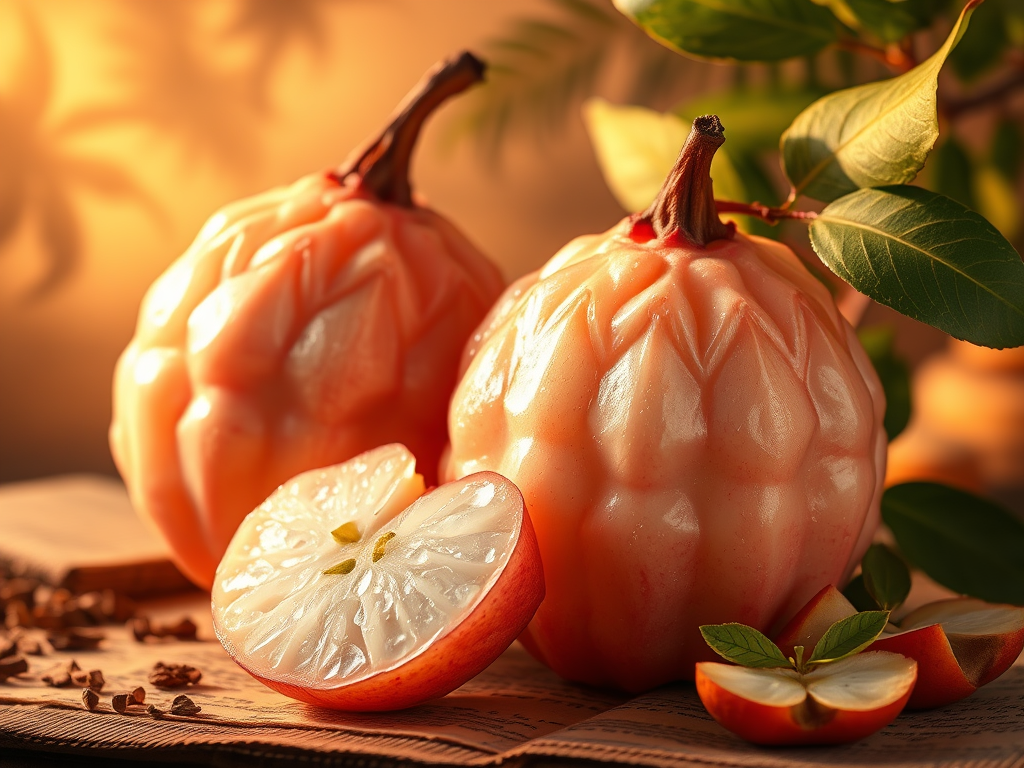
The Ice Apple, from the Palmyrah palm (Borassus flabellifer), has been cultivated for thousands of years across South and Southeast Asia. While exact dates are elusive, its domestication likely dates back to ancient Dravidian and Vedic periods, given its deep integration into traditional diets, rituals, and medicinal practices in regions like Tamil Nadu, Odisha, and Bengal.
The mention of Ice Apple’s roots in the ancient Dravidian and Vedic periods points to a fascinating intersection of botanical heritage, cultural practice, and medicinal tradition
🔹 Pre-1500 BCE — Dravidian Civilization
Palm Scrolls & Daily Life: Palmyrah palm leaves were used as writing surfaces in South Indian scripts like Tamil and Telugu.
Early Uses: Fruit consumed fresh for hydration; tree used for construction, weaving, and fuel.
Siddha Medicine Origins: The Ice Apple is known for treating heatstroke, constipation, and urinary discomfort.
🔹 ~1500–500 BCE — Vedic Period
Ayurvedic Mention: Cited as a sheetal (cooling) fruit, ideal for pitta dosha balance.
Spiritual Symbolism: Palms symbolized sustainability and abundance in Vedic hymns.
🔹 Classical Era — Sangam & Gupta Periods
Ice Apple featured in Tamil Sangam literature as a summer staple.
Used in temple offerings and seasonal rituals.
🔹 Medieval Era
Ice Apple’s role expanded to Islamic Unani medicine for detoxification.
Pickled forms and palm jaggery (from sap) gained culinary popularity.
🔹 Modern Rediscovery (20th–21st Century)
Celebrated in South Indian films and folk songs.
Reappraised for diabetic-friendly nutrition, eco-sustainability, and zero-waste farming.
🌱 Historical Cultivation Highlights
Ancient Manuscripts: Palm leaves from this tree were used as writing material in Tamil and Telugu literature, suggesting its presence in early scholarly and cultural life.
Ayurvedic Roots: Its cooling and detoxifying properties were documented in classical Ayurvedic texts, indicating medicinal use for centuries.
Symbol of Resilience: Recognized as the state tree of Tamil Nadu, it symbolizes sustainability and cultural heritage.
Widespread Cultivation: Thrives naturally in tropical regions of India, including Tamil Nadu, Andhra Pradesh, Odisha, West Bengal, and Maharashtra.
📜 Cultural & Medicinal Legacy
Siddha Medicine, rooted in Dravidian knowledge, frequently used Ice Apple (nungu) for heat disorders, urinary problems, and gut cleansing.
Vedic and Ayurvedic traditions categorized fruits like Ice Apple as sheetal—cooling foods—ideal for balancing pitta dosha.
Palm trees were seen as symbols of resilience, offering sustenance, shelter, and spiritual utility.
🌿📜 Cultural & Medicinal Legacy
Siddha Medicine, rooted in Dravidian knowledge, frequently used Ice Apple (nungu) for heat disorders, urinary problems, and gut cleansing.
Vedic and Ayurvedic traditions categorized fruits like Ice Apple as sheetal—cooling foods—ideal for balancing pitta dosha.
Palm trees were seen as symbols of resilience, offering sustenance, shelter, and spiritual utility.
Ice Apple’s medicinal benefits aren’t just folklore—they’re backed by nutritional science and traditional medical systems like Ayurveda and Siddha
🌿. Here’s a breakdown of proven and supported health benefits based on clinical observations and phytochemical analysis:
🧪 Scientifically Supported Benefits of Ice Apple
| Benefit | Evidence & Mechanism |
|---|---|
| Hydration & Electrolyte Balance | High water and potassium content help prevent dehydration and heatstroke. |
| Digestive Health | Rich in fiber, it promotes bowel regularity and eases constipation. |
| Liver Support | Potassium aids in detoxification and supports liver function. |
| Skin Health | Antioxidants and anti-inflammatory compounds soothe prickly heat, rashes, and delay aging. |
| Diabetes Management | Low glycemic index and natural sugars make it suitable for mild diabetics; some trials show improved fasting glucose. |
| Respiratory Relief | Acts as an expectorant, helping expel mucus during coughs. |
| Weight Loss | Low in calories and high in water, it promotes satiety and supports weight management. |
| Cancer Prevention Potential | Contains anthocyanins and polyphenols that may inhibit tumor growth, especially in breast cancer cells. |
🧬 Nutritional Snapshot (per 100g)
Calories: ~38–70 kcal
Water: ~90g
Potassium: ~150–290mg
Vitamin C: ~6–22mg
Fiber: ~1g
Natural Sugars: Fructose & glucose
The Ice Apple is a vitamin-rich fruit that delivers a refreshing nutritional punch, especially during hot seasons 🌞. Here’s a breakdown of the key vitamins found in Ice Apple (per 100g serving):
🍊 Vitamin Profile of Ice Apple
| Vitamin | Amount | Benefits |
|---|---|---|
| Vitamin C | ~6–22 mg | Boosts immunity, aids collagen production, enhances iron absorption, and protects skin from oxidative stress. |
| Vitamin A | Trace to moderate | Supports eye health, skin regeneration, and immune function. |
| Vitamin B6 | Present in small amounts | Helps with brain development, mood regulation, and metabolism. |
| Folate (Vitamin B9) | Trace amounts | Supports cell division and is especially important during pregnancy. |
🧬 Bonus Nutrients
Potassium (~150–290 mg): Regulates fluid balance and supports heart health.
Magnesium & Calcium: Aid in bone strength and muscle function.
Iron (~0.6 mg): Supports oxygen transport and energy production.
Ice Apple’s delicate sweetness and jelly-like texture make it a versatile ingredient across South and Southeast Asian cuisines 🍧. Here’s how it shines in the kitchen:
🍽️ Popular Culinary Uses of Ice Apple
| Use | Description |
|---|---|
| Fresh Snack | Eaten raw and chilled, often sprinkled with a pinch of salt or lime juice for extra zing. |
| Sherbets & Coolers | Blended with mint, lemon, and black salt to make nungu sharbat—a summer favorite. |
| Smoothies | Mixed with coconut milk, honey, or rose water for a hydrating, dairy-free drink. |
| Desserts | Added to kheer, puddings, kulfi, and ice creams for a tropical twist. |
| Fruit Bowls | Combined with watermelon, cucumber, and grapes for a crunchy, refreshing salad. |
| Popsicles | Pureed and frozen with floral infusions like rose or saffron—perfect for hot days. |
| Tender Coconut Mix | Diced and stirred into coconut water and malai for a soothing tropical cooler. |
| Fermented Drinks | In some regions, the sap from the Palmyrah palm is used to make toddy, though the fruit itself is more often used fresh. |
Ice Apple is generally safe and beneficial for most people, but there are a few groups who should be cautious or avoid it altogether 🚫:
⚠️ Who Should Avoid or Limit Ice Apple
| Group | Reason |
|---|---|
| People with allergies | Though rare, some individuals may experience itching, swelling, or digestive distress due to sensitivity to palm fruits2. |
| Individuals with kidney disorders | Ice Apple is high in potassium, which can be problematic for those with impaired kidney function. |
| Those with gastrointestinal conditions (IBS/IBD) | Its fiber content may cause bloating or discomfort in sensitive individuals. |
| People on potassium-restricted diets | Due to its potassium load, it may interfere with dietary restrictions or medications. |
| Pregnant women (in excess) | While generally safe, overconsumption may affect liver lipid metabolism due to ethanol traces in the kernel. |
| Children (in excess) | Too much can cause stomach irritation or loose stools due to its cooling and fibrous nature. |
🧠 Pro Tip
If you’re introducing Ice Apple into your diet for the first time, start with a small portion and observe how your body responds. And always wash it thoroughly before eating to avoid pesticide residues.
Ice Apple: Benefits, Nutrition, Uses, Side Effects
The Ice Apple is available in the U.S.—but it’s a bit of a treasure hunt 🗺️.
Where to Find Ice Apples in the U.S.
| Source | Availability |
|---|---|
| Online Retailers | Miami Fruit ships frozen Ice apples nationwide. It’s pre-cut and packed in biodegradable coolers with dry ice. |
| Asian & Indian Grocery Stores | Some stores in cities like New York, San Francisco, and Los Angeles may carry canned or frozen versions during summer. |
| Farmers’ Markets (Florida) | In South Florida, especially near Homestead or Redlands, you might find fresh Ice Apple at tropical fruit stands or botanical gardens. |
| Specialty Importers | Platforms like Exotic Fruits USA occasionally list Ice Apple during peak season (April–June). |
| Instacart | Some local stores offer Ice Apple for delivery, depending on your zip code. |
🧊 What to Expect
Fresh Ice Apple is rare due to its short shelf life.
Frozen or canned versions are more common and still retain much of the texture and flavor.
Best season to search: Late spring to early summer.
⚠️ Health Disclaimer
The information provided in this post is for general knowledge and cultural exploration only. Ice Apple (Borassus flabellifer) is a widely consumed fruit in South and Southeast Asia, traditionally valued for its cooling and medicinal properties. However, individual reactions may vary.
People with known allergies to palm fruits, gastrointestinal conditions, or kidney disorders should consult a healthcare professional before consumption.
Pregnant women, individuals on potassium-restricted diets, and children should moderate their intake to avoid potential side effects.
This post does not substitute professional medical advice, diagnosis, or treatment. Always seek guidance from a qualified health provider regarding dietary choices or medical conditions.

 EJADA
EJADA 
Leave a comment