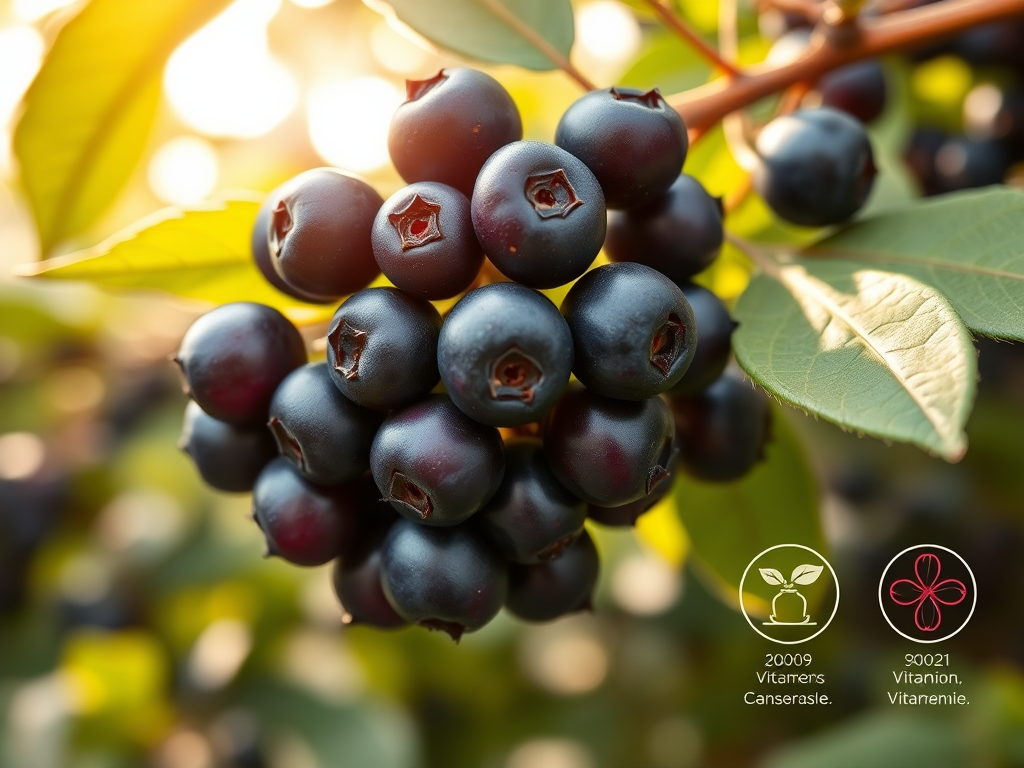
Honeyberry, also known as haskap or blue honeysuckle, is a fascinating fruit with deep cultural roots, impressive hardiness, and growing popularity in modern gardens and kitchens. The name “haskap” comes from the Ainu word haskapupu, meaning “many fruits on branches,” symbolizing abundance and vitality.
🌿Origins & Identity of The Honeyberry
Scientific Name: Lonicera caerulea
Common Names: Haskap (Japan), Blue Honeysuckle, Edible Honeysuckle
Family: Caprifoliaceae (honeysuckle family)
Origin: Native to cold regions of Russia, Japan, and parts of North America
Name Meaning: “Ainu” means “human” in their language, in contrast to kamuy, meaning “divine being”.
Ancestry: Likely descendants of the Jōmon people, Japan’s prehistoric inhabitants.
Language: The Ainu language is a linguistic isolate with no known relatives. It was nearly extinct but is now undergoing revitalization. In Ainu Tradition
The Ainu people are an Indigenous ethnic group of Japan, primarily associated with Hokkaido, as well as parts of Sakhalin, the Kuril Islands, and northeastern Honshu. Their culture, language, and spiritual practices are distinct from the dominant Japanese population, and they have a deep historical connection to the land and nature.
Animism: The Ainu believe all things—animals, plants, rivers, and even tools—have spirits (kamuy). Respect and reciprocity with nature are central to their worldview. In Ainu tradition, the haskap berry (honeyberry) is known as the “berry of long life and good eyesight.” It grows wild in Hokkaido and has been used for centuries in Ainu diets and medicine.
Iomante Ceremony: A sacred bear-sending ritual where a bear cub is raised with care and then ritually sacrificed to send its spirit to the gods. This ceremony reflects their belief in honoring the spirit world through respectful offerings.
Traditional Life: They lived as hunters, gatherers, and fishers, relying on salmon, deer, and wild plants. Their homes (chise) were made of natural materials, and their clothing was often bark cloth decorated with geometric patterns.
🌸 Cultural Anecdote: Haskap
In Ainu folklore (the Indigenous people of northern Japan), haskap berries were believed to be a gift from the gods to help people survive harsh winters. The berries were often dried and stored as a sacred food, and their resilience became a symbol of strength and endurance.
The name “haskap” itself is said to derive from the Ainu word “haskapupu”, meaning “little present at the end of the branch.” This symbolism of abundance and survival continues to resonate in modern permaculture circles.
🌱 Growing & Cultivation
- Hardiness: Extremely cold-tolerant (down to -55°F / -48°C)
- Zones: USDA Hardiness Zones 2–7
- Pollination: Requires two unrelated varieties for cross-pollination
- Soil: Prefers well-drained, slightly acidic soil (pH 5.5–6.5)
- Sunlight: Full sun to partial shade
- Maintenance: Low—minimal pruning and pest issues
🧬 Nutritional & Medicinal Benefits
Honeyberries are a powerhouse of essential vitamins and nutrients, making them a standout among superfruits. Here’s a breakdown of their vitamin content and nutritional highlights:
🧬 Proven Health Benefits of Honeyberry
| Health Benefit | Scientific Basis | Sources |
|---|---|---|
| Cardiovascular Support | Rich in anthocyanins and phenolic acids (like chlorogenic acid), honeyberries help lower blood pressure and improve vascular function. | Casa de Sante |
| Anti-Inflammatory Effects | Contains polyphenols and iridoids that reduce inflammation, potentially aiding conditions like arthritis and gingivitis. | BenefitsUses |
| Eye Health | Anthocyanins improve retinal circulation, enhance night vision, and may protect against macular degeneration. | BenefitsUses |
| Cancer Prevention Potential | Antioxidants in honeyberries reduce oxidative DNA damage, a key factor in aging and cancer development. | Back to Your Roots Herbs |
| Blood Sugar Regulation | Chlorogenic acid and fiber content may help moderate glucose absorption and insulin response. | Back to Your Roots Herbs |
| Digestive Health | High in dietary fiber and used traditionally to treat liver, kidney, and gastrointestinal disorders. | Netmeds |
| Brain Function | Antioxidants and polyphenols may protect neurons and enhance cognitive performance. | BenefitsUses |
🧬 Bonus Nutrients
- Anthocyanins: Potent antioxidants responsible for the deep blue color; support heart and brain health
- Polyphenols: Anti-inflammatory and anti-cancer properties
- Minerals: Rich in potassium, calcium, phosphorus, and iron
🍽️ Nutritional Snapshot
(per 100g)
- Vitamin C: 20–60 mg (22–67% DV)
- Fiber: 3–4g (11–14% DV)
- Manganese: 0.5–0.8 mg (22–35% DV)
- Potassium: 170–220 mg
- Vitamin B6 & K: Present in small but beneficial amounts
In Russia and Siberia,
Honeyberries—known locally as zhimolost (жимолость)—have long been valued for their resilience, nutritional power, and medicinal uses, especially in cold climates like the Kamchatka Peninsula and eastern Siberia.
🌿 Folk Medicine
Russia & Siberia: Used in folk medicine for winter nourishment and immune support. Honeyberries, known locally as zhimolost (жимолость), have long been valued for their resilience, nutritional power, and medicinal uses, especially in cold climates like the Kamchatka Peninsula and eastern Siberia.
- Cold Remedy: Honeyberries were traditionally used to treat colds, sore throats, and fevers due to their high vitamin C and anti-inflammatory properties.
- Digestive Aid: Decoctions made from the berries or leaves were used to soothe gastrointestinal issues.
- Eye Health: The berries were believed to improve vision, especially in harsh winter conditions with limited sunlight.
🧊 Adaptation to Harsh Climates
- Cold-Hardy Origins: Native to Kamchatka and eastern Siberia, honeyberries evolved to survive extreme winters (down to -45°C / -49°F) and short growing seasons.
- Early Fruiting: They bloom and fruit earlier than most berries—often by late May—making them a vital early-season food source.
🧬 Modern Russian Research & Revival
- Nutraceutical Interest: Russian scientists have studied honeyberries for their high anthocyanin and phenolic content, linking them to cardiovascular and anti-cancer benefits.
- Agricultural Expansion: Breeding programs in Russia have developed cultivars like ‘Bakchar Giant’ and ‘Blue Velvet’ for commercial and home gardens.
- Permaculture & Biodiversity: Honeyberries are promoted in Siberian permaculture as a low-maintenance, nutrient-dense crop.
Today:
Honeyberry, also known as haskap or blue honeysuckle, is a fascinating fruit with deep cultural roots, impressive hardiness, and growing popularity in modern gardens and kitchens.
🍽️ Modern Culinary Twist: Honeyberry Goes Gourmet
🍇 Appearance & Taste
- Shape: Oblong, elongated berries resembling stretched blueberries
- Color: Deep blue to purple skin with a bloom (natural waxy coating)
- Flavor Profile: A blend of blueberry, raspberry, and sometimes kiwi or grape—sweet-tart and juicy
Honeyberries are making their way into upscale kitchens and artisanal markets. Here are a few innovative ways chefs and home cooks are using them today:
Craft Cocktails & Mocktails: Muddled honeyberries add a deep berry punch to gin fizzes, spritzers, or zero-proof botanical blends.
Honeyberry Gastrique: A tangy-sweet reduction of honeyberries, vinegar, and herbs—perfect for drizzling over duck, pork, or roasted vegetables.
Nordic-Style Preserves: Inspired by Scandinavian cuisine, honeyberries are slow-cooked with cardamom and birch syrup for a tart, earthy jam.
Honeyberry Kombucha: Their high antioxidant content and vibrant color make them a favorite infusion in small-batch fermented teas.
Vegan Cheesecake Swirl: Pureed honeyberries create a jewel-toned swirl in cashew-based cheesecakes—eye-catching and antioxidant-rich.
- Fresh Eating: Delicious raw, especially when fully ripe
- Preserves: Excellent in jams, jellies, and syrups
- Baking: Substitute blueberries in muffins, pies, and cakes
- Fermentation: Used in wines and liqueurs
- Sauces: Pairs well with savory dishes or desserts
Key Vitamins in Honeyberry
Honeyberries are a powerhouse of essential vitamins and nutrients, making them a standout among superfruits. Here’s a breakdown of their vitamin content and nutritional highlights:
| Vitamin | Benefits | Content Highlights |
|---|---|---|
| Vitamin C | Boosts immunity, supports collagen production, and acts as a powerful antioxidant | Honeyberries contain 4x more Vitamin C than blueberries. One cup provides ~25% of daily needs. |
| Vitamin A | Supports vision, skin health, and immune function | Honeyberries have 2x more Vitamin A than blueberries. |
| B Vitamins | Aids in energy metabolism and brain function | Trace amounts of B1 (thiamine), B2 (riboflavin), and B6 are present. |
| Vitamin E | Protects cells from oxidative stress | Present in small amounts, contributing to antioxidant activity. |
🧬 Bonus Nutrients
- Anthocyanins: Potent antioxidants responsible for the deep blue color; support heart and brain health
- Polyphenols: Anti-inflammatory and anti-cancer properties
- Minerals: Rich in potassium, calcium, phosphorus, and iron
🍽️ Nutritional Snapshot (per 1 cup)
- Calories: ~80
- Vitamin C: ~25% DV
- Fiber: ~4g
- Low in fat and sodium
🧬 Proven Health Benefits of Honeyberry
| Health Benefit | Scientific Basis | Sources |
|---|---|---|
| Cardiovascular Support | Rich in anthocyanins and phenolic acids (like chlorogenic acid), honeyberries help lower blood pressure and improve vascular function. | Casa de Sante |
| Anti-Inflammatory Effects | Contains polyphenols and iridoids that reduce inflammation, potentially aiding conditions like arthritis and gingivitis. | BenefitsUses |
| Eye Health | Anthocyanins improve retinal circulation, enhance night vision, and may protect against macular degeneration. | BenefitsUses |
| Cancer Prevention Potential | Antioxidants in honeyberries reduce oxidative DNA damage, a key factor in aging and cancer development. | Back to Your Roots Herbs |
| Blood Sugar Regulation | Chlorogenic acid and fiber content may help moderate glucose absorption and insulin response. | Back to Your Roots Herbs |
| Digestive Health | High in dietary fiber and used traditionally to treat liver, kidney, and gastrointestinal disorders. | Netmeds |
| Brain Function | Antioxidants and polyphenols may protect neurons and enhance cognitive performance. | BenefitsUses |
🧪 Nutritional Highlights (per 100g)
- Vitamin C: 20–60 mg (22–67% DV)
- Fiber: 3–4g (11–14% DV)
- Manganese: 0.5–0.8 mg (22–35% DV)
- Potassium: 170–220 mg
- Vitamin B6 & K: Present in small but beneficial amounts
🧬 Modern-Day Research on Honeyberry
Honeyberry (Lonicera caerulea) is no longer just a folk remedy or a niche garden fruit—it’s now a subject of serious scientific inquiry across the globe. Here’s what recent research reveals:
🧪 1. Nutritional & Antioxidant Research
- Vitamin C Powerhouse: Honeyberries contain up to 44 mg of Vitamin C per 100g, comparable to oranges and significantly higher than many berries.
- Anthocyanin-Rich: Their deep blue color comes from anthocyanins, which have been shown to reduce oxidative stress and inflammation, supporting heart and brain health.
- Polyphenol Profile: Studies highlight their high levels of chlorogenic acid, rutin, and quercetin, which contribute to anti-aging and anti-cancer properties.
❤️ 2. Cardiovascular & Metabolic Health
- Research suggests honeyberries may lower blood pressure, improve vascular elasticity, and regulate blood sugar, making them promising for diabetes and heart disease prevention.
- Their low glycemic index and high fiber content support blood sugar stability and digestive health.
🧬 3. Endurance & Performance
- A recent study in the UK explored honeyberries’ impact on endurance running performance, suggesting potential benefits for athletic recovery and stamina.
🌱 4. Agricultural & Economic Research
- Machine Harvestable: Honeyberries are one of the few early-season berries that can be mechanically harvested, making them ideal for commercial production.
- Cold-Hardy & Early Fruiting: They thrive in USDA zones 2–7 and fruit earlier than most berries, offering economic advantages for northern growers.
- Cultivar Trials: Breeding programs in Canada, Russia, and the U.S. have developed high-yield, flavorful varieties like ‘Aurora’, ‘Indigo Gem’, and ‘Bakchar Giant’.
🌍 5. Global Research Hubs
| Country | Focus Area |
|---|---|
| Canada (University of Saskatchewan) | Cultivar development, antioxidant studies |
| Russia & Siberia | Traditional medicine, cold-climate adaptation |
| Japan (Hokkaido) | Cultural use, haskap branding |
| United States (Iowa, Wisconsin) | Field trials, shade tolerance, commercial viability3 |
🧬 Nutritional & Medicinal Benefits
✅ Safe for Most People
Honeyberries (Lonicera caerulea) are generally safe to eat and are considered a nutrient-rich, health-promoting fruit. However, there are a few important safety notes to keep in mind:
- Edible Species: Honeyberries are a safe, edible member of the honeysuckle family. Unlike some honeysuckle species that produce toxic red berries, honeyberries are specifically bred for consumption.
- Nutritional Benefits: They are high in vitamin C, anthocyanins, and fiber, and are often used in jams, wines, and baked goods.
- No Known Drug Interactions: As of now, there are no reported interactions between honeyberries and medications.
⚠️ Precautions
| Concern | Details |
|---|---|
| Allergies | Rare, but possible. People with known allergies to other berries or honeysuckle family plants should exercise caution. |
| Misidentification | Only eat berries from verified honeyberry plants. Some wild honeysuckle berries (especially red ones) are toxic. |
| Overconsumption | Like any fruit, excessive intake may cause digestive upset in sensitive individuals. Moderation is key. |
🧬 Summary
Honeyberries are:
- ✅ Safe when sourced from known edible varieties
- ✅ Rich in antioxidants and vitamins
- ✅ Rarely allergenic, but caution is advised for sensitive individuals
- ❌ Not to be confused with non-edible honeysuckle species
Honeyberry Availability in the U.S.
Their popularity is growing rapidly among gardeners, small farmers, and health-conscious consumers. Here’s a breakdown of their availability and how you can access them:
🛒 Where to Buy
- Online Nurseries:
- Honeyberry USA in Minnesota offers a wide selection of cultivars like ‘Aurora’, ‘Indigo Gem’, and ‘Borealis’ for home gardeners and commercial growers.
- One Green World and Native Foods Nursery also ship honeyberry plants across the U.S..
- Local Nurseries: Some regional nurseries in northern states (e.g., Minnesota, Wisconsin, Michigan, Oregon) carry honeyberry shrubs in spring.
🌱 U-Pick Farms & Growers
- Honeyberry Farm (Bagley, MN): Offers U-pick experiences, farm tours, and educational events like the annual “Honeyberry Field Day”.
- Haskap Minnesota (Stillwater, MN): Hosts community events and tastings, and participates in the Honeyberry Academy, a grower education initiative.
🧪 Research & Cultivation
- Honeyberries are being trialed and grown in USDA Zones 2–7, especially in the Upper Midwest and Pacific Northwest.
- Universities like Minnesota, Wisconsin, and Montana are actively researching honeyberry cultivation, pest resistance, and market potential.
🧺 Market Forms
| Form | Availability |
|---|---|
| Fresh Berries | U-pick farms (June–July), farmers markets |
| Frozen Berries | Select online retailers or local co-ops |
| Plants & Shrubs | Online nurseries, spring garden centers |
| Processed Products | Jams, wines, syrups from specialty farms |
🌟 Final Thoughts: Honeyberry’s Global Journey
From the sacred forests of the Ainu in Hokkaido to the frost-hardened fields of Siberia and the research farms of North America, honeyberry (haskap) has proven itself to be more than just a berry—it’s a bridge between tradition and innovation.
Whether celebrated as the “elixir of life” by Indigenous cultures or studied for its antioxidant power in modern labs, honeyberry offers a rare blend of cultural richness, nutritional potency, and ecological resilience.
As it finds new roots in American gardens and global kitchens, honeyberry invites us to rediscover ancient wisdom through the lens of modern science—and to savor a fruit that nourishes both body and story.
⚠️ Disclaimer
The information provided in this article is for educational and informational purposes only. It is not intended as a substitute for professional medical advice, diagnosis, or treatment. Always consult with a qualified healthcare provider before making any changes to your diet, especially if you have existing health conditions or are taking medications.
While honeyberries have been traditionally used and are supported by emerging scientific research, individual responses may vary, and more clinical studies are needed to confirm some of the health claims.
 EJADA
EJADA 
Leave a comment