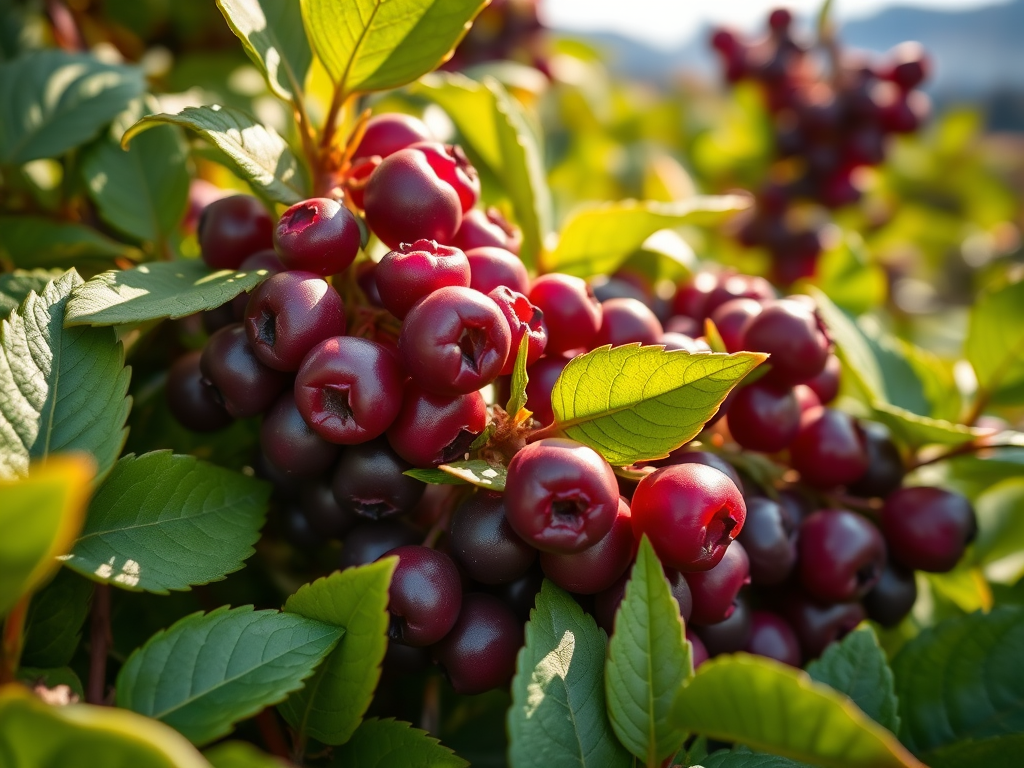
🍇 Huckleberry: A Wild Jewel of Culture and Healing
Huckleberries are more than just a wild berry—they’re a cultural icon and a medicinal powerhouse. Revered by Indigenous communities and celebrated in modern wellness circles, these vibrant berries offer a rich tapestry of tradition, nutrition, and healing.
Cultural Significance Huckleberries are honored in seasonal rituals in deeply symbolic and community-centered ways, especially among Indigenous peoples of the Pacific Northwest. Here’s how these rituals unfold:
🌾 Seasonal Rituals Honoring Huckleberries
🏞️ Sacred Harvest Journeys
Tribal Migrations: In late summer, tribes such as the Yakama, Nez Perce, and Umatilla would leave their villages and travel to high mountain meadows—like those on Mount Adams or Mount Hood—to gather huckleberries during their peak season.
Wiwnu Season: The berries, known as Wiwnu in Sahaptin, were considered a sacred food. The harvest season was a time of spiritual renewal and community gathering.
🔥 First Berry Ceremonies
Spiritual Offerings: Before picking began, a ceremonial offering was made to honor the land and the spirit of the berry. This often included prayers, songs, and the symbolic placement of the first berries back into the earth as a gesture of gratitude.
Cultural Protocols: Elders led the ceremonies, emphasizing respect for the plants, sustainable harvesting, and the interconnectedness of all life.
🧺 Gathering and Preservation
Communal Foraging: Families camped together for days or weeks, picking berries by hand and drying them on woven mats or cooking them into cakes for winter use.
Storytelling and Teaching: These gatherings were also times for passing down oral traditions, songs, and ecological knowledge to younger generations.
🌿 Symbolism and Legacy
Resilience and Adaptability: The huckleberry’s ability to thrive in rugged, acidic soils became a metaphor for Indigenous endurance and harmony with nature. Huckleberries were among the first plants to regrow after the 1980 Mount St. Helens eruption, symbolizing resilience and renewal.
Cultural Identity: For many tribes, huckleberries are more than food—they are a living link to ancestral lands, seasonal rhythms, and spiritual practices.
Indigenous Wisdom: Tribes such as the Salish, Kootenai, and Nez Perce have long gathered huckleberries for food, medicine, and ceremonial purposes. They were dried, traded, and honored in seasonal rituals.
Symbol of Loyalty: The phrase “I’m your huckleberry” reflects trust and readiness, rooted in 19th-century American slang and immortalized in literature and film.
Regional Pride: Idaho proudly claims the huckleberry as its state fruit, with annual festivals and culinary traditions that celebrate its rich legacy.
🩺 Medicinal Properties
Huckleberries are rich in anthocyanins, vitamin C, and fiber, making them a potent ally for health.
| Health Benefit | How It Helps |
|---|---|
| 🫀 Heart Health | Lowers blood pressure and LDL cholesterol |
| 🧠 Brain Function | Protects against cognitive decline |
| 🧬 Anti-Cancer | Polyphenols combat oxidative stress and inflammation |
| 🦠 Immunity | Boosts immune response with vitamin C and flavonoids |
| 🧻 Digestive Health | High fiber content supports gut balance |
| 🩹 Anti-Inflammatory | Eases symptoms of arthritis and chronic inflammation |
🔬 Science Spotlight: Medicinal Power of Huckleberries
Huckleberries aren’t just flavorful—they’re backed by science. Here’s what research reveals about their healing potential:
Cardiovascular & Metabolic Health
- Rich in anthocyanins and polyphenols, huckleberries help lower LDL cholesterol and regulate blood pressure.
- Their antioxidants improve endothelial function, reducing the risk of heart disease and stroke. → Kerec Food and Health
🧠 Brain & Eye Protection
- High in vitamins A, B, C, and lutein, huckleberries support cognitive function and protect against age-related eye conditions like macular degeneration. Kerec Food and Health
🧬 Anti-Inflammatory & Antioxidant Effects
- Their deep color comes from anthocyanins, which reduce oxidative stress and inflammation, key factors in aging and chronic disease. → Vitalibrary – Red Huckleberry Health Benefits
🩺 Blood Sugar Regulation
- Evergreen huckleberry (Vaccinium ovatum) leaf extract has shown potential in lowering blood sugar levels, supporting diabetes management. → USDA Plants Database – Evergreen Huckleberry Guide (PDF)
🍽️ Culinary & Practical Uses
- Preserves & Syrups: A staple in jams, jellies, and traditional syrups
- Herbal Teas: Leaves and berries brewed for immune and digestive support
- Savory Pairings: Adds depth to sauces for wild game, poultry, and root vegetables
⚠️ Who Should Avoid Huckleberries?
While huckleberries are generally safe and nutritious, certain individuals should exercise caution:
🚫 1. People with Allergies
- Some individuals may experience allergic reactions, including itching, swelling, or digestive upset.
- If trying huckleberries for the first time, start with a small amount to test for sensitivity. → Netmeds: Huckleberry Precautions
🚫 2. Those with Diabetes or Blood Sugar Sensitivity
- While huckleberries are relatively low on the glycemic index, overconsumption may still cause blood sugar fluctuations.
- Diabetics should monitor their intake and pair berries with protein or fiber-rich foods.
🚫 3. People with Sensitive Digestion
- High fiber content can cause bloating, gas, or diarrhea if consumed in large quantities or by those with sensitive stomachs. Read More@Huckleberry Side Effects
🚫 4. Avoid Unripe Berries
- Unripe huckleberries may contain mildly toxic compounds that can cause nausea or stomach upset.
- Always ensure berries are fully ripe before eating.
💊 Avoid Huckleberries with These Medications
While huckleberries are generally safe in food amounts, they may interact with certain medications. Here’s what to watch for:
🚫 1. Diabetes Medications
- Huckleberries (especially the leaves) can lower blood sugar.
- May intensify the effects of medications like:
- Metformin
- Insulin
- Glipizide, Glyburide, or other sulfonylureas 👉 Risk: Hypoglycemia (low blood sugar) → Netmeds: Huckleberry Precautions
🚫 2. Blood Thinners / Anticoagulants
- Huckleberries contain vitamin K and flavonoids that may affect blood clotting.
- May interfere with:
- Warfarin (Coumadin)
- Aspirin
- Clopidogrel (Plavix) 👉 Risk: Reduced drug effectiveness or increased bleeding
🚫 3. Iron Supplements
- Tannins in huckleberries may inhibit iron absorption.
- Avoid taking iron supplements at the same time. 👉 Tip: Space intake by at least 2 hours
🚫 4. Pre-Surgery Medications
Due to blood-thinning and blood sugar-lowering effects, huckleberries should be avoided 2 weeks before surgery.
Inform your healthcare provider if you consume them regularly.
Trusted Medical Sources on Huckleberries
1. VitaLibrary – Red Huckleberry Health Benefits
- Offers an in-depth analysis of red huckleberry’s phytochemical profile, including:
- Anthocyanins (antioxidant, anti-inflammatory)
- Flavonoids (immune-boosting, antiviral)
- Phenolic acids (metabolic support)
- Vitamin C (immune and skin health)
- Cites studies on cardiovascular, neuroprotective, and anti-cancer effects 🔗 Read the full article
2. NaturalPedia – Huckleberry Nutrients and Uses
- Highlights huckleberries as a source of vitamin C, fiber, and antioxidants
- Notes their role in immune support, cell protection, and infection prevention 🔗 NaturalPedia: Huckleberry Benefits
3. How to Ripe – 24 Proven Health Benefits of Huckleberry
- Lists traditional and modern uses, including:
- Antipyretic (fever-reducing)
- Diuretic (urinary tract support)
- Bone health, heart health, and male fertility regulation
- Discusses huckleberry’s role in respiratory and urinary health 🔗 HowToRipe: Huckleberry Health Benefits
4. EcoCraftyLiving – 13 Evidence-Based Benefits
- Covers huckleberries’ effects on:
- Heart health, cancer prevention, and diabetes management
- Brain function, skin health, and immune defense
- Emphasizes their polyphenol content and low glycemic impact 🔗 EcoCraftyLiving: Huckleberry Superfood Guide
5. Kerec Food and Health – Huckleberry Types and Side Effects
- Details nutritional content and potential drug interactions
- Notes caution for people on blood thinners, diabetes meds, or with iron absorption issues 🔗 Kerec: Huckleberry Uses and Side Effects
🔍 Did You Know?
Huckleberries are native to North America and grow wild in forested, mountainous regions, especially in the Pacific Northwest and Rocky Mountains. Because they’re difficult to cultivate, most huckleberries are foraged, not farmed.
Huckleberries are often confused with blueberries, but they grow wild in mountainous regions and have a more intense, tart flavor.
🔍 Huckleberries vs. Blackberries:
A Quick Comparison While they may look alike, huckleberries and blackberries differ in flavor, structure, and cultural significance. Here’s a side-by-side breakdown:
| Feature | Huckleberries (Vaccinium spp.) | Blackberries (Rubus spp.) |
|---|---|---|
| Botanical Family | Ericaceae (heath family) | Rosaceae (rose family) |
| Seed Texture | Gritty seeds (more noticeable when eaten) | Softer seeds, less gritty |
| Fruit Structure | Single-seeded berries (like blueberries) | Aggregate fruit made of drupelets (like raspberries) |
| Flavor Profile | Tart, intense, sometimes slightly bitter | Sweet-tart, more mellow |
| Growth Habit | Grows on small shrubs, often in high elevations | Grows on brambles or trailing vines |
| Cultural Role | Sacred in Indigenous rituals (e.g., Wiwnu ceremonies) | Widely cultivated and commercialized |
Their resilience in harsh climates mirrors the strength of the cultures that have cherished them for generations.
Where to Find Huckleberries in the U.S
🌲 Wild and Foraged
- Most huckleberries in the U.S. are wild, especially in the Pacific Northwest, Rocky Mountains, and parts of Montana, Idaho, Oregon, and Washington.
- They are not widely cultivated due to their complex growing requirements and long maturation period.
- Foraging is still the most common way to obtain them, especially during late summer (July–September).
🛒 Where to Buy
- Online Retailers:
- Northwest Wild Foods offers frozen wild huckleberries harvested in Washington.
- Foraged.com sells fresh and frozen huckleberries when in season.
- Grocery Delivery Services:
- Instacart occasionally lists huckleberries for delivery or pickup, depending on your location and season.
🧭 Seasonal Tip
Huckleberries are highly perishable and have a short shelf life, so they’re often sold frozen or as preserves outside of summer. Look for them at farmers’ markets, roadside stands, or specialty grocers during peak season. Huckleberries are typically in season from mid-July to early September, depending on elevation and region.
Little-Known Fact: Huckleberries Survived Mount St. Helens
When Mount St. Helens erupted in 1980, devastating the surrounding landscape, huckleberry bushes were among the few plant species to survive the blast zone. Their remarkable resilience allowed them to recolonize the slopes and become a symbol of ecological recovery in the Pacific Northwest.
This survival story mirrors the cultural symbolism of huckleberries among Indigenous communities—as a plant of resilience, renewal, and sacred continuity.
📝 Final Thoughts
Huckleberries are more than just a wild berry—they’re a cultural icon, a nutritional powerhouse, and a symbol of resilience. From sacred harvest rituals in the Pacific Northwest to cutting-edge research on antioxidants and blood sugar regulation, these berries bridge ancestral wisdom and modern wellness.
Whether you’re foraging in the wild, sipping huckleberry tea, or savoring a homemade preserve, you’re partaking in a tradition that honors healing, heritage, and harmony with nature.
🌿 Let the huckleberry remind us: the most powerful remedies often grow quietly in the wild—rooted in story, spirit, and soil.
⚖️ Disclaimer
This article is intended for educational and informational purposes only. It is not a substitute for professional medical advice, diagnosis, or treatment. Always consult with a qualified healthcare provider before making changes to your diet, especially if you are pregnant, nursing, taking medications, or managing a health condition.
 EJADA
EJADA 
Leave a comment