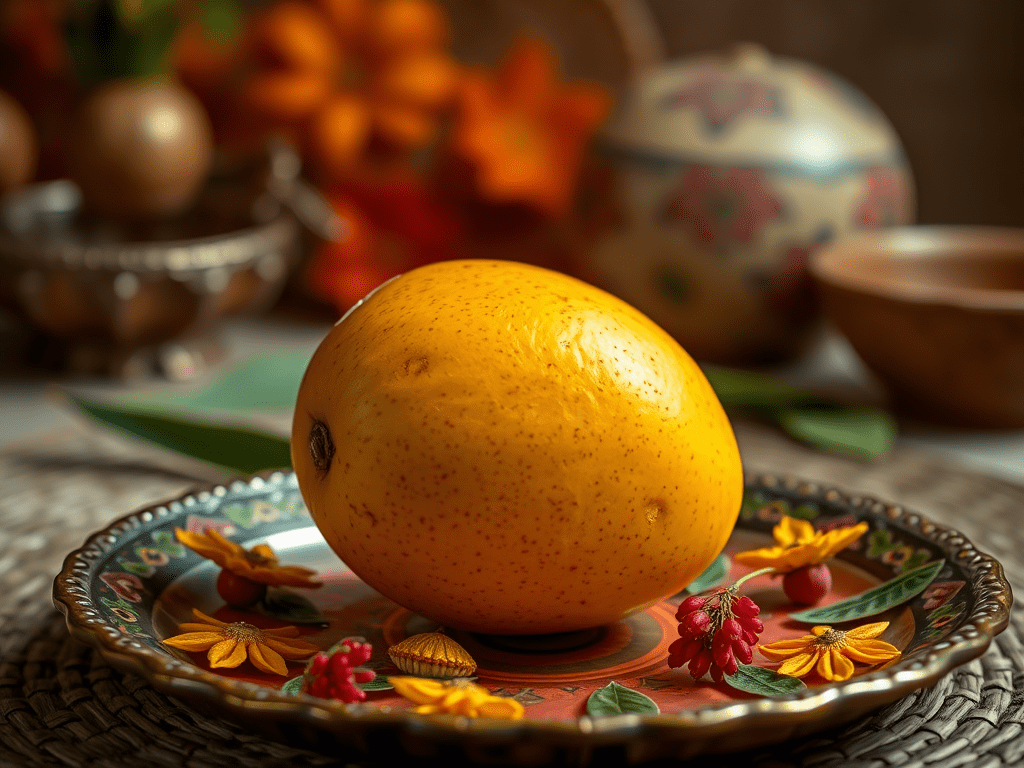
Historical Origins of the Himsagar Mango
The Himsagar mango traces its roots to the Murshidabad district of West Bengal, where it has been cultivated for centuries. Its original name, Khirsapati, is still used in parts of Bangladesh to refer to this fiberless, aromatic variety. Over time, cultivation spread to adjacent districts such as Malda, Nadia, and Hooghly in West Bengal, as well as Bihar and Odisha, due to the fruit’s exceptional taste and high market value.
Murshidabad’s association with mango cultivation dates back to the Mughal era, when Nawab Murshid Quli Khan established large orchards to promote the fruit, thereby cementing the region’s reputation for premium mango varieties. The tradition of grafting and selective breeding in these orchards fostered the development of Himsagar’s distinct characteristics—medium fruit size, smooth thin peel, and fiberless deep yellow-orange flesh.
The quest for intellectual property protection culminated in Himsagar receiving the Geographical Indication (GI) tag under India’s Geographical Indications Registry (G.I. Registration No. 112). This formal recognition not only safeguards the unique identity of Himsagar mangoes but also enhances the socio-economic status of growers in its native regions by preventing misuse of the name by unauthorised producers.
Cultural Significance
Role in Bengali Heritage and Festivals
In Bengali culture, Himsagar holds a revered place as the “champagne of mangoes,” symbolising summer’s bounty and hospitality. During festivals like Jamai Sasthi, mangoes are gifted to sons-in-law alongside vermilion and sweets to strengthen familial bonds and express gratitude to deities for prosperity. Similarly, fresh Himsagar slices adorn puja thalis during Durga Puja and Rath Yatra, underscoring its status as an auspicious offering in spiritual practices.
Literary References and Folklore
The quintessence of Bengal’s literary heritage is often enriched by Himsagar’s poetic allure. Renowned poets such as Rabindranath Tagore and Jibanananda Das extol its fragrance and sweetness to evoke nostalgia and the intensity of Bengali summers. Folklore frequently employs the mango tree as a metaphor for wisdom and joy, weaving love stories around Himsagar’s intoxicating aroma and fiberless pulp as symbols of unblemished devotion.
Culinary Uses in Bengali Cuisine
Himsagar’s fiberless texture and creamy consistency make it the ideal fruit for traditional Bengali delicacies. It is indispensable in preparing aam doi (mango yogurt) and mishit doi (sweet curd), where its pulp blends seamlessly with dairy to produce velvety desserts. Refreshing beverages such as aam panna (mango cooler) and aam mesele (mango-infused water) leverage Himsagar’s rich sweetness and aroma, offering relief from the summer heat while showcasing the mango’s culinary versatility.
Agricultural and Trade Impact
Cultivation Conditions and Agronomy
Himsagar thrives in tropical and subtropical climates, particularly in alluvial soils with good drainage and a slightly acidic pH. Optimal growth occurs at temperatures between 24 °C and 35 °C, with annual rainfall of 1,500 mm and distinct dry spells for flowering, followed by wet periods during fruit development. According to ICAR studies, medium-density planting and drip irrigation enhance yield, while organic mulch and pest-resistant rootstocks reduce disease incidence and boost fruit quality.
Impact in West Bengal
West Bengal accounts for a significant portion of India’s mango acreage, with districts like Malda, Murshidabad, and Nadia renowned for high-yield Himsagar orchards. However, adverse weather in 2024 led to a 60 % drop in production, pushing wholesale prices up by 50–80 % and hampering exports due to price disagreements with overseas buyers in the UK and UAE. Domestic demand remained robust, evidenced by 17 tonnes of Malda mangoes fetching ₹100–150/kg at the Delhi Mango Festival, highlighting strong local market resilience.
Impact in Bihar
In Sitamarhi, Bihar, farmers like Pappu Thakur have shifted to Himsagar cultivation, drawn by the variety’s consistent annual yields and high market prices of ₹250–333/kg in 2025. With organic manure and neem cake applications, yields of 4 – 6 tonnes/ha are typical, supporting incomes upwards of ₹4 lakh per hectare during peak season.
Impact in Odisha
Odisha’s mango sector, contributing 60 % of the state’s fruit cultivation, showcased Himsagar among other “Amber” varieties at a government exhibition in Bhubaneswar in May 2025. State initiatives in post-harvest management and FPO-led export facilitation boosted farmers’ incomes by over 60 %, with shipments reaching London, Dubai, and Belgium for the first time. Despite logistical challenges, improved grading, ripening chambers, and cold storage have enhanced Odisha’s role in the international mango trade.
Domestic Trade and Market Distribution
Within India, Himsagar dominates summer markets in Kolkata, New Delhi, and Mumbai, where local festivals like the Bengal Mango Utsav attract connoisseurs eager to sample over 40 varieties, including Himsagar’s golden pulp and smooth neck shape. Urban e-commerce platforms such as BongMela and BigBasket offer direct farm-to-door delivery, expanding rural producers’ reach to national consumers while ensuring authenticity and freshness.
Export Potential and International Trade
Indian mango exports reached US$48 million in April–August 2023, a 19 % increase year-on-year, with Himsagar among the four varieties pre-cleared by APHIS for the US market. APEDA’s global promotions in Brussels and Malaysia have spotlighted Himsagar alongside Banganapalli and Kesar, diversifying markets to Japan, New Zealand, and South Africa.
Economic Impact on Local Communities
Himsagar’s harvest season generates seasonal employment in harvesting, grading, and packing, with each hectare employing 40–50 workers during peak months. Orchard wages and farm gate prices support rural livelihoods, with farmers reinvesting in drip irrigation and organic certification to meet growing demand. E-tail partnerships with e-commerce platforms have delivered ₹2 – 3 crore in sales per campaign, bolstering village economies and enabling youth engagement in agro-entrepreneurship.
Challenges in Production and Trade
Key obstacles include climatic variability, pest resurgence (e.g., fruit flies, powdery mildew), and post-harvest losses due to inadequate cold chain infrastructure. The 2024 heatwave in Malda obliterated 60 % of the output, straining growers financially and disrupting export negotiations. Unpredictable airfare and container shortages have inflated export costs, pressuring pulp processors and reducing farmgate prices by ₹4–5/kg during off-cycles.
Comparison with Other GI-Tagged Mango Varieties
| Variety | Geographic Origin | Cultural Status | Economic Impact |
|---|---|---|---|
| Himsagar | Murshidabad, West Bengal | Bengali heritage icon | High domestic price, growing exports |
| Alphonso (Hapus) | Ratnagiri–Sindhudurg, Maharashtra | “King of Fruits” | Premium export revenue (US$ 3 M) |
| Dasheri | Malihabad, Uttar Pradesh | Historic orchards | Widespread retailer sales |
| Banganapalli | Andhra Pradesh | “Big B” of mangoes | Major e-commerce bestseller |
| Premium export revenue (US$3 M) | Malda, West Bengal | Largest, aromatic | Pulp processing, export to UAE |
| Langra | Bhagalpur, Bihar | Tangy-sweet staple | School of domestic markets (₹80/kg) |
| Kesar | Girnar, Gujarat | “Sweet Gold” | Saffron-like pulp yield |
| Fazli | Odisha | Export-oriented | €1–2/kg premium markets |
Key Takeaways
Himsagar mango’s fiberless, buttery flesh and fragrant sweetness have earned it the GI tag and entrenched its status in Bengali culture.
Climatic resilience through improved agronomic practices is essential to mitigate production risks in West Bengal, Bihar, and Odisha.
Domestic and global markets show robust demand, but logistical and infrastructure enhancements are critical for maximizing export potential.
Community economic development through seasonal employment, orchard income, and e-commerce partnerships underscores Himsagar’s impact on rural livelihoods.
By safeguarding traditional cultivation methods, investing in storage and transport, and promoting Himsagar through international channels, stakeholders can ensure this prized mango variety continues to thrive as a symbol of Bengal’s cultural and economic heritage.
References
1.en.wikipedia.orgHimsagar – Wikipedia
2. www.indiatoday.inMangoes from Bengal’s Malda get Geographical Indication tag from Centre
3. www.cnbctv18.comHimsagar mangoes bring sweet success to Sitamarhi farmers
4. tathya.inChouhan Boosts Odisha Mangoes | Tathya
5. www.telegraphindia.comMango Season | The mangoes of Bengal and how the fruit charmed Mughals …
6. www.ibef.orgIndia exported mangoes worth US$47.98 million in the first five … – IBEF
7. www.indiaspend.comThe changing temperature and erratic rainfall mean pests that were …
 EJADA
EJADA 
Leave a comment