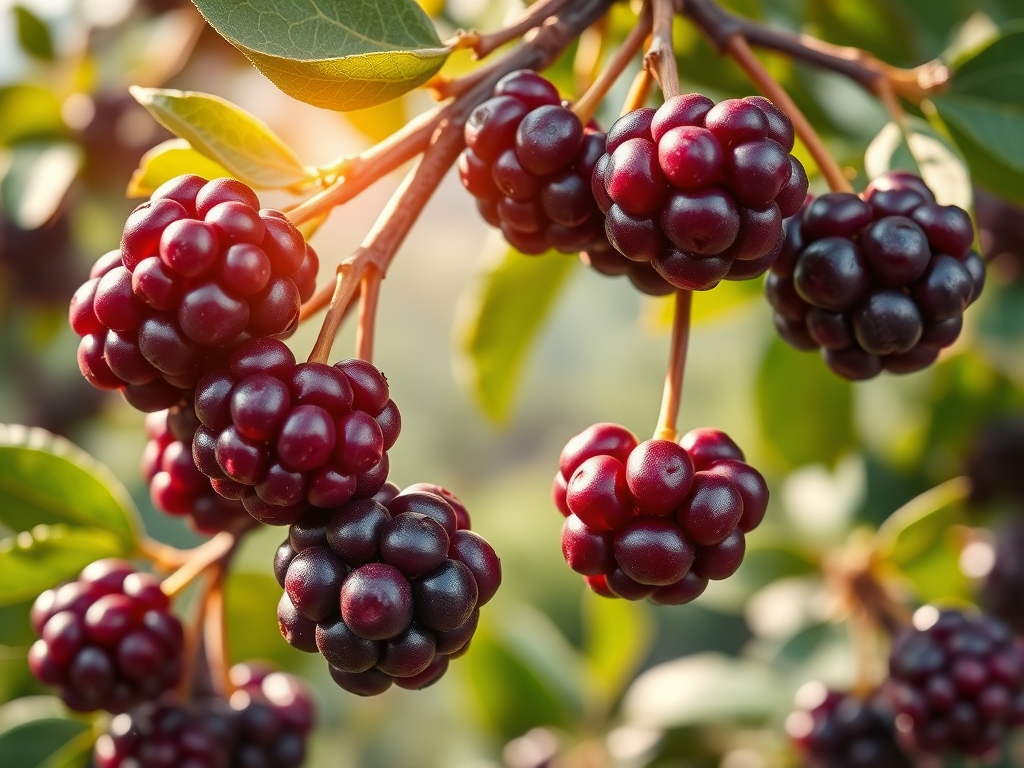
🌄 Himalayan Mulberries: Nature’s Mountain Jewel
Himalayan mulberries, scientifically known as Morus serrata, are a rare and nutrient-rich fruit native to the lofty terrains of the Himalayas. With their deep purple hue and lusciously sweet flavor, these berries are more than just a treat—they’re a powerhouse of wellness.
🧬 Nutritional Highlights
Rich in antioxidants like anthocyanins and resveratrol, which help combat oxidative stress
Iron: Among the highest of any berry, supporting healthy red blood cell production
Calcium: Boosts bone strength and helps nerve function
Vitamin C: Potent antioxidant that enhances immunity and skin health
Dietary Fiber: Promotes digestion and helps regulate blood sugar
Anthocyanins & Resveratrol: Powerhouse phytonutrients linked to heart, brain, and anti-inflammatory benefits
Good source of iron and potassium, aiding in blood health and muscle function
Packed with dietary fiber, promoting digestive wellness
🍽️ Culinary & Cultural Significance
Traditionally used in Ayurvedic and Tibetan medicine to support vitality and longevity
Enjoyed fresh, dried, or as a syrup in local Himalayan cuisines
A prized ingredient in jams, herbal teas, and fermented tonics
🌍 Availability in the United States
Fresh Shahtoot is rare in U.S. grocery stores due to its short shelf life and remote growing regions.
Look for frozen berries, freeze-dried powders, or specialty preserves from Himalayan importers.
Online retailers and health-food co-ops sometimes stock Himalayan mulberry powder—ideal for smoothies, baked goods, or herbal teas.
For adventurous growers, limited seeds and saplings can be purchased from specialty nurseries with cold-hardy varieties.
🛒 How to Source & Use
Frozen & Dry Forms
Add to oatmeal, yogurt bowls, or plant-based milks for an antioxidant boost.
Powders & Extracts
Stir into smoothies, salad dressings, or homemade energy bars.
Fresh (If You Can Find It!)
Use like traditional blackberries in jams, syrups, or cobblers.
Herbal Preparations
Steep dried mulberries in hot water for a vibrant, tonic-style tea.
🌿 Healing Legacy
In Indigenous Himalayan communities, these mulberries are revered not only for their taste but also for their adaptogenic properties, which are believed to help the body adapt to stress and high-altitude conditions. Their use in folk remedies for fatigue, anemia, and inflammation reflects a deep-rooted respect for nature’s pharmacy.
🧬 Antioxidant Powerhouse: Himalayan Mulberries
Himalayan mulberries are a nutritional marvel from the high-altitude regions of the Himalayas, revered for their potent antioxidant profile and therapeutic potential.
🌟 Key Antioxidants
These berries are loaded with compounds that neutralize free radicals and reduce oxidative stress:
Anthocyanins, responsible for their deep purple hue, protect cells from damage and support heart and brain health.
Resveratrol: A polyphenol also found in grapes, known for its anti-aging, anti-inflammatory, and cardioprotective effects.
Flavonoids: Broad-spectrum antioxidants that help reduce inflammation and support immune resilience.
Quercetin: A flavonol with antihistamine and anti-inflammatory properties, beneficial for allergies and immune modulation.
While Himalayan Purple Mulberries offer impressive nutrition, certain individuals should consult a healthcare professional before enjoying them.
Conditions and Populations to Monitor
Allergies: Risk of anaphylaxis, hives, skin rash, swelling, or breathing difficulties in sensitive individuals.
Digestive Sensitivities: High fiber, tannins, lectins, and oxalates may trigger cramps, bloating, or diarrhea when eaten in excess.
Kidney Stone: History: Oxalates in mulberries can contribute to kidney stone formation; those prone should limit raw intake.
Medication: Use Mulberry compounds may inhibit cytochrome P450 enzymes, altering drug metabolism and potentially leading to adverse interactions.
Blood Sugar Management: Mulberries influence glucose absorption and insulin sensitivity; people with diabetes or hypoglycemia should monitor levels closely.
Pregnant or Nursing Women & Children: Limited research on safety and dosing—professional guidance is recommended before adding large amounts to the diet.
Precautionary Measures
Introduce Gradually. Begin with small servings to gauge tolerance and watch for adverse reactions.
Stay Hydrated. Adequate water helps mitigate digestive discomfort and supports oxalate excretion.
Choose Cooked or Dried Forms. Processing can lower oxalate content and ease digestion.
Seek Professional Advice. Consult allergists, dietitians, or pharmacists—especially if you have preexisting health conditions or take prescription medications.
By following these guidelines, you can safely tap into the superfood benefits of Himalayan Purple Mulberries while minimizing potential risks.
Together, these antioxidants may help:
Reduce the risk of chronic diseases like heart disease, diabetes, and cancer
Protect skin from UV damage and premature aging
Support cognitive function and reduce neuroinflammation
Enhance recovery from physical stress or illness
🍊 Vitamin & Mineral Profile
| Nutrient | Function |
|---|---|
| Vitamin C | Boosts immunity, supports collagen synthesis, and enhances iron absorption |
| Vitamin K | Essential for blood clotting and bone mineralization |
| Vitamin A | Supports vision, skin health, and immune function |
| Iron | Vital for red blood cell production and oxygen transport |
| Potassium | Regulates blood pressure and supports muscle and nerve function |
| Calcium | Strengthens bones and teeth |
| Magnesium | Supports muscle relaxation, sleep, and metabolic health |
| Dietary Fiber | Aids digestion, regulates blood sugar, and supports gut microbiota |
🌿 Medicinal Properties in Traditional & Modern Contexts
🧠 Neuroprotective: Used in traditional Tibetan medicine to enhance memory and mental clarity
❤️ Cardiovascular: Resveratrol and potassium help lower blood pressure and improve circulation
🩺 Anti-diabetic: Flavonoids and fiber help regulate blood sugar and improve insulin sensitivity
🌙 Sleep & Mood: Contains natural melatonin and serotonin precursors, supporting restful sleep and emotional balance
🧘 Adaptogenic: Traditionally believed to help the body adapt to high-altitude stress and fatigue
READ MORE: Superfood Nutrition
The Himalayan Purple Mulberry, native to South Asia, is often called “Shahtoot” in Persian, meaning “fit for royalty.”
The versatile and drought-resistant mulberry plant produces these delectable and nutrient-rich berries, which have a characteristic deep purple color.
Not only are mulberries delicious, but they also have unmatched health benefits. Mulberries have some of the highest iron and calcium content of any berry, and provide copious amounts of Vitamin C. Their unique taste, versatility, and unmatched nutritional value position mulberries to be the next coveted superfood.
Final Thoughts
From their jewel-tone hue to their superfood credentials, Himalayan Purple Mulberries deliver a potent blend of iron, calcium, vitamin C, fiber, and phytonutrients—all in one versatile berry.
Whether you sprinkle powdered Shahtoot into your morning smoothie, stir fresh or frozen berries into yogurt, or steep them as a tonic-style tea, these mulberries can elevate both flavor and wellness in your daily routine.
Keep in mind the precautionary tips—start with small portions, stay hydrated, and consult a healthcare professional if you have allergies, kidney stones, or are on medication.
Ready to make Shahtoot your next kitchen staple? Experiment with a recipe, share your creations in the comments, and continue exploring the rich world of Himalayan superfoods!
 EJADA
EJADA 

Leave a comment