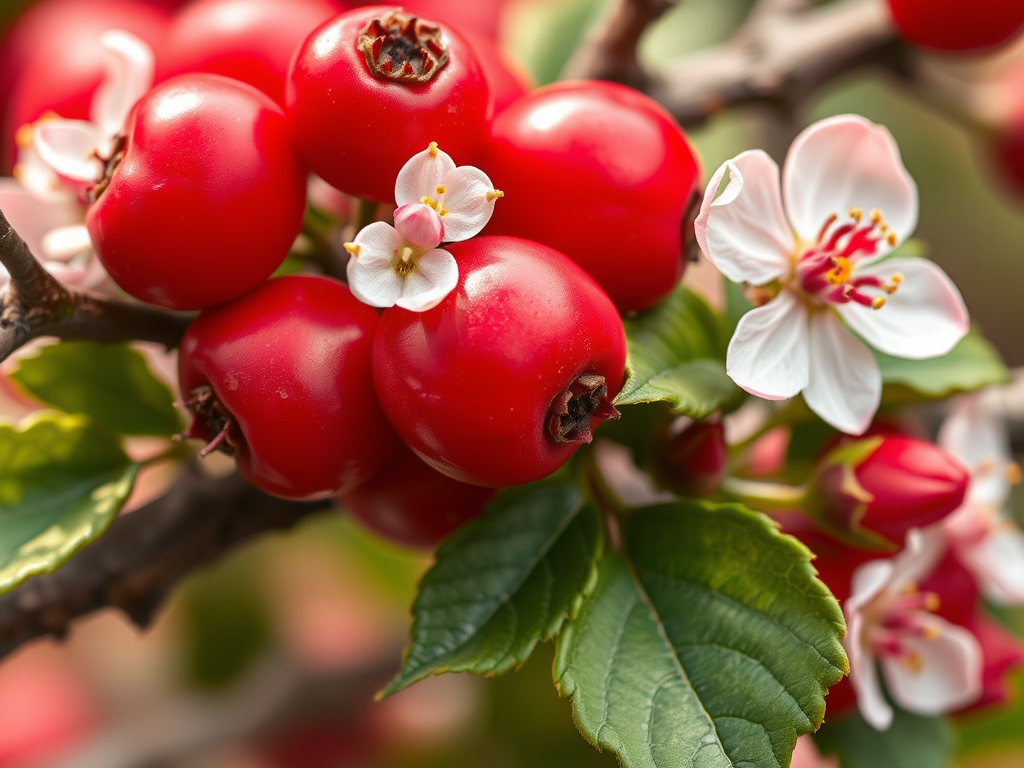
Here’s a comprehensive overview of the Hawthorn berry, blending its botanical background, medicinal uses, and cultural relevance:
🌿 Hawthorn Berry (Crataegus spp.)
🌍 Botanical & Geographic Origins
Genus: Crataegus, part of the rose family (Rosaceae)
Native Range: Europe, North America, and Asia
Common Names: May-tree, thornapple, quickthorn
Appearance: Small red (sometimes black or yellow) berries that grow on thorny shrubs or trees; blooms in spring with white, pink, or red flowers
🩺 Medicinal & Health Benefits
Hawthorn has been used for centuries in traditional medicine, especially for cardiovascular health:
| Benefit | Details |
|---|---|
| ❤️ Heart Health | Known as “the heart herb,” it supports circulation, strengthens the heart muscle, and may help with angina, high blood pressure, and heart failure3 |
| 🧬 Antioxidant Power | Rich in polyphenols and flavonoids that neutralize free radicals and reduce oxidative stress |
| 🔥 Anti-inflammatory | Animal studies show reduced inflammation in liver and respiratory conditions |
| 💉 Blood Pressure Regulation | Acts as a vasodilator, relaxing blood vessels and potentially lowering blood pressure |
| 🧠 Anxiety Relief | Traditionally used to calm the nervous system and reduce anxiety symptoms |
⚠️ Note: Hawthorn can interact with heart medications and blood pressure drugs. Always consult a healthcare provider before use.
🍒 Hawthorn Berry – Vitamin & Nutrient Profile (per 100g)
Nutrient Amount Function Calories 82 kcal Energy source Carbohydrates 22 g Fuel for the body Dietary Fiber 4 g Aids digestion Vitamin C 50 mg (≈55% DV) Immune support, antioxidant, collagen synthesis Vitamin A 50 IU Vision, skin health, immune function Antioxidants High (quercetin, catechins, OPCs) Reduce oxidative stress, support heart health 💡 DV = Daily Value based on a 2,000-calorie diet
🌟 Highlights:
- Vitamin C is the standout nutrient, making hawthorn berries a great natural immune booster and skin supporter.
- Antioxidants like quercetin and oligomeric proanthocyanidins (OPCs) contribute to cardiovascular and anti-inflammatory benefits.
- Vitamin A, though modest in amount, adds to its value for eye and skin health.
🍽️ Culinary & Traditional Uses
Edibility: The berries are tart-sweet and can be eaten raw or cooked.
Traditional Foods: Used in jellies, wines, syrups, and teas.
Cultural Use: In Chinese medicine, hawthorn has been used since at least 659 A.D. for digestion and heart health.
Native American Use: Tribes consumed the berries and used them for gastrointestinal and cardiac ailments.
🍽️ Edibility of Hawthorn Berries
✅ Safe to Eat
Raw: The ripe berries (usually red) are edible raw, though they have a tart-sweet flavor and a mealy texture.
Cooked: Commonly used in jellies, jams, syrups, wines, and teas.
Seeds: Should be avoided in large quantities as they contain amygdalin, which can release cyanide when metabolized, similar to apple seeds.
🍵 Traditional Culinary Uses
China: Used in hawthorn flakes, tanghulu (candied fruit), and digestive teas.
Europe: Made into wines, preserves, and even hawthorn ketchup.
North America: Indigenous groups used them in pemmican and medicinal stews.
⚠️ Caution
Unripe berries may cause mild stomach upset.
Overconsumption can lead to dizziness or hypotension due to its cardiovascular effects.
Interactions: May interact with heart or blood pressure medications—consult a healthcare provider if using therapeutically.
Who Should Avoid Hawthorn Berries
The following groups are generally advised not to consume hawthorn berries without medical supervision:
Children and Adolescents: Safety and efficacy in younger populations have not been established, so hawthorn use is not recommended for those under 18.
Pregnant or Breastfeeding Women: Hawthorn may stimulate uterine contractions, and there’s insufficient research on its effects during pregnancy or lactation.
Individuals with Low Blood Pressure: As a vasodilator, hawthorn can further lower blood pressure, risking lightheadedness, dizziness, or fainting in hypotensive persons:
Patients on Heart Medications Hawthorn: interacts with drugs like digoxin, beta-blockers, ACE inhibitors, calcium channel blockers, and nitrates—potentiating their effects and potentially causing dangerously low blood pressure or altered heart rate.
People Taking Anticoagulants or Antiplatelet Drugs: Its anticoagulant properties can amplify bleeding risk when combined with warfarin, aspirin, or similar therapies; discontinue hawthorn 1–2 weeks before surgery to reduce bleeding complications.
Individuals with Known Rosaceae Family Allergies; Those allergic to roses, apples, cherries, or related plants may experience allergic reactions, up to anaphylaxis, if they consume hawthorn products.
Always consult a healthcare provider before adding hawthorn to your regimen, especially if you fall into any of the above categories.
🌱 Growing & Harvesting
Habitat: Thrives in sunny, well-drained areas—often found on hillsides, river valleys, and open woods.
Harvest Time: Late summer to early fall, when berries are fully ripe and red.
Preservation: Can be dried for teas or tinctures, or frozen for later culinary use.
Hawthorn – WebMD Uses, Side Effects,
Final Thoughts
A Fusion of Tradition, Nutrition, and Flavor
A tart-sweet gem long celebrated in folk medicine and culinary traditions, the hawthorn berry (Crataegus spp.) offers robust health benefits, rich cultural stories, and versatile uses in the kitchen. This post dives into its vitamin profile, edible qualities, age-old heritage, and important safety notes.
Hawthorn berry stands at the crossroads of culinary tradition and evidence-based wellness. Its journey—from the hedgerows of ancient Europe and the Tang-dynasty apothecaries of China to modern kitchens and supplement aisles—underscores how a humble tart-sweet fruit can carry profound botanical, cultural, and medicinal narratives.
 EJADA
EJADA 
Leave a comment