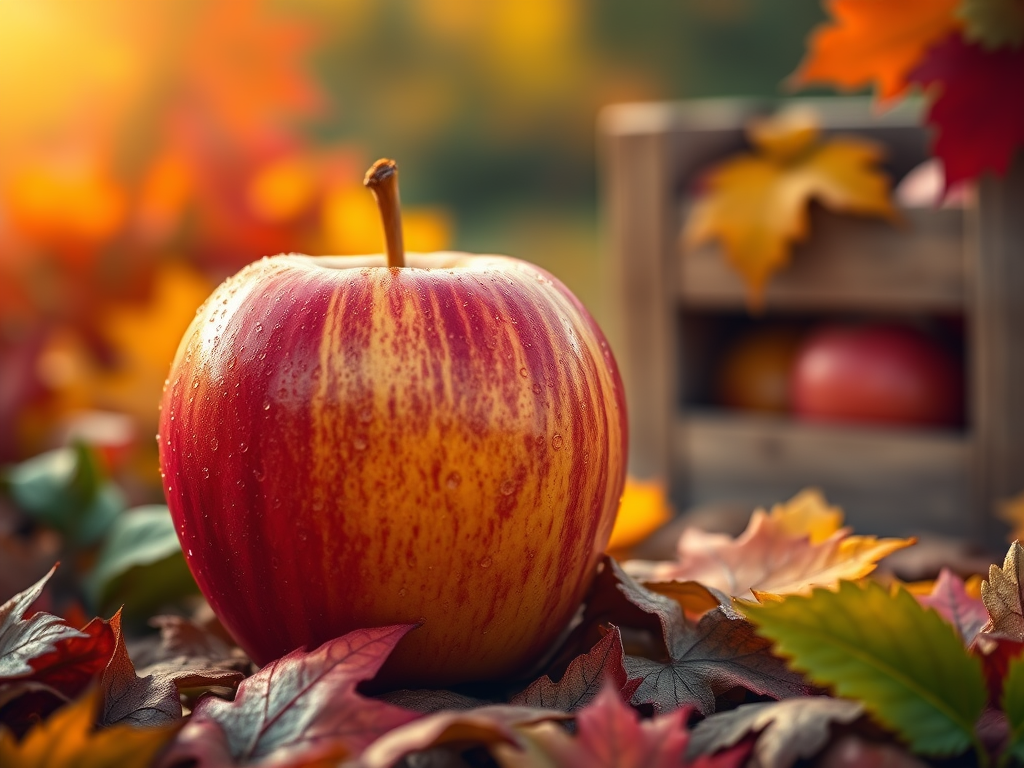
🍎 The Honeycrisp Apple: Cultivation Origins and Creators
The Honeycrisp apple, now a beloved staple in grocery stores, has a fascinating backstory rooted in scientific innovation and a bit of serendipity:
🌱 Origin & Development
Developed by: The University of Minnesota’s Horticultural Research Center, part of the Minnesota Agricultural Experiment Station.
Initial crossbreeding: Began in 1960 as part of a cold-hardy apple breeding program.
Key figures: Dr. David Bedford and Jim Luby led the development efforts.
Test designation: Originally labeled MN1711 in 1974.
Patented: In 1988 (U.S. Plant Patent 7197), with commercial release in 1991.
First consumer availability: Fall of 1997, when Pepin Heights Orchards brought it to market.
🧬 Genetic Lineage
Parentage: Initially believed to be a cross between Macoun and Honeygold, but later DNA testing revealed:
One parent was Keepsake (itself a hybrid of Frostbite and Northern Spy).
The other was an unreleased University of Minnesota variety, MN1627, descended from Duchess of Oldenburg and Golden Delicious.
🍏 Honeycrisp Apple: isn’t just a fan favorite for its juicy crunch and sweet-tart balance—it’s also a nutritional powerhouse. Here’s a breakdown of its health benefits and nutritional profile:
🧪 Nutritional Facts (per medium apple, ~200g)
| Nutrient | Amount | Benefits |
|---|---|---|
| Calories | ~95 kcal | Low-calorie, energy-boosting snack |
| Carbohydrates | ~25g | Natural sugars (fructose) for quick energy |
| Dietary Fiber | ~4.4g (16% DV) | Supports digestion, satiety, and blood sugar regulation |
| Sugars | ~19g | Naturally occurring, not added sugars |
| Protein | ~0.5g | Minimal, typical for fruit |
| Fat | ~0.3g | Virtually fat-free |
| Potassium | ~195mg (4% DV) | Helps regulate blood pressure and muscle function |
| Vitamin C | ~8mg (10–14% DV) | Boosts immunity, skin health, and wound healing |
| Calcium & Iron | Trace amounts | Supports bone and blood health |
🌿 Health Benefits
Heart Health: High in fiber and potassium, which support cardiovascular function.
Weight Management: Low in calories and high in fiber, helping you feel full longer.
Digestive Health: Soluble fiber aids in gut health and regularity.
Antioxidant Power: Contains polyphenols and vitamin C that combat oxidative stress.
Blood Sugar Regulation: Despite their sweetness, the fiber helps slow sugar absorption.
🍽️ How to Enjoy Honeycrisp Apples
Raw as a snack or salad topper
Baked into crisps, cobblers, or muffins
Sliced with nut butter or cheese
Juiced or blended into smoothies
Roasted with root vegetables or pork
Culturally Inspired Honeycrisp Apple & Date Chutney with Spiced Millet Flatbread
🌍 Cultural Roots
This recipe draws inspiration from North African and South Asian culinary traditions, where fruit-based chutneys and spiced flatbreads are staples. By using Honeycrisp apples, we add a crisp, modern twist to a time-honored pairing of sweet, savory, and spice.
🥣 Honeycrisp Apple & Date Chutney
Ingredients:
- 2 Honeycrisp apples, peeled and diced
- ½ cup Medjool dates, pitted and chopped
- 1 small red onion, finely chopped
- 1 tbsp grated fresh ginger
- 1 tsp mustard seeds
- ½ tsp ground cinnamon
- ¼ tsp cayenne pepper (optional)
- ½ cup apple cider vinegar
- 2 tbsp jaggery or brown sugar
- Pinch of salt
Instructions:
- In a saucepan, heat a splash of oil and toast mustard seeds until they pop.
- Add onion and ginger; sauté until soft.
- Stir in apples, dates, spices, vinegar, sugar, and salt.
- Simmer uncovered for 20–25 minutes, stirring occasionally, until thickened.
- Cool and store in a jar—flavors deepen after a day.
🍞 Spiced Millet Flatbread (Bajra Roti Twist)
Ingredients:
- 1 cup millet flour (bajra)
- ¼ cup whole wheat flour
- ½ tsp turmeric
- ½ tsp carom seeds (ajwain)
- Warm water, as needed
- Salt to taste
Instructions:
- Mix dry ingredients, then slowly add warm water to form a soft dough.
- Divide into small balls, roll out gently, and cook on a hot skillet until golden on both sides.
- Brush with ghee or olive oil if desired.
🧠 Why It Works Nutritionally
- Honeycrisp apples: High in fiber and vitamin C, with a low glycemic load.
- Dates: Natural sweetness, rich in potassium and antioxidants.
- Millet: Gluten-free, high in magnesium and protein.
- Spices: Anti-inflammatory and digestion-boosting.
📊 Who Should Avoid or Limit Honeycrisp Apples?
| 🚫 Group | ⚠️ Reason | ✅ Safer Alternatives |
|---|---|---|
| Allergy sufferers (OAS) | Cross-reactivity with birch pollen proteins | Cooked apples, pears, or tropical fruits |
| Sensitive stomachs | High fiber and acidity may cause bloating or discomfort | Bananas, papaya, or steamed apples |
| Fructose malabsorption | Apples are high in fructose, which can trigger IBS symptoms | Berries, citrus, or kiwi |
| Pesticide-conscious eaters | Conventionally grown apples may carry pesticide residues | Organic apples or thick-skinned fruits |
| Diabetics | High natural sugar content can spike blood glucose | Pair with nuts or choose lower-GI fruits |
📝 Pro Tip for EJADA Readers:
Encourage mindful eating by pairing Honeycrisp apples with protein (like almonds or yogurt) to slow sugar absorption and enhance satiety.
“You know the age-old health aphorism: ‘An apple a day keeps the doctor away.” Although no one food can keep disease at bay, apples are nutritious fruits that may help your weight-loss efforts and offer a variety of other health benefits. But should you really be eating an apple a day, or is it possible to get too much of a good thing and turn the advantages into disadvantages?”
🏆 Legacy
Purpose: Bred not for storage or shipping, but for taste—a crisp texture with a balance of sweetness and acidity.
Recognition: It became the official state fruit of Minnesota and one of the top five most-produced apple varieties in the U.S.
🍏 Final Thoughts: The Honeycrisp Apple in a Global Wellness Context
From its Midwestern roots at the University of Minnesota to its global appeal in kitchens and markets, the Honeycrisp apple is more than just a fruit—it’s a symbol of innovation, flavor, and health. Its crisp texture and balanced sweetness make it a favorite across cultures, while its nutritional profile supports digestion, heart health, and immunity.
Yet, like all foods, it’s not for everyone. Whether due to allergies, digestive sensitivities, or dietary restrictions, understanding who should avoid or limit Honeycrisp apples empowers readers to make informed, inclusive choices.
By pairing this modern cultivar with traditional ingredients—like dates, millet, or warming spices—we bridge the gap between science and heritage, creating recipes that nourish both body and story.
 EJADA
EJADA 
Leave a comment