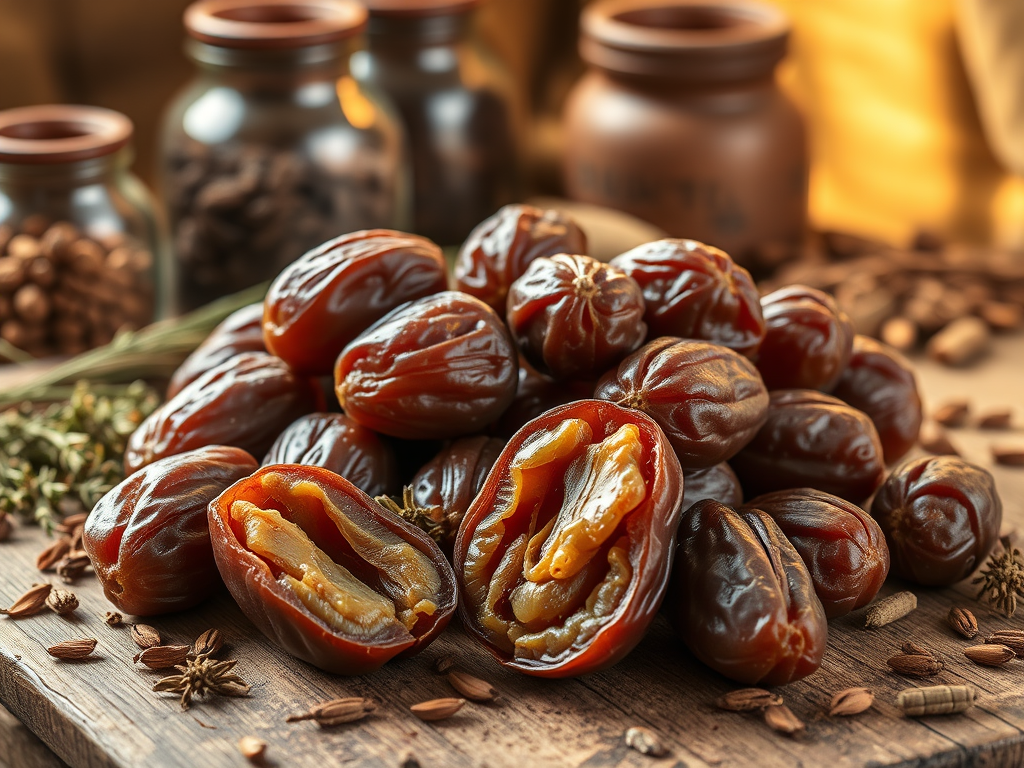
Halawi dates trace their roots to the sunbaked deserts of southern Iraq—once part of the Ottoman Empire—where they’ve been cherished for centuries for their rich, caramel-like sweetness and cultural significance. Their name—Halawi (حلاوي)—means “sweet” in Arabic, reflecting their rich, caramel-like flavor.
🏺 Medicinal Uses of Halawi Dates in the Ottoman Context
1. Digestive Health
Dates were commonly prescribed to soothe the digestive tract, relieve constipation, and support gut health due to their high fiber content.
Halawi dates, being semi-soft and rich in soluble fiber, were likely used in laxative preparations or eaten whole to regulate digestion.
2. Energy Restoration
Physicians in the Ottoman Empire often recommended dates to restore vitality in the sick or fasting, especially during Ramadan.
Halawi’s natural sugars (glucose, fructose, sucrose) made them ideal for quick energy recovery without causing a sugar spike.
3. Wound Healing & Immune Support
Dates were believed to support wound healing and boost immunity, possibly due to their antioxidant and anti-inflammatory properties.
The zinc, iron, and flavonoids in Halawi dates would have contributed to these effects.
4. Reproductive and Hormonal Health
In traditional medicine, dates were used to support fertility and hormonal balance, especially in women.
Halawi dates contain phytoestrogens, which may have been used to ease symptoms of menopause or regulate menstrual cycles.
🧪 Ottoman Medical Practice & Date Integration
The Ottoman medical system blended Greco-Arabic (Unani) traditions with local herbal knowledge. Dates were often included in syrups, tonics, and electuaries (medicinal pastes).
Medicines like Tiryak al-Faruq and Tiryak al-Arbaa—complex antidotes and tonics—were prepared with dozens of ingredients, and dates may have served as a base or binder due to their sticky texture and preservative qualities.
Dates were also used in convalescent diets—soft, nourishing foods given to the ill or elderly to rebuild strength.
Origin: Southern Iraq, likely cultivated for centuries as part of the region’s deep-rooted date palm agriculture
Halawi dates are celebrated not only for their rich, buttery flavor but also for their impressive medicinal and nutritional benefits. Their therapeutic uses align with both traditional wisdom and modern nutritional science.
🧪 Nutritional Snapshot
Natural Sugars: Glucose, fructose, sucrose
Vitamins: A, B6, K
Minerals: Potassium, calcium, magnesium, phosphorus
Bioactives: Flavonoids, catechins, phytoestrogens
🌱 Historical Cultivation
First Global Expansion: Introduced to California in 1913, where they adapted well to the arid climate and became part of the U.S. date industry
Adaptability: Thrives in both humid and dry climates, now also grown in Egypt, Israel, India, and Arizona
🌴 Key Characteristics of Halawi Dates
Color & Texture: Honey-amber hue with a thin skin and chewy, sticky flesh
Flavor Profile: Rich, buttery, and caramel-like—often compared to pecan pie without the added sugar
Size & Shape: Medium-sized with an elongated oval shape
Moisture Level: Semi-dry, making them less sticky than Medjool dates but softer than Deglet Noor.
🥗 Culinary Uses
Snacking: Delicious on their own or dipped in yogurt
Charcuterie Boards: Pair beautifully with salty cheeses and cured meats
Desserts: Can be chopped into fruit salads, stuffed with cream cheese and pistachios, or made into date syrup as a natural sweetener
Baking: Their caramel notes make them ideal for sweet breads, energy bites, or even as a sugar substitute
💪🌿 Halawi Dates: A Sweet Path to Wellness
🧘♀️ Modern Medicinal Benefits
Introduce this section after your “Nutritional Benefits” block to deepen the health narrative.
Halawi dates aren’t just delicious—they’re functional foods. Rich in fiber, antioxidants, and essential minerals, they support:
Digestive health: Natural fiber eases digestion and promotes gut balance
Heart health: Potassium and flavonoids help regulate blood pressure and reduce inflammation
Hormonal balance: Phytoestrogens may ease menopausal symptoms and support reproductive health
Bone strength: Calcium and magnesium contribute to bone density
Cognitive clarity: B vitamins and antioxidants nourish the brain
🧪 Proven Medical Benefits of Halawi Dates
| Health Benefit | Scientific Basis |
|---|---|
| Digestive Health | High in dietary fiber, which promotes regular bowel movements and prevents constipation. |
| Heart Health | Contain catechins and antiatherogenic compounds that help lower cholesterol and reduce cardiovascular risk. |
| Hormonal Balance | Rich in phytoestrogens, which may help regulate estrogen levels and ease menopausal symptoms. |
| Bone Strength | Provide calcium, magnesium, and phosphorus, essential for bone density and preventing osteoporosis. |
| Energy Boost | Natural sugars (glucose, fructose, sucrose) offer both immediate and sustained energy, ideal for workouts or fatigue. |
| Cognitive Support | Contain vitamin B6, which supports neurotransmitter function and brain health. |
| Anti-aging & Longevity | High in antioxidants like catechins, which combat oxidative stress and may slow cellular aging. |
🧘♀️ Wellness Insight:
Regular consumption of Halawi dates—about 2–3 per day—can support a balanced lifestyle, especially when paired with protein or healthy fats.
“Let food be thy medicine,” as the ancients said—Halawi dates embody that wisdom.
🌙 Spiritual Nourishment & Ritual Use
This section can follow the medicinal one to bridge physical and spiritual wellness.
In Islamic tradition, dates are more than sustenance—they’re sacred.
Breaking the fast: Following the Sunnah, Muslims break their fast with dates, symbolizing purity and renewal
Symbol of barakah: Shared during Eid, weddings, and funerals as a gesture of divine blessing
Spiritual protection: Eaten with intention, dates are believed to bring balance and healing
Charitable giving: Dates are often given as sadaqah, embodying compassion and community care
“Whoever has dates, let him break his fast with them.” — Prophet Muhammad ﷺ
✨ Wellness Tip: Mindful Snacking
Encourage readers to incorporate Halawi dates into their daily rituals:
Try eating 3 Halawi dates in the morning with warm water and a moment of gratitude. It’s a nourishing way to start your day, physically and spiritually
Halawi dates are more than just sweet treats—they’re packed with:
Dietary Fiber: Supports digestion
Potassium: Helps regulate blood pressure
Iron & B-Vitamins: Boost energy and red blood cell production
Antioxidants & Flavonoids: Combat oxidative stress and inflammation
Halawi dates—like other varieties of dates—carry spiritual significance, particularly within the Islamic tradition, where dates are revered not only for their nourishment but also for their symbolic and ritual value.
The vitamins found in Halawi dates, based on both your EJADA post and external nutritional sources:
🍊 Vitamin Profile of Halawi Dates
| Vitamin | Function |
|---|---|
| Vitamin A | Supports eye health, immune function, and skin regeneration |
| Vitamin B6 | Aids in brain development, hormone production, and energy metabolism |
| Vitamin K | Essential for blood clotting and maintaining bone density |
| Folate (B9) | Supports cell division and is especially important during pregnancy |
| Niacin (B3) | Helps convert food into energy and supports nervous system health |
| Riboflavin (B2) | Supports cellular function and antioxidant activity |
🧠 Why These Vitamins Matter in Wellness
Vitamin A and B6 contribute to cognitive clarity and emotional balance—perfect for a wellness-focused lifestyle.
Vitamin K and magnesium (also present in Halawi dates) support bone strength, especially important for aging populations.
B-complex vitamins help regulate mood, energy, and stress response, making Halawi dates a natural ally for mental wellness.
🌙 Spiritual Uses of Halawi Dates (and Dates in General)
1. Breaking the Fast (Iftar)
Dates are traditionally used to break the fast during Ramadan, following the Sunnah (practice) of the Prophet Muhammad ﷺ.
The Prophet said: “When one of you is fasting, let him break his fast with dates; but if he cannot get any, then with water, for water is purifying.” — Sunan al-Tirmidhi, Book 25, Hadith 696
While Ajwa dates are most often mentioned in hadith, Halawi dates are also used for this purpose due to their natural sweetness and gentle digestion.
2. Symbol of Barakah (Blessing)
Dates are considered a food of barakah (divine blessing). Sharing them during religious gatherings or as gifts is seen as a way to spread goodwill and spiritual reward.
In many Muslim cultures, Halawi dates are offered at weddings, funerals, and religious holidays like Eid.
3. Spiritual Protection
Though Ajwa dates are specifically mentioned in hadith for protection against harm, all dates—including Halawi—are consumed with the intention of healing and spiritual strength.
Some traditions hold that eating an odd number of dates (e.g., 3, 5, or 7) brings balance and harmony to the body and soul.
4. Sadaqah (Charitable Giving)
Dates are often given as sadaqah (charity), especially during Ramadan or to those in need. Their portability, shelf life, and energy density make them ideal for this purpose.
🕊️ Cultural-Spiritual Practices
Palm branches and dates are used in various Middle Eastern and North African rituals to symbolize peace, prosperity, and divine favor.
In Sufi traditions, dates may be shared during dhikr (remembrance) gatherings as a symbol of unity and spiritual nourishment.
⚠️ Can Everyone Eat Halawi Dates?
Most people can safely enjoy Halawi dates, but there are a few important considerations for specific groups.
✅ Generally Safe For:
Most healthy adults and children
Vegetarians and vegans (they’re plant-based and unprocessed)
People with gluten intolerance (naturally gluten-free)
Those seeking natural sweeteners (lower glycemic impact than refined sugar)
⚠️ Use With Caution If You Have:
| Condition | Why to Be Cautious |
|---|---|
| Diabetes or insulin resistance | While Halawi dates have a lower glycemic index than some varieties, they still contain natural sugars. Stick to 2–3 dates per serving and pair with protein or fiber to reduce sugar spikes. |
| IBS or sensitive digestion | High fiber and natural sugars (like fructose) may cause bloating or discomfort in some individuals. Start with small amounts. |
| Allergies to date palm pollen | Why Be Cautious |
| Chronic kidney disease | Dates are high in potassium, which may need to be limited in advanced kidney conditions. Consult a healthcare provider. |
🧘♀️ Wellness Tip:
For mindful eating, enjoy 3 Halawi dates with a handful of nuts—this balances blood sugar and enhances satiety.
🌴 U.S. Growing Regions
California’s Coachella Valley and Arizona’s Dateland are the primary regions where Halawi dates are cultivated in the U.S.
These areas replicate the hot, arid climate of southern Iraq, where Halawi dates originated.
Halawi dates are available in the United States, and you have several great options for sourcing them:
🛒 Where to Buy Halawi Dates in the U.S.
| Retailer | Details | Link |
|---|---|---|
| Dateland Date Gardens (Arizona) | Grows Halawi dates domestically and ships fresh to customers. Known for quality and authenticity. | Dateland Date Gardens |
| Nuts.com | Offers Halawi dates by the pound. Highly rated for freshness and flavor. Ships nationwide. | Nuts.com Halawi Dates |
| Amazon | Carries Halawi dates from various sellers. Be sure to check for freshness and origin. | Amazon Halawi Dates |
Halawi Dates as a Bridge Between Past and Present
From the sun-soaked groves of southern Iraq to modern wellness kitchens across the globe, Halawi dates offer more than sweetness—they carry stories of tradition, healing, and spiritual nourishment. Whether you’re savoring them during Ramadan, blending them into energy bites, or embracing their medicinal benefits, Halawi dates invite us to reconnect with nature’s wisdom.
“In every bite, a memory of the desert. In every tradition, a seed of wellness.”
So next time you reach for something sweet, let it be a Halawi date—where flavor meets function, and heritage meets health.
 EJADA
EJADA 
Leave a comment