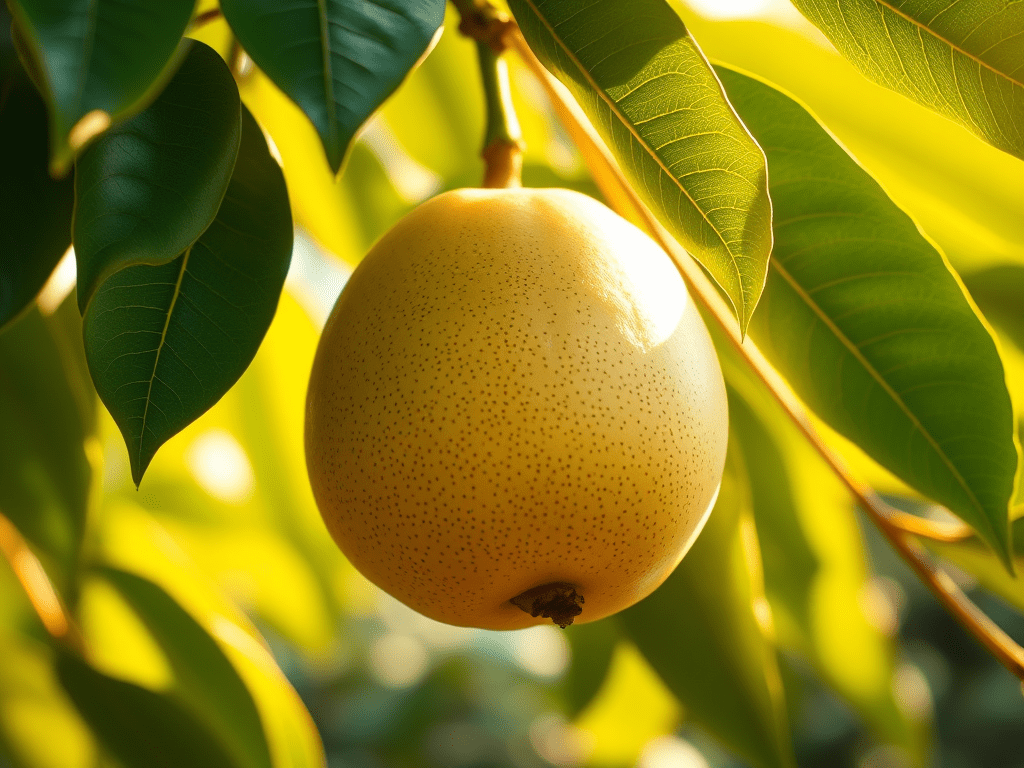
The name guava has rich linguistic and cultural roots that trace back to the Indigenous peoples of the Caribbean:
🌿 Etymology of “Guava”
Origin: The word guava comes from the Spanish word “guayaba”, which itself was derived from the Taíno word “guayaba”, meaning “guava tree.”
Language Lineage:
Taíno (Arawakan language) → guayaba (tree)
Spanish → guayaba (fruit)
English → guava
This linguistic journey reflects the fruit’s early significance in the Caribbean and tropical Americas, where it was cultivated and revered long before European contact.
🍈 What Does the Name Symbolize?
Warmth & Nature: The name evokes imagery of sunshine, lush landscapes, and tropical life.
Literal Meaning: Refers to the tropical fruit of the Psidium guajava tree.
Symbolic Associations:
Fertility & Abundance: In many Indigenous and tropical cultures, guava symbolizes prosperity, sweetness, and vitality.
🌍 Where Was Guava Discovered?
Native Region: Guava (Psidium guajava) is native to the tropical Americas, specifically:
Southern Mexico
Central America
Northern South America
Cultural Roots: It was highly valued by Mayan, Aztec, and Incan civilizations, who used not only the fruit but also the leaves and bark for medicinal and spiritual purposes.
🕰️ When Was Guava First Cultivated?
Earliest Evidence: Archaeological findings in Peru suggest guava cultivation as early as 2500 BCE.
Historical Mentions:
A Spanish chronicler recorded the first European encounter with guava in 1526 on the island of Hispaniola (modern-day Haiti).
Guava was introduced to the Philippines and India by Spanish and Portuguese explorers in the 16th century and later spread to Africa and Southeast Asia.
🍈 What Is Guava?
Botanical Identity: Guava belongs to the Myrtaceae family and is scientifically known as Psidium guajava.
Fruit Characteristics:
Typically round or oval, with green to yellow skin and pink or white flesh.
Rich in vitamin C, fiber, and antioxidants.
Cultural Significance:
Used in rituals, folk medicine, and culinary traditions across Latin America, Asia, and Africa.
Symbolized fertility, abundance, and protection in ancient cultures
🌟 Little-Known Facts About Guava
🍃 Botanical & Cultural Curiosities
Guava leaves were used by ancient civilizations to treat wounds and infections. Today, they’re still brewed into teas for diabetes, weight loss, and immunity.
In Philippine mythology, guava was once considered forbidden—until a child prayed to the gods to make it edible to help a beggar.
Guava is the national fruit of Pakistan, symbolizing health and prosperity.
In Colombia, guava paste (bocadillo) is traditionally paired with cheese and bread—a sweet-savory combo beloved for centuries.
Ritual and Spiritual Uses of Guava
🌿 1. Cleansing & Protection
- Guava leaves are widely used in spiritual baths, smudging, and infusions to:
- Cleanse the aura
- Remove spiritual impurities
- Ward off evil spirits and negative energy
- In Afro-Caribbean and African spiritual practices, guava leaves are placed in homes or carried as protection charms.
🛐 2. Offerings & Devotion
- In Hinduism, guava is associated with Lord Ganesha, the remover of obstacles. Offering guava is believed to bring wisdom and clarity.
- In Latin American traditions, guava fruit and leaves are used in gratitude rituals and offerings to deities, symbolizing abundance and fertility.
🌙 3. Dreamwork & Divination
- In Caribbean folklore, placing guava leaves under one’s pillow is believed to induce prophetic dreams or spiritual messages.
💰 4. Prosperity & Fertility Rituals
- Guava’s many seeds symbolize fertility, prosperity, and new beginnings.
- In Chinese culture, guava represents longevity and good health, and is sometimes used in rituals for family well-being.
🧘♀️ 5. Meditation & Energy Work
- Practitioners use guava fruit or leaves during meditation to attract abundance, emotional healing, and spiritual clarity.
- The fragrance of guava is believed to uplift energy and promote inner peace.
✨ Symbolic Meanings of Guava
| Element | Spiritual Symbolism |
|---|---|
| Fruit | Joy, abundance, fertility |
| Seeds | New beginnings, prosperity |
| Leaves | Protection, purification, healing |
| Fragrance | Upliftment, clarity, spiritual cleansing |
| Color (pink/green) | Vitality, heart energy, growth |
📚 Sources
American Indian Health Database
Wisdom of the Spirit – Spiritual Meaning of Guava
Spiritual File – Guava Leaves for Cleansing
Spiritual Mojo – Guava Fruit Symbolism
🌱 Botanical Oddities
Guava trees can live up to 40 years and grow as tall as 20 feet, bearing fruit in just 2–4 years.
The leaves produce a black pigment used in traditional textile dyeing.
There are over 150 varieties of guava, with skin colors ranging from green to yellow to pink, and flesh that can be white, pink, or red.
🧪 Nutritional Superpowers
Guava contains 4x more vitamin C than an orange and 4x more fiber than a pineapple.
The seeds—often swallowed whole—can number between 100 to 500 per fruit.
Guava is sometimes called the “poor man’s apple” due to its affordability and dense nutritional value.
🔥 Culinary & Crafty Uses
Guava wood is prized for smoking meats, imparting a sweet, aromatic flavor.
In El Salvador, guava wood is used to make hair combs.
Guava is used to make natural dyes, producing hues from yellow to pink.
🌍 Global Footprint
The largest guava plantation is in Dom Eliseu, Brazil.
In India, over 27,000 tons of pink guava are harvested annually.
In Mexico, guava is a key ingredient in punch, a traditional Christmas punch
Guava’s medicinal use dates back thousands of years and is deeply embedded in the traditional healing systems of Indigenous cultures across the Americas. Here’s a detailed look at when and how guava was first used medicinally:
🕰️ When Was Guava First Used Medicinally?
Earliest Use: Guava’s medicinal use likely began around 2500 BCE, coinciding with its early cultivation in Peru and Central America.
Indigenous Traditions:
Aztecs, Mayans, and other Native American groups used guava leaves, bark, and fruit to treat wounds, digestive issues, and respiratory ailments.
In Peru, guava leaf decoctions were used for gastroenteritis, dysentery, and throat inflammation.
Global Spread:
By the 16th century, Spanish and Portuguese explorers had adopted guava for its medicinal properties and introduced it to India, the Philippines, and Africa, where it was quickly integrated into Ayurvedic and Traditional Chinese Medicine3.
🌿 Traditional Medicinal Uses of Guava
| Part Used | Traditional Use |
|---|---|
| Leaves | Anti-diarrheal, anti-inflammatory, antimicrobial, diabetes management |
| Fruit | Anti-diarrheal, anti-inflammatory, antimicrobial, and diabetes management |
| Bark & Roots | Astringent for wounds, ulcers, and skin infections |
| Tea (Leaves) | Used in Latin America, India, and Southeast Asia for treating colds, diarrhea, and menstrual pain |
Ayurveda: Guava is used to balance Pitta and Kapha, improve digestion, and treat skin disorders.
Traditional Chinese Medicine: Guava is used to clear heat, stop diarrhea, and balance Qi.
🧪 Modern Validation
Scientific studies have confirmed many of these traditional uses:
Antidiarrheal: Flavonoids like quercetin in guava leaves inhibit intestinal pathogens.
Antidiabetic: Leaf extracts reduce blood sugar and improve insulin sensitivity.
Antimicrobial: Effective against bacteria like E. coli, Staphylococcus, and Salmonella
Some well-documented sources support the historical and medicinal origins of guava:
📚 Citations for Guava’s Discovery and Medicinal Use
🧭 Discovery & Domestication
Origin: Genetic and archaeological evidence suggests guava (Psidium guajava) was first domesticated in the Brazilian Amazon, spreading to the Peruvian Andes, Central America, and Mexico.
Earliest Cultivation: Archaeological remains place guava in Peru by 2500 BCE, and in Mexico by 200 BCE.
European Encounter: The first recorded European encounter with guava was in 1526 on the island of Hispaniola (modern-day Haiti).
🌿 Medicinal Use
Indigenous Use: Guava was traditionally used by Indigenous peoples of the Americas to treat diarrhea, infections, dental issues, and heart problems.
Global Spread: After its introduction to Asia and Africa in the 16th century, guava was incorporated into Ayurvedic, Traditional Chinese, and African traditional medicine systems.
Modern Validation: Scientific studies confirm guava’s antidiarrheal, antimicrobial, and antidiabetic properties, especially from its leaves and bark
🔗 Sources
The Taming of Psidium guajava: Natural and Cultural History of a Neotropical Fruit – Frontiers in Plant Science
Genetic Analyses Reveal Amazonian Origin of Guava Domestication – Nature Scientific Reports
American Indian Health Database – Guava
Plant of the Month: Guava – JSTOR Daily
More Guava Health Benefits @ WebMD
(“Guava is loaded with nutrients. Not only does it have more vitamin C than oranges, but guava is also rich in other antioxidants and has been shown to have a number of health benefits. Here are just a few of the benefits of eating this tropical fruit.
Improve digestion
One of the key nutrients found in guava is fiber. Fiber has been shown to help with digestion by both solidifying and softening stool. This can ease the symptoms of both diarrhea and constipation.
Studies also show that guava leaf extract can help reduce the intensity and duration of diarrhea. People with certain digestive disorders, including irritable bowel syndrome, may benefit from adding guava to their diet.” )
Guava is a powerhouse of essential vitamins and minerals, each contributing uniquely to your health. Here’s a breakdown of the key vitamins found in guava and how they benefit the body:
🍊 Vitamin C (Ascorbic Acid)
Amount: One guava contains up to 228 mg, over 380% of the daily value.
Benefits:
Boosts immune function by enhancing white blood cell activity.
Acts as a powerful antioxidant, protecting cells from oxidative stress.
Enhances iron absorption from plant-based foods.
Promotes collagen synthesis for healthy skin and wound healing.
🧠 Vitamin A (Retinol)
Amount: ~624 IU per 100g.
Benefits:
Supports eye health and night vision.
Maintains healthy skin and mucous membranes.
Plays a role in immune defense.
💊 B Vitamins
| Vitamin | Role in the Body | Amount (per 100g) |
|---|---|---|
| B1 (Thiamine) | Energy metabolism, nerve function | 0.04 mg |
| B2 (Riboflavin) | Cellular energy production | 0.02 mg |
| B3 (Niacin) | DNA repair, skin health | 0.59 mg |
| B5 (Pantothenic Acid) | Hormone and neurotransmitter synthesis | 0.25 mg |
| B6 (Pyridoxine) | Brain development, mood regulation | 0.06 mg |
| Folate (B9) | Red blood cell formation, fetal development | 49 mcg |
🧬 Vitamin E
Amount: ~0.4 mg per 100g.
Benefits:
Antioxidant that protects cell membranes.
Supports skin health and immune function.
🩸 Vitamin K
Amount: ~1.4 mcg per 100g.
Benefits:
Essential for blood clotting.
Supports bone health.
🧪 Summary Table
| Vitamin | Key Benefits |
|---|---|
| C | Immunity, antioxidant, iron absorption, skin health |
| A | Immunity, antioxidant, iron absorption, and skin health |
| B1–B6, B9 | Vision, skin, and immune support |
| E | Antioxidant, skin protection |
| K | Blood clotting, bone metabolism |
📦 Forms of Guava Available
| Type | Description |
|---|---|
| Fresh | Whole fruit, often pink or white-fleshed |
| Dried | Sliced or whole, great for snacking |
| Juice/Nectar | Found in cans or bottles (e.g., Goya, Jumex) |
| Paste/Jelly | Used in baking, desserts, and Latin American cuisine |
| Frozen or Pureed | Ideal for smoothies and sauces |
🌿 Bonus: U.S.-grown guava
Some local orchards even offer pick-your-own guava experiences during harvest season.
Guava is cultivated in Florida, California, Hawaii, and parts of Texas.
Here’s a vibrant collection of ways to incorporate guava into your daily routine, whether you’re using the fruit, the leaves, or both. These ideas blend health, culinary creativity, and even beauty and wellness applications:
🍽️ Culinary Uses: Fresh & Flavorful
| Method | How to Use | Benefits |
|---|---|---|
| Eat Fresh | Slice and eat like an apple—skin and seeds included | High in fiber, vitamin C, and antioxidants |
| Smoothies | Blend guava with banana, yogurt, and citrus juice | Boosts immunity and digestion |
| Salads | Add guava chunks to green or fruit salads | Adds tropical sweetness and texture |
| Salsas & Chutneys | Mix with lime, chili, and onion for savory dishes | Great with grilled meats or tacos |
| Juices & Teas | Juice guava or steep leaves for tea | Hydrating and detoxifying |
| Desserts | Use in jams, jellies, guava cheesecake, or guava-glazed pastries | Natural sweetness with fewer calories than refined sugar |
🍵 Guava Leaf Wellness Rituals
| Use | How to Prepare | Benefits |
|---|---|---|
| Guava Leaf Tea | Boil fresh or dried leaves for 10 minutes | Aids digestion, regulates blood sugar, boosts immunity |
| Hair Rinse | Boil leaves, cool, and use after shampooing | Strengthens hair, reduces dandruff |
| Skin Toner | Blend leaves into a paste and apply to the face | Fights acne, soothes inflammation |
| Mouthwash | Boil leaves and use cooled water to rinse | Reduces gum inflammation, freshens breath |
| Bath Soak | Add boiled leaves to bathwater | Relieves skin irritation, promotes relaxation |
🧪 Functional & Medicinal Uses
Daily Immune Boost: One guava provides over 2x the daily vitamin C requirement.
Weight Management: Guava leaf tea before meals may reduce sugar absorption.
Blood Sugar Control: Especially helpful for people with diabetes.
Heart Health: Guava leaves help lower LDL cholesterol and improve circulation.
🌿 Creative & Eco-Friendly Uses
Natural Deodorizer: Boil leaves, add essential oils, and spray around the home.
Insect Bite Relief: Rub crushed leaves on bites to reduce swelling.
Garden Pest Spray: Use boiled leaf water to deter pests on plants.
Guava is generally safe and nutritious for most people, but like any powerful natural food or supplement, it’s not universally suitable. Here’s a breakdown of who can enjoy it freely and who should proceed with caution:
✅ Safe for Most People
General Population: Guava fruit and guava leaf tea are safe when consumed in moderate amounts as part of a balanced diet.
Children & Adults: Can be eaten raw, juiced, or brewed into tea.
People with Digestive Issues: Guava fiber helps with both constipation and diarrhea, and guava leaf extract has been shown to reduce symptoms of IBS.
⚠️ Use with Caution or Avoid
| Group | Reason | Notes |
|---|---|---|
| Pregnant or Breastfeeding Women | Limited safety data on guava leaf extract | Fruit is generally safe; consult a doctor before using supplements |
| People with Allergies | Rare, but possible cross-reactivity with other tropical fruits | Symptoms may include itching, swelling, or digestive upset |
| Those with Eczema or Sensitive Skin | Guava leaf extract may cause irritation when applied topically | Patch test recommended |
| People on Diabetes Medications | Guava leaf lowers blood sugar | Monitor levels closely to avoid hypoglycemia |
| People on Blood Thinners (e.g., Warfarin) | High vitamin K content may interfere with medication | Consult a healthcare provider |
| Before Surgery | Guava may affect blood sugar and clotting | Avoid guava supplements at least 2 weeks before surgery |
| Elderly or Cold-Sensitive Individuals | Guava has a “cooling” effect in traditional medicine | May exacerbate colds or respiratory issues |
🧪 Side Effects (Rare but Possible)
Mild: Nausea, bloating, or stomach cramps (especially from guava leaf tea)
Topical Use: Skin irritation or rash in sensitive individuals
Excessive Intake: Too much fiber or vitamin C can cause digestive discomfort or interact with medications
📝 Summary
| Safe For | Use Caution | Avoid |
|---|---|---|
| Most healthy adults | Pregnant/lactating women, people on meds | Those with allergies, eczema, or undergoing surgery |
🌿 Guava: A Fruit of Ancient Roots and Modern Power
From its sacred role in the rituals of the Maya and Aztecs to its global journey through colonial trade routes, guava (Psidium guajava)** is more than just a tropical treat—it’s a botanical bridge between tradition and science.
Discovered in the tropical Americas and cultivated as early as 2500 BCE, guava was revered for its medicinal, spiritual, and culinary value.
The name “guava” stems from the Taíno word “guayabo”, reflecting its Caribbean heritage and linguistic journey through Spanish colonization.
Rich in vitamin C, A, B-complex, and antioxidants, guava supports immunity, digestion, skin health, and blood sugar regulation.
Its leaves, bark, and fruit have been used across cultures to treat diarrhea, infections, menstrual pain, and metabolic disorders, with many of these uses now backed by modern science.
Widely available in the U.S.—from grocery stores to farmers’ markets—guava can be enjoyed fresh, juiced, dried, or brewed into tea, making it easy to incorporate into daily wellness routines.
Whether you’re sipping guava leaf tea for balance or savoring its sweet flesh in a smoothie, guava offers a vibrant fusion of heritage and health—a fruit that continues to nourish body and story alike.
🌿 Guava: A Fruit of Ancient Wisdom and Global Healing
From the sacred groves of the Maya to the spice markets of India, guava (Psidium guajava) has journeyed across continents and centuries—carrying with it stories of healing, protection, and abundance.
- Discovered in the tropical Americas and cultivated as early as 2500 BCE, guava was revered by Indigenous civilizations for its medicinal and spiritual power2.
- Its name, rooted in the Taíno word “guayabo”, reflects its Caribbean heritage and the cultural exchange that followed European contact.
- Rich in vitamins C, A, B-complex, and antioxidants, guava supports immunity, digestion, skin health, and blood sugar regulation.
- Used in rituals across Latin America, Africa, and Asia, guava leaves are still burned, brewed, or bathed with to cleanse energy, attract prosperity, and protect the spirit.
- Today, guava is widely available in the U.S., from farmers’ markets to grocery chains, and can be enjoyed fresh, dried, juiced, or steeped into tea.
Whether you’re savoring its sweetness or steeping its leaves for clarity, guava is more than a fruit—it’s a living link between tradition and transformation, nourishing both body and soul.
 EJADA
EJADA 
Leave a comment