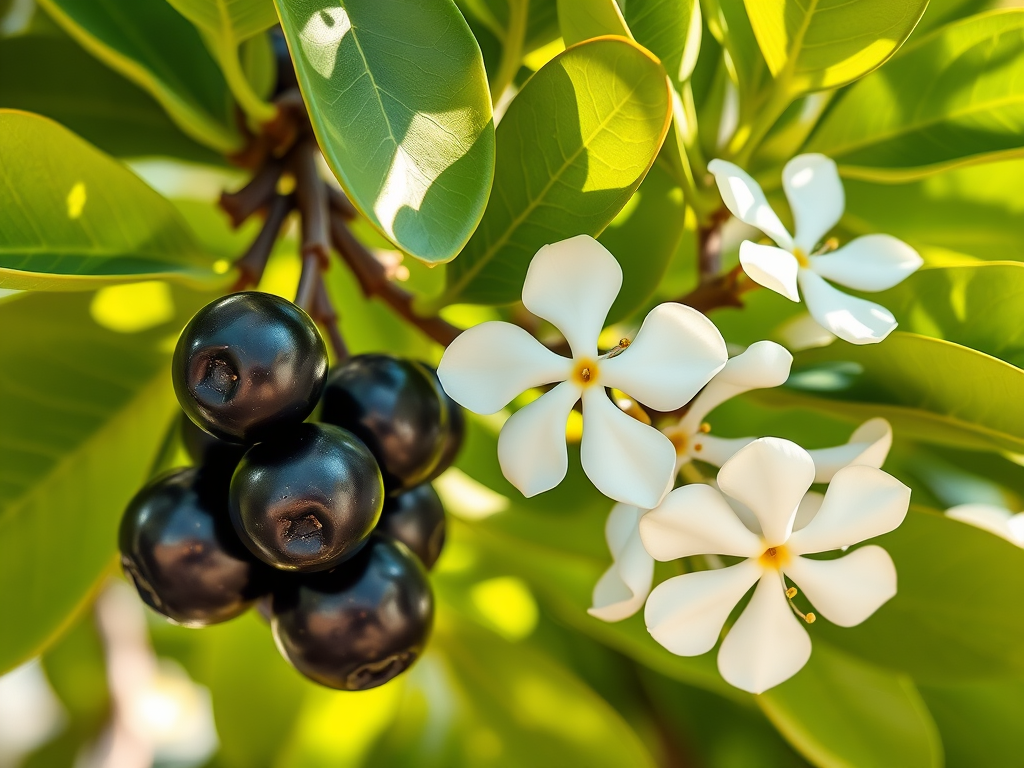
🌿 What Is Grumichama?
Botanical Name: Eugenia brasiliensis
Common Names: Grumichama, Brazil cherry
Family: Myrtaceae (same as guava and eucalyptus)
Origin: Endemic to southern Brazil, but also cultivated in tropical/subtropical regions like Florida and Hawaii.
Grumichama (Eugenia brasiliensis) is native to southern Brazil, where it has been part of local ecosystems and home gardens for centuries. While exact records of its first cultivation are scarce—likely due to its long-standing presence in Indigenous and rural communities—it is believed to have been cultivated in Brazil well before European colonization, primarily for its edible fruit and ornamental value.
📜 Historical Cultivation Timeline
20th Century: It gained popularity in Florida and Hawaii as a backyard fruit tree and ornamental hedge, especially in tropical and subtropical climates
Pre-Colonial Brazil: Indigenous peoples likely used and cultivated Grumichama for its fruit and medicinal properties, although formal documentation is lacking.
1791: The earliest known introduction outside Brazil may have occurred around this time, possibly to regions like Puerto Rico or Hawaii, where it was observed growing in experimental gardens.
🍒 Fruit Characteristics
Appearance: Small, round fruits that ripen to a deep purple or black
Flavor: A delightful cross between guava and grape, with a sweet, juicy pulp
Texture: Soft flesh with one or two small seeds; skin is edible and rich in antioxidants
Uses: Eaten fresh, or made into jams, jellies, pies, and even wine
🌳 Tree Features
Size: Can grow up to 35 feet tall, but often pruned to 9–10 feet for easier harvesting
Growth Habit: Slow-growing, evergreen, and highly ornamental with glossy leaves
Flowers: White with four petals and about 100 stamens—very showy and fragrant
Landscape Use: Ideal for hedges or urban gardens due to its compact form
🌱 Cultivation Tips
Climate: Thrives in USDA Zones 9b–10; prefers tropical to subtropical climates
Soil: Slightly acidic (pH 5.5–6.5), loamy, and well-drained
Sunlight: Full to partial sun
Propagation: By seed (germinates in ~1 month), cuttings, or grafting
Time to Fruit: 4–5 years from seed
🌍 Cultivation Regions Today
Brazil: Still primarily grown in home gardens and small farms, especially in the south.
Florida & Hawaii: Cultivated as a niche fruit tree and ornamental shrub.
Puerto Rico & Caribbean: Occasionally found in botanical gardens or permaculture projects.
Australia & Southeast Asia: Gaining interest among tropical fruit enthusiasts and permaculturists.
🌿 Grumichama in Indigenous and Cultural Context
🏞️ Indigenous Roots
Traditional Use: While specific tribal documentation is limited, Indigenous peoples of southern Brazil likely valued Grumichama for its:
Nutritional fruit: A seasonal source of hydration and vitamins
Medicinal bark and leaves: Used in infusions for digestive and anti-inflammatory purposes
Agroforestry Role: Often integrated into forest garden systems, where it coexisted with cassava, guava, and medicinal herbs
🌱 Cultural Continuity
Portuguese Colonial Era: Grumichama was preserved in mission gardens and fazendas (plantations), often grown near homes for its ornamental and edible value
Modern Permaculture: Today, it’s embraced by agroecologists and urban gardeners in Brazil and abroad for its biodiversity value and low-maintenance appeal
🍒 Comparison with Other Eugenia Species
| Feature | Grumichama (E. brasiliensis) | Surinam Cherry (E. uniflora) | Pitanga (E. pitanga) |
|---|---|---|---|
| Origin | Southern Brazil | Tropical South America | Brazil, Uruguay |
| Fruit Flavor | Sweet, grape-like | Tart to sweet, resinous | Sweet-tart, aromatic |
| Fruit Color | Deep purple to black | Red, orange, or black | Red to dark purple |
| Tree Size | Up to 35 ft | 6–20 ft | 10–20 ft |
| Growth Rate | Slow | Fast | Moderate |
| Cultural Use | Home gardens, rare species | Widely used in hedges | Popular in folk medicine |
| Medicinal Uses | Digestive aid, antioxidant | Antiviral, anti-inflammatory | Antiseptic, digestive |
🌍 Cultural and Ecological Notes
- Endangered Status: Due to its slow growth and limited natural dispersal, it’s considered rare and endangered in the wild
- Cultural Value: While not widely commercialized, it’s cherished in home gardens across Brazil and increasingly in permaculture circles
Indigenous agricultural traditions and comparing them to other Eugenia species like Surinam cherry (Eugenia uniflora) and pitanga:
Grumichama (Eugenia brasiliensis) isn’t just a treat for the taste buds—it’s also a powerhouse of nutrients and bioactive compounds. Here’s a comprehensive breakdown of its health benefits, backed by both traditional uses and modern nutritional insights:
Here are the cited health benefits of Grumichama (Eugenia brasiliensis), supported by reputable sources:
🌿 Scientifically Supported Health Benefits of Grumichama
🛡️ 1. Rich in Antioxidants
Contains anthocyanins, flavonoids, and polyphenols that help neutralize free radicals and reduce oxidative stress, potentially lowering the risk of chronic diseases like cancer and cardiovascular conditions.
💪 2. High in Vitamin C
Boosts immune function supports collagen production, and aids in wound healing and iron absorption2.
May help lower blood sugar levels and improve HbA1c in diabetics.
🧠 3. Supports Brain and Nervous System Health
Rich in B vitamins (B1, B2, B3, B6, B12), which:
Help relieve symptoms of carpal tunnel syndrome
Support nerve function and mental clarity
May prevent optic nerve damage and glaucoma
🦴 4. Bone and Dental Health
Calcium and phosphorus in Grumichama strengthen bones, teeth, and gums, helping to prevent tooth decay, bleeding gums, and osteoporosis.
🧬 5. Skin Health and Anti-Aging
Riboflavin, niacin, and vitamin C help rejuvenate skin, reduce acne, and protect against UV damage.
Used in cosmetics for its exfoliating and moisture-retaining properties.
🩺 6. Digestive and Renal Support
Traditionally used to treat gastrointestinal disorders and rheumatism.
Contains fiber that promotes gut health and regular bowel movements.
Renal-supporting vitamins (B-complex and folic acid) may aid in managing kidney disorders.
❤️ 7. Cardiovascular Health
Tannins in the fruit may help relax blood vessels, improve circulation, and support heart tissue integrity.
📚 Sources
Fruits Wisdom – Grumichama: The Sweet Cherry of Brazil
PictureThis – Grumichama Benefits
Daily One Fruit – Grumichama Health Facts
Fruits Info – Grumichama Nutrition
🧪 Nutritional Snapshot (per 100g)
| Nutrient | Amount |
|---|---|
| Moisture | 84 g |
| Carbohydrates | 13.4 g |
| Vitamin C | 18.8 mg |
| Vitamin A | 67 IU |
| Calcium | 39.5 mg |
| Iron | 0.45 mg |
| Niacin (B3) | 0.336 mg |
| Riboflavin (B2) | 0.031 mg |
| Thiamine (B1) | 0.044 mg |
| Fiber | 0.6 g |
Here are the key precautions and considerations to keep in mind when consuming or cultivating Grumichama (Eugenia brasiliensis)**, based on both traditional knowledge and modern horticultural insights:
⚠️ Grumichama: Precautions & Considerations
🍽️ 1. Moderation in Consumption
Seeds: Like many fruits in the Eugenia genus, Grumichama seeds contain small amounts of cyanogenic compounds, which can release cyanide when metabolized. While accidental poisoning is rare, avoid chewing or consuming the seeds, especially in large quantities.
Overconsumption: Eating excessive amounts of the fruit may cause digestive discomfort (e.g., bloating or mild diarrhea), particularly in individuals with sensitive stomachs.
🧪 2. Allergic Reactions
Though rare, some individuals may experience allergic reactions such as itching, swelling, or mild rashes after consuming Grumichama. If you’re trying it for the first time, start with a small amount.
🐛 3. Pest Susceptibility
Fruit Fly Infestation: Grumichama is highly susceptible to fruit fly attacks, especially in warm, humid climates. Infested fruit may appear normal on the outside but contain larvae inside.
Precaution: Use fruit netting, organic traps, or early harvesting to minimize damage.
❄️ 4. Cold Sensitivity
Grumichama is sensitive to frost and should be protected or brought indoors in cooler climates (below 41°F / 5°C).
Tip: In USDA Zones 9b–10, consider growing it in containers for mobility during cold snaps.
🦠 5. Fungal and Bacterial Risks
The plant may be affected by leaf spot, brown rot, or aphids, especially in humid conditions.
Precaution: Ensure good air circulation, avoid overhead watering, and use organic fungicides or copper-based sprays if needed.
🧒 6. Child Safety
Due to the small size and dark color of the fruit, it may pose a choking hazard for young children. Always supervise toddlers when eating the fruit.
There are currently no known direct interactions between Grumichama (Eugenia brasiliensis)** and prescription medications documented in clinical literature or major drug interaction databases. However, that doesn’t mean interactions are impossible, especially given its bioactive compounds like anthocyanins, tannins, and essential oils.
Here are some precautionary guidelines if you’re taking prescription medications:
⚠️ Grumichama & Prescription Medication: What to Know
🧪 1. Potential for Drug Interactions (Theoretical)
Tannins and polyphenols in Grumichama may:
Interfere with iron absorption or reduce the bioavailability of certain medications
Alter gut microbiota, which can affect how drugs are metabolized
Essential oils in the bark and leaves (used in traditional medicine) may interact with liver enzymes (CYP450), potentially affecting drug metabolism
💊 2. Caution with Specific Drug Classes
| Drug Class | Potential Concern |
|---|---|
| Anticoagulants | Polyphenols may have mild blood-thinning effects—monitor for bruising or bleeding |
| Diabetes Medications | May enhance blood sugar-lowering effects—risk of hypoglycemia |
| Diuretics | Traditional use as a diuretic may amplify effects—monitor hydration and electrolytes |
| Antihypertensives | Mild vasodilatory effects could enhance blood pressure-lowering medications |
| Iron Supplements | Tannins may reduce iron absorption—take separately |
🩺 3. Best Practices
Consult your healthcare provider before adding Grumichama to your diet if you’re on prescription meds
Avoid combining with herbal supplements that also affect blood sugar, blood pressure, or clotting
Use a drug interaction checker like Drugs.com’s tool to cross-reference your medications
📚 Sources
Health Benefits Times – Grumichama
Drugs.com – Drug Interaction Checker
Fruits Wisdom – Grumichama Overview
🧪 Why It Matters
Grumichama contains anthocyanins, tannins, and essential oils that may influence how your body metabolizes certain drugs, especially those processed by the liver (CYP450 enzymes).
✅ Best Practices
Consult your healthcare provider before adding Grumichama to your diet
Avoid combining with other herbal supplements that affect blood sugar or clotting.
Forms of Grumichama Available in the U.S.
🌳 1. Live Trees (Nursery Stock)
Available from: Specialty nurseries like Pepe’s Plants, Fruitscapes LLC, and Natureworks Nursery3
Types Offered:
Seedlings (1–2 years old)
Grafted trees (faster fruiting, more uniform)
Potted trees for container gardening
Color Varieties:
Dark burgundy (most common)
Red
Yellow (rare, sometimes found in Hawaii or Puerto Rico)
🍒 2. Fresh Fruit (Seasonal)
Where: Farmers’ markets in Hawaii, South Florida, and occasionally California
Season:
Hawaii: March–May and again in September–November
Florida: May–July
Uses: Eaten fresh, added to fruit salads, or used as a garnish
🧃 3. Processed Products
Forms:
Jelly and syrup (available at Hawaiian farmers’ markets)
Frozen puree (used by chefs for sauces, desserts, and jams)
Culinary Uses:
Pie fillings, glazes, wine, hot sauces, and reductions for fish dishes
🧪 4. Seeds and Cuttings (For Growers)
Available from: Online tropical fruit forums, seed exchanges, and specialty growers
Note: Seeds are viable for only about 6 weeks and should be planted fresh
🌟 Final Thoughts: Grumichama’s Quiet Brilliance
Grumichama (Eugenia brasiliensis) may not be a household name, but it embodies the kind of botanical brilliance that deserves a spotlight. From its antioxidant-rich fruit and immune-boosting nutrients to its deep roots in Brazilian home gardens and Indigenous traditions, this “Brazilian cherry” is more than just a pretty tree—it’s a living link between culture, health, and sustainability.
Whether you’re a gardener, a health enthusiast, or a cultural storyteller, Grumichama offers a unique opportunity to explore the intersection of nutrition, tradition, and biodiversity. Just remember: as with any powerful plant, enjoy it mindfully—especially if you’re on prescription medications or exploring it for the first time.
 EJADA
EJADA 
Leave a comment