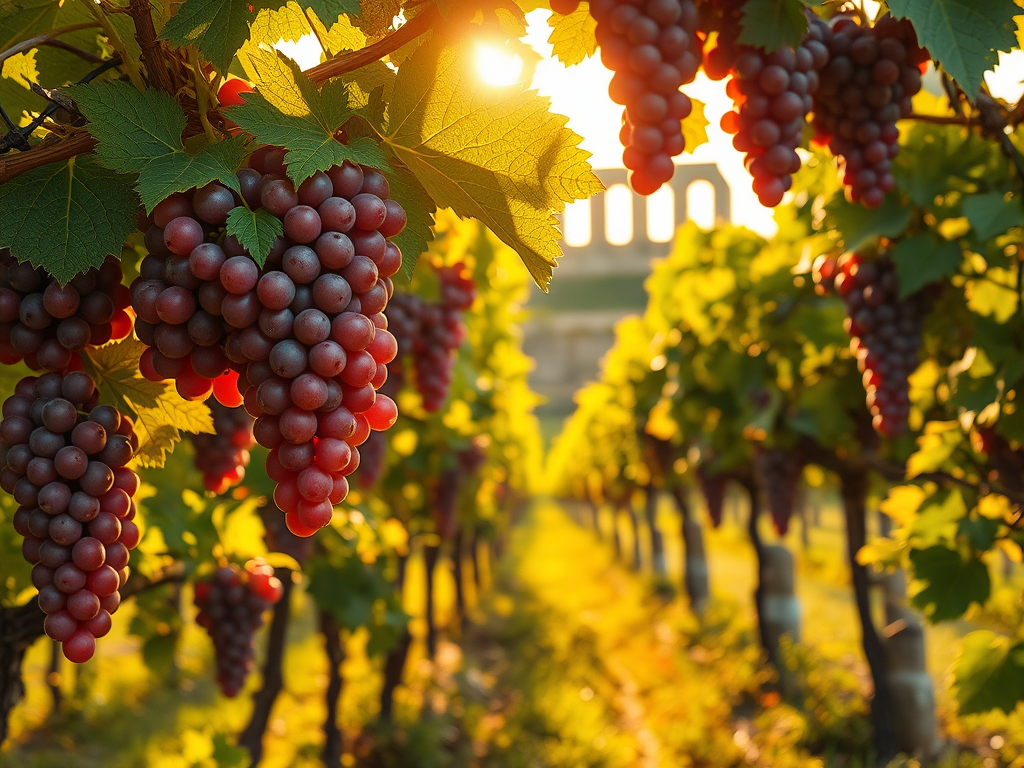
Grapes are not only a beloved fruit but also one of the earliest cultivated by humans, making them a cornerstone of agricultural history and civilization itself.
Grapes First Cultivated
Around 11,000 years ago, shortly after the last Ice Age, Neolithic farmers began domesticating wild grapevines (Vitis vinifera spp. sylvestris).
This domestication occurred simultaneously in two regions:
The South Caucasus (modern-day Georgia, Armenia, Azerbaijan)
The Levant (modern-day Israel, Palestine, Lebanon, Jordan)
Why Grapes Were So Important
Grapes were likely the first fruit crop ever domesticated.
Their cultivation coincided with the rise of agriculture and fermentation, suggesting that wine may have been a key motivator for early farming societies.
By 6000 BCE, grape cultivation had spread to regions like southeastern Armenia and northern Greece, and by 4000 BCE, it reached Asia Minor and Egypt.
🍷 Cultural and Historical Significance
Grapes were central to ancient mythologies (think Dionysus and Bacchus), religious rituals, and early trade routes.
The Romans, Greeks, and Phoenicians helped spread grape cultivation across Europe, embedding it in the fabric of Mediterranean culture.
Grapes in Ancient Mythologies
Grapes and wine were deeply embedded in the mythological frameworks of many early civilizations:
Greek Mythology: Dionysus, the god of wine, fertility, and ecstasy, was born from divine chaos and celebrated through wild, ecstatic rituals (Dionysian Mysteries). Grapes symbolized transformation, divine madness, and the cycle of life and death.
Roman Mythology: Bacchus, the Roman counterpart of Dionysus, was honored in Bacchanalia—festivals that used wine and grape imagery to dissolve social boundaries and invoke divine presence.
Egyptian Mythology: Grapes were associated with Hathor, goddess of joy and fertility. Wine was used in temple rituals and funerary rites, symbolizing rebirth and divine favor.
Mesopotamian Lore: In the Epic of Gilgamesh, Siduri, a divine tavern keeper, offers wine as a symbol of wisdom and the pleasures of mortal life.
🕊️ Grapes in Religious Rituals
Grapes and their fermented form—wine—played a central role in sacred ceremonies:
Judaism: Wine is used in the Kiddush blessing to sanctify the Sabbath and festivals. Grapes are also one of the Seven Species mentioned in the Torah, symbolizing divine abundance.
Kiddush (Judaism): A blessing recited over wine each Sabbath and holiday, marking sacred time and communal identity
Christianity: Wine represents the blood of Christ in the Eucharist, a ritual that commemorates the Last Supper and symbolizes spiritual unity and redemption.
Ancient Pagan Rites: Grapes were crushed in communal rituals to honor fertility deities, often accompanied by music, dance, and offerings to the earth.
Zoroastrianism: Wine was used in some early rituals before later reforms discouraged its use, reflecting a shift in religious attitudes toward intoxication.
✨ Grapes in Religion and Sacred Symbolism
Symbol of Resurrection and Immortality: In many cultures, the grapevine’s seasonal cycle mirrored human life and death, making it a metaphor for resurrection and eternal life.
Divine Offering: Grapes and wine were offered to the gods in temples across the ancient world—from Mesopotamia to Mesoamerica—as a sign of reverence and gratitude.
Paradise Imagery: In the Quran, grapes are described as one of the fruits of Paradise, symbolizing divine reward and spiritual nourishment.
Spiritual Transformation: The fermentation of grapes into wine was seen as a sacred alchemy, transforming the mundane into the divine.
Bacchanalia (Rome) and Dionysian Mysteries (Greece): Festivals with music, dance, and wine-drinking to honor Bacchus/Dionysus, celebrating agricultural bounty and social cohesion
Harvest Ceremonies: From Egyptian temple offerings of first-press wine to Slavic grape-vine blessings in Balkan field rituals, communities gave thanks and invoked fertility for future harvests
Eucharist (Christianity): Wine symbolizes Christ’s sacrificial blood, consumed in Communion to unite believers with his life and teachings
Libations and Offerings: Wine poured at altars, sacred springs, or tombs forged a link between mortals and the divine, blessing lands, temples, and departed souls.
In other spiritual traditions, such as Hinduism and Buddhism, grapes are associated with fertility, rejuvenation, and spiritual awakening. The grapevine’s ability to regenerate and produce fruit year after year is seen as a symbol of the cyclical nature of life and the potential for spiritual growth and transformation.
“Throughout history, the spiritual meaning of grapes has been a source of inspiration and guidance for many. By exploring the rich symbolism and cultural significance of these humble fruits, we can gain a deeper understanding of the human experience and our connection to the divine. More: “https://spiritual-meaning-of.com dated 12/2024
Grapes and Early Trade Routes
The value of grapes and wine propelled their spread along burgeoning trade networks, turning local crops into international commodities.
| Trade Corridor | Approximate Period | Details | Citation |
|---|---|---|---|
| South Caucasus → Levant → Egypt | 6000–4000 BCE | Domestication in Georgia/Armenia; spread to Egypt via Neolithic exchanges | |
| Levant → Phoenician Mediterranean network | 1200–500 BCE | Phoenician mariners exported wine amphorae from ports like Tyre and Sidon | |
| Aegean coasts → Black Sea colonies → Italy | 1000–300 BCE | Greek settlers traded high-quality wine across the Mediterranean littoral | |
| Roman road and sea routes across Europe | 100 BCE–300 CE | Standardized amphora production and state sponsorship spread viticulture |
These networks not only fueled economic exchange but also carried grape-derived religious and cultural practices across continents, embedding wine and vine symbolism into the fabric of Mediterranean and European societies.
Grapes continue to play a meaningful role in modern religious practices, symbolizing abundance, spiritual transformation, and divine connection.
Here’s a breakdown of how grapes are used today across various faiths and spiritual traditions:
🍷 Christianity: Eucharist and Sacramental Wine
- Holy Communion (Eucharist): Wine made from grapes represents the blood of Christ, consumed during Mass or Communion to commemorate the Last Supper. This ritual is central to Catholic, Orthodox, and many Protestant traditions.
- Symbolism: Grapes and the vine symbolize spiritual nourishment, unity with Christ, and the promise of eternal life. Jesus’ metaphor in John 15:5—“I am the vine, you are the branches”—underscores this connection.
✡️ Judaism: Sanctification and Celebration
- Kiddush Blessing: Wine is used to sanctify the Sabbath and Jewish holidays. The blessing over wine (Borei Pri Hagafen) acknowledges grapes as a divine gift.
- Passover Seder: Four cups of wine are consumed to represent the four expressions of redemption in Exodus. Grape juice is often used as a non-alcoholic alternative.
- Sukkot and Tu B’Shevat: Grapes are among the Seven Species of Israel and are featured in harvest and ecological celebrations.
☪️ Islam: Symbol of Paradise
- Quranic Imagery: Grapes are mentioned as one of the fruits of Paradise, symbolizing divine reward and spiritual abundance (Quran 36:34).
- Cultural Use: While alcohol is prohibited, grapes themselves are revered for their beauty and bounty, often featured in Islamic art and poetry.
🕉️ Hinduism and Other Eastern Traditions
- Offerings to Deities: Grapes are sometimes offered to gods like Krishna, symbolizing sweetness, fertility, and divine love.
- Ayurvedic and Spiritual Symbolism: Grapes are associated with rejuvenation and spiritual vitality, often used in rituals for health and prosperity.
🌿 Contemporary Spiritual Practices
- Mindful Eating and Meditation: Grapes are used in spiritual retreats and mindfulness exercises to ground practitioners in the present moment.
- Harvest Festivals and Wine Blessings: In both religious and secular settings, grape harvests are celebrated with rituals that honor nature’s cycles and communal abundance3.
- Symbol of Transformation: The fermentation of grapes into wine is seen as a metaphor for personal growth and spiritual evolution.
✨ Summary Table: Grapes in Modern Religious Practice
| Religion/Tradition | Ritual Use of Grapes/Wine | Symbolism |
|---|---|---|
| Christianity | Eucharist (Communion) | Blood of Christ, unity, sacrifice |
| Judaism | Kiddush, Passover Seder | Joy, sanctification, divine blessing |
| Islam | Mindful eating, harvest festivals, and wine blessings | Reward, abundance, purity |
| Hinduism | Offerings to Krishna, Ayurvedic rituals | Fertility, sweetness, divine love |
| Contemporary Spiritual | Mentioned in the Quran as the fruit of Paradise | Mentioned in the Quran as fruit of Paradise |
Medicinal Uses of Grapes
Grapes have been valued in traditional and modern medicine for their rich array of bioactive compounds. Regular consumption supports multiple aspects of health:
Cardiovascular Health: Potassium in grapes helps lower blood pressure by dilating blood vessels and promoting sodium excretion. Resveratrol and other polyphenols may reduce LDL (“bad”) cholesterol and improve arterial function.
Antioxidant Protection: Grape skins and seeds are packed with flavonoids (anthocyanins, quercetin), resveratrol, vitamin C, and vitamin E, which neutralize free radicals linked to aging, cancer, and chronic diseases.
Anticancer Effects: Resveratrol and related antioxidants can inhibit cancer-cell growth and induce apoptosis. In one small trial, eating 150–450 g of grapes daily lowered biomarkers associated with colon cancer risk.
Blood Sugar Regulation: Despite natural sugars, grapes score low to medium on the glycemic index (49–59). Grape extracts and supplements have been shown to improve insulin sensitivity and lower insulin resistance (HOMA-IR) in clinical studies.
Eye Health: Resveratrol protects retinal cells from UV damage, while lutein and zeaxanthin help prevent age-related macular degeneration, cataracts, and glaucoma.
Cognitive and Mood Support: In older adults, grape supplements (250 mg/day) enhanced attention and memory. Grape juice improved mood and processing speed twenty minutes post-consumption. Resveratrol may also counter Alzheimer’s pathology by reducing inflammation and clearing amyloid-β.
Bone Strength: Grapes supply minerals (potassium, manganese) and vitamins (B, C, K) essential for bone metabolism. A two-year resveratrol regimen improved bone mineral density in postmenopausal women.
Antimicrobial Action: Resveratrol and anthocyanins exhibit antibacterial and antifungal properties against pathogens like Campylobacter jejuni, Candida albicans, and E. coli, potentially aiding food safety and gut health.
Anti-Inflammatory & Longevity: Chronic inflammation underlies many diseases. Resveratrol mimics calorie restriction by activating sirtuin pathways (SirT1), mitigating oxidative stress, and promoting cellular longevity in animal models.
Sleep Facilitation: Grapes contain natural melatonin in their skins, which may help regulate the sleep–wake cycle when eaten in the evening.
Earliest Medicinal Uses of Grapes
Hippocratic Medicine (5th Century BCE)
Hippocrates, the “father of medicine,” was the first to document grape-based remedies in his clinical writings. He prescribed:
Unripe grapes to soothe sore throats and relieve pharyngeal inflammation.
Dried grapes (raisins) are a gentle laxative to treat constipation and quench excessive thirst.
Folk Remedies in Ancient Greece and Rome
Building on Hippocratic approaches, Greek and Roman physicians and herbalists used grapes and wine as:
Antiseptic washes for wounds and ulcers—wine’s alcohol content helped cleanse and deter infection.
Digestive tonics—diluted wine was taken before meals to stimulate appetite and aid digestion.
Purgatives—overripe grapes or concentrated must (grape must boiled down) induced bowel movements.
Indigenous North American Traditions
Long before European contact, tribes such as the Cherokee and Seminole harnessed native grape species (Vitis aestivalis) for:
Gastrointestinal relief—grape decoctions treated diarrhea and stomach cramps.
Fever reduction and analgesia—warm grape infusions eased body aches and fevers.
Infant health—weak grape teas were given to chronically ill babies as a nutritive tonic.
Timeline of First Uses
| Approximate Date | Culture/Region | Medicinal Application | Preparation |
|---|---|---|---|
| 5th c. BCE | Ancient Greece (Hippocrates) | Sore throats, constipation | Unripe grapes; dried grapes (raisins) |
| 1st c. CE | Roman Empire | Wound antisepsis; digestive tonics | Wine-based rinses; diluted wine |
| Pre–16th c. CE | Cherokee & Seminole tribes | Unripe grapes, dried grapes (raisins) | GI relief, fever reduction; infant tonic |
Key Antioxidant Compounds
Grapes are rich in diverse polyphenols that act as potent antioxidants:
Flavan-3-ols (catechins, epicatechins, proanthocyanidins)
Flavonols (quercetin, kaempferol, myricetin)
Anthocyanins (delphinidin, malvidin, petunidin)
Stilbenes (resveratrol)
Phenolic acids (caffeic, gallic, p-coumaric acids)
These compounds neutralize free radicals, chelate metal ions, and support the body’s endogenous antioxidant enzymes.
Distribution in Grape Parts
Seeds: Highest total phenolic content, dominated by proanthocyanidins.
Skins: Abundant in anthocyanins and resveratrol, especially in red/purple varieties.
Flesh: Contains trace polyphenols—about 1/20th to 1/100th of seed or skin levels.
The skin and seeds together account for the bulk of the grape’s antioxidant power, while flesh contributes minimally by comparison.
Mechanisms of Antioxidant Action
Free Radical Scavenging: Polyphenols donate electrons to stabilize reactive oxygen and nitrogen species.
Metal Chelation: Compounds like quercetin bind transition metals (iron, copper), preventing radical generation.
Upregulation of Endogenous Defenses: Resveratrol and flavonoids activate antioxidant enzymes (superoxide dismutase, glutathione peroxidase) and modulate Nrf2 signaling pathways
Vitamins and Minerals in Grapes
One cup (151 g) of red or green grapes provides a nutrient-dense profile that supports daily requirements:
| Nutrient | Amount per 1 cup (151 g) | % Daily Value | Key Function |
|---|---|---|---|
| Vitamin K | 22 µg | 18% | Blood clotting; bone mineralization |
| Copper | 0.19 mg | 21% | Energy production; iron metabolism |
| Thiamine (B1) | 0.11 mg | 9% | Blood clotting, bone mineralization |
| Riboflavin (B2) | 0.10 mg | 8% | Carbohydrate metabolism, nerve function |
| Vitamin B6 | 0.14 mg | 8% | Protein metabolism; neurotransmitter synthesis |
| Potassium | 282 mg | 6% | Energy production, antioxidant enzyme support |
| Vitamin C | 4.5 mg | 5% | Immune support; collagen synthesis |
| Manganese | 0.11 mg | 5% | Fluid balance, muscle, and nerve function |
| Vitamin E | 0.3 mg | 2% | Antioxidant enzyme cofactor, bone health |
“Vineland” and the Abundance of Grapes in North America
When Norse explorers like Leif Erikson reached the northeastern coasts of North America around 1000 CE, they encountered wild grapevines growing in such profusion that they named the region “Vinland” (or “Vineland”)—literally, “land of wine.” This term appears in the Saga of the Greenlanders and Saga of Erik the Red, two medieval Icelandic texts that describe Norse voyages to North America.
Why It Mattered:
Symbol of Fertility and Promise: For early European explorers, the presence of wild grapes signaled a fertile, temperate land suitable for settlement and agriculture.
Cultural Reference Point: Grapes were already deeply embedded in European religious and mythological traditions, so finding them in the New World reinforced the idea of divine providence or destiny.
Economic Potential: The abundance of grapes hinted at the possibility of wine production, a valuable commodity in Europe.
Native Grapevines:
The species they encountered was likely Vitis labrusca, the fox grape, native to eastern North America. Unlike the Eurasian Vitis vinifera, these grapes had a more musky, “foxy” flavor and were later used to develop cultivars like Concord grapes.
Not all grape varieties offer the same health benefits—though all are nutritious, their antioxidant profiles and vitamin content vary depending on color, skin thickness, and polyphenol concentration. Here’s a breakdown of how different types compare:
🍇 Comparison of Grape Varieties and Their Health Benefits
| Grape Type | Key Nutrients & Compounds | Unique Health Benefits | Notable Varieties |
|---|---|---|---|
| Red Grapes | Cardiovascular health, anti-aging, and cancer prevention2 | Cardiovascular health, anti-aging, and cancer prevention. | Crimson Seedless, Flame Seedless |
| Green Grapes | High in resveratrol, flavonoids, and vitamin C | Bone health, immune support, anti-inflammatory, skin health2 | Thompson Seedless, Sugraone |
| Black Grapes | Cancer prevention, cardiovascular support, and digestive health | Eye health, heart protection, anti-inflammatory, cognitive support23 | Concord, Black Monukka |
| Purple Grapes | Similar to black grapes in anthocyanins | Rich in vitamin K, vitamin C, and quercetin | Autumn Royal, Red Globe |
| Muscadine | Very high in resveratrol, ellagic acid | High in anthocyanins, resveratrol, and vitamin C | Scuppernong, Noble |
🧬 Why the Differences Matter
Color = Antioxidant Clues: Darker grapes (red, black, purple) contain more anthocyanins and resveratrol, which are linked to heart health, anti-aging, and anti-cancer effects.
Green Grapes: While lower in resveratrol, they’re still rich in vitamins K and C, making them excellent for bone and immune health.
Muscadine Grapes: Native to the southeastern U.S., they have thicker skins and exceptionally high antioxidant levels, including ellagic acid—a compound with strong anti-cancer potential.
🥗 How to Maximize Health Benefits
Eat the skins: Most antioxidants are concentrated in the skin, especially in darker grapes.
Include seeds: Grape seeds contain proanthocyanidins, powerful antioxidants not found in seedless varieties.
Mix varieties: Combining red, green, and black grapes can offer a broader spectrum of nutrients and polyphenols.
Grape Seed Extract (GSE)
What it is: A concentrated supplement made by drying and pulverizing grape seeds.
Health Benefits:
Heart health: Improves circulation, lowers blood pressure, and reduces LDL oxidation.
Antioxidant protection: Rich in oligomeric proanthocyanidins (OPCs), which combat oxidative stress.
Anti-inflammatory: Reduces swelling, supports wound healing, and may help with arthritis.
Brain and cognitive support: May protect against neurodegenerative diseases like Alzheimer’s.
Cancer prevention: Shown to inhibit the growth of various cancer cells in lab studies.
Diabetes support: Improves insulin sensitivity and reduces complications when combined with exercise.
Grape Seed Oil
Culinary use: Light, nutty oil ideal for salad dressings and sautéing.
Flavor: Light, clean, and slightly nutty.
Smoke Point: ~420°F (215°C), making it ideal for sautéing, roasting, and salad dressings.
Nutrition: Rich in vitamin E and omega-6 fatty acids—supports skin, heart, and hormonal health.
Cosmetic use: Moisturizer for skin and hair; used in massage oils and serums for its vitamin E and linoleic acid content.
Grape Seed Tea
Preparation: Steep crushed grape seeds in hot water for 10–15 minutes.
Flavor: Mildly earthy and astringent.
Benefits: Supports detoxification, reduces inflammation, and may aid digestion.How to use: Steep crushed seeds in hot water.
Smoothie Booster
How to use: Blend whole or ground grape seeds into smoothies or protein shakes.
Why: Adds texture, fiber, and a dose of proanthocyanidins—powerful antioxidants that support circulation and skin health.
Grape Seed Flour
What it is: A gluten-free flour made by grinding defatted grape seeds after oil extraction.
How to use: Add 1–2 tablespoons to baked goods like muffins, pancakes, or energy bars for a nutty flavor and antioxidant boost.
Benefits: High in fiber, polyphenols, and iron—supports digestion and heart health.
Grapeseed flour is readily available in the United States, both online and through specialty retailers. Here are some great options:
🛒 Where to Buy Grapeseed Flour in the U.S.
| Retailer / Brand | Product Description | Link |
|---|---|---|
| Amazon – Salute Santé! | Merlot Grapeseed Flour (1 lb), gluten-free, high in fiber and antioxidants | View on Amazon |
| Grapeseedoil.com | Chardonnay Grapeseed Flour from Napa Valley, available in multiple sizes | Buy from Grapeseedoil.com |
| Walmart | Pure Grape Seed Powder Flour (8 oz), gluten-free, antioxidant-rich | View on Walmart |
| eBay – Morel Distribution | Bulk options from 2 oz to 10 lbs, great for baking or smoothies | View on eBay |
| RoyalGrapeSeed.com | B2B and bulk grapeseed flour from New York’s Finger Lakes region | Visit Royal Grapeseed |
🌾 Product Highlights
Gluten-Free & High Fiber: Ideal for clean eating, vegan, and gluten-sensitive diets.
Zero Waste: Made from the press cake left after grapeseed oil extraction—sustainable and nutrient-dense.
Versatile: Use in baking, smoothies, yogurt, or as a fiber supplement.
Who Should Avoid Grapes?
While grapes offer many health benefits, certain individuals should limit or avoid their consumption to prevent adverse effects.
Individuals with grape allergies may experience hives, swelling, respiratory distress, or anaphylaxis after exposure.
People with diabetes or blood sugar concerns should monitor portions, as grapes can raise glucose levels due to their natural sugars.
Those on blood thinners (e.g., warfarin) or certain blood pressure medications should consult a physician, since vitamin K and other grape compounds can alter drug efficacy.
Patients with kidney disease need to watch their potassium intake; grapes’ potassium content may contribute to hyperkalemia when kidney function is impaired.
Individuals with irritable bowel syndrome or sensitive gastrointestinal tracts may experience bloating, gas, or diarrhea from grapes’ fiber and fructose.
Young children under four face a choking hazard from whole grapes; always cut them into small pieces.
Pets, especially dogs and cats, should never eat grapes or raisins due to the risk of acute kidney failure.
Summary Table
| Group | Concern | Recommendation |
|---|---|---|
| Allergy sufferers | Hives, anaphylaxis | Complete avoidance; seek medical diagnosis |
| Diabetics and blood sugar concerns | Blood glucose spikes | Portion control; pair with protein or healthy fats |
| Patients on blood thinners or BP drugs | Drug interactions | Discuss grape intake with a healthcare provider |
| Kidney disease patients | Hyperkalemia | Limit high-potassium foods; follow medical advice |
| IBS or sensitive GI | Bloating, gas, diarrhea | Start with small servings; monitor symptoms |
| Young children (< 4 years) | Choking hazard | Serve grapes halved or quartered |
| Dogs and cats | Kidney toxicity | Do not feed grapes or raisins |
Veterinarians Discover that Tartaric Acid is the Culprit
ASPCA Poison Control Center (APCC) veterinarians solved the 20-year mystery of why grapes, raisins, and sultanas are poisonous to dogs. It turns out that the tartaric acid in grapes causes these symptoms:
- Vomiting
- Diarrhea
- Excessive thirst
- Kidney damage or failure
Grape toxicity has previously been difficult to assess. After ingesting grapes, some dogs suffered mildly, while others had acute renal failure. Knowing that tartaric acid is the culprit explains much.
Grapes, raisins, and sultanas contain different levels of tartaric acid based on the type of grape, where it was grown, and ripeness.
Now you know that grapes are not only steeped in history and mythology—they’re also a powerhouse of nutrition. Whether red, green, or black, grapes are rich in antioxidants, fiber, and essential vitamins like C, K, and B6. Their skins and seeds contain compounds like resveratrol and proanthocyanidins, which support heart health, reduce inflammation, and may even slow aging. From ancient temples to modern kitchens, grapes continue to nourish both body and spirit.
Always consult a healthcare professional before making dietary changes, especially if you fall into any of the groups above.
 EJADA
EJADA 
Leave a comment