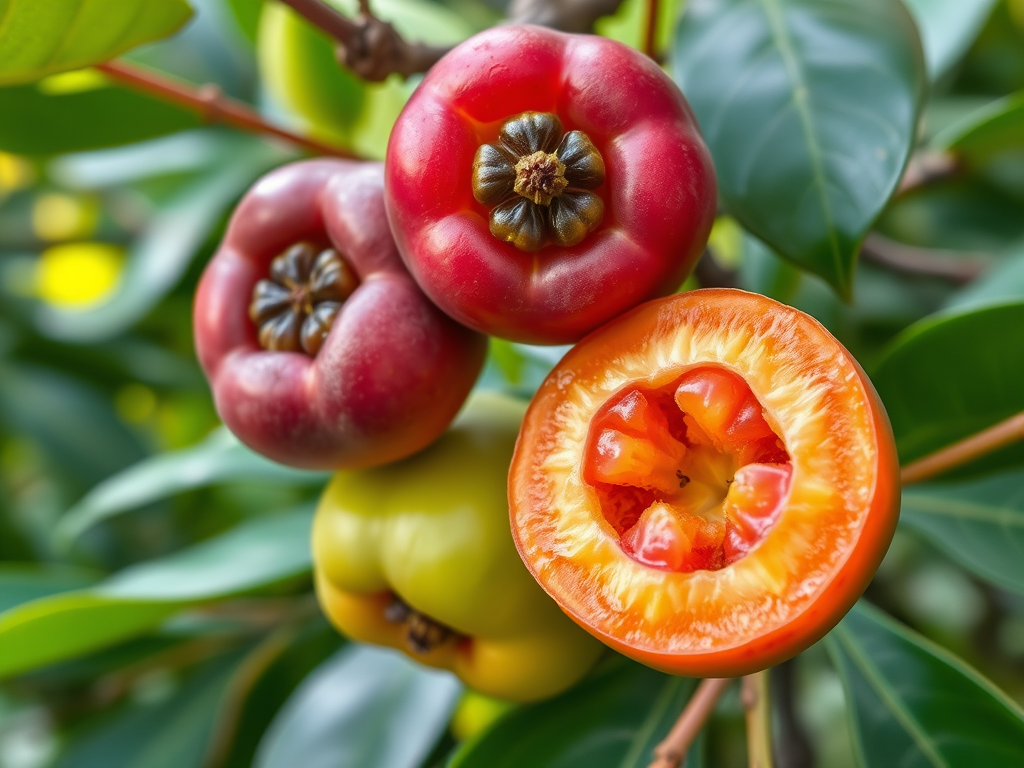
Governor’s Plum (Flacourtia indica) was first formally described in 1768 by the Dutch botanist Nicolaas Laurens Burman, who named it Gmelina indica in his work Flora Indica. Later, in 1917, American botanist Elmer Drew Merrill reclassified it under the genus Flacourtia, giving it the name we use today: Flacourtia indica
🌍 Historical Context
The genus name Flacourtia honors Étienne de Flacourt, a 17th-century French governor of Madagascar who documented the island’s flora in his 1658 book Histoire de la Grande Isle de Madagascar. While he didn’t formally name the species, his work inspired the naming of the genus.
The species epithet “indica” reflects its early recognition in the Indian subcontinent, where it has long been used in traditional medicine and agroforestry.
While the plant was likely known and used for centuries by Indigenous communities across Asia and Africa, its scientific discovery and classification began in the 18th century, with its modern botanical identity solidified in the early 20th century.
🍇 Fruit Description
Appearance: Small, round, 2.5 cm diameter; ripens from green to reddish-purple or black.
Flesh: Yellow or white, juicy, with 6–10 seeds.
Taste: Sweet-tart with a tangy, sometimes astringent bite.
Season: Spring through summer, depending on the region.
🌍 Cultural & Historical Significance
Named after Étienne de Flacourt, a 17th-century French governor of Madagascar who documented the island’s flora
Used in living fences and the Indian Inland Customs Line due to its thorny branches
Revered in Ayurvedic and African traditional medicine for its wide-ranging healing properties.
🍴 Culinary Roots of Governor’s Plum
🌍 Geographic Origins & Cultural Spread
Native to: Tropical and temperate regions of Africa and Asia, especially India, Sri Lanka, Madagascar, and East Africa.
Cultural Names: Known as Ramontchi in Madagascar, Batoko Plum in Africa, Bilangra in India, and Cerezo de Gobernador in Latin America.
Historical Use: Named after Étienne de Flacourt, a 17th-century French governor of Madagascar who documented its uses in his 1658 work Histoire de la Grande Isle de Madagascar.
🍇 Traditional Culinary Applications
| Preparation | Description |
|---|---|
| Eaten Fresh | Ripe fruits are consumed raw for their sweet-tart flavor |
| Jams & Jellies | Cooked with sugar to make preserves, especially in rural Indian and African homes |
| Fermented Beverages | Used to make wine, liqueurs, and spirits, often infused with herbs or spices |
| Pickled | Preserved with garlic, ginger, and chili in vinegar or oil for a tangy condiment |
| Desserts | Added to pies, tarts, cakes, and sorbets for a tropical twist |
| Savory Sauces | Cooked into chutneys or sauces for roasted meats and stews |
| Syrups & Drinks | Boiled into syrup or blended into refreshing beverages, especially in the Caribbean |
🍽️ Flavor Profile & Pairings
Taste: Sweet, acidic, tangy, sometimes astringent, depending on ripeness
Pairs Well With:
Sweet: Vanilla, brown sugar, maple syrup, chocolate
Savory: Garlic, ginger, chili, onions
Other Fruits: Pineapple, guava, tamarind
🧑🏽🍳 Culinary Significance
Foraged & Seasonal: Often gathered from wild or homegrown trees rather than commercial farms
Preservation Tradition: In many cultures, preserving Governor’s Plum in jams or pickles is a way to extend its short harvest season
Community Use: Shared in local markets, festivals, and family recipes—especially in rural India and East Africa
🩺 Medicinal Uses of Governor’s Plum
🌿 Traditional Applications
Governor’s Plum has been used across Africa and Asia in folk medicine for centuries:
Anemia: High iron content helps boost hemoglobin levels, making it beneficial for anemia, pregnancy, and menstrual health.
Arthritis & Rheumatism: Bark and fruit are used to reduce inflammation and joint pain.
Coughs, Colds & Pneumonia: Leaves and bark are used in decoctions to treat respiratory infections.
Snake Bites: Pulp is applied topically and consumed to neutralize venom effects.
Diarrhea & Dysentery: Replenishes lost minerals and soothes the digestive tract.
Skin Conditions: Leaves are used for scabies, pruritus, and allergic skin reactions.
Liver Disorders & Jaundice: Acts as a hepatoprotective agent, supporting liver function.
Urinary Disorders: Used in strangury, nephropathy, and bladder inflammation.
Fever & Infections: Bark is used for intermittent fevers and bacterial throat infections.
🧪 Pharmacological Properties
Modern studies have confirmed several bioactivities:
| Property | Effect |
|---|---|
| Antioxidant | Protects cells from oxidative stress |
| Anti-inflammatory | Reduces inflammation in joints and tissues |
| Antibacterial | Effective against throat and skin infections |
| Antimalarial | Contains compounds with antiplasmodial activity |
| Hepatoprotective | Protects the liver from toxins like paracetamol |
| Antidiabetic | Helps regulate blood sugar levels |
| Anticancer (in vitro) | Shows potential cytotoxic effects on cancer cells |
| Immunomodulatory | Enhances immune response via vitamins A, C, and thiamine |
🧬 Active Compounds
Flacourtin: A phenolic glucoside ester with antioxidant and antimicrobial properties
Tannins: Astringent compounds that aid in wound healing and digestive health
β-sitosterol: Known for cholesterol-lowering and anti-inflammatory effects
Coumarins & Lignans: Contribute to anti-inflammatory and anticancer activity
⚠️ Precautions
Allergies: May cause reactions in sensitive individuals
Pregnancy & Lactation: Generally safe in food amounts, but medicinal use should be supervised
Drug Interactions: May interact with immunosuppressants or blood sugar medication.
Who Should Be Cautious?
1. People with Allergies
Some individuals may experience allergic reactions, particularly skin or respiratory sensitivities.
Symptoms might include itching, rash, or mild swelling.
If you have a known sensitivity to tropical fruits or plants in the Salicaceae family, it’s best to avoid them or consult a healthcare provider before use.
2. Pregnant and Breastfeeding Individuals
Governor’s Plum is traditionally used to support pregnancy-related anemia due to its iron content.
However, medicinal doses (e.g., bark decoctions or concentrated extracts) should be used with caution and under supervision, as safety data is limited.
3. People on Medication
Blood sugar medications: The fruit may have antidiabetic effects, potentially lowering blood glucose levels. This could interact with insulin or oral hypoglycemics.
Immunosuppressants or anti-inflammatory drugs: Due to its immune-boosting and anti-inflammatory properties, it may interfere with certain medications.
4. Children
Safe in small, ripe fruit portions, but avoid giving bark or leaf decoctions to children without professional guidance.
🧪 Toxicity or Overconsumption?
There are no known toxic compounds in the ripe fruit flesh when eaten in normal amounts.
However, overconsumption may lead to:
Digestive upset (due to its acidity and fiber)
Mild astringency or bitterness in underripe fruits
The seeds are not typically consumed, and while not proven toxic, they should be avoided in large quantities.
✅ Safe Use Tips
Eat only ripe fruits to avoid astringency or bitterness.
Use bark, leaves, or root preparations only under the guidance of a trained herbalist or healthcare provider.
If you’re foraging, ensure correct identification—some similar-looking plants may be toxic.
Governor’s Plum (Flacourtia indica) is generally safe when consumed in food amounts, but certain medications may interact with its medicinal compounds. Here’s a breakdown of what to watch for:
⚠️ Potential Medication Interactions with Governor’s Plum
1. Antidiabetic Medications
Why: Governor’s Plum may lower blood glucose levels due to its natural hypoglycemic properties.
Risk: Taking it alongside insulin or oral antidiabetics (like metformin, glipizide, or glyburide) could cause hypoglycemia (low blood sugar).
Advice: Monitor blood sugar closely and consult your healthcare provider before combining.
2. Immunosuppressants
Why: The fruit enhances immune function (rich in vitamin A, C, and thiamine), which may counteract immunosuppressive drugs like corticosteroids or cyclosporine.
Risk: Reduced effectiveness of immunosuppressive therapy.
Advice: Avoid high doses or medicinal preparations unless supervised.
3. Anticoagulants / Antiplatelet Drugs
Why: While not directly proven for Flacourtia indica, similar fruits with antioxidant and anti-inflammatory properties may affect blood clotting.
Risk: Increased risk of bleeding when combined with drugs like warfarin, aspirin, or clopidogrel.
Advice: Use caution and monitor for signs of bruising or bleeding.
4. Hepatotoxic Drugs
Why: Governor’s Plum has hepatoprotective effects, which could either support or interfere with liver-metabolized drugs.
Risk: May alter liver enzyme activity, affecting drugs like acetaminophen, statins, or antiepileptics.
Advice: Monitor liver function if used regularly with such medications.
✅ Safe Combinations (with caution)
According to Easy Ayurveda, Governor’s Plum can generally be taken with:
Multivitamins
Omega-3 supplements
Homeopathic remedies
However, it’s still best to space doses by 30 minutes if combining with Western medications.
📝 Final Advice
Always consult a healthcare provider if you’re on chronic medications or planning to use Governor’s Plum medicinally (e.g., bark decoctions, leaf infusions).
If you’re creating content for EJADA, I can help you craft a “Herbal Safety & Drug Interaction” sidebar to educate readers responsibly.
Governor’s Plum: Vitamin & Nutrient Highlights
Governor’s Plum is a nutrient-dense fruit with a sweet-tart flavor and a long history in traditional medicine.
| Nutrient | Amount per 100g | % Daily Value (DV) | Benefits |
|---|---|---|---|
| Vitamin C | 5 mg | 8.3% | Immune support, antioxidant2 |
| Vitamin A | 30 IU | ~1% | Vision, skin, immunity |
| Niacin (B3) | 0.4 mg | 2% | Energy metabolism |
| Thiamine (B1) | 0.01 mg | Negligible | Nerve function |
| Riboflavin (B2) | 0.02 mg | Negligible | Cellular energy |
| Calcium | 33 mg | 3% | Bone health |
| Iron | 0.7 mg | 4% | Blood production |
| Potassium | 171 mg | 5% | Fluid balance, heart health |
🧪 Also rich in antioxidants, zinc, and phosphorus, Governor’s Plum supports immunity, bone strength, and inflammation reduction.
🌱 Ecological & Agricultural Notes
Growth: Fast-growing, evergreen shrub or tree (up to 15 m)
Habitat: Thrives in dry to humid climates, from woodlands to coastal zones
Invasiveness: Considered invasive in parts of the Indian Ocean and Florida
Pollination: Attracts bees and butterflies; fruits are dispersed by birds.
Flacourtia indica is a species of flowering plant in the family Flacourtiaceae or Salicaceae. It is native to Asia and Africa. It is widely grown for its edible fruit. Common names include Batoko plum, Madagascar plum, Indian plum, Rhodesia plum, Mauritius plum, Ramontchi, Kangu, Governor’s Plum, Flacourtia, Batoko Plum, Rhodesia plum, Botoko plum, Paniala, Ceyon plum, and Bilangra.@healthbenefitstimes
🇺🇸 Availability in the U.S.
✅ Where You Can Find It
Specialty Nurseries & Online Seed Stores:
You can purchase seeds or live plants from sites like Trade Winds Fruit and Rare Palm Seeds.
Ethnic or Tropical Markets:
Occasionally found in Caribbean, African, or South Asian grocery stores, especially in areas with large immigrant communities.
Home Gardens:
Grown as an ornamental or fruiting shrub in warm regions like Florida, Southern California, and parts of Texas.
🌱 Growing Conditions in the U.S.
USDA Zones: Best suited for Zones 10–11 (tropical to subtropical climates)
Cold Tolerance: Hardy down to about 26°F (-3°C), but young plants may need protection
Growth Habit: Fast-growing shrub or small tree; can fruit in 3–4 years
⚠️ Regulatory Notes
According to EDDMapS, Flacourtia indica is introduced in the U.S., and in Florida, it’s listed as a Category II invasive species. This means it has the potential to disrupt native ecosystems if not managed properly.
🛒 Summary of Access
| Form | Available? | Where |
|---|---|---|
| Fresh Fruit | Rare | Ethnic markets (seasonal) |
| Seeds | Yes | Trade Winds Fruit, Rare Palm Seeds |
| Live Plants | Occasionally | Specialty nurseries or online tropical plant sellers |
| Foraged/Wild | Uncommon | Found in some naturalized areas in Florida and Hawaii |
“Governor’s Plum is nature’s quiet diplomat—thorned like a guardian, sweet like a healer, and storied like the lands it grows in.”
 EJADA
EJADA 
Leave a comment