
Gala apples are one of the most beloved apple varieties worldwide, known for their sweet flavor, crisp texture, and vibrant red-and-yellow skin. They’re a go-to for snacking, salads, and even sauces thanks to their mild, aromatic taste and creamy white flesh.
🌱 Origins & Development
Created in the 1930s in Greytown, New Zealand by orchardist J.H. Kidd
Resulted from a cross between Kidd’s Orange Red (itself a hybrid of Cox’s Orange Pippin and Delicious) and Golden Delicious
The name “Gala” may have been inspired by a Māori word or simply chosen for its festive connotation.
While the apple itself was created in the 1930s, it didn’t reach the public until a few decades later.
🌍 Commercial Introduction & Spread
Introduced commercially in New Zealand in the 1960s
Brought to the United States in the 1970s by Donald W. McKenzie, who patented the variety for Stark Bros Nursery
Quickly gained popularity, especially in Washington State, where redder strains like Royal Gala were developed
📈 Rise to Fame
By the 1980s, Gala apples were a global favorite
In 2018, they overtook Red Delicious as the most produced apple in the U.S., a title Red Delicious had held for over 50 years
As of 2024, Gala apples made up 17% of U.S. apple sales, more than any other variety
Let’s break down how Gala stacks up against Fuji and Honeycrisp, two other heavyweights in the apple world 🍏🍎
🍯 Flavor & Sweetness
| Apple | Flavor Profile | Sweetness Level |
|---|---|---|
| Gala | Mild, floral, honey-like | Medium-High |
| Fuji | Very sweet, crisp, slightly tart | Highest |
| Honeycrisp | Sweet with a refreshing tart balance | Medium-High |
Gala is mellow and easygoing—great for kids and light snacking.
Fuji is the sugar bomb of the trio, ideal if you’ve got a sweet tooth.
Honeycrisp hits that perfect sweet-tart balance with a juicy crunch that’s hard to beat.
🧊 Texture & Juiciness
| Apple | Texture | Juiciness |
|---|---|---|
| Gala | Fine, tender | Moderate |
| Fuji | Dense, crisp | High |
| Honeycrisp | Explosively crisp | Very High |
Honeycrisp is famous for its snap—it’s like biting into a juicy apple chip.
Fuji is firm and satisfying, great for slicing.
Gala is softer, which makes it perfect for sauces or gentle munching.
🧁 Best Uses
| Apple | Best For |
|---|---|
| Gala | Snacking, salads, applesauce |
| Fuji | Snacking, baking, salads |
| Honeycrisp | Snacking, baking, cider |
🧊 Storage & Shelf Life
Fuji lasts the longest—great for stocking up.
Honeycrisp stores well but can be pricier.
Gala is best eaten fresh within a few weeks.
So if you’re after maximum sweetness, go Fuji. Want crunch and complexity? Honeycrisp is your hero. Prefer a gentle, sweet bite? Gala’s your go-to.
Gala apples aren’t just a sweet snack—they’re a nutritional powerhouse hiding in plain sight 🍎 Let’s break down both the well-known and the less obvious health benefits they offer:
🌟 Well-Known Health Benefits
Heart Health: Rich in soluble fiber (like pectin), Gala apples help lower LDL (bad) cholesterol and support healthy blood pressure.
Digestive Support: One medium Gala apple packs around 4–5 grams of fiber, aiding digestion and promoting regularity.
Immune Boost: With a solid dose of vitamin C, they help strengthen your immune system and fight off infections.
Weight Management: Low in calories (about 80 per apple) and high in fiber, they keep you full longer—great for curbing cravings.
🌿 Lesser-Known or Surprising Benefits
Skin Protection: Antioxidants like quercetin and catechins help protect skin from UV damage and reduce signs of aging.
Blood Sugar Balance: Despite their sweetness, Gala apples have a low glycemic index and may help regulate blood sugar levels—especially helpful for people with diabetes.
Gut Microbiome Support: The prebiotic fiber in the skin feeds beneficial gut bacteria, supporting a healthier digestive ecosystem.
Anti-Inflammatory Effects: Polyphenols in Gala apples help reduce inflammation, which is linked to chronic diseases like arthritis and heart disease.
Brain Health: Some studies suggest apple antioxidants may protect brain cells from oxidative stress, potentially lowering the risk of neurodegenerative diseases.
🍎 Gala Apple vs Other Fruits (Per 100g)
| Nutrient | Gala Apple | Banana | Orange | Blueberries |
|---|---|---|---|---|
| Calories | 57 kcal | 89 kcal | 47 kcal | 57 kcal |
| Carbs | 15 g | 23 g | 12 g | 14 g |
| Sugars | 10.4 g | 12.2 g | 9.4 g | 10 g |
| Fiber | 2.3 g | 2.6 g | 2.4 g | 2.4 g |
| Vitamin C | 4.6 mg | 8.7 mg | 53.2 mg | 9.7 mg |
| Potassium | 107 mg | 358 mg | 181 mg | 77 mg |
| Antioxidants | High in quercetin & catechins | Rich in dopamine & vitamin B6 | High in hesperidin | Packed with anthocyanins |
🔍 Key Takeaways
Bananas dominate in potassium, but Gala apples offer a better sugar-to-fiber ratio, which helps with blood sugar control.
Gala apples are lower in calories and sugar than bananas, making them a lighter snack.
They’re not as rich in vitamin C as oranges, but they shine in polyphenol antioxidants like quercetin, which oranges lack.
Compared to blueberries, Gala apples have less vitamin C but more fiber and a different antioxidant profile—blueberries are rich in anthocyanins, which give them their deep color.
Each fruit brings its own superpowers to the table. Gala apples are a great all-rounder—mild, sweet, and sneakily good for you.
Learn More @ www.healthline.com
Perhaps surprisingly, apples are considered a major source of antioxidants in the United States and worldwide (2Trusted Source, 4Trusted Source).
If you’ve ever browsed the supermarket’s produce aisle wondering if the nutritional benefits vary among apple varieties, know that the short answer is yes — and that this has a lot to do with these polyphenol antioxidants.
Polyphenols are part of the reason different apples have their characteristic colors and flavors. In fact, different apple varieties feature significantly varying amounts and types of polyphenols, which affects their health benefits.
Gala apples are culinary chameleons—sweet, crisp, and versatile enough to shine in everything from rustic pies to savory mains. Here’s how they show off in the kitchen 🍽️
🥗 Fresh & Raw
Snacking: Their natural sweetness and low acidity make them perfect for eating out of hand.
Salads: Add crunch and contrast to leafy greens, nuts, and cheeses like goat or blue cheese.
Charcuterie boards: Pair beautifully with sharp cheddar, brie, or prosciutto.
🥧 Baking & Desserts
Pies & Tarts: Hold their shape well and add a mellow sweetness—great for classic apple pie or French galettes.
Cakes & Muffins: Add moisture and flavor to cinnamon apple cakes, muffins, and bundt cakes.
Crisps & Crumbles: Their tender texture makes them ideal for warm, spiced desserts.
Microwave Baked Apples: A quick treat with butter and cinnamon—great on oatmeal or ice cream.
🍽️ Savory Dishes
Roasted with meats: Complement pork, chicken, or turkey with a sweet-savory twist.
Grilled or sautéed: Add to pan sauces or serve alongside caramelized onions and mustard for a tangy glaze.
Stuffings & grain bowls: Dice and toss into wild rice, quinoa, or farro for a pop of sweetness.
🧃 Drinks & Preserves
Smoothies & Juices: Blend into fruit smoothies or fresh-pressed juice for a mild, sweet base.
Cider: While not as tart as traditional cider apples, Gala adds a smooth, sweet note to blends.
Jams & Chutneys: Cook down with spices for spreads or savory condiments.
🧊 Preservation & Storage
Drying: Make chewy apple chips for snacks or granola.
Freezing: Slice and freeze for later use in baking or sauces.
Canning: Turn into pie filling, applesauce, or preserves.
Whether you’re baking a pie, tossing a salad, or roasting a pork loin, Gala apples bring a gentle sweetness and crisp texture that elevates the dish. Want a few standout recipes to try them in? I’ve got some delicious ones up my sleeve.
Gala apples are generally safe and healthy for most people, there are a few precautions worth keeping in mind 🍏
⚠️ Health-Related Precautions
Pesticide Residue: Gala apples often rank high on the Environmental Working Group’s “Dirty Dozen” list, meaning they may carry pesticide residues. 👉 Wash thoroughly or choose organic when possible.
Allergies: Some people with birch pollen allergies may experience oral allergy syndrome (itchy mouth or throat) when eating raw apples. 👉 Cooking the apple usually neutralizes the allergen.
Blood Sugar Considerations: While Gala apples have a low glycemic index, they still contain natural sugars. 👉 People with diabetes should monitor portion sizes and pair with protein or fat for better blood sugar control.
🌳 Growing & Handling Precautions
Tree Care: Gala apple trees are susceptible to fire blight, powdery mildew, and codling moths2. 👉 Regular pruning, proper spacing, and pest monitoring are key to prevention.
Storage: Gala apples bruise more easily than firmer varieties like Fuji. 👉 Store in a cool, dry place and handle gently to avoid spoilage.
Cross-Pollination: If you’re growing them, know that Gala trees are partially self-pollinating but yield better with a nearby compatible variety like Fuji or Granny Smith.
here are a few groups who might want to be cautious or avoid them altogether 🍏
🚫 People Who May Need to Avoid or Limit Gala Apples
Those with Apple Allergies Individuals with oral allergy syndrome (OAS)—especially those allergic to birch pollen—may experience itching or swelling in the mouth and throat when eating raw Gala apples. 👉 Cooking the apples usually neutralizes the proteins that trigger this reaction.
People with Fructose Intolerance Gala apples are high in fructose, which can cause bloating, gas, or diarrhea in people with fructose malabsorption or hereditary fructose intolerance.
Individuals on Low-FODMAP Diets Apples are high in FODMAPs (fermentable carbs), which can trigger symptoms in people with IBS. 👉 These individuals may need to limit or avoid apples during elimination phases.
Those Managing Blood Sugar While Gala apples have a low glycemic index, they still contain natural sugars. 👉 People with diabetes should enjoy them in moderation and pair with protein or fat to slow sugar absorption.
Infants Under 6 Months Whole or raw apple pieces pose a choking hazard and are not recommended for babies under 6 months. 👉 Cooked, pureed apples are a safer option.
Anyone Concerned About Pesticide Exposure Gala apples often appear on the “Dirty Dozen” list for pesticide residues. 👉 Washing thoroughly or choosing organic can help reduce exposure.
If you fall into one of these categories, it doesn’t mean apples are off the table forever—just that a little extra care goes a long way.
I found this recipe you may want to try,
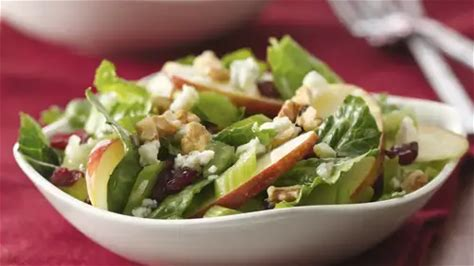
Recipe with Apples and Celery@ Bettycrocker.com
So, if you’re munching on one right now, you’re doing your body a favor in more ways than one.
 EJADA
EJADA 
Leave a comment