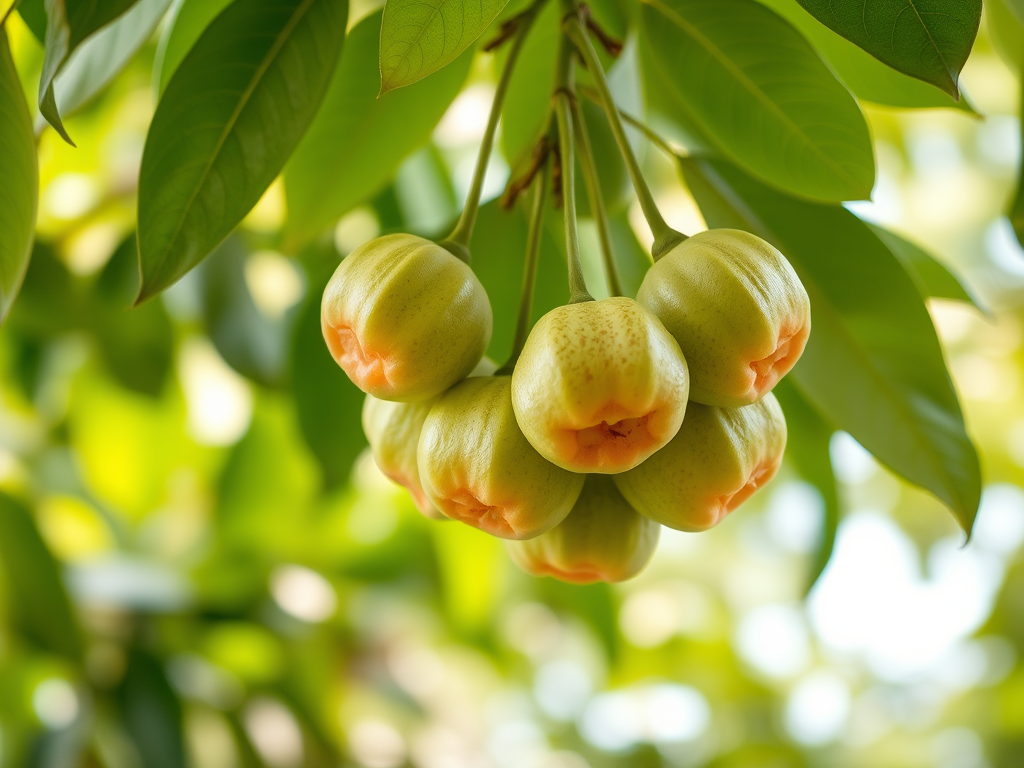
Genip, also known as quenepa, mamoncillo, Spanish lime, or limoncillo, is a tropical fruit native to the Caribbean, Central America, and parts of South America. It grows on the Melicoccus bijugatus tree and is especially popular in places like Puerto Rico, where there’s even a festival celebrating it.
Here’s what makes genip special:
🌿 Appearance: Small, round, green-skinned fruit with a thin shell and juicy, peach-colored pulp.
😋 Taste: Sweet-tart and refreshing—often eaten fresh or used in drinks, jams, and desserts.
💪 Nutrition: Rich in vitamins, minerals, fiber, and antioxidants, making it a healthy snack option.
🌍 Other Names: Depending on the region, it might be called guinep, kenèp, chenet, or skinip.
Genip (also known as quenepa or Spanish lime) packs quite a punch when it comes to health benefits!
🍈 Here’s what makes it more than just a tasty tropical treat:
🌟 Key Health Benefits of Genip
Immune Support: Rich in vitamin C, genip helps strengthen your immune system and protect cells from oxidative stress.
Anti-inflammatory Properties: Contains genipin, a natural compound known for reducing inflammation and supporting tissue recovery.
Digestive Health: High in dietary fiber, which promotes regular bowel movements and supports a healthy gut microbiome.
Energy Boost: Loaded with natural sugars and B vitamins, genip provides a quick energy lift and supports metabolism.
Iron Content: Helps prevent anemia by supporting red blood cell production.
Antioxidant Power: Flavonoids and other antioxidants in genip help combat free radicals, potentially lowering the risk of chronic diseases.
Genip has some fascinating, lesser-known traditional and medicinal uses that go beyond its sweet-tart flavor. Here are a few intriguing ones that might surprise you 🍃:
🧪 Little-Known Medicinal and Ancient Uses of Genip
Natural Sleep Aid: Genip contains tryptophan, an amino acid that helps the body produce serotonin and melatonin—neurochemicals that regulate mood and sleep. Traditionally, it’s been used to promote relaxation and better sleep.
Asthma Relief: The pulp has been found to contain resveratrol derivatives and caffeic acid, which may help reduce inflammation in the airways—making it a folk remedy for asthma symptoms.
Digestive Detox: In some cultures, genip is believed to help detoxify the digestive tract. Its fiber content supports gut health, and it’s sometimes used to relieve constipation and cleanse the colon.
Mood and Anxiety Support: Thanks to its calming compounds, genip has been used to ease anxiety and improve mood. It’s said to “clear the mind” and promote emotional balance.
Kidney and Urinary Health: Some traditional uses include preventing urinary stones and supporting kidney function, likely due to its antioxidant and mineral content.
Bone Strength: Genip is a good source of calcium and phosphorus, which are essential for maintaining strong bones and teeth—especially important in aging populations.
It’s amazing how much wisdom is tucked into traditional uses of fruits like this.
It’s a small fruit with big benefits
Genip is a surprisingly rich source of essential vitamins that do more than just boost your immune system—they support your whole body from the inside out. Here’s a breakdown of the key vitamins found in this tropical gem 🍈:
🧬 Vitamins in Genip
Vitamin C: A powerful antioxidant that helps protect cells from damage, supports immune function, and promotes healthy skin.
Vitamin A: Important for vision, skin health, and immune defense.
Vitamin B6: Supports brain development and function, and helps the body convert food into energy.
Folate (Vitamin B9): Crucial for DNA synthesis and repair, especially important during periods of rapid growth like pregnancy.
Niacin (Vitamin B3): Helps maintain healthy skin and nerves, and supports digestive health.
Riboflavin (Vitamin B2) and Thiamine (Vitamin B1): Aid in energy production and overall metabolic function.
Pantothenic Acid (Vitamin B5): Supports hormone production and helps the body use fats and proteins efficiently.
It’s like nature packed a multivitamin into a bite-sized fruit!
Have you ever heard of a fruit that can naturally turn blue when exposed to enzymes in the body? Genip – a tropical fruit from the Amazon rainforest – is being touted by nutritionists as a potential biological treasure trove.
GENIP: Nutrition Facts of Genip
Nutrition Facts of 100 grams (3.5 ounces) of Genip include:
Calories: 50
Fats: 0.2g – 0% of the Daily Value (DV)
Sodium: 5mg – 0% of the DV
Carbs: 12g – 4% of the DV
Fiber: 2g – 8% of the DV
Protein: 0.6g
Calcium: 20mg – 2% of the DV
Iron: 0.3mg – 4% of the DV
Potassium: 170mg – 5% of the DV
Copper: 0.1mg – 11% of the DV
Folate (B9): 5μg – 1% of the DV
Magnesium: 10mg – 2% of the DV
Manganese: 0.1mg – 5% of the DV
Niacin: 0.5mg – 3% of the DV
Pantothenic acid: 0.1mg – 2% of the DV
Phosphorus: 18mg – 3% of the DV
Riboflavin (B2): 0.03mg – 2% of the DV
Selenium: 0.3μg – 1% of the DV
Thiamine: 0.02mg – 2% of the DV
Vitamin B6: 0.1mg – 5% of the DV
Zinc: 0.1mg – 1% of the DV
Genip (Genipa americana) is a source of essential vitamins and minerals, which support many physiological functions and protect health. The fruit of this plant contains a variety of beneficial micronutrients, especially vitamins and minerals, with powerful antioxidant effects.
Can food be both a source of nutrients and a trigger for beneficial biological reactions?
Genip contains genipin – a revolutionary compound in natural medicine, from anti-inflammatory support to neuroprotection.
In the modern world of functional foods, genip is no longer a forgotten native ingredient but is entering a leading role in optimal health diet formulas.
⚠️ Precautions Before You Pop a Genip
While genip is a flavorful and nutritious fruit, it might not be the best choice for everyone. Here are a few health considerations to keep in mind:
Allergies: Rare, but possible. If you’ve never tried genip, sample cautiously.
Digestive Sensitivities: Its fiber content may cause bloating or gas in some people.
Kidney Conditions: Those managing kidney issues should consult a doctor due to genip’s mineral levels.
Diabetics: Natural sugars can spike blood glucose if over-consumed.
Pregnant or Nursing Women: Better to check with a healthcare provider before making it a regular snack.
Young Children: The large seed poses a choking hazard—supervision is key!
As delicious as it is, a little awareness goes a long way toward enjoying genip safely.
Where You Can Find Genip in the U.S.
Ethnic Grocery Stores: Look for it in Caribbean, Latin American, or international markets, especially in cities with large Puerto Rican, Dominican, or Haitian communities (like New York, Miami, or Orlando).
Farmers’ Markets: In southern states like Florida or Texas, genip may be sold fresh during its short summer season (typically June–August).
Online Retailers: Some specialty fruit vendors offer genip (or quenepas) for delivery when in season—though availability can be limited and pricey.
U.S. Territories: If you’re ever in Puerto Rico or the U.S. Virgin Islands, genip is widely available from roadside vendors and local markets.
It’s not as common as mangoes or papayas, but if you know where to look, you can definitely get your hands on some.
 EJADA
EJADA 
Leave a comment