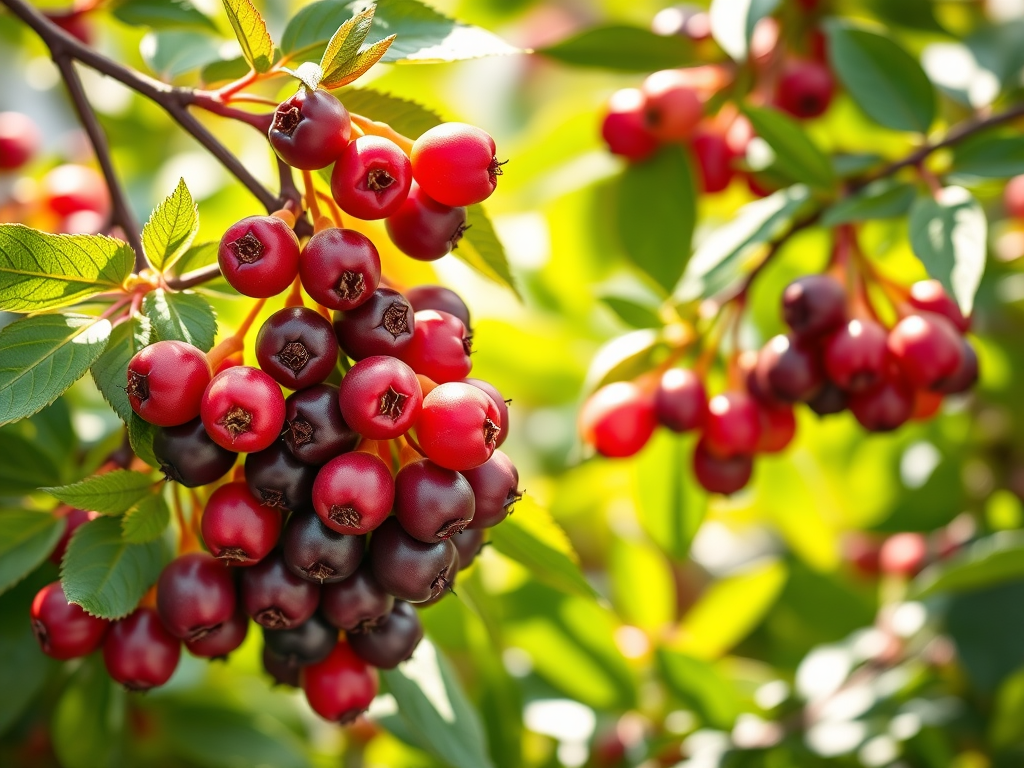
The earliest known uses of fuchsia berries trace back to Indigenous cultures in South America and New Zealand, where they were valued both as food and for their cultural significance.
🍇 South America: The Andes
Fuchsia boliviana berries were traditionally consumed by native peoples such as the Incas and their descendants in Bolivia, Peru, and Ecuador.
These berries, known in Quechua as quwapaq ñukch’u, chimpu-chimpu, or uchu-uchu, were believed to support both heart and spirit health.
They were often found along ancient Inca trails and are still sold in traditional markets today.
🌿 New Zealand: The Māori
The Māori people have long eaten the berries of Fuchsia excorticata, their native tree fuchsia known as kotukutuku.
The berries, called konini, were a seasonal treat, and the plant features in traditional proverbs and oral history.
🌎 Chile and Argentina
Fuchsia magellanica was consumed by Indigenous groups like the Mapuche, Puelche, and Tehuelche, who lived throughout its natural range in southern South America.
These early uses weren’t just about nutrition—they were woven into the spiritual and seasonal rhythms of life.
🌍 What is Fuchsia?
Fuchsia is a genus of flowering plants in the family Onagraceae, known for their vivid, pendulous blossoms. While many people associate them with ornamental gardens, their evolutionary roots run deep.
Geological context: At that time, Australia, Antarctica, and South America were still relatively close due to the breakup of the supercontinent Gondwana.
🔬 How did Fuchsia evolve?
Climate advantage: The Southern Hemisphere had a warmer, more temperate climate, allowing early fuchsias to thrive in what are now frigid regions like Antarctica.
Continental drift: As the continents drifted apart and climates shifted, fuchsias adapted to new environments, especially in South America, where they diversified extensively.
Modern diversity: Today, there are over 100 species, mostly found in Central and South America, with a few in New Zealand and Tahiti.
🧬 Who studied this?
A key figure in understanding fuchsia evolution is Paul E. Berry, a botanist who has published extensively on the systematics and biogeography of the genus.
Fuchsia berries and other parts of the plant aren’t just pretty they’ve got some intriguing health perks, both well-known and under-the-radar 🌿
Fuchsia berries may be small, but they pack a subtle nutritional punch—especially when it comes to vitamin content. While they haven’t been studied as extensively as more common berries, here’s what we know and what’s likely based on their botanical relatives:
🍓 Likely Vitamin Composition of Fuchsia Berries
Vitamin C (Ascorbic Acid): Like many berries, fuchsia berries are believed to contain moderate levels of vitamin C, which supports immune function, skin health, and collagen production.
Vitamin A (Beta-carotene): Some species show traces of vitamin A precursors, which are important for vision, skin, and immune health.
B Vitamins: Trace amounts of B1 (thiamine), B2 (riboflavin), and B3 (niacin) may be present, aiding in energy metabolism and nervous system function.
Vitamin E: As an antioxidant, this vitamin may be found in the seeds or skin, helping protect cells from oxidative stress.
🧪 Phytochemicals & Antioxidants
Anthocyanins: These give the berries their deep color and have anti-inflammatory and antioxidant properties. Anthocyanins—the pigments that give berries their rich red, blue, and purple hues—aren’t just eye candy. They’re powerful antioxidants with a wide range of health benefits backed by science 🧬
💖 Cardiovascular Protection
Reduce blood pressure and improve blood vessel elasticity
Lower LDL cholesterol (the “bad” kind) and increase HDL
Improve circulation and reduce risk of heart disease
🧠 Brain & Cognitive Health
Enhance memory and learning
Protect against age-related cognitive decline and Alzheimer’s disease
Improve neuroplasticity, helping the brain adapt and grow
🛡️ Anti-Inflammatory & Immune Support
Suppress inflammatory markers like CRP and TNF-alpha
Boost immune cell activity, helping the body fight infections
May reduce symptoms of autoimmune conditions
🧪 Anti-Cancer Potential
Inhibit the growth of cancer cells and slow tumor formation
Promote apoptosis (programmed cell death) in abnormal cells
Especially studied in colon, breast, and prostate cancers
🩸 Blood Sugar & Metabolic Health
Improve insulin sensitivity
Help regulate blood glucose levels
May reduce risk of type 2 diabetes
👁️ Eye & Skin Benefits
Protect retinal cells and reduce risk of macular degeneration
Support collagen production and skin elasticity
Help reduce UV-induced skin damage
You’ll find anthocyanins in berries like blueberries, blackberries, elderberries, chokeberries, and even in purple corn and red cabbage.
Flavonoids: Known to support cardiovascular health and reduce oxidative damage. Flavonoids are like nature’s multitool—tiny plant compounds with mighty health benefits 🌿 Found in everything from berries and tea to onions and dark chocolate, they’re part of a larger group called polyphenols, known for their antioxidant and anti-inflammatory powers.
🌈 What Are Flavonoids?
Flavonoids are phytochemicals that give plants their vibrant colors and help protect them from environmental stress. In humans, they:
Act as antioxidants, neutralizing harmful free radicals
Support cell signaling and enzyme function
Help regulate inflammation and immune response
🩺 Health Benefits
Here’s what flavonoids can do for your body:
Heart health: Lower blood pressure, improve circulation, and reduce LDL cholesterol
Brain function: Enhance memory, protect against cognitive decline, and support neuroplasticity
Cancer defense: Some types may inhibit tumor growth and promote healthy cell cycles
Blood sugar control: Improve insulin sensitivity and reduce risk of type 2 diabetes
Immune support: Modulate immune responses and reduce chronic inflammation
🍇 Types of Flavonoids & Where to Find Them
| Type | Found In |
|---|---|
| Flavonols | Onions, kale, apples, berries, tea |
| Flavan-3-ols | Green/black tea, cocoa, apples, grapes |
| Flavones | Parsley, celery, chamomile |
| Flavanones | Citrus fruits like oranges, lemons, grapefruits |
| Isoflavones | Soybeans, legumes |
| Anthocyanins | Blueberries, blackberries, red grapes, purple cabbage |
Want to know which foods are richest in flavonoids or how to boost your intake with a delicious recipe? I’ve got some tasty ideas up my sleeve!
Because fuchsia berries aren’t widely cultivated for food, detailed nutritional profiles are rare. But if you’re curious, I can help you compare them to better-known berries like elderberries or blackcurrants—or even suggest a DIY nutrient test if you’re growing them yourself. Want to go there?
🌟 Known Health Benefits
Natural diuretic: Fuchsia contains compounds that stimulate urination, helping flush out excess water, sodium, and toxins. This can support kidney function and lower blood pressure.
Skin soother: The juice from the plant has been traditionally used to relieve rashes, blisters, and itching.
Fever relief: Some species have antipyretic properties, meaning they may help reduce fever.
Antioxidant-rich: Fuchsia berries contain anthocyanins like cyanidin-3-glucoside, which help combat oxidative stress and may reduce the risk of chronic diseases.
🌿 Lesser-Known or Cultural Uses
Heart and spirit tonic: In the Andes, Fuchsia boliviana berries are called corazón corazón (“heart-heart”) and are believed to support both emotional and cardiovascular health.
Traditional Maori remedy: In New Zealand, the berries of Fuchsia excorticata (called konini) are eaten by the Māori and considered a seasonal treat with cultural significance.
Foot care in Scotland: Crushed fuchsia flowers have been used as a folk remedy for corns and callouses, wrapped on the foot throughout the day.
You can eat the berries! They’re tart-sweet and often made into jams, scones, or even wine. Totally edible, non-toxic, and even dog friendly.
Learn More: https://www.healthline.com: Cancer is a disease characterized by uncontrolled growth of abnormal cells.
Cancer formation and progression is often linked to oxidative stress and chronic inflammation (Trusted Source, Trusted Source).
A number of studies suggest that berries may help prevent several types of cancer through their ability to fight oxidative stress and inflammation (Trusted Source, Trusted Source, Trusted Source).
Strawberries have been shown to inhibit tumor formation in animals with mouth cancer and in human liver cancer cells
Fuchsia berries are generally safe and non-toxic for most people—including children and pets—but there are a few exceptions where caution is wise 🌿
🚫 Who Might Want to Avoid Fuchsia Berries
People with pollen or plant allergies: If you’re sensitive to flowering plants, especially in the Onagraceae family, you might experience mild reactions like itching or swelling.
Those with sensitive stomachs: The berries are tart and fibrous, so eating large amounts might cause digestive upset in some people (think bloating or mild cramps).
Individuals on diuretics: Since fuchsia has mild diuretic properties, it could amplify the effects of certain medications and lead to dehydration or electrolyte imbalance.
Pregnant or breastfeeding individuals: While there’s no evidence of harm, there’s also limited research—so it’s best to consult a healthcare provider before consuming them regularly.
People with autoimmune conditions: The immune-modulating effects of flavonoids and anthocyanins are usually beneficial, but in rare cases, they might interfere with immunosuppressive therapies.
Fuchsia berries are as versatile as they are vibrant. Here are some fun, flavorful, and even a little unexpected ways to incorporate them into your life:
🍽️ Culinary Creations
Jams & Jellies: Their tart-sweet flavor makes them perfect for preserves. Try blending with apple or elderberry for depth.
Baked Goods: Add them to muffins, scones, or tarts—just like you would with blueberries.
Salads: Toss a few fresh berries or edible fuchsia flowers into green salads for a pop of color and zing.
Sauces & Glazes: Cook them down with balsamic vinegar and honey for a glaze over roasted meats or tofu.
Smoothies: Blend with banana, yogurt, and a touch of honey for a nutrient-packed drink.
🍷 Sips & Treats
Fuchsia Berry Wine or Cordial: Ferment or infuse the berries for a unique homemade beverage.
Iced Tea Garnish: Freeze berries into ice cubes or float them in hibiscus tea for a floral twist.
🌿 Herbal & Wellness Uses
Infused Oil or Balm: Use dried flowers or berries in a carrier oil for a soothing skin salve.
Tinctures: Some herbalists use fuchsia in small amounts for heart and immune support.
🌸 Decorative & Edible Garnishes
Cake Toppers: Use the flowers or berries to decorate cakes and cupcakes.
Cocktail Garnish: Skewer a few berries or float a flower in a fancy drink.
🧊 Pro Tips
Harvest when soft and ripe—they don’t keep long, so freeze extras right away.
Pair with citrus, mint, or vanilla to balance their tangy flavor.
🐾 What About Pets?
Good news—fuchsia berries and flowers are non-toxic to dogs and cats! Still, moderation is key, especially for smaller animals.
 EJADA
EJADA 
Leave a comment