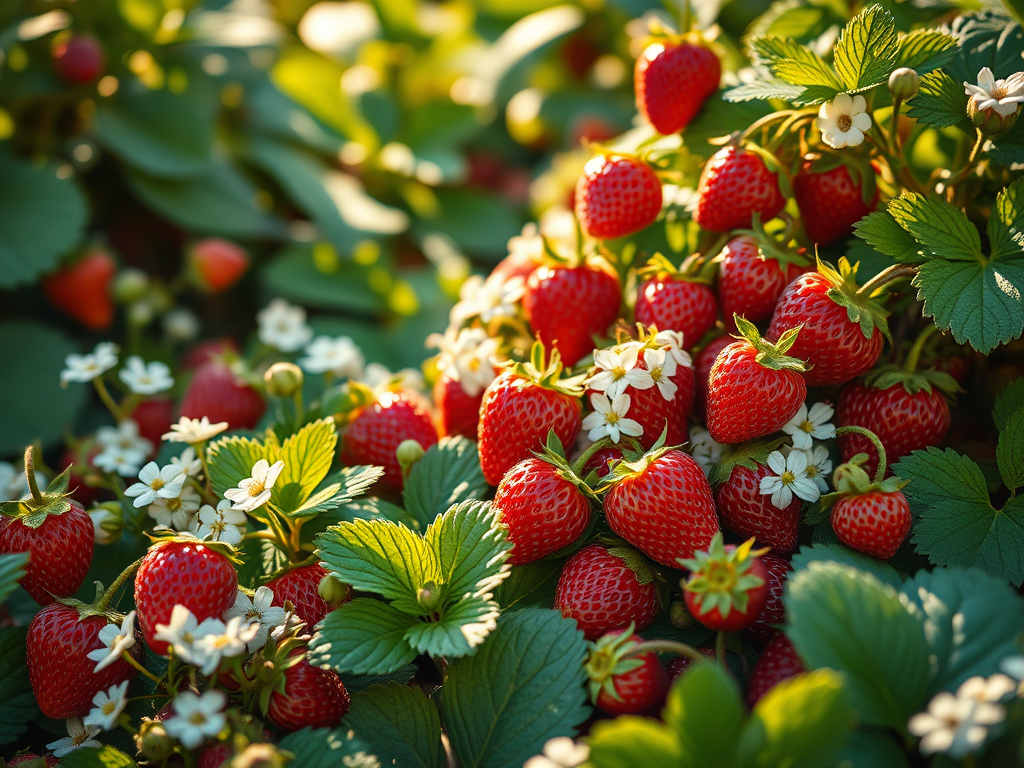
Forest strawberries, also known as wild strawberries or Fragaria vesca, weren’t so much “discovered” by a single person as they were gradually recognized and used by various cultures over thousands of years.
Here’s a quick timeline of their historical journey:
🏞️ Prehistoric Use: 🧬 Archaeological Evidence of Wild Strawberries
Archaeological findings suggest that wild strawberries (Fragaria vesca, F. moschata, and F. viridis) were consumed by humans as far back as the Neolithic era**—that’s over 10,000 years ago. Here’s what researchers have uncovered:
Charred seeds and plant remains of wild strawberries have been found at prehistoric sites across Europe, indicating they were part of early human diets.
In Neolithic settlements, especially in regions like Scandinavia and Central Europe, strawberry seeds have been discovered in food waste pits and storage areas.
Ancient Rome, they were linked to the goddess Aphrodite and love. Also reference strawberries, not just as food but for medicinal use—suggesting they were both foraged and valued for their healing properties. The Romans were among the first to document the use of wild strawberries for medicinal purposes. They believed the berries could treat everything from depression to fever.
In medieval Europe, strawberries were cultivated in monastic gardens and used in remedies for fevers and digestive issues. Manuscripts from the 1300s even include recipes using strawberry leaves to treat abscesses.
🍓 Cultural Significance
Beyond their nutritional value, wild strawberries held symbolic meaning:
In Christian iconography, the three-part leaf symbolized the Holy Trinity, and the red fruit represented Christ’s blood.
So, forest strawberries weren’t just tasty—they were woven into the very fabric of early human culture and belief.
Archaeological evidence suggests that wild strawberries were consumed by prehistoric peoples in Europe and the Americas. They were foraged long before formal cultivation began.
🌿 14th Century Europe: Forest strawberries began appearing in European gardens. French monks and gardeners cultivated them in small plots, appreciating their flavor and ornamental value. The 1300s and peek into the gardens of medieval Europe. 🌿🍓
🍓 Forest Strawberries in the 14th Century
During the 14th century, wild strawberries (Fragaria vesca) began to be cultivated in European gardens**, especially in France. But they weren’t grown primarily for food—at least not at first:
Aesthetic Appeal: These berries were prized for their delicate white flowers and sweet fragrance. In fact, they were often planted in pleasure gardens of aristocrats simply for their beauty and scent.
Royal Cultivation: By 1368, King Charles V of France had 1,200 strawberry plants growing in the gardens of the Louvre Palace in Paris. That’s a royal endorsement if ever there was one!
Medicinal Use: Medieval herbalists believed strawberries had cooling properties. They used the leaves and fruit in remedies for fevers, swelling, and digestive issues. A 14th-century manuscript from northern France even includes a recipe using strawberry leaves to treat abscesses.
Monastic Gardens: Monks also played a role in cultivating strawberries, often growing them in monastery gardens for both spiritual symbolism and healing purposes.
These early strawberries were smaller and more fragile than today’s varieties, but they were already deeply woven into the cultural and medicinal fabric of medieval life.
🌎 17th Century America: European colonists encountered the Virginia strawberry (Fragaria virginiana) in North America. This species, along with the Chilean strawberry (Fragaria chiloensis), later contributed to the creation of the modern garden strawberry.he Atlantic to 17th-century America, where the story of the Virginia strawberry (Fragaria virginiana)** begins to shape the future of the fruit world. 🍓
🌎 The Virginia Strawberry in Colonial America
Native to North America, Fragaria virginiana was already well-known to Indigenous peoples, who used it in food, medicine, and ceremonies.
When European colonists arrived in the early 1600s, they encountered this hardy, flavorful berry growing wild across the eastern woodlands—from the Appalachian Mountains to the Great Lakes.
Colonists were impressed by its sweetness and adaptability, and by the mid-1600s, they began sending specimens back to Europe.
✈️ Transatlantic Journey and Global Impact
The Virginia strawberry reached Europe in the 1600s, but it wasn’t immediately embraced. It took until the late 1700s for it to gain popularity, especially in England.
Meanwhile, in 1714, a French spy brought the Chilean strawberry (Fragaria chiloensis)** to France. It had larger fruit but was less cold-hardy.
These two species—F. virginiana and F. chiloensis—were eventually hybridized in Europe, giving rise to the modern garden strawberry (Fragaria × ananassa)**, which combined size and flavor with resilience.
🧬 Botanical Legacy
Fragaria virginiana is an octoploid species, meaning it has eight sets of chromosomes. This made it genetically compatible with F. chiloensis, enabling successful hybridization.
Today’s supermarket strawberries owe much of their flavor and cold tolerance to this humble North American native.
From forest floor to global fame, the Virginia strawberry played a starring role in one of the most delicious botanical success stories in history
So, while no single person can claim credit for “discovering” forest strawberries, they’ve been a beloved part of human diets and herbal traditions for millennia.
The story of strawberry hybridization is a botanical thriller full of chance encounters, international intrigue, and genetic surprises. 🍓✨
🌍 The Accidental Origins of the Modern Strawberry
The modern garden strawberry (Fragaria × ananassa) didn’t exist until the 18th century, and it was the result of a happy accident in France:
In 1714, a French spy named Amédée-François Frézier brought back plants of the Chilean strawberry (Fragaria chiloensis)** from South America. These had large, juicy fruit but were poor at self-pollination in Europe’s climate.
Meanwhile, the Virginia strawberry (Fragaria virginiana)**, native to North America, had smaller but flavorful berries and was already growing in European gardens.
When these two species were planted near each other, they cross-pollinated naturally, producing a hybrid that combined the size of the Chilean berry with the flavor and hardiness of the Virginian.
Voilà! The modern cultivated strawberry was born—Fragaria × ananassa.
🧬 Why It Worked: The Genetics
Both parent species are octoploids, meaning they have eight sets of chromosomes, which made them genetically compatible.
This compatibility allowed for successful hybridization, resulting in a fertile offspring that could be propagated and improved over time.
🔬 Modern Insights
Recent genetic studies show that the modern strawberry’s ancestry is even more complex than once thought:
It likely involved multiple ancient species and repeated hybridization events over centuries.
Scientists are now using this knowledge to reconstruct the strawberry’s lineage and breed new varieties that are more resilient and flavorful.
So, the next time you bite into a strawberry, you’re tasting the result of centuries of botanical matchmaking and a bit of espionage.
Strawberries pack a powerful punch for such a small fruit, Brinder! 🍓 Here’s a breakdown of their health value that makes them a superstar in the nutrition world:
🧬 Nutritional Highlights
Vitamin C: Just 8 strawberries provide more vitamin C than an orange—great for immune support and skin health.
Fiber: Helps with digestion, keeps you full longer, and supports heart health.
Antioxidants: Rich in polyphenols and anthocyanins, which help fight inflammation and oxidative stress.
Manganese & Potassium: Support bone health, metabolism, and blood pressure regulation.
Folate (Vitamin B9): Important for cell function and especially vital during pregnancy.
❤️ Health Benefits
Heart Health: Antioxidants in strawberries may reduce LDL cholesterol and lower blood pressure.
Blood Sugar Control: Despite their sweetness, strawberries have a low glycemic index and may improve insulin sensitivity.
Brain Boost: Studies suggest regular consumption may slow cognitive decline and reduce the risk of Alzheimer’s.
Cancer Protection: Some compounds in strawberries may help prevent certain cancers by reducing inflammation and oxidative damage
Sure thing, Brinder! Let’s break down the vitamin composition of strawberries—these little red gems are more than just sweet treats. 🍓
🧪 Key Vitamins in Strawberries (per 100g serving)
| Vitamin | Amount | % Daily Value (DV) | Role in the Body |
|---|---|---|---|
| Vitamin C | ~59 mg | ~98% | Immune support, skin health, antioxidant |
| Folate (B9) | ~24 µg | ~6% | Cell growth, DNA synthesis |
| Vitamin B6 | ~0.05 mg | ~3% | Brain development, metabolism |
| Vitamin K | ~2.2 µg | ~3% | Blood clotting, bone health |
| Vitamin A (RAE) | ~1 µg | <1% | Vision, immune function |
| Vitamin E | ~0.3 mg | ~2% | Antioxidant, skin protection |
| Niacin (B3) | ~0.4 mg | ~2% | Energy production, skin health |
“These values are approximate and can vary slightly depending on the variety and ripeness of the strawberries.“
🍓 Why It Matters
Vitamin C is the standout—just a handful of strawberries can meet your daily needs.
Folate is especially important for pregnant individuals and supports healthy cell division.
Though not a major source of fat-soluble vitamins like A or E, strawberries still contribute to your overall nutrient intake.
Healthy Strawberry Rhubarb Crisp
Choosing China
This recipe has a rating of 5.0 stars from 16 reviewers.
5.0 (16)
1h 0m · 185 cals · 8 servings
Ingredients
•3 cups Strawberries
•2 cups Rhubarb
•0.33 cup Orange Juice
•3 tablespoons Cornstarch
•0.25 cup Maple Syrup
•0.5 cup Gluten-Free Rolled Oats
•0.5 cup Almond Flour
•0.25 cup Coconut Sugar
•0.5 teaspoon Cinnamon
•0.25 teaspoon Salt
•0.25 cup Vegan Butter
.st0{fill:#0AAD0A;} .st1{fill:#FF7009;} .st2{fill:none;}
Shop ingredients on Instacart
Instructions
Preheat the oven to 375 degrees F.
Add the chopped strawberries and rhubarb to a large mixing bowl. Mix the orange juice, cornstarch and maple syrup together until combined and then add to the mixing bowl, tossing everything together.
In a food processor, add all the crisp topping ingredients and pulse until crumbly. You can alternatively use a bowl and your hands, pressing until you get a crumbly mixture.
Pour the fruit mixture into an 8×8 inch baking dish then add the crumble topping.
Bake for 45-50 minutes, then remove from the oven and let cool for at least 15 minutes before serving.
🥣 Breakfast Boosters
Strawberry Oatmeal Bowl: Top warm oats with sliced strawberries, chia seeds, and a drizzle of honey or almond butter.
Greek Yogurt Parfait: Layer strawberries with Greek yogurt and granola for a protein-packed start.
Strawberry Banana Muffins: Made with whole wheat flour and sweetened with honey—perfect for grab-and-go mornings.
🥗 Light & Fresh Meals
Strawberry Spinach Salad: Toss with walnuts, feta, and balsamic vinaigrette for a sweet-savory combo.
Strawberry Salsa: Mix diced strawberries with red onion, cilantro, and lime juice—great on grilled chicken or fish.
Chilled Strawberry Soup: Blend strawberries with Greek yogurt and mint for a refreshing summer starter.
🍨 Guilt-Free Treats
Strawberry Rhubarb Crisp: Made with almond flour and maple syrup for a naturally sweet dessert.
Strawberry Nice Cream: Blend frozen strawberries with banana for a dairy-free, no-sugar-added ice cream alternative.
Dehydrated Strawberry Chips: A crunchy, portable snack that’s just fruit and a touch of natural sweetness.
🧃 Sips & Sweets
Strawberry Smoothie: Blend with spinach, almond milk, and flaxseed for a nutrient-rich drink.
Strawberry Yogurt Bark: Freeze Greek yogurt with sliced strawberries and a sprinkle of dark chocolate chips for a cool snack.
Want me to whip up a custom recipe based on what you’ve got in your kitchen? Or maybe something fancy for a brunch spread?
While strawberries are a nutritional powerhouse for most, there are a few folks who should be cautious or avoid them altogether. 🍓⚠️
🚫 Who Should Avoid or Limit Strawberries
People with Strawberry Allergies This is the most serious concern. Symptoms can include:
Itchy mouth or throat
Skin rashes or hives
Gastrointestinal distress (nausea, vomiting, diarrhea)
Respiratory issues or even anaphylaxis in severe cases2
Those with Oral Allergy Syndrome (OAS) Some people allergic to birch pollen may react to strawberries due to cross-reactivity. This can cause tingling or itching in the mouth and throat.
Individuals Prone to Kidney Stones Strawberries contain oxalates, which can contribute to calcium oxalate kidney stones. If you’ve had these before, moderation is key.
People with Histamine Intolerance Strawberries are naturally high in histamine and may trigger symptoms like headaches, hives, or digestive upset in sensitive individuals.
Diabetics (in excess) While strawberries have a low glycemic index, eating large amounts can still affect blood sugar. Portion control is important.
Infants and Toddlers Due to potential allergies and choking hazards, strawberries should be introduced carefully and in small, soft pieces.
READ MORE: Strawberries are usually well tolerated, but allergy is fairly common — especially in young children.
Strawberries contain a protein that can cause symptoms in people who are sensitive to birch pollen or apples — a condition known as pollen-food allergy (Trusted Source, Trusted Source, Trusted Source).
Common symptoms include itching or tingling in the mouth, hives, headaches, and swelling of the lips, face, tongue, or throat, as well as breathing problems in severe cases more
If you’re unsure whether strawberries are safe for you, it’s always best to check with a healthcare provider.
 EJADA
EJADA 
Leave a comment