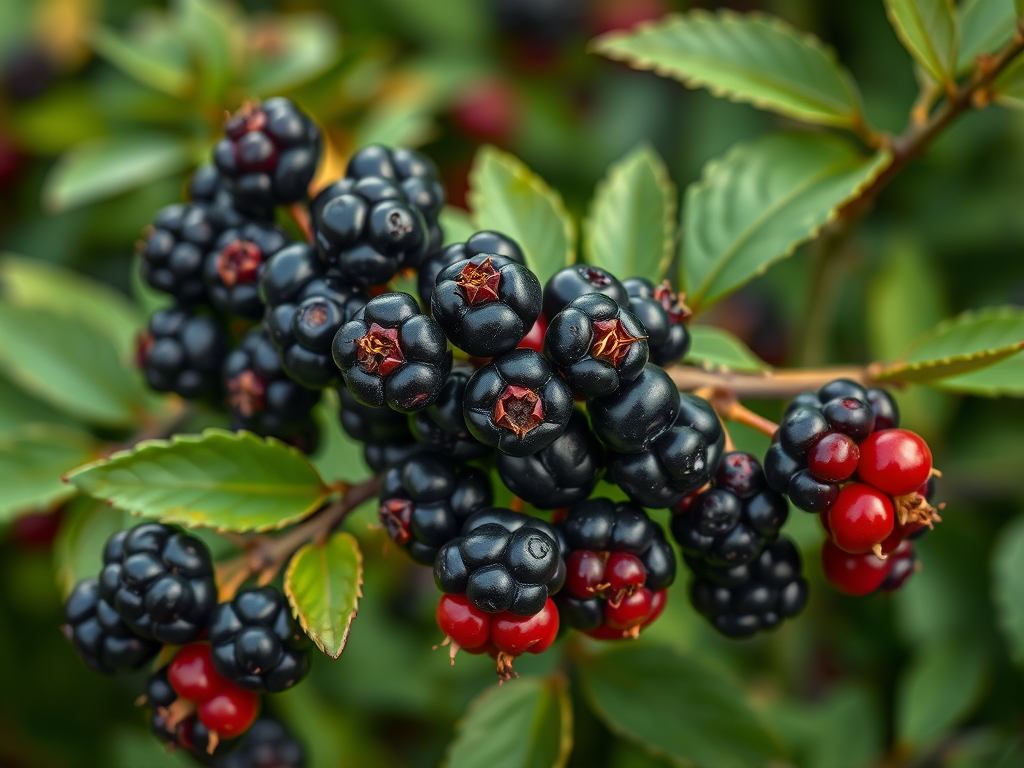
Farkleberry (Vaccinium arboreum) is best known for its small, tart, black berries—which are prized for making jams, jellies and pies—and for its value as a late-season food source for wildlife in the wild and as an ornamental, drought-tolerant shrub in landscaping.
Medicinal use of Vaccinium arboreum dates back centuries among Native American tribes in the southeastern United States, who made decoctions from the root bark to treat gastrointestinal ailments and used berry poultices for wounds. The shrub’s shiny black fruit first entered the written record under the name “sparkleberry” in botanical literature in 1891; the variant name “farkleberry” emerged soon after as a folk mispronunciation.
Farkleberries pack a potent nutritional punch: they’re rich in antioxidants and vitamins—especially vitamin C and A—as well as minerals like calcium and potassium, plus dietary fiber. These compounds support immune function, aid digestion, promote healthy skin, and combat oxidative stress. Traditional herbal uses exploit their astringent properties to help relieve diarrhea, dysentery, sore throats, chronic eye inflammation (ophthalmia) and leucorrhoea2.
How farkleberry’s therapeutic mojo has evolved over time:
Traditional Uses
Astringent decoctions of root bark to curb diarrhea and dysentery
Berry poultices applied topically for wound healing and skin inflammations
Infusions to soothe sore throats and chronic eye irritations (ophthalmia)
Remedies for leucorrhoea and other mucosal discharges,Leucorrhoea—also spelled leukorrhea—is a medical term for an abnormal vaginal discharge, typically white or yellowish in color. It can be either physiological (normal) or pathological (a sign of infection or other health issue).
Types of Leucorrhoea:
Physiological leucorrhoea This is a normal, odorless discharge that helps cleanse and protect the vaginal tract. It often occurs:
During ovulation or pregnancy
In newborn girls (due to maternal hormones)
As a sign of puberty in adolescents
Pathological leucorrhoea This type is caused by infections (bacterial, fungal, or parasitic), poor hygiene, or underlying health conditions. It may be:
Yellow or greenish
Foul-smelling
Accompanied by itching, back pain, or abdominal discomfort.
Common Causes:
- Estrogen imbalance
- Cervical or vaginal infections
- Poor genital hygiene
- Use of irritating contraceptives
- Nutritional deficiencies
- Sexually transmitted infections (STIs)
When to Seek Help:
If the discharge is persistent, has a strong odor, or is accompanied by pain, itching, or fever, it’s best to consult a healthcare provider. Treatment depends on the underlying cause and may include antibiotics or antifungals.
Read More @ verywellhealth.com
Pregnancy is an exciting and unusual time during which your body will go through numerous changes. One change you may not expect is an increase in vaginal discharge, called leukorrhea. In most cases, this is a normal and healthy change. Still, sometimes it could be a sign of infection.
When it comes to anything involving your health or body, a qualified healthcare provider is always the best source for answers tailored to you. I can offer information and context, but a medical professional can assess your specific situation and ensure any symptoms are properly treated.
Modern Benefits
Antioxidant powerhouse: rich in anthocyanins to neutralize free radicals
Immune support: high in vitamin C and vitamin A precursors
Digestive health: good source of dietary fiber with mild prebiotic effects.
Mineral boost: provides calcium and potassium for bone strength and cardiovascular function.
Anti-inflammatory potential: plant compounds that may help reduce systemic inflammation.
Skin and eye health: vitamins and flavonoids that support collagen synthesis and vision.
Beyond these established perks, early-stage studies are exploring farkleberry extracts for metabolic health (blood-sugar regulation) and even neuroprotective effects.
Farkleberries are generally safe to eat in moderation, especially when ripe. But there are a few groups who might want to steer clear or be cautious:
People with berry allergies – If you’re allergic to other berries like blueberries or cranberries (also in the Vaccinium genus), farkleberries could trigger a reaction.
Those with sensitive stomachs – The berries are quite tart and astringent, which might cause digestive discomfort in some people, especially if eaten raw in large amounts.
Young children – Because of their small size and seeds, they could pose a choking hazard or cause mild stomach upset.
Pregnant or breastfeeding individuals – There’s limited research on the safety of farkleberries during pregnancy or lactation, so it’s best to consult a healthcare provider before consuming them regularly.
Anyone foraging in the wild – Always be 100% sure of identification. Farkleberries resemble some inedible or toxic berries, so misidentification is a real risk.
Nature’s Tart Treasure with a Healing Past
Tucked among the wild landscapes of the southeastern U.S., the farkleberry (Vaccinium arboreum) quietly offers more than meets the eye. Known for its small, tart, black berries, this rugged shrub isn’t just a forager’s delight—it’s a natural remedy, wildlife favorite, and a landscaping gem rolled into one.
If you’re trying them for the first time, start small and see how your body reacts.
 EJADA
EJADA 
Leave a comment