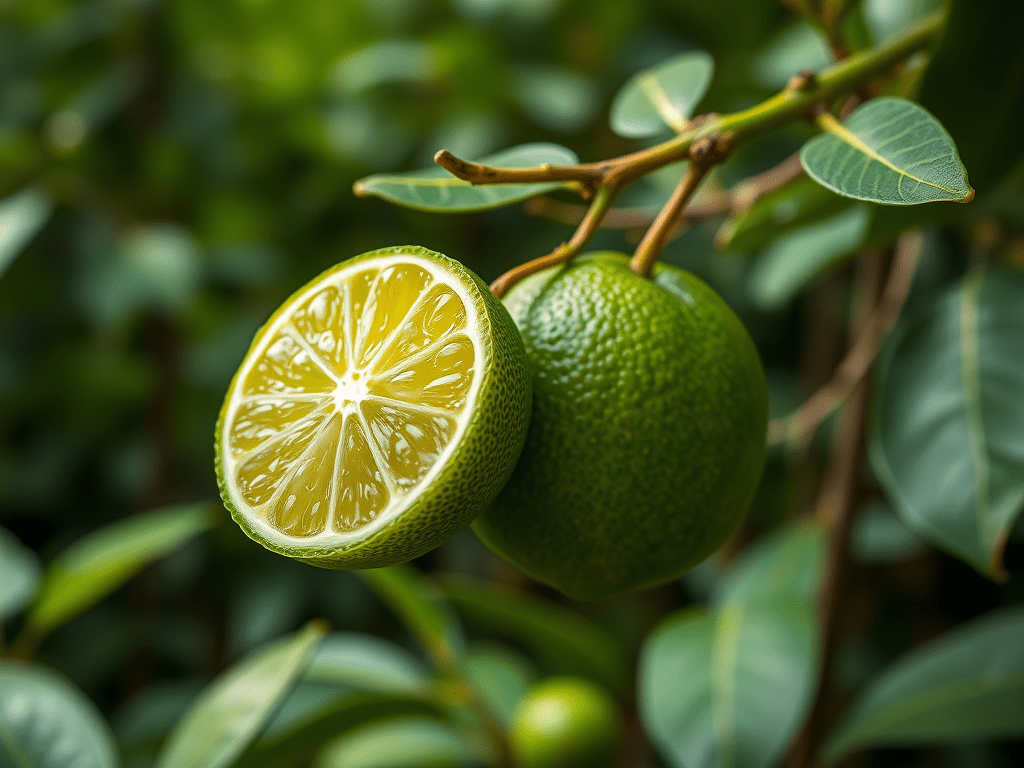
Finger lime (Citrus australasica), often called “citrus caviar,” is a remarkable fruit native to the rainforests of eastern Australia, particularly in regions traditionally inhabited by the Barunggam, Wakka Wakka, Bundjalung, Gumbainggir, and Yugambeh peoples.
🧬 Botanical & Nutritional Profile
Family: Rutaceae (citrus family)
Shape: Elongated, finger-like (hence the name)
Pulp: Vesicles resemble caviar, bursting with tart flavor
Nutrients: Rich in vitamin C, E, folate, potassium, and antioxidants
🌿 Historical Origins
Used for thousands of years by Indigenous Australians, finger limes are deeply embedded in Aboriginal cultural and culinary traditions.
Traditional name: Gulalung in Bundjalung language.
Habitat: Naturally found in subtropical rainforests of southeast Queensland and northern New South Wales.
🍽️ Traditional Uses
🥗 Culinary
Bush tucker: Eaten raw or added to bush salads for a citrusy burst.
Seafood pairing: Used as a natural condiment with fish, oysters, and crustaceans.
Traditional drinks: Vesicles are squeezed into water for a refreshing, nutrient-rich beverage.
💪 Health Benefits of Finger Lime
Finger lime isn’t just a culinary gem—it’s a nutritional powerhouse with a wide range of health benefits rooted in both traditional knowledge and modern science:
🛡️ 1. Immune System Support
- Rich in vitamin C, finger lime boosts white blood cell production and enhances the body’s defense against infections.
- Traditionally used by Indigenous Australians to support general wellness during seasonal changes.
✨ 2. Skin Health & Anti-Aging
- High in vitamin E and C, which promote collagen synthesis and protect skin from oxidative stress2.
- Helps reduce signs of aging like wrinkles and dryness, aligning with its traditional use for wound healing.
🦷 3. Healthy Teeth and Gums
- Vitamin C supports gum health and helps prevent scurvy-like symptoms, especially important in traditional diets lacking processed foods.
👁️ 4. Eye and Vision Support
- Contains antioxidants like lutein and zeaxanthin, which are known to protect against age-related macular degeneration.
❤️ 5. Cardiovascular Health
- Potassium helps regulate blood pressure, while antioxidants reduce inflammation and oxidative stress in blood vessels.
🩸 6. Iron Absorption & Anemia Prevention
- Vitamin C enhances non-heme iron absorption, making finger lime a valuable addition to plant-based diets.
🔥 7. Anti-Inflammatory Properties
- Flavonoids and phenolic compounds help reduce chronic inflammation, which is linked to heart disease, arthritis, and autoimmune conditions3.
🧠 8. Mood & Cognitive Support
- Emerging research suggests that antioxidants in finger lime may help protect brain cells from oxidative damage, supporting mental clarity and mood balance.
🧪 Bonus: Scientific Backing
Finger lime contains limonoids, flavonoids, and phenolic acids, all of which have been studied for their anti-cancer, anti-inflammatory, and antimicrobial properties.
🌍 Cultural Significance
Harvesting was communal, reinforcing social bonds and sustainable practices.
Symbol of connection to land: Finger limes are part of a broader Indigenous philosophy of living in harmony with nature.
Spiritual connection: Symbolizes harmony with land and ancestral knowledge
Sustainable harvesting: Traditionally gathered in community, respecting seasonal cycles
Language preservation: Known as Gulalung in Bundjalung, reinforcing linguistic heritage
🌱 Modern Revival
Gourmet cuisine: Featured in fine dining and mixology
Skincare: Used in natural cosmetics for its antioxidant properties
Agroecology: Grown in permaculture systems, supporting biodiversity
“Read More: Plant Description
Finger Lime is a medium to large armed, thorny understorey shrub or small tree that grows about 2–7 m (6 ft. 7 in–23 ft. 0 in) tall with spines up to 25 mm long. The plant is found growing in a wide range of soils in tropical and subtropical rainforest communities and in dry and subtropical lowland. The plant prefers deep loamy soils with adequate irrigation. Soil should be nutrient-rich, with high levels of organic matter, with slightly acidic soil.
Leaves
Leaves are small, glabrous, obovate to elliptic or more or less rhombic, 1–5 cm long by 3–25 mm wide, with notched apex, cuneate base, margins often crenate towards apex, oil glands numerous, aromatic when crushed and borne on 1–3 mm wingless petioles. New growth is purple in color and one-quarter inch wide. Healthbenefitstimes.com
READ MORE:
Boosts Immune System Function
Thanks to their high levels of vitamin C and antioxidants, finger limes are excellent for strengthening the immune system. Vitamin C enhances the production of white blood cells, which are essential for fighting off infections and maintaining immune health.
Antioxidants in finger limes also help reduce inflammation and oxidative stress in the body, which can weaken the immune system over time. Including finger limes in your diet can help improve your body’s ability to fend off illnesses like the common cold, flu, and other viral or bacterial infections. https://scientificorigin.com
Excellent question, Brinder. Here are three key scientific sources that support the health benefits of finger lime (Citrus australasica), aligning beautifully with both traditional knowledge and modern research:
📚 Scientific Studies Supporting Finger Lime’s Health Benefits
1. In Vitro Bioactivity of Australian Finger Lime Cultivars
🔬 Published in Nutraceuticals (2024) Key Findings:
Finger lime extracts showed antioxidant activity (via FRAP, CUPRAC, and TPC assays).
Some cultivars demonstrated moderate acetylcholinesterase inhibition, suggesting potential for cognitive support.
Peel extracts had higher antioxidant content than pulp.
No significant anti-diabetic or anti-inflammatory activity was found in this study, but the antioxidant potential was notable. 🔗 Read the full study
2. Phytochemicals in Finger Lime and Their Potential Health Benefits: A Review
📘 Published in Food Reviews International (2023) Key Findings:
Finger lime contains phenolic acids, flavonoids, anthocyanins, carotenoids, and vitamins.
These compounds contribute to:
Antioxidant activity
Anti-obesity and anti-diabetic potential
Cardiovascular protection
Cancer risk reduction
The review emphasizes finger lime’s potential as a functional food or nutraceutical. 🔗 Access the review
3. Science-Backed Health Benefits of Finger Lime
Highlights:
Finger lime is rich in vitamin C, E, potassium, and dietary fiber.
Offers immune-boosting, skin-enhancing, and anti-inflammatory benefits.
Contains flavonoids and essential oils with antimicrobial properties. 🔗 Explore the summary.
Those who should avoid or limit finger lime consumption, based on both scientific findings and general dietary caution:
⚠️ Who Should Avoid or Limit Finger Lime
1. People with Citrus Allergies
Finger lime is a member of the citrus family (Rutaceae), so individuals allergic to oranges, lemons, or limes may also react to finger lime.
Symptoms may include itching, swelling, hives, or in rare cases, anaphylaxis.
2. Individuals with Sensitive Digestive Systems
Excessive consumption may cause:
Stomach irritation
Acid reflux
Bloating or diarrhea
This is due to its high acidity and fiber content, which can be harsh on sensitive stomachs.
3. People Taking Certain Medications
Citrus fruits can sometimes interfere with medications, especially:
Statins (cholesterol-lowering drugs)
Calcium channel blockers
Immunosuppressants
While finger lime hasn’t been specifically studied for these interactions, it’s best to consult a healthcare provider if you’re on such medications.
4. Infants and Toddlers
The acidic nature and small vesicles pose a choking hazard and may irritate delicate digestive systems.
Not recommended for children under 2 years without supervision.
5. People with Kidney Issues
Finger lime contains moderate potassium (about 145–172 mg per 100g).
Those with chronic kidney disease or on potassium-restricted diets should monitor intake.
✅ Safe Consumption Tips
Start small: Introduce finger lime in small amounts to test tolerance.
Eat raw: To preserve vitamin C and avoid added sugars or preservatives.
Pair with food: Helps buffer acidity and reduce digestive irritation.
⚠️ As with any new food, it’s important to know your limits. If you have allergies, medical conditions, or are taking prescription medications, consult a qualified healthcare professional before adding finger lime to your diet.
 EJADA
EJADA 
Leave a comment