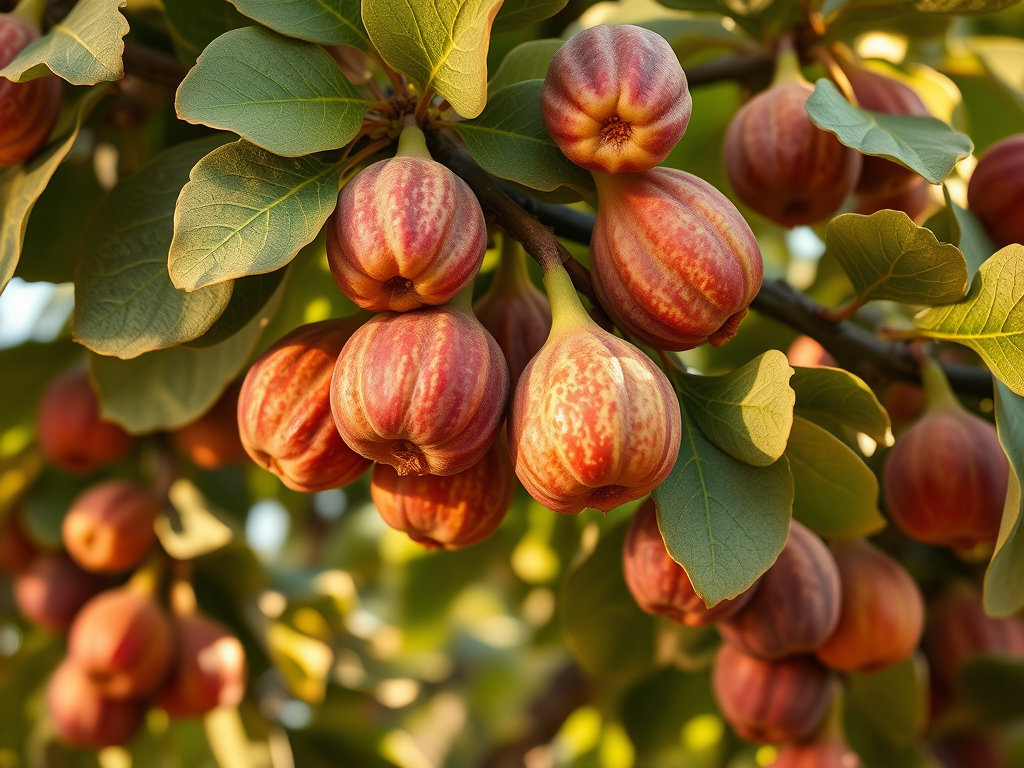
Figs are not only delicious but also historically significant—they may have been the first cultivated plant in human history.
🌿 Origins and Early Use of Figs
First Domesticated Crop (~11,400 years ago) Archaeobotanical evidence from the Neolithic village of Gilgal I, near ancient Jericho in the Jordan Valley, shows that humans were cultivating parthenocarpic (seedless) figs as early as 11,400 years ago. These figs grew on sterile female trees and could only be propagated by human intervention, by planting cuttings rather than seeds.
They produce three crops a year, making them a reliable food source.
They are easy to propagate—cuttings root easily in soil.
Their sweetness and high sugar content made them desirable.
They could be dried and stored, ideal for early sedentary communities.
🍽️ Cultural and Culinary Significance
Ancient Civilizations: Figs were consumed in Mesopotamia, Egypt, and the Mediterranean. Sumerian tablets from 2500 BCE mention their culinary use.
Symbolism: Figs appear in religious texts and traditions across Judaism, Christianity, Islam, Hinduism, and Buddhism, often symbolizing fertility, peace, and prosperity.
Medicinal and Nutritional Use; Ancient physicians like Pliny the Elder praised figs for their restorative powers. They were also used as natural sweeteners before the widespread use of sugar
The medicinal legacy of figs across ancient cultures is then compared with dates and olives, two other historically significant fruits.
🌿 Medicinal Use of Figs in Ancient Cultures
Figs (Ficus carica) were revered not just for their sweetness but for their therapeutic properties across civilizations:
🧘 Ayurveda & Traditional Chinese Medicine (TCM)
Ayurveda: Figs were used as a laxative, digestive aid, and remedy for respiratory issues. They were believed to balance the doshas and support reproductive health.
TCM: Used to moisten the lungs, relieve coughs, and detoxify the body. Fig decoctions were common in treating throat and lung ailments.
🏺 Ancient Egypt
Figs were sacred and medicinal—used in sweeteners, poultices, and even mummification. Dried figs were found in tombs dating back to 4000 BCE.
🏛️ Greece & Rome
Dioscorides, the Greek herbalist, praised figs in De Materia Medica for treating throat infections, constipation, and as an antidote to poisons.
Roman laborers ate figs for energy and vitality, and they were used to stabilize the liver and spleen.
🕌 Islamic & Persian Medicine
The Quran mentions figs in Surah At-Tin, symbolizing their divine value.
Ibn Sina (Avicenna) used figs to treat hemorrhoids, arthritis, liver conditions, and memory loss.
🥇 Figs vs. Dates vs. Olives: A Historical & Nutritional Comparison
| Feature | Figs | Dates | Olives |
|---|---|---|---|
| Botanical Origin | Inverted flower (Ficus carica) | Fruit of date palm (Phoenix dactylifera) | Drupe (fruit of Olea europaea) |
| Domestication Era | ~11,400 years ago (Jordan Valley) | ~6,000 BCE (Arabian Peninsula) | ~6,000–8,000 years ago (Levant) |
| Medicinal Use | Laxative, respiratory aid, detoxifier | Energy booster, digestive aid, aphrodisiac | Anti-inflammatory, cardiovascular health, wound healing |
| Nutritional Highlights | High in sugar, potassium, and iron | High in healthy fats, vitamin E, and polyphenols | Anti-inflammatory, cardiovascular health, and wound healing |
| Symbolism | Fertility, peace, prosperity | Abundance, hospitality, vitality | Peace, wisdom, endurance |
| Cultural Reach | Mediterranean, Middle East, Asia | Middle East, North Africa | Mediterranean, Middle East |
Figs are higher in fiber and calcium than dates, while olives offer healthy fats and anti-inflammatory compounds. Each fruit played a unique role in ancient diets and healing systems.
Figs are a powerhouse of nutrition and have been used for centuries for their health-promoting properties. Here’s a comprehensive look at their science-backed health benefits:
🌿 Top Health Benefits of Figs
1. Supports Digestive Health
Rich in dietary fiber, figs help regulate bowel movements and relieve constipation.
They act as prebiotics, feeding beneficial gut bacteria and improving overall gut health2.
2. Promotes Heart Health
Figs may help lower blood pressure and cholesterol due to their potassium, magnesium, and soluble fiber (like pectin).
Some studies suggest fig leaf extract can improve vascular function and reduce triglycerides3.
3. Regulates Blood Sugar
Despite their natural sweetness, figs—especially fig leaf tea—may help stabilize blood sugar levels and improve insulin sensitivity.
Their fiber content slows sugar absorption, making them a smart snack for blood sugar control.
4. Strengthens Bones
Figs contain calcium, magnesium, and vitamin K, all essential for bone density and strength.
Regular consumption may help reduce the risk of osteoporosis.
5. 🛡️ Fights Inflammation and Oxidative Stress
Figs are rich in antioxidants, including polyphenols and flavonoids, which help combat inflammation and cellular damage.
These compounds may also contribute to cancer prevention, though more human studies are needed.
6. 🧠 Supports the Brain and Nervous System
High in copper and vitamin B6, figs aid in neurotransmitter function and brain health.
7. 🌟 Enhances Skin and Hair Health
Figs’ antioxidants and iron content may help reduce wrinkles, improve skin hydration, and support healthy hair growth.
8. ⚖️ Aids in Weight Management
Their fiber content promotes satiety, helping you feel full longer and potentially reducing overall calorie intake.
🧪 Nutritional Snapshot (per 40g fresh fig)
| Nutrient | Amount |
|---|---|
| Calories | 30 kcal |
| Fiber | 1 g |
| Sugar | 6.5 g |
| Copper | 3% DV |
| Vitamin B6 | 3% DV |
| Potassium | 2% DV |
| Magnesium | 2% DV |
| Vitamin K | 2% DV |
Dried figs are more calorie-dense and higher in sugar, so portion control is key if you’re watching your sugar intake.
🕰️ Why This Ancient Food Is Still a Modern Superfood
Figs have stood the test of time, not just as a cultural and spiritual symbol, but as a functional food that continues to support modern wellness.
🔄 Timeless Nutritional Value
What made figs valuable to Neolithic farmers—fiber, natural sugars, and essential minerals—are the same reasons they’re praised by today’s nutritionists. Their ability to support gut health, heart function, and bone strength makes them a staple in modern diets.
🌱 Plant-Based and Sustainable
Figs are naturally vegan, gluten-free, and low in fat, aligning with contemporary dietary trends. Their cultivation requires minimal inputs, making them a sustainable crop in arid regions.
🧬 Backed by Science
Modern research confirms what ancient healers intuited: figs are rich in antioxidants, anti-inflammatory compounds, and prebiotics. Fig leaf extract is even being studied for its potential in diabetes management and cardiovascular health.
🧘 Holistic Wellness
From Ayurveda to Mediterranean diets, figs are embraced in holistic health systems that emphasize balance, longevity, and natural healing—values that resonate deeply with today’s wellness culture.
SUMMARY: In a world rediscovering the power of ancient wisdom, figs are a perfect example of how tradition and science can nourish us, body and soul.
 EJADA
EJADA 
Leave a comment