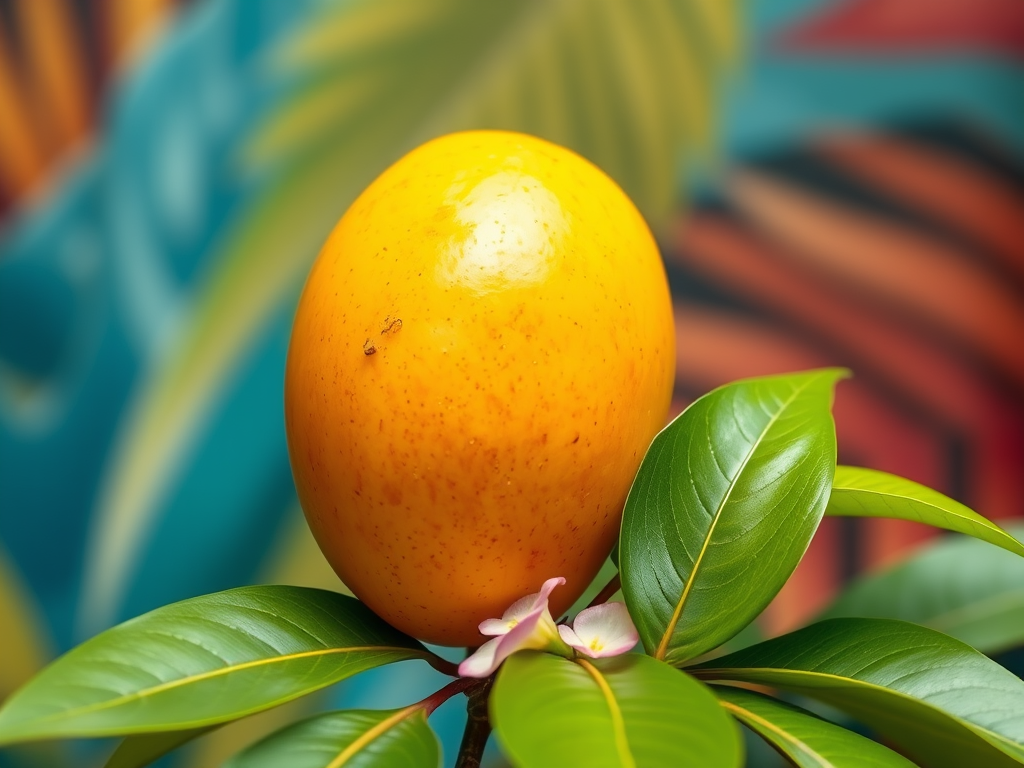
The Fascell is a type of mango—specifically, a commercial cultivar that originated in South Florida. It was developed by Michael Fascell in 1929 as a hybrid between the ‘Haden’ and ‘Brooks’ mango varieties. The tree first bore fruit in 1936 and was patented in 1941, making it one of Florida’s earliest patented mango cultivars2.
As for medicinal use, while there’s no specific record of the Fascell mango itself being used medicinally at a particular point in history, mangoes in general (Mangifera indica) have a long-standing reputation in traditional medicine. Mango flesh contains beneficial compounds like mangiferin, gallotannins, and polyphenols, which have been studied for their antioxidant, anti-inflammatory, and metabolic health benefits. These properties have made mangoes a staple in various traditional healing systems, especially in South Asia.
So while the Fascell mango may not have a documented medicinal debut, it certainly shares in the mango family’s healthful legacy.
🥭 Nutritional Perks of Mangoes
Mangoes are more than just a tropical treat—they’re a powerhouse of nutrients:
Vitamin C: One cup provides about 67% of your daily needs, boosting immunity and aiding iron absorption.
Vitamin A: Supports eye health and skin regeneration.
Folate & B6: Essential for brain function and fetal development.
Polyphenols: Including mangiferin, a potent antioxidant with anti-inflammatory and potential anticancer properties.
Fiber: Aids digestion and helps regulate blood sugar when eaten in moderation.
And despite their sweetness, fresh mangoes are relatively low in calories—about 99 per cup.
🌿 Medicinal Mango Varieties & Traditional Uses
Mangoes have been used in traditional medicine for centuries, especially in Ayurveda. Here are a few varieties and parts of the mango tree with healing reputations:
Kalmi Mango: Sweet and cooling, used to balance Pitta and Vata doshas.
Totapuri Mango: Slightly sour, believed to aid digestion and stimulate appetite.
Langra Mango: Rich in antioxidants, traditionally linked to reducing cancer and heart disease risk.
Kesar Mango: Known as a “healing mango,” it’s packed with nutrients and used to support digestion and immunity.
Beyond the fruit, other parts of the mango tree are used medicinally:
Leaves: Brewed into teas for diabetes and digestive issues.
Bark & Seeds: Used in remedies for diarrhea, skin conditions, and even wound healing.
Flowers: Employed as a coolant and for urinary health.
The Fascell mango is indeed available in the U.S., especially in South Florida, where it was originally cultivated. You can often find it at local farmers’ markets, specialty produce stores, or nurseries that sell tropical fruit trees.
Some online retailers even offer Fascell mango trees for home growing, particularly for those in warmer climates like USDA zones 10–11.
If you’re not in a tropical zone, you might still be able to enjoy the fruit seasonally when it’s shipped from Florida—typically during June to July, which is its peak harvest window.
For the Fascell mango in the U.S., especially around Florida, here’s what you’ll most commonly find:
Fresh Mangoes (seasonal) – Available during summer months, typically June through July, at farmers’ markets and some specialty produce stores.
Mango Trees or Saplings – Sold by tropical fruit nurseries for home growers, particularly in southern states like Florida, Texas, and California.
Occasional Frozen or Processed Forms – Some niche sellers might offer frozen mango pulp or dried Fascell slices, but this is far less common due to its boutique status.
It’s not mass-produced like Tommy Atkins or Kent mangoes, so it’s more of a specialty gem than a grocery store staple.
while mangoes like the Fascell are delicious and nutritious, there are a few groups who should be cautious or avoid them altogether:
People with latex allergies: Mangoes can trigger reactions due to latex-fruit syndrome, where the proteins in mangoes resemble those in latex. This can cause anything from mild itching to severe allergic responses.
Individuals with diabetes or insulin resistance: Mangoes are naturally high in sugar—up to 24 grams per fruit—so portion control is key to avoid blood sugar spikes.
Those prone to heat-related conditions: In traditional medicine, mangoes are considered a “heating” fruit. Overconsumption, especially in hot weather, may lead to issues like acne or indigestion in sensitive individuals.
People with kidney issues: Mangoes contain potassium, which can be problematic for those on potassium-restricted diets.
Anyone with known mango allergies: Though rare, some people are allergic to mango skin or sap, which contains urushiol—the same compound found in poison ivy.
If you’re unsure, it’s always a good idea to check with a healthcare provider before diving into your next mango feast.
Here are a few tips for enjoying mangoes—like the Fascell variety—safely, especially for folks in sensitive categories:
🧤 1. If you have a latex or mango skin allergy:
- Peel carefully and avoid handling the skin directly. You can ask someone else to peel it or wear gloves.
- Eat only the inner flesh—avoid contact with the peel, stem, or sap (which contains urushiol, the same irritant as in poison ivy).
🍬 2. If you’re managing blood sugar or diabetes:
- Stick to smaller portions, and consider pairing mango with a source of protein or fiber (like nuts or yogurt) to slow sugar absorption.
- Avoid processed forms like dried mango or juice, which have concentrated sugars and less fiber.
🌡️ 3. If you’re sensitive to heat-producing foods:
- Eat mangoes in moderation, and consider soaking them in water for 30 minutes before eating—a traditional trick believed to reduce their “heat.”
⚖️ 4. If you have kidney issues:
- Be mindful of potassium levels—consult your doctor or a dietitian before adding mango to your routine.
And for everyone: fresh, ripe mangoes are best enjoyed when they’re not overripe or fermenting, since spoiled fruit can cause digestive upset.
Here’s a recipe tailored for sensitive tummies and stable blood sugar:
🧊 Cooling Mango Yogurt Smoothie (Low-Sugar + Anti-Inflammatory)
Ingredients:
- ½ cup ripe mango (peeled and diced—Fascell if you’ve got it!)
- ½ cup plain Greek yogurt (or a plant-based option like coconut yogurt)
- ¼ cup chilled water or unsweetened almond milk
- ½ tsp grated fresh ginger (soothing for digestion)
- ½ tsp ground flaxseed or chia seeds (adds fiber & healthy fats)
- Optional: a few mint leaves for extra cooling effect
Instructions:
If concerned about mango heat, soak diced mango in cool water for 30 minutes, then drain.
Blend all ingredients until smooth.
Serve chilled, garnished with mint or a sprinkle of cinnamon for flair.
This version skips added sugars, supports digestion, and pairs mango’s natural sweetness with protein and fiber to keep your energy steady.
The Fascell mango being tied to medicinal benefits is intriguing! While it’s not historically known for medicinal use on its own, it’s fascinating how mangoes in general carry such a rich health legacy across cultures.
 EJADA
EJADA 
Leave a comment