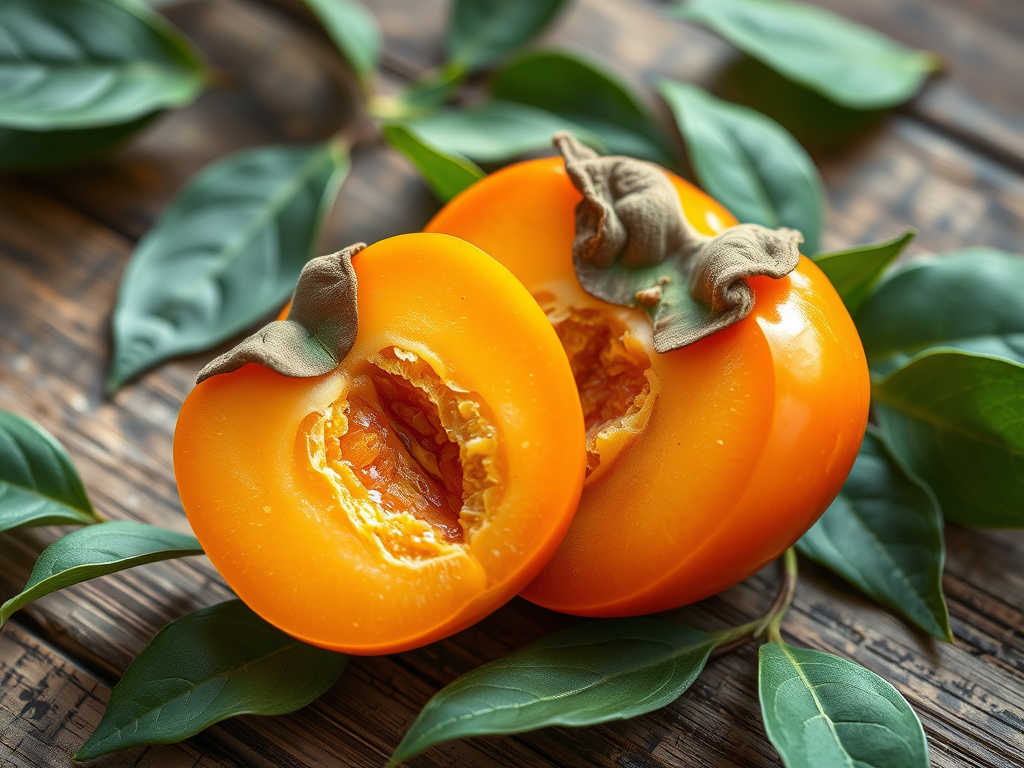
Kaki (Diospyros kaki) was first cultivated in ancient China over 2,000 years ago and by the 7th century had been introduced to Japan (and later to Korea in the 14th century), reaching Europe and North America in the 1800s. The most common names you’ll see for Diospyros kaki:
Cachi – the Italian name, widely used in Italy’s markets and culinary scene
Kaki (Japanese: 柿) – the traditional Japanese name and the species epithet in its botanical Latin name.
Persimmon – the umbrella English term for all Diospyros fruits; when it refers to D. kaki, it’s often called “Oriental persimmon” or “Japanese persimmon”1.
Asian persimmon – used interchangeably with “kaki” to distinguish it from the American persimmon (D. virginiana).
Sharon fruit – a marketing name in Europe and Israel, taken from Israel’s Sharon Plain, where persimmons were first grown for export.
From its earliest days, kaki was prized by Chinese royalty and used in traditional medicine to ease digestive complaints, soothe coughs and respiratory issues, and support general health.
Persimmons weren’t just food in China; they played an active role in ritual and ceremony:
• Imperial and ancestral offerings. As early as the Western Han (206 BC–AD 23), kaki trees were grown in the Shanglin Garden to supply fruit for the emperor’s ancestral and state rites.
• Symbol of good fortune. Because the character for persimmon (柿, shì) echoes the word for “affairs” (事, shì), dried or fresh persimmons were laid out at New Year and temple fairs to invoke “shì shì rú yì” — “may all affairs go smoothly.” Over the Tang–Song through Ming–Qing periods, persimmons featured in wedding gift trays and festival offerings as talismanic tokens of luck.
Over time, it also became a staple food: eaten fresh, dried (as Japanese hoshigaki), and turned into jams, desserts, teas, and natural sweeteners.
Modern studies have confirmed that kaki (Diospyros kaki) delivers a host of health-promoting effects beyond its traditional uses:
Potent antioxidant activity. Persimmons are loaded with carotenoids (like β-carotene), flavonoids (quercetin, kaempferol), proanthocyanidins, and gallic acid. Together, these compounds scavenge free radicals, reduce oxidative stress, and protect cells from damage linked to aging and chronic disease.
Heart-protective effects. Regular persimmon intake has been shown to lower LDL (“bad”) cholesterol and blood pressure, thanks to its soluble fiber and flavonoid content. These changes correlate with a reduced risk of cardiovascular events in epidemiological studies.
Anti-inflammatory and immune support. The anti-inflammatory phytochemicals in kaki can help tamp down markers of systemic inflammation, potentially easing symptoms in conditions like rheumatoid arthritis and asthma. Plus, it has high vitamin C and tannin levels that bolster immune defenses and respiratory health.
Gut health & weight management. With around 6 g of fiber per medium fruit, persimmons promote healthy digestion, regularity, and a feeling of fullness. Emerging research also suggests kaki fiber fosters beneficial shifts in gut microbiota, aiding weight control and metabolic health.
Antimicrobial & gastroduodenal protection Extracts from persimmon byproducts show activity against methicillin-resistant Staphylococcus aureus and Helicobacter pylori, offering a natural route to combat foodborne pathogens and stomach ulcers.
The nutraceutical potential of Hydro-ethanolic kaki extracts, rich in polyphenols, displays strong antioxidant and antibacterial power in vitro. This positions them as promising ingredients for functional foods, dietary supplements, and even biodegradable food-packaging films that extend shelf life.
In the United States, the most familiar and widely used name for kaki is persimmon2. Specifically, when referring to Diospyros kaki, it’s often called:
- Japanese persimmon
- Asian persimmon
- Oriental persimmon
Among consumers and in markets, the two most recognized cultivars are:
- Fuyu – a non-astringent variety that can be eaten while still firm, like an apple.
- Hachiya – an astringent variety that must be fully ripe and soft before eating.
The name “Sharon fruit” is also occasionally seen in U.S. grocery stores, especially for Israeli-grown, seedless varieties of kaki.
Kaki (persimmon) is a culinary chameleon—sweet, vibrant, and versatile across cultures and cuisines. Here’s a breakdown of its most popular and creative culinary uses:
🍽️ Traditional & Everyday Uses
- Fresh & raw: Eaten like an apple (especially Fuyu variety), sliced into salads, or served with cheese and nuts.
- Dried (Hoshigaki): A Japanese delicacy where whole persimmons are peeled, massaged, and air-dried until they develop a natural sugar bloom and chewy texture.
- Jams, jellies & preserves: Their natural sweetness and pectin content make them ideal for spreads and compotes.
- Smoothies & juices: Blended into drinks for a honeyed, tropical flavor boost.
🍰 Baked & Sweet Dishes
- Persimmon pudding: A classic American dessert, especially with Hachiya persimmons.
- Cakes, muffins & breads: Used like mashed banana or pumpkin in moist, spiced baked goods.
- Tarts & pies: Layered in galettes or baked into custard-style pies.
- Frozen treats: Pureed and frozen into sorbets or added to yogurt pops.
🥗 Savory & Fermented Uses
- Salads: Sliced kaki pairs beautifully with arugula, goat cheese, and balsamic vinegar.
- Pickled or fermented: In Korean cuisine, unripe persimmons are sometimes pickled or used in kimchi-style preparations.
- Salsas & chutneys: Combined with chili, ginger, or citrus for a sweet-spicy condiment.
☕ Unusual & Innovative
- Roasted seeds: Used as a caffeine-free coffee substitute in some traditional practices.
- Natural sweetener: Dried kaki can be ground into a powder and used to sweeten teas or baked goods.
🚫 Who Should Be Cautious or Avoid It
- People with diabetes, Kaki is naturally high in sugars, especially when fully ripe. While it has a low glycemic index, those with diabetes should consume it in moderation to avoid blood sugar spikes.
- Individuals are prone to bezoars. Eating large amounts of unripe persimmons—especially the astringent Hachiya variety—can lead to the formation of bezoars, hard masses in the stomach that may require medical removal. This is due to high tannin content interacting with stomach acid.
- People with known fruit allergies. Though rare, some individuals may have allergic reactions to persimmons. Symptoms can include itching, swelling, or gastrointestinal discomfort.
- Those on a low-fiber or restricted diet. Because persimmons are high in dietary fiber, they may not be suitable for people recovering from gastrointestinal surgery or those on a low-residue diet.
✅ Safe for Most, Including:
Pregnant women (in moderation),
Children and athletes (as a natural energy source),
People with high blood pressure or cholesterol (due to its potassium and flavonoid content).
Potential Interactions with Medications
Blood pressure medications (antihypertensives) Kaki contains compounds that naturally lower blood pressure. If you’re already taking medications like:
- Amlodipine (Norvasc)
- Losartan (Cozaar)
- Enalapril (Vasotec)
- Hydrochlorothiazide (HCTZ) …consuming large amounts of kaki might cause your blood pressure to drop too low.
- Blood thinners or anticoagulants. Kaki may slow blood clotting. If you’re on medications like:
- Warfarin (Coumadin)
- Clopidogrel (Plavix)
- Aspirin (in high doses) …there’s a theoretical risk of increased bleeding.
- Diabetes medications. While kaki has antidiabetic properties, its natural sugars can still affect blood glucose. If you’re on insulin or oral hypoglycemics, monitor your blood sugar closely.
- Before surgery, because kaki may lower blood pressure and slow clotting, it’s advised to stop consuming it at least 2 weeks before surgery to avoid complications.
✅ Safe Use Tips
- Moderation is key: One medium fruit per day is generally safe for most people.
- Choose ripe varieties: Especially for those with sensitive digestion or prone to bezoars.
- Consult your doctor: If you’re on chronic medications, especially for heart, blood pressure, or clotting disorders.
More @ 7 Health and Nutrition Benefits of Persimmon
Medically reviewed by Jerlyn Jones, MS MPA RDN LD CLT — Written by Jillian Kubala, MS, RD — Updated on May 9, 2025
 EJADA
EJADA 
Leave a comment