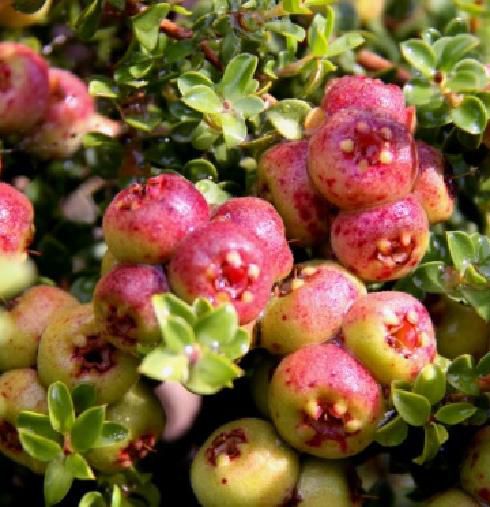
The emu apple (Owenia acidula) has a long history of use by Aboriginal Australians, likely dating back thousands of years. It was traditionally consumed as a bushfood, with the fruit pulp eaten fresh or after ripening on the ground. Some accounts even mention its use in ceremonies due to its mildly hallucinogenic properties.
The earliest recorded mention by European settlers appears to be from the 19th century. Notably, explorer Major Thomas Mitchell documented enjoying the fruit during his expeditions, observing that Aboriginal people also prized it highly. This suggests that by the mid-1800s, the emu apple had already been well integrated into both Indigenous diets and early colonial observations.
Culturally, the emu apple is more than just bushfood. Among Aboriginal communities, it’s revered not only for its flavor but also for its ceremonial roles. Some traditions involved letting the fruit ferment slightly on the ground, enhancing its mildly psychoactive effects during rituals. That deep-rooted use signals how intimately tied this fruit is to land, lore, and lived experience, especially in arid and semi-arid regions of Australia, where resources like this were vital for resilience.
Botanically, Owenia acidula belongs to the Meliaceae family (same as mahogany) and thrives in dry woodlands. The tree itself is hardy and drought-tolerant, producing tart, plum-like fruits with a bitter bite when underripe. What’s fascinating is its phytochemical richness: studies have noted antimicrobial and antioxidant properties—indicators that it’s not only culturally sacred but scientifically promising, too.
Long before lab coats, the land was the laboratory. Among the red dust and dry woodland, Aboriginal Australians gathered the emu apple—not merely as food, but as medicine, ritual, and relationship. Each fruit held lessons drawn from centuries of ecological intimacy.
Today, researchers dissect its phytochemistry, naming compounds once simply known by their effects. Yet beneath the microscope, echoes of ancient wisdom hum. The emu apple remains a symbol of how science, when it listens, can become a student of culture. Modern science echoes ancient understanding.
In the United States, the modern use of emu apple (Owenia acidula) is still gaining traction, especially in wellness, skincare, and gourmet circles.
🌿 Nutraceuticals & Skincare
Emu apple extracts are increasingly used in high-end skincare products for their antioxidant and anti-inflammatory properties. The fruit’s high vitamin C content makes it a sought-after ingredient in serums, creams, and anti-aging formulations. U.S.-based cosmetic brands that focus on “clean beauty” or Australian botanicals often import emu apple extract for this purpose.
🍽️ Culinary Curiosity
While not widely available in grocery stores, emu apple is sometimes featured in specialty food products like jams, chutneys, or infused beverages, especially those marketed as “superfoods.” Its tart, spicy flavor profile appeals to chefs looking for exotic ingredients with a story.
🧪 Research & Supplements
There’s growing interest in its bioactive compounds for use in dietary supplements. U.S. researchers are exploring its potential for supporting immune health, skin repair, and even cognitive function due to its polyphenol content.
🌱 Import & Cultivation
Although emu apple is native to Australia and not widely cultivated in the U.S., some botanical gardens and experimental growers are testing its viability in arid regions like the Southwest. Most commercial use still relies on imported extracts.
Traditional Medicinal Uses
Pain relief: Aboriginal Australians used the fruit and bark for soothing aches, including toothaches and stomach pain, likely due to its natural anti-inflammatory properties.
Wound healing: The fruit and leaves were applied to cuts and sores to promote healing and prevent infection.
Ceremonial use: Its mildly psychoactive effects were sometimes harnessed in spiritual or healing rituals, suggesting a role in mental and emotional well-being.
🧪 Modern Medicinal Insights
Antioxidant powerhouse: Emu apple contains polyphenols, flavonoids, and anthocyanins that help neutralize free radicals, reducing oxidative stress and slowing cellular aging4.
Anti-inflammatory effects: These compounds also help reduce inflammation, which may support joint health and chronic disease prevention.
Immune support: With vitamin C levels surpassing many common fruits, it boosts immune function and may help the body fight infections1.
Skin regeneration: Its high vitamin C and antioxidant content stimulate collagen production, aiding in skin repair and anti-aging treatments—hence its popularity in skincare products4.
Gut health: Rich in fiber and prebiotics, it supports digestion and a healthy microbiome.
Cardiovascular benefits: Nutrients like potassium and magnesium help regulate blood pressure and heart rhythm
Read More: health-benefits-side-effects. This small fruit possesses a powerful antioxidant content that far surpasses many common fruits. The abundant vitamin C, polyphenols, and flavonoids in the Emu Apple provide comprehensive benefits, from boosting immunity and supporting heart health to improving skin. Its tantalizing tart flavor and versatility in processing make it a potential ingredient in high-end foods and cosmetics.
While emu apple is generally safe in moderate amounts, there are a few groups who should approach it with caution, or avoid it altogether:
🚫 Who Should Be Careful or Avoid Emu Apple
People with sensitive digestion: It’s high fiber and tannin content can cause bloating, gas, or diarrhea, especially if consumed in large quantities or without gradual introduction.
Pregnant or breastfeeding individuals: Due to its mildly psychoactive compounds and limited clinical research, it’s best to avoid during pregnancy or lactation unless advised by a healthcare provider.
Those with allergies to tropical fruits or Meliaceae family plants: Though rare, allergic reactions are possible, especially in people with known sensitivities to related species.
Children: Because of its astringency and potential psychoactive effects when overripe or fermented, it’s not typically recommended for young children.
People on certain medications: The fruit’s antioxidant and anti-inflammatory compounds could theoretically interact with medications like blood thinners or immunosuppressants. Always consult a healthcare provider if unsure.
The Emu Apple: From Ceremony to Science
The emu apple (Owenia acidula), native to Australia, has been used for thousands of years by Aboriginal communities, not just as bushfood, but as bush medicine and ritual companion. Consumed raw or after ripening, it was applied for pain relief, wound care, and at times, ceremonial reflection due to its mild psychoactive effects.
Modern research now confirms what Indigenous wisdom long understood. Emu apple is rich in antioxidants, vitamin C, and anti-inflammatory compounds. It supports immune health, skin regeneration, gut balance, and cardiovascular wellbeing. Today, it features in skincare, supplements, and select gourmet products in the U.S., often labeled a “superfruit.”
Who Should Use with Caution
While generally safe, it’s best avoided by:
Pregnant/breastfeeding people
Children
Those with sensitive digestion or tropical fruit allergies
Individuals on medications like blood thinners
Modern science echoes ancient understanding.
Emu apples—also known as muntries or native cranberries are used in pies! These small, sweet-tart berries from southern Australia have a flavor reminiscent of spicy apples with hints of cinnamon and juniper, making them a natural fit for both sweet and savory dishes.
In fact, early settlers and Indigenous Australians alike used muntries in traditional bush pies, jams, and chutneys. There’s even a modern Emu Apple Pie recipe that uses sliced emu apples with cinnamon and nutmeg, much like a classic apple pie. The result is a fruity, aromatic dessert that pairs beautifully with vanilla ice cream or whipped cream.
 EJADA
EJADA 
Leave a comment