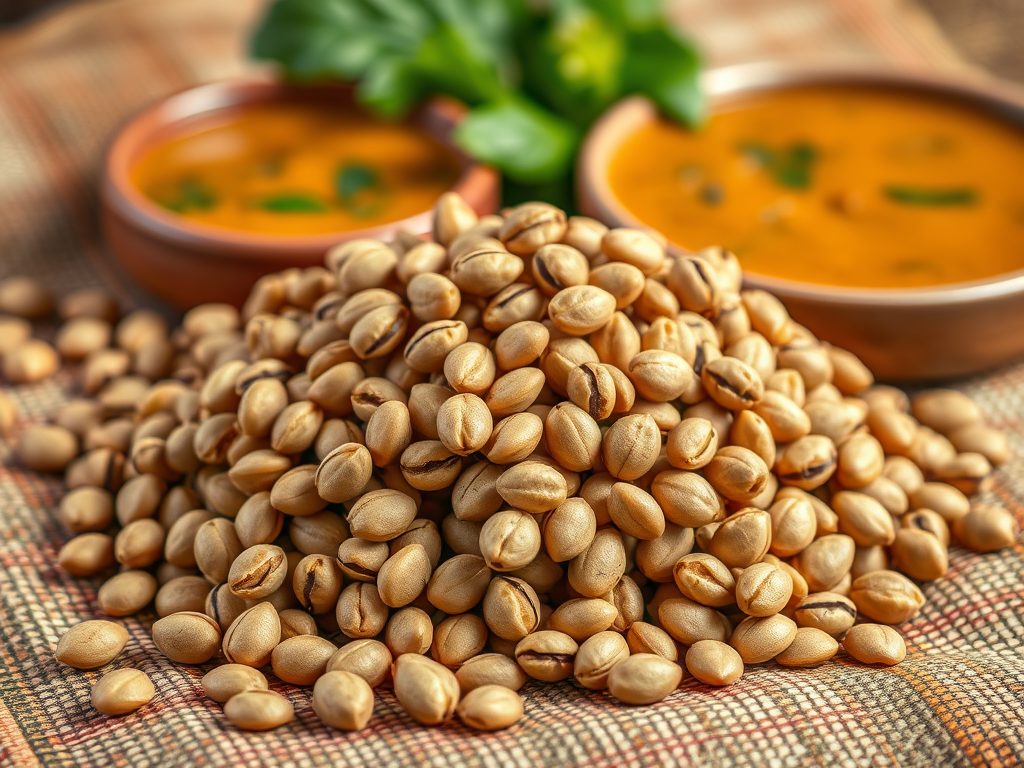
Egusi has deep roots in West and Central Africa, where it’s been cultivated for centuries, especially in Nigeria, Ghana, Cameroon, and Sierra Leone. While the exact date of its discovery isn’t documented, its use is ancient and culturally significant, particularly among the Yoruba people, where the name “egusi” originates.
Traditional Uses of Egusi
Culinary Staple: Egusi seeds are primarily harvested from a bitter melon-like gourd. The fruit itself is inedible, but the seeds are rich in oil and protein. Traditionally, they’re ground into a paste to thicken soups and stews, most famously egusi soup, a beloved West African dish served with pounded yam, fufu, or eba.
Oil Extraction: The seeds are pressed to produce a flavorful oil used in cooking and sometimes in soap-making.
Medicinal Applications: In traditional medicine, egusi has been used to treat digestive issues, bacterial infections, and even diabetes. Its antioxidant-rich oil is also applied in Ayurvedic practices to promote hair growth and skin health4.
Cultural and Economic Role: Egusi farming is often managed by women, and the seeds serve as a vital source of income in many rural communities. The crop’s resilience and nutritional value make it a cornerstone of food security in the region
Egusi is more than just an ingredient; it’s a cultural keystone with layers of meaning that span kitchen, clinic, and community.
Egusi: A Cultural and Nutritional Bridge
Culinary Tradition At the heart of many West African dishes, egusi speaks the language of family and heritage. Whether ground into a silky paste for egusi soup or blended with leafy greens and meats, it evokes shared meals, ritual celebrations, and ancestral memory. It’s a flavor that tastes like home.
Nutritional Value Beneath its savory contribution is a nutritional powerhouse: egusi seeds are rich in protein, healthy fats (especially linoleic acid), essential minerals like magnesium and zinc, and B vitamins. In regions where animal protein is less accessible, egusi plays a critical role in maintaining dietary balance, especially for children and breastfeeding mothers.
Natural Healing Traditional healers have long tapped into egusi’s properties for medicinal purposes. From easing inflammation to aiding digestion and regulating blood sugar, its antioxidant-rich oil and fiber content make it a go-to remedy in holistic care. Some even apply the oil to promote glowing skin and strong hair.
Here’s a surprisingly rich body of research backing egusi’s traditional healing reputation, especially when it comes to its anti-inflammatory, antioxidant, and metabolic effects. Here’s a breakdown of what science has uncovered:
1. Anti-Inflammatory and Antioxidant Properties
Studies have shown that Citrullus colocynthis (egusi melon) contains methanol extracts that significantly reduce inflammation by inhibiting serotonin and prostaglandin-induced swelling. These extracts also stimulate the production of anti-inflammatory agents like carrageenan2.
Its antioxidant profile—rich in vitamin E, zinc, and selenium—helps neutralize free radicals, protecting cells from oxidative stress and supporting immune function.
2. Cardiovascular and Cholesterol Regulation
Egusi oil is high in linoleic and oleic acids, which are known to lower LDL (bad) cholesterol and support heart health. One study noted that egusi oil may inhibit lecithin: cholesterol acyltransferase, an enzyme involved in cholesterol metabolism, potentially reducing the formation of harmful cholesteryl esters.
3. Anti-cancer Potential
Cucurbitacin glycosides found in egusi have demonstrated anti-proliferative effects on cancer cells. In one study, these compounds induced apoptosis (cell death) and arrested the cell cycle in breast cancer cell lines, suggesting therapeutic potential.
4. Anti-diabetic and Metabolic Support
Egusi seeds contain insulinotropic compounds that may help regulate blood sugar. A 2011 study found that egusi extracts lowered blood glucose and cholesterol levels in diabetic models, supporting its use in managing type 2 diabetes.
5. Bone and Skin Health
Thanks to its high calcium, magnesium, and phosphorus content, egusi supports bone density and joint health. Its oil is also used topically to moisturize skin and reduce signs of aging, due to its vitamin B2 and niacin content.
Egusi: Seeds of Nourishment, Stories of Survival
In the warm kitchens of West Africa, the aroma of egusi soup is more than a hunger trigger—it’s an ancestral echo. With every spoonful of this golden, ground melon seed, families pass down recipes, rituals, and resilience. But what was once simply considered tradition is now catching the attention of science.
Where Culture Meets Chemistry
For centuries, egusi (Citrullus colocynthis and related varieties) has thickened stews, nourished mothers, and soothed ailments. Yoruba communities knew its worth long before any lab confirmed it. Now, studies are showing:
- Antioxidant compounds, including selenium and vitamin E, combat oxidative stress.
- Linoleic acid, a heart-friendly fat, contributes to cholesterol regulation.
- Cucurbitacin glycosides, once preserved in oral healing lore, now show promise as anti-cancer agents in breast cancer research.
- And in rural clinics, egusi paste isn’t just food—it’s used to treat wounds, improve digestion, and restore energy in undernourished children.
Women’s Work, Global Wisdom
Egusi farming, mostly led by women, supports not just households but whole economies. It’s a living symbol of how indigenous knowledge and agricultural sustainability go hand in hand. These women are farmers, healers, business owners, and culture-bearers all in one
While egusi is packed with nutrients and cultural significance, there are a few groups who might want to approach it with caution:
1. People with seed or nut allergies
Egusi seeds come from a melon but share some characteristics with nuts and seeds. Those with allergies to pumpkin seeds, sunflower seeds, or tree nuts should consult a healthcare provider before consuming egusi.
2. Individuals with high cholesterol or heart conditions
Egusi is naturally rich in healthy fats, but when prepared traditionally—especially with excessive palm oil or deep frying—it can become high in saturated fats. Overconsumption in this form may raise LDL cholesterol levels.
3. Those managing weight or blood sugar
While egusi has fiber and protein that support satiety and blood sugar regulation, portion control is key. Overeating egusi soup—especially when paired with heavy starches like fufu or eba—can contribute to weight gain or blood sugar spikes if not balanced properly.
4. People with digestive sensitivities
Egusi is high in oil and fiber, which can be tough on sensitive stomachs. If someone experiences bloating or indigestion, they might want to try smaller portions or a lighter preparation method (like steaming or boiling instead of frying).
5. Anyone on a low-fat or low-oxalate diet
Because egusi is rich in fats and certain minerals, it may not align with specialized diets for conditions like gallbladder disease or kidney stones—again, best to check with a dietitian.
Thanks to the growing popularity of West African cuisine, you can find egusi seeds and even ready-made egusi soup in several places:
Grocery Stores & Markets
- Whole Foods Market carries prepared egusi soup under brands like Ayo Foods.
- Kroger and other large chains sometimes stock ground egusi in their international or African foods section.
Online Retailers
- Amazon offers egusi soup kits like Egusi Soup Made Easy by HATF’s Shepherd’s Natural, which includes pre-measured ingredients and cooks in about 20 minutes.
- Instacart partners with local stores to deliver ground egusi directly to your door.
Specialty African Stores
- Shops like Suya Suya and other African grocery stores in cities like New York, Atlanta, and Houston often carry both raw egusi seeds and prepared dishes.
While egusi offers nutritional and therapeutic benefits, it’s always best to consult a healthcare professional before adding it to your diet, especially if you have known allergies, digestive sensitivities, or are taking medication that may interact with natural oils or herbs.
I have a bonus for you. This Nigerian Egusi Soup recipe will show you how to make this popular West African soup with melon seeds.
 EJADA
EJADA 
Leave a comment