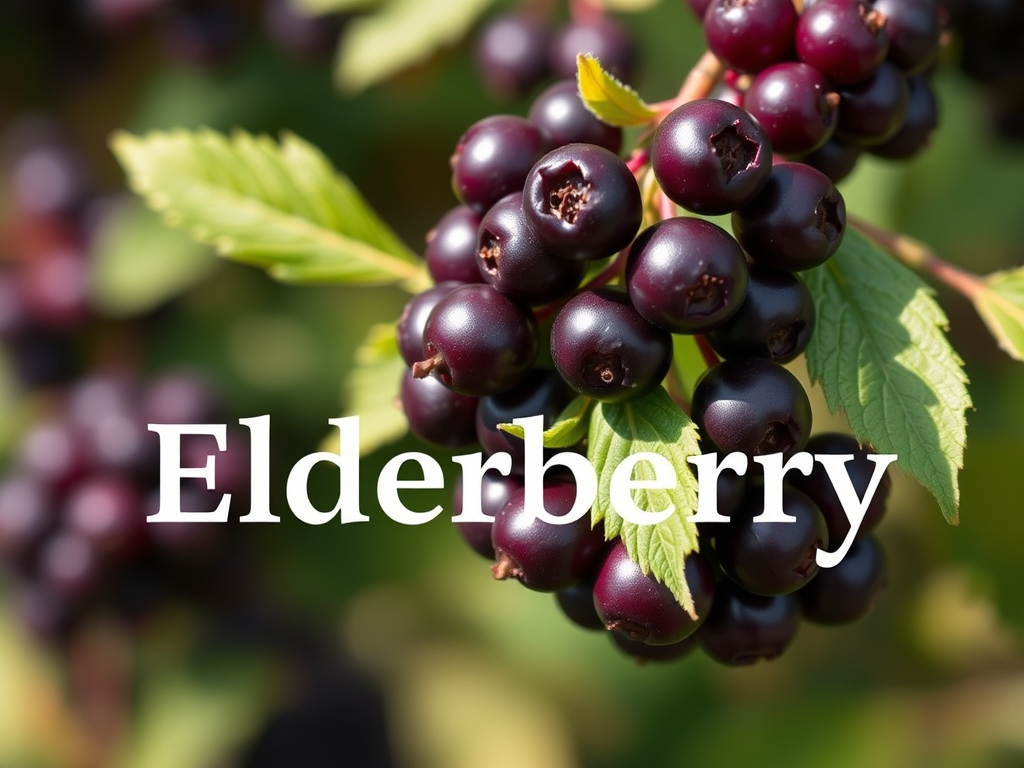
Elderberry, from the Sambucus genus—most notably Sambucus nigra—is a small, dark purple fruit that grows on the elder tree, native to Europe and North America. It’s been a staple in traditional medicine for thousands of years, prized for its immune-boosting and antiviral properties.
The earliest known medicinal use of elderberry dates back to Ancient Egypt around 2000 BCE, where it was used for healing burns and improving complexion. By 400 BCE, Hippocrates, the famed Greek physician, referred to the elder tree as his “medicine chest” because of its wide range of applications. Indigenous peoples of North America also used elderberry to treat infections and fevers, while in medieval Europe, it was blended into syrups and tonics for colds, flu, and even the plague.
Over time, elderberry remedies evolved—from “Rob” syrups in 17th-century France and England to modern-day supplements like gummies and syrups. Today, elderberry is still celebrated for its antioxidant-rich profile and potential to reduce the duration of cold and flu symptoms
Elderberry continues to earn its place in modern wellness circles thanks to a rich profile of nutrients and bioactive compounds. Here’s a breakdown of its most recognized health benefits today:
Immune Support
Elderberries are packed with vitamin C, flavonoids like quercetin, and anthocyanins—compounds that help strengthen the immune system. Studies suggest elderberry extract may reduce the duration and severity of cold and flu symptoms when taken at the onset of illness2.
Antioxidant Power
The deep purple hue of elderberries comes from anthocyanins, potent antioxidants that help neutralize free radicals and reduce oxidative stress. This may contribute to lower inflammation and a reduced risk of chronic diseases like heart disease and cancer3.
Heart Health
Elderberry’s fiber and polyphenols may help lower cholesterol and blood pressure. Some research suggests it can reduce uric acid levels, which are linked to hypertension.
Gut and Digestive Health
With about 7–10 grams of fiber per cup, elderberries support digestion and gut health. They also act as prebiotics, feeding beneficial gut bacteria2.
Skin and Aging
Thanks to their antioxidant and vitamin A content, elderberries may help protect skin from oxidative damage, reducing signs of aging like wrinkles and uneven tone.
Blood Sugar Balance
Preliminary studies suggest elderberry may help regulate glucose metabolism, potentially aiding in blood sugar control for people with diabetes.
Respiratory Relief
Elderberry has traditionally been used to ease coughs and sore throats. Modern studies support its use in reducing symptoms of upper respiratory infections, especially when taken early.
Just a heads-up: raw elderberries and other parts of the plant (like leaves and stems) are toxic and must be cooked to be safe.
Treating acne
Elderberry fruit contains high levels of flavonoids, which means it might have anti-inflammatory and antioxidant properties. These help to protect healthy cells from harmful free radicals that play a role in skin problems.
The American Nutrition Association (ANA) suggests that using an elderberry face wash can help fight acne because of its antiseptic effects. Read More: Medicalnewstoday
Elderberries can be incredibly beneficial when prepared properly, but they’re not for everyone. Here’s who should steer clear—or at least proceed with caution:
1. People with Autoimmune Conditions
Elderberry stimulates the immune system, which can be risky for those with autoimmune diseases like lupus, multiple sclerosis, or rheumatoid arthritis. It may trigger flare-ups or interfere with medications that suppress immune activity.
2. Pregnant and Breastfeeding Women
There’s not enough reliable research on elderberry’s safety during pregnancy or lactation. Because of its immune-activating properties and potential for contamination with toxic plant parts, it’s best avoided unless approved by a healthcare provider.
3. Children Under 5
Young children are more sensitive to the compounds in elderberries, especially if they’re not properly cooked. Their digestive systems may react more strongly to even small amounts of toxins.
4. People Taking Certain Medications
Elderberry may interact with:
- Diabetes medications (they can lower blood sugar)
- Diuretics and laxatives
- Immunosuppressants
- Steroids
- Chemotherapy drugs. Always consult a doctor if you’re on any of these.
5. Anyone Eating Raw or Unripe Elderberries
Raw berries, leaves, stems, and roots contain cyanogenic glycosides, which can release cyanide in the body. This can cause nausea, vomiting, diarrhea, and even more serious symptoms if consumed in large amounts
Elderberry is generally considered safe when properly prepared, but it can interact with certain medications—especially those that affect the immune system, blood sugar, or liver. Here’s a breakdown of the most relevant interactions:
1. Immunosuppressants
Elderberry stimulates immune activity, which can counteract medications designed to suppress the immune system. This includes drugs like:
- Cyclosporine
- Tacrolimus
- Prednisone
- Methotrexate
These are often used after organ transplants or for autoimmune conditions like lupus or rheumatoid arthritis.
2. Diabetes Medications
Elderberry may lower blood sugar, so combining it with insulin or oral hypoglycemics like metformin, glipizide, or glyburide could increase the risk of hypoglycemia (low blood sugar).
3. Diuretics and Laxatives
Because elderberry has mild diuretic effects, it may amplify the effects of medications that increase urination or bowel movements, potentially leading to dehydration or electrolyte imbalances.
4. Chemotherapy and Liver-Metabolized Drugs
Elderberry may affect liver enzymes (like cytochrome P450), which could alter how the body processes certain medications. One example is pazopanib, a cancer drug, which may have increased liver toxicity when taken with elderberry.
5. Steroids
Since elderberry can activate the immune system, it may reduce the effectiveness of corticosteroids like dexamethasone or methylprednisolone, which are used to reduce inflammation or suppress immune responses.
While most interactions are considered mild, it’s always wise to consult a healthcare provider, especially if you’re taking multiple medications or managing a chronic condition.
According to Webmd.com, Pregnancy and breastfeeding: There isn’t enough reliable information to know if elderberry extract is safe to use when pregnant or breastfeeding. Stay on the safe side and stick to food amounts.
“Autoimmune diseases” such as multiple sclerosis (MS), lupus (systemic lupus erythematosus, SLE), rheumatoid arthritis (RA), or other conditions: Elderberry might cause the immune system to become more active. This could increase the symptoms of autoimmune diseases. If you have one of these conditions, it’s best to avoid using elderberry.
SUMMARY: Elderberry’s natural appeal can sometimes overshadow its potential risks when mixed with medications. Here are the key precautions to keep in mind:
1. Consult Your Healthcare Provider First
Before adding elderberry to your routine, especially if you’re on prescription meds, talk to your doctor or pharmacist. They can help you assess potential interactions based on your full medication list and health history.
2. Watch for Immune System Interactions
If you’re taking immunosuppressants (like cyclosporine, methotrexate, or prednisone), elderberry could counteract their effects by stimulating immune activity.
3. Monitor Blood Sugar Closely
Elderberry may lower blood sugar, so if you’re on diabetes medications like insulin or metformin, there’s a risk of hypoglycemia. Regular glucose monitoring is essential.
4. Be Cautious with Diuretics and Laxatives
Elderberry has mild diuretic effects, which can amplify the impact of water pills or laxatives, potentially leading to dehydration or electrolyte imbalances.
5. Avoid Raw or Unripe Elderberries
Never consume elderberries raw or unripe—they contain cyanogenic glycosides, which can release cyanide and cause nausea, vomiting, or worse. Always use properly cooked or commercial preparations.
6. Limit Use During Pregnancy or Breastfeeding
There’s not enough reliable data on elderberry’s safety during pregnancy or lactation. Best to avoid unless your healthcare provider gives the green light.
 EJADA
EJADA 
Leave a comment