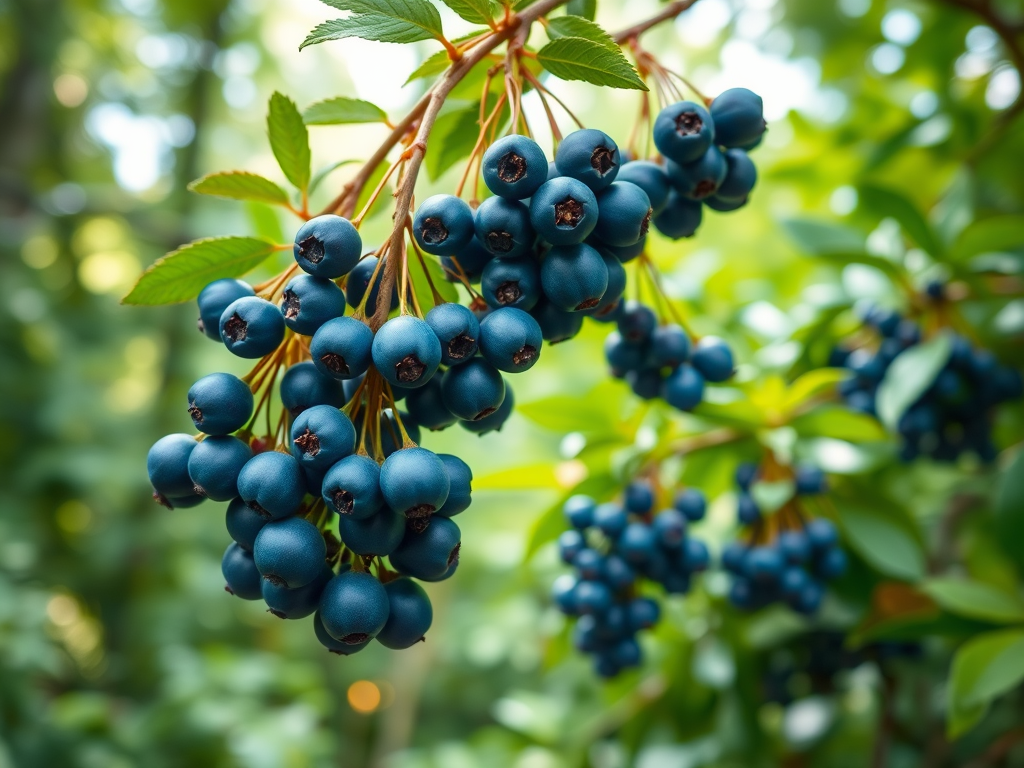
Holistically speaking, dangleberries offer a blend of physical, energetic, and traditional wellness benefits that go beyond just their nutritional profile.
When Were They First Used?
While exact dates are elusive, dangleberries were likely used by Indigenous peoples of the Eastern U.S. long before European contact.
They were consumed fresh, dried, or made into tonics and preserves. Their use was probably seasonal, harvested in late summer when ripe, and tied to both sustenance and traditional healing practices. Dangleberry—also known as Gaylussacia frondosa or blue huckleberry—is a native fruit of the Eastern United States, often found dangling in clusters from shrubs in wooded, acidic soils.
Holistic Benefits of Dangleberries
Energetic balance: In folk traditions, berries like dangleberries were believed to support vitality and resilience. Their deep blue hue, rich in anthocyanins, was associated with cooling inflammation and calming the nervous system.
Digestive harmony: Their fiber content and gentle acidity may help regulate digestion and support gut flora, which is central to holistic health.
Immune and cellular renewal: The synergy of vitamins C, E, K, and flavonoids like quercetin and myricetin supports immune defense and cellular repair, aligning with the holistic goal of maintaining internal balance.
Emotional well-being: Like many wild berries, dangleberries were traditionally gathered in late summer, a time of abundance and reflection. Consuming them was often part of seasonal rituals that honored nature’s cycles, which can foster a sense of grounding and connection.
It’s been part of the natural landscape from New Hampshire to South Carolina, and while exact records of its first use are scarce, Indigenous peoples and early settlers likely consumed it both for nourishment and its medicinal potential.
Health Benefits
Dangleberries are small but mighty when it comes to nutrition:
- Rich in antioxidants: Especially anthocyanins, quercetin, and chlorogenic acid, which help neutralize free radicals and reduce inflammation.
- Heart health: These compounds may lower LDL cholesterol and support healthy blood flow.
- Immune support: With vitamin C, E, K, and zinc, they help strengthen the immune system.
- Cancer-fighting potential: Their phytochemicals have been linked to reduced risks of colon, lung, and stomach cancers.
- Metabolism and red blood cell production: Thanks to B-complex vitamins and minerals like manganese and copper.
Historical Use
While not as widely documented as some other berries, dangleberries were likely used in traditional remedies and seasonal diets. Their resemblance to blueberries and huckleberries suggests they were eaten fresh, dried, or turned into preserves and tonics, especially during late summer harvests.
Dangleberries are not commonly produced; they are mostly wild-harvested rather than cultivated. In contrast, huckleberries have seen an increase in commercial cultivation due to their popularity.
Dangleberries are one of those quietly enchanting fruits that nature still keeps tucked in its wild corners. Unlike their cousin, the blueberry, which has been extensively domesticated, dangleberries (Gaylussacia frondosa) remain largely wild-harvested.
All this makes dangleberries feel a bit like a hidden forest treasure—nutritionally rich, historically grounded, and tied to the rhythms of the land.
Physical Characteristics of Dangleberry
The Dangleberry plant can reach heights of up to 3 feet and is characterized by its glossy green leaves and delicate white to pink flowers that bloom in the spring. The berries themselves are about the size of a pea and have a smooth skin. When ripe, they possess a sweet yet slightly tart flavor, making them a delightful addition to various culinary dishes. The texture is juicy, and they are often compared to blueberries in terms of taste and mouthfeel. Read More Holistichealthpathways.com
Little-known health benefits
Ah, now we’re getting into the juicy secrets of the dangleberry! Beyond its well-known antioxidant and heart-health perks, here are some lesser-known benefits that might surprise you:
1. Eye Health Support
Dangleberries contain lutein and zeaxanthin—carotenoids that accumulate in the retina and help filter harmful blue light. These compounds may reduce the risk of age-related macular degeneration and support night vision.
2. Mild Detoxification Aid
Thanks to their chlorogenic acid and manganese content, dangleberries may gently support liver function and help the body process toxins more efficiently, especially when consumed regularly in small amounts.
3. Mood and Cognitive Boost
The flavonoids in dangleberries, particularly quercetin and myricetin, have been linked to improved memory and reduced mental fatigue. Some studies suggest they may help modulate neurotransmitters like dopamine and serotonin, offering a subtle mood-lifting effect.
4. Skin Resilience
Their vitamin C and E combo, along with anthocyanins, supports collagen production and protects skin from oxidative stress. This may help reduce signs of aging and improve skin elasticity over time.
5. Oral Health Ally
The tannins and natural acids in dangleberries may inhibit the growth of harmful oral bacteria, supporting gum health and fresh breath, especially when consumed raw or as a rinse infusion.
Flavonoids are like nature’s brain-boosting multitaskers. These plant-based compounds, found in berries, citrus fruits, tea, and even dark chocolate, influence mood and cognition through several fascinating mechanisms:
1. Neuroprotection and Synaptic Plasticity
Flavonoids help protect neurons from oxidative stress and inflammation, which are both linked to cognitive decline. They also enhance synaptic plasticity—the brain’s ability to form and strengthen connections—by modulating signaling pathways like PI3K/Akt and MAPK. This supports learning, memory, and adaptability.
2. Improved Cerebral Blood Flow
Certain flavonoids, especially those in cocoa and berries, promote nitric oxide production, which relaxes blood vessels and improves blood flow to the brain. Better circulation means more oxygen and nutrients for brain cells, enhancing alertness and processing speed.
3. Neurotransmitter Modulation
Flavonoids may influence levels of key mood-related neurotransmitters like serotonin, dopamine, and GABA. This can lead to improved mood stability, reduced anxiety, and even mild antidepressant effects over time.
4. Long-Term Cognitive Benefits
A Harvard study found that people with the highest flavonoid intake were 19% less likely to report memory and thinking problems over 20 years. Another meta-analysis of 80 randomized controlled trials confirmed that flavonoids—especially from berries, cocoa, and Ginkgo biloba—enhanced memory, processing speed, and mood, particularly in older adults.
Great question—especially since even the most wholesome wild fruits can have their quirks.
Here are some precautions to keep in mind when enjoying dangleberries:
1. Allergic Reactions
Though rare, individuals sensitive to other berries (like blueberries or huckleberries) might experience mild allergic responses—think itching, swelling, or digestive upset. If you’re trying them for the first time, start small.
2. Pesticide-Free Foraging
If you’re harvesting wild dangleberries, be sure they’re from a clean, pesticide-free area. Avoid roadside shrubs or areas near industrial runoff, as berries can absorb environmental toxins.
3. Look-Alike Confusion
Dangleberries resemble other wild berries, some of which may be mildly toxic. Always positively identify the plant—Gaylussacia frondosa—before consuming. If in doubt, consult a local foraging guide or extension service.
4. Oxalate Content
Like many berries, dangleberries may contain small amounts of oxalates, which can contribute to kidney stone formation in sensitive individuals. If you’re prone to stones, moderation is key.
5. Medication Interactions
Their high antioxidant and flavonoid content could theoretically interact with blood thinners or medications that affect liver enzymes. If you’re on prescription meds, it’s wise to check with a healthcare provider before adding large amounts to your diet. Dangleberries (Gaylussacia frondosa) are generally considered safe in small, food-like amounts, but there’s limited scientific research specifically on their use during pregnancy or breastfeeding. So here’s a balanced take:
For Pregnant Women
- Likely safe when eaten in moderation, as part of a normal diet, like other wild berries.
- Avoid concentrated extracts or supplements, since their effects haven’t been studied in pregnancy.
- Watch for look-alikes if foraging, as some wild berries can be toxic.
For Breastfeeding Women
- Again, moderate consumption is likely fine, especially if you’ve eaten similar berries like blueberries or huckleberries without issue.
- No known compounds in dangleberries are contraindicated for lactation, but due to the lack of formal studies, it’s best to err on the side of caution.
If you’re considering using them in a medicinal or concentrated form—like a tincture or infusion—it’s wise to consult a healthcare provider or herbalist familiar with pregnancy-safe botanicals.
So, whether you’re sipping green tea or snacking on dangleberries, you’re not just feeding your body—you’re nourishing your mind.
 EJADA
EJADA 
Leave a comment