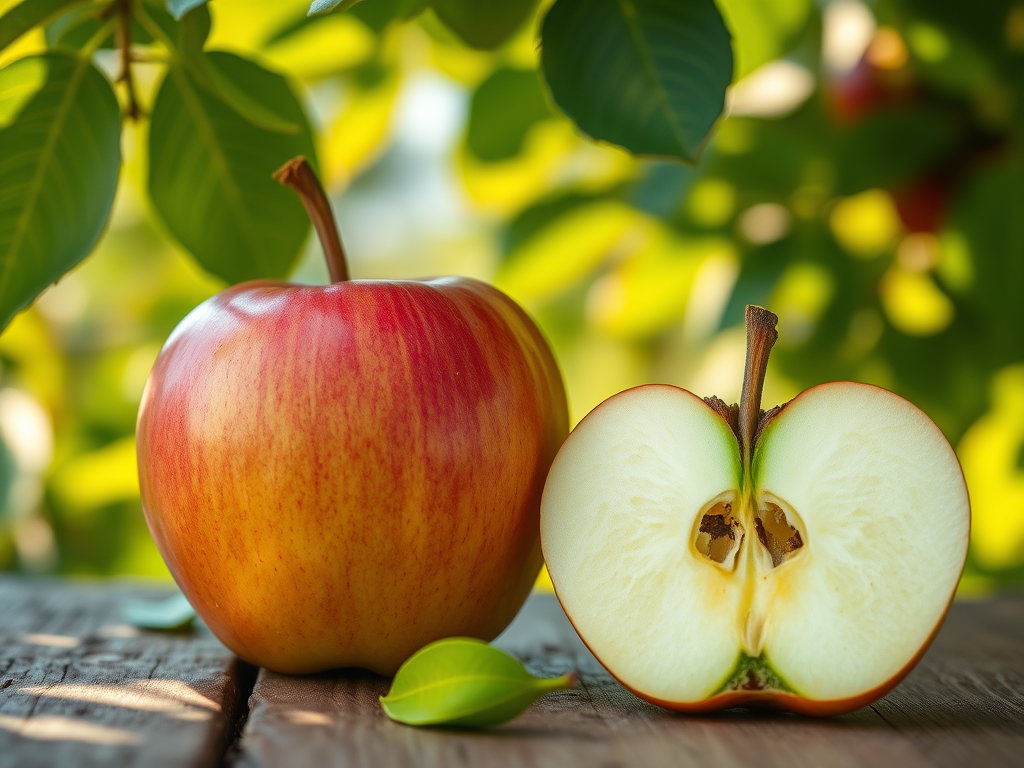
The Dabinett apple—often celebrated among cider makers for its distinctive full-bodied flavor, balanced acidity, and high sugar content—is much more than just a fermentation workhorse. As a variety of apple, it carries many of the celebrated nutritional benefits inherent to all apples, while also opening doors to some lesser-known uses that go beyond just eating or making cider.
Dabinett apples pack most of the well-known benefits you’d expect from an apple, but with a unique twist that highlights their robust, tangy flavor.
Here are the nutritional highlights
- Dietary Fiber: Dabinett apples contain a good amount of fiber, which helps support healthy digestion, regulate blood sugar levels, and promote a prolonged sense of fullness. This can be especially beneficial for weight management and overall gut health.
- Antioxidants and Polyphenols: These apples are rich in antioxidant compounds such as polyphenols and flavonoids. These molecules help combat oxidative stress and may lower the risk of chronic conditions like heart disease, type 2 diabetes, and even certain cancers by reducing inflammation and cellular damage.
- Vitamins and Minerals: Like other apples, the Dabinett variety is a source of essential nutrients, notably vitamin C, which supports immune function and skin health, as well as a variety of minerals that contribute to overall cellular well-being.
Although the Dabinett apple is often celebrated for its role in cider making, thanks to its high sugar content and balanced acidity, its nutritional profile makes it a versatile fruit for both raw consumption and in various cooked dishes. Enjoying these apples can provide you with a burst of nutrition that aligns well with a balanced diet, whether you incorporate them into fresh salads or transform them through cooking techniques that soften their tannic edge.
Beyond their direct nutritional benefits, the fiber and antioxidants found in Dabinett apples also contribute indirectly to better overall health by supporting cardiovascular health and a healthy gut microbiome. This comprehensive nutrient package solidifies their role as not just a flavorful ingredient but also as a functional component of a healthful diet [1].
Health Benefits
Like other apples, the Dabinett apple is nutrient-dense. It is an excellent source of:
Although the Dabinett variety is traditionally prized for cider production due to its robust flavor profile, it shares these intrinsic health benefits with more commonly consumed apples. For those who choose to eat them fresh or incorporate them into recipes, they offer a burst of nutrition that can easily complement a balanced diet.
Little-Known Uses
Beyond its established role in crafting ciders, the Dabinett apple offers several innovative and lesser-known applications:
Culinary Adventures Beyond Cider: While its astringency and tannic qualities make it ideal for fermentation, some adventurous cooks use Dabinett apples in:
Apple Sauces or Butters: Slow-cooked into spreads that retain a hint of tartness.
Jams and Preserves: Where the natural sugars balance out the inherent acidity, creating unique flavor profiles.
Baking Projects: Especially in recipes where an intense apple flavor paired with a balancing spice mix is desired.
Natural Ripening Agent: Apples naturally emit ethylene gas—a plant hormone that hastens the ripening process of nearby fruits. Storing Dabinett apples with less ripe fruits (like pears or bananas) can speed up ripening, a subtle trick that isn’t widely publicized outside of food science circles.
Artisanal Apple Cider Vinegar and Fermented Condiments: Fermentation isn’t limited to making alcoholic cider. Dabinett apples can be used to craft high-quality apple cider vinegar and other fermented condiments. These products, rich in probiotics, can support digestion and add a complex tang to dressings and marinades.
Sustainable Uses in Waste Valorization: The byproducts of cider production—apple pomace and pulp—are increasingly recognized as valuable resources.
They can be:
Converted into Compost: Enhancing soil fertility naturally. Utilized in Biogas Production: Contributing to renewable energy efforts in sustainable agriculture.
Home Remedies and Natural Care: Historically, apples (and by extension, their extracts) have featured in traditional remedies. While modern science is still unpacking these benefits, the antioxidant and anti-inflammatory properties of apple compounds have spurred interest in using apple-based extracts for skin care and minor inflammation relief.
Considerations
Even though Dabinett apples share the positive health attributes of most apple varieties, it’s wise to keep in mind general advice when it comes to apples:
- Seed Caution: Apple seeds (including those from Dabinett apples) contain a compound called amygdalin. In very large amounts, this can release cyanide. Enjoy the fruit, but avoid consuming large quantities of seeds.
- Intended Use: Their robust flavor profile means that while they can be consumed fresh, many find that their best expression is when transformed through fermentation or cooking, to showcase the complex interplay of sweetness, acidity, and tannin.
In Summary
The Dabinett apple stands as a testament to the diversity hidden within a single fruit. Its nutritional benefits make it a healthy choice, while its versatility inspires innovative culinary, agricultural, and even home care applications. Whether you’re a cider enthusiast, a home cook looking to experiment, or someone interested in sustainable practices, the Dabinett apple offers a rich palette of possibilities waiting to be explored.
Dabinett apples have a robust, tangy profile that lends itself to a variety of cooking techniques. Their astringency and deep flavor mean you can use them to create dishes where the apple’s natural tartness adds complexity. Here are several creative ways to cook them:
1. Stewed or Compote Apples
Method:
- Preparation: Peel, core, and dice the Dabinett apples into uniform pieces.
- Cooking: Place them in a saucepan with a splash of water or apple juice, add a bit of brown sugar (or a natural sweetener like honey), and sprinkle in your favorite spices—cinnamon and a pinch of nutmeg work wonderfully.
- Finishing Touch: Simmer over medium heat for 15–25 minutes until the apples break down into a luscious compote. This textured, tangy mixture makes a fantastic topping for oatmeal, pancakes, or even a savory pork dish.
This method mellows the apple’s tannic bite while retaining its distinct flavor, making it a versatile base for both sweet and savory presentations.
2. Sautéed Apples
Method:
- Preparation: Core and slice the apples into thin wedges or rounds.
- Cooking: Heat a skillet with a small knob of butter. Once melted, add the apple slices along with a sprinkle of brown sugar and cinnamon. Sauté them over medium heat for about 5–10 minutes until they are tender yet retain a slightly crisp texture.
- Finishing Touch: A squeeze of lemon or a dash of apple cider vinegar at the end can brighten the caramelized flavor.
Sautéed apples are an ideal accompaniment for breakfast dishes like pancakes, or even as a topping for pork cuts, adding a sweet yet tart contrast [3].
3. Baked Apples
Method:
- Preparation: Leave the apples whole (after washing) or slice them thickly. If using the whole fruit, core out the center to create a cavity for fillings.
- Filling Options: Stuff with chopped nuts, raisins, a dash of cinnamon, and a drizzle of maple syrup or honey.
- Cooking: Place them in a baking dish with a small amount of water or apple juice, and bake at 350°F (175°C) for 25–35 minutes until the apples are tender and the filling is bubbling.
The baking process concentrates the apple’s natural sugars and softens their tartness, making them a warm, comforting treat ideal for autumn evenings.
4. Apple Chutney
Method:
- Preparation: Dice the apples and combine them with ingredients like onions, vinegar, ginger, and a mix of spices such as mustard seeds, cinnamon, and cloves.
- Cooking: Simmer the mixture slowly until the apples and onions break down into a thick, tangy relish. Adjust the sweetness with a bit of brown sugar.
This savory approach transforms the Dabinett apple into a versatile condiment that pairs excellently with roasted meats or cheeses, offering a delightful balance between tart, sweet, and spicy notes.
5. Incorporation into Savory Dishes
Because of their pronounced flavor, Dabinett apples can elevate savory recipes, too. For example:
- Roasted Pork or Chicken: Add apple slices or a spoonful of apple compote to the roasting pan or serve alongside the meat.
- Salads: Dice the apple and toss it with earthy elements like walnuts, blue cheese, and a light vinaigrette.
- Sauces: Blend cooked-down apples with herbs to create a unique sauce for grilled vegetables or as a spread on crusty bread.
Dabinett apples are generally safe and nutritious for most people. There are a few groups who might want to be cautious or avoid them in certain contexts:
1. People with Apple Allergies
Some individuals have oral allergy syndrome (OAS), where proteins in apples cross-react with pollen allergens (like birch). This can cause itching or swelling in the mouth and throat. If someone has a known apple allergy, Dabinett apples should be avoided just like any other variety.
2. Those Sensitive to Tannins
Dabinett apples are known for their high tannin content, which gives them their signature astringency. While tannins have antioxidant properties, they can also cause digestive discomfort in sensitive individuals, especially if consumed in large amounts or on an empty stomach.
3. People with IBS or FODMAP Sensitivities
Apples, including Dabinett, are high in fructose and sorbitol, both of which are FODMAPs. These can trigger bloating, gas, or discomfort in people with irritable bowel syndrome (IBS) or other digestive sensitivities.
4. Infants and Toddlers
Due to their firm texture and potential choking hazard, raw apples (especially tart or astringent varieties like Dabinett) should be cooked or finely grated before being offered to young children.
5. Individuals on Low-Sugar Diets
While Dabinett apples are not overly sweet when eaten raw, they are prized for their high sugar content in cider production. If you’re managing blood sugar levels or following a low-sugar diet, portion control is key—even with fruit.
6. Anyone Avoiding Apple Seeds
This applies to all apples: the seeds contain amygdalin, which can release cyanide when metabolized. While you’d need to consume a large number of seeds for it to be harmful, it’s best to avoid eating them altogether.
If you’re exploring Dabinett apples for their health benefits or culinary uses, these considerations are just part of making informed choices.
The apple’s natural acidity cuts through rich flavors and adds a refreshing dimension to many dishes.
Final Thoughts
Each of these methods leverages the unique taste profile of the Dabinett apple. Whether you’re looking for a warm, hearty dessert or a tangy accent to a savory dish, experimenting with these techniques can bring new layers of flavor to your kitchen repertoire. If you’re interested in more detailed recipes or innovative pairing ideas, there’s a rich world of apple-based creations waiting to be explored—from classic apple pies to inventive chutneys and sauces.
Exploring these methods not only celebrates the versatility of the Dabinett apple but also opens up creative avenues for blending tradition with new culinary twists.
 EJADA
EJADA 
Leave a comment