I was once just complacent with what the doctors told me was necessary, never thinking of the side effects and the precautions, and I decided two years ago I wanted a better quality of life. I started searching for alternatives to the drugs being prescribed.
Many of us go to the doctor for pain, swelling, mental clarity, and heart health, so we take it for granted that he doctor is doing what’s best for us. I am not knocking the knowledge of doctors, but I am knocking the long-term effects of some medications and believe that some medications have a long list of warnings, leaving me to debate the odds, pain, or side effects.
I choose a healthier way to manage my pain and mental clarity. That’s why I am continuing my healthy living style with herbs, vitamins, greens, and fruits, and I am on fruits that begin with the letter D. Let’s continue this journey together.
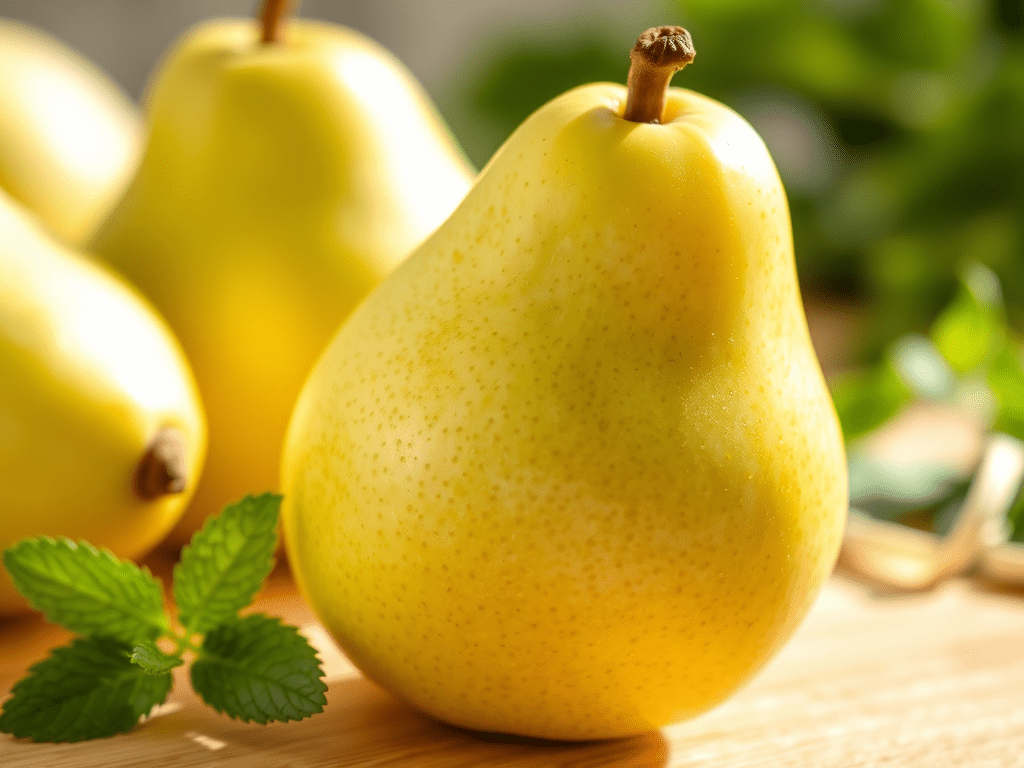
Starting with D’Anjou pear, a well-known European pear cultivar celebrated for its buttery, subtly sweet flavor.
Early History and Origins
The D’Anjou pear, also known as the Beurré d’Anjou, is believed to have emerged in the mid‑19th century from European orchards—primarily in regions of France and Belgium. Although there isn’t a precise “first recorded use” date in the way we might document the debut of a modern commercial product, historical horticultural records indicate that this cultivar began to gain prominence during that period. Its distinctively buttery texture and subtly sweet flavor made it instantly attractive to growers and consumers alike.
First Uses and Culinary Adoption
In its early days, the D’Anjou pear was predominantly valued as a fresh, table fruit. Farmers and early adopters likely enjoyed it for its natural taste and versatility in the kitchen—even before detailed culinary recipes were widely circulated. Early European culinary traditions embraced the fruit not only for eating fresh but also for integrating it into desserts and preserves. Its firm flesh, which softens gradually as it ripens, also lent itself well to simple poaching or baking methods, offering both flavor and ease of storage during off-seasons.
Enduring Appeal
Over time, the D’Anjou pear’s reputation grew as its ease of storage and multifaceted culinary potential were recognized. While the exact “first use” remains a conjectural moment in the gradual evolution of the cultivar, it’s clear that from its earliest days in the 1800s, the D’Anjou pear captured imaginations in both rural markets and sophisticated kitchens. Today, its legacy continues not just due to its history but also because it remains a popular, nutrient-rich choice for modern diets and creative recipes around the world.
The story of the D’Anjou pear is one of gradual adoption and enduring culinary charm—a journey that mirrors many traditional fruits that have transitioned from local specialties to internationally appreciated delights.
Culinary Versatility and Storage
D’Anjou pears are prized in the kitchen for their versatility. They work wonderfully in a variety of preparations—from fresh eating and salads to baking, poaching, grilling, and even juicing. One reason for their popularity is their impressive storage life; when ripened correctly and kept at room temperature (or later refrigerated), they can maintain their freshness for several months, making them a dependable ingredient year-round.
While the fresh fruit is the standard offering, you might also encounter D’Anjou pears in processed forms such as canned slices, purees, or incorporated into preserves and dessert fillings. Their firm texture and balanced flavor make them excellent candidates for these culinary adaptations.
D’Anjou pears offer several health benefits that make them a smart addition to a balanced diet.
Dietary Fiber and Digestive Health
D’Anjou pears are rich in dietary fiber, particularly soluble fiber like pectin. This fiber not only supports healthy digestion by encouraging regular bowel movements, but it can also help lower cholesterol levels by binding to bile acids and removing them from the body. Improved fiber intake is associated with better blood sugar control and a reduced risk of developing type 2 diabetes, making these pears a heart-healthy and metabolism-friendly food.
- Soluble Fiber: This type of fiber dissolves into a gel-like substance during digestion. It helps slow down the absorption of sugars, which can aid in blood sugar control and may contribute to lowering LDL cholesterol. This gel-like consistency also helps to keep your digestive process steady and manageable.
- Insoluble Fiber: This fiber doesn’t dissolve but instead adds bulk to your stool, making it easier to pass and thereby helping to prevent constipation. The increased bulk can also stimulate the digestive tract, promoting regular bowel movements.
When you eat a pear—especially with the skin on—you’re getting a balanced mix of these fibers. This balance works together to ensure regularity, support overall digestive health, and even contribute to a healthy gut microbiome by offering nourishment to beneficial bacteria.
Antioxidants and Immune Support
These pears provide beneficial antioxidants, including vitamin C and various polyphenols. Antioxidants help neutralize free radicals in the body, reducing oxidative stress and inflammation. Over time, a diet rich in antioxidants may lower the risk of chronic diseases and bolster the immune system, ensuring your body stays resilient against infections and environmental stressors.
These compounds work together in several health-promoting ways:
- Vitamin C: This water-soluble antioxidant is key for collagen production and maintaining skin integrity, while also boosting immune function. Its role in neutralizing free radicals means it helps protect cells from oxidative damage, which is linked to aging and a range of chronic illnesses.
- Polyphenols: Polyphenols, including flavonoids, phenolic acids, and other bioactive compounds, work to reduce inflammation and combat oxidative stress. These molecules not only support cardiovascular health but may also contribute to lowering the risk of certain cancers and other chronic conditions. Their synergistic action with vitamin C enhances overall antioxidant protection.
Eating pears with the skin on is particularly beneficial because the skin often contains a higher concentration of these antioxidants and dietary fiber. This allows you to maximize the nutritional punch of the fruit, supporting everything from a robust immune system to better cardiovascular health.
Essential Vitamins and Minerals
D’Anjou pears are naturally low in calories but pack a nutritional punch. They offer vitamin C, which is crucial for collagen production, skin health, and immune function. Additionally, they supply potassium—a key mineral that helps maintain proper fluid balance, supports healthy muscle and nerve function, and plays a role in regulating blood pressure.
vitamin C and potassium are two standout nutrients in D’Anjou pears that contribute significantly to their health benefits.
- Vitamin C: This essential vitamin is crucial for collagen production, which is important for maintaining skin elasticity and overall skin health. It also supports immune function by helping white blood cells work effectively and acts as a powerful antioxidant to protect your cells from free radical damage.
- Potassium: This mineral plays a vital role in regulating blood pressure, maintaining fluid and electrolyte balance, and supporting proper muscle and nerve function. Adequate potassium intake is linked to better cardiovascular health and helps counteract the effects of sodium in your diet.
Together, these nutrients enhance the overall nutritional profile of D’Anjou pears, making them a valuable addition to a balanced, health-conscious diet.
Versatility in the Diet
Because of their pleasant flavor, crisp texture, and nutritional benefits, D’Anjou pears are a versatile fruit. They can be enjoyed fresh on their own, tossed into salads, baked into desserts, or even poached for a sophisticated treat. Their ease of storage also means you can enjoy them throughout the season, reaping their nutritional rewards day after day.
ts naturally pleasant flavor, crisp texture, and impressive nutritional profile open countless culinary avenues:
- Fresh Enjoyment: Eat it whole or sliced as a snack to appreciate its juicy sweetness and nutritional boost. Keeping the skin on maximizes fiber, antioxidants, and vitamins.
- Salads and Starters: Its crisp texture makes it an ideal addition to salads or cheese platters. Pair it with leafy greens, a handful of walnuts, or a smooth blue cheese to create a balanced dish.
- Baking and Poaching: D’Anjou pears hold their shape nicely. They’re perfect for poaching with a hint of cinnamon and vanilla, or for baking into tarts or crisps, turning a simple dessert into a nutrient-rich treat.
- Savory Dishes: They also have their place in savory recipes—a lightly caramelized pear can complement pork or chicken dishes beautifully, adding a subtle sweetness that enhances the overall flavor profile.
Their high fiber, vitamin C, potassium, and antioxidant content not only support digestion and immune function but also promote heart health and skin integrity. This blend of taste, texture, and nutritional benefits makes the D’Anjou pear a standout, adaptable fruit in any diet.
D’Anjou pear is widely available in the United States. They are one of the most recognized and popular pear varieties across the country and can be found in most grocery stores, supermarkets, specialty produce markets, and even big chains like Whole Foods Market.
While their peak season typically falls in the late fall through winter (often around November to January), modern storage and distribution methods ensure that D’Anjou pears are available year-round.
A medium-sized pear provides the following nutrientsTrusted Source:
Copper: 16% of DV
Calories: 101
Protein: 1 gram (g)
Carbs: 27 g
Fiber: 6 g
Vitamin C: 9% of the Daily Value (DV)
Vitamin K: 7% of DV
Potassium: 4% of the DV
Read More: 9 Health Benefits @ Healthline.com
D’Anjou pears (often just called Anjou) are wonderfully versatile—smooth, juicy, and subtly sweet, making them perfect for both sweet and savory dishes. Here are some popular recipes that highlight their flavor and texture:
🍐 Sweet Recipes
- Anjou Pear Cake A moist, buttery cake made with ripe pears, lemon juice, and a touch of Poire William liqueur. It’s finished with an apricot glaze and a dusting of powdered sugar—perfect with crème fraîche or tea.
- Baked Pears (No Added Sugar) Halved and cored pears brushed with a cinnamon-vanilla butter glaze, then roasted until tender. A simple, elegant dessert that lets the pear’s natural sweetness shine.
- Fresh Pear Bread A warmly spiced quick bread with chopped pears, cinnamon, and walnuts. It’s a cozy, autumnal treat that works beautifully for breakfast or dessert.
🧀 Savory & Creative Twists
- Pear and Blue Cheese Soufflé – A sophisticated dish where the sweetness of the pear balances the tang of the cheese.
- Pear and Potato Breakfast Hash – A hearty, plant-based option with sautéed pears, potatoes, and sausage alternatives.
- Pear Pizza – Yes, really! Thin slices of Anjou pear on a flatbread with goat cheese, arugula, and a drizzle of balsamic glaze.
If you’re in the mood to experiment, D’Anjou pears also pair beautifully with ginger, cardamom, or rosemary. Go To Healthy Receipes @ healthyrecipesblogs
Their consistent availability, coupled with their long shelf life and versatile culinary uses, makes the D’Anjou pear a staple choice for consumers looking for a nutritious and delicious fruit.
In summary, incorporating D’Anjou pears into your diet can support digestive health, cardiovascular function, and overall nutrient intake while offering antioxidant protection and immune support. They are not just a delicious snack but also a functional food that contributes to long-term health.
 EJADA
EJADA 
Leave a comment