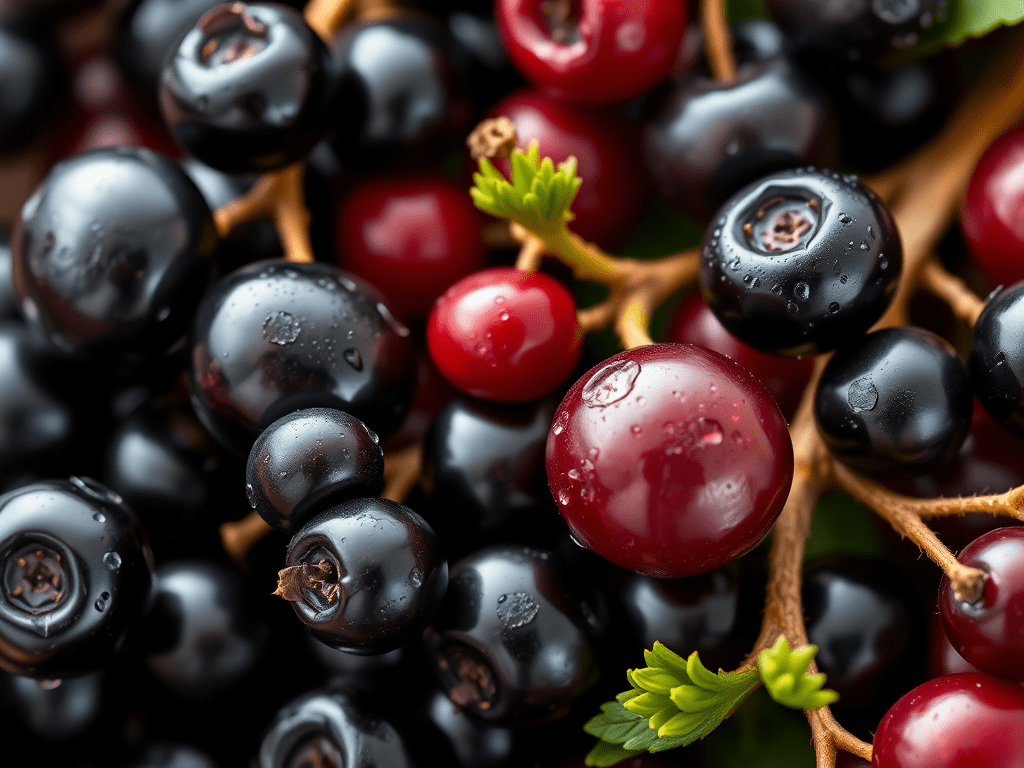
Currants are small, tart berries that belong to the Ribes genus. They come in several varieties, including black, red, and white currants. Black currants (Ribes nigrum) are rich in antioxidants, vitamin C, and anthocyanins, making them highly valued for their health benefits. Red and white currants (Ribes rubrum) have a slightly milder flavor and are often used in jams, jellies, and desserts.
Currants are distinct from dried currants found in baking, which are actually dried Corinth grapes, similar to raisins but much smaller.
Given your interest in fruits and their historical significance, currants have a fascinating past in both medicine and culinary traditions.
Black currants, for instance, were widely used in European herbal remedies for centuries, prized for their high vitamin C content and antioxidant properties. During World War II, black currant syrup was even distributed in the UK to prevent scurvy, as citrus fruits became scarce.
Red currants were similarly used in folk medicine for their supposed benefits in digestion and skin health. Their tartness comes from natural acids, which were believed to aid in stimulating appetite and metabolism.
Anthocyanins are a group of antioxidants responsible for the red, purple, and blue hues in many fruits and vegetables. They belong to the flavonoid family, which includes compounds found in tea, wine, and dark chocolate. These pigments not only contribute to vibrant colors but also offer potential health benefits, such as reducing inflammation and protecting against conditions like heart disease, cancer, and cognitive decline.
Some of the richest sources of anthocyanins include:
- Black currants (which you might find particularly interesting!)
- Blueberries
- Blackberries
- Chokeberries
- Red cabbage
- Purple corn
- Eggplant skin
- Black beans
Anthocyanins also play a role in plant physiology, helping protect against environmental stressors like UV light and extreme temperatures. Their presence in autumn leaves contributes to the striking red and purple colors seen in fall foliage.
Many fruits share a common set of benefits: antioxidants, anti-inflammatory properties, cardiovascular support, and digestive aids. This overlap largely stems from the shared evolutionary challenges that fruits have adapted to overcome. For example, antioxidants protect plant tissues from oxidative damage caused by sunlight and other environmental stressors. When we consume these compounds, they help counteract oxidative stress in our own cells, reducing the risk of chronic inflammation and heart disease.
The anti-inflammatory benefits you notice are also common among fruits because many of the bioactive compounds, such as flavonoids and polyphenols, play dual roles. In the plant, they defend against pathogens and environmental stress; in our bodies, they help modulate inflammation pathways. Similarly, the fiber that many fruits provide supports digestive health, stabilizes blood sugar levels, and even contributes indirectly to cardiovascular well-being by helping to manage cholesterol levels.
While the overall themes may be similar, each fruit brings a unique chemical signature to the table. For instance, black currants are particularly rich in vitamin C and specific anthocyanins, making them exceptional antioxidants that not only help with immune support but also provide a robust anti-inflammatory effect. In contrast, citrus fruits offer high vitamin C levels alongside other unique flavonoids that can promote cardiovascular health. This diversity emphasizes the importance of a varied diet when it comes to reaping all the different micronutrients and phytonutrients available in nature.
These overlapping benefits illustrate why nutritionists often recommend a diet rich in a wide assortment of fruits. By doing so, you can experience a synergistic effect where each fruit’s unique set of compounds complements the others, enhancing overall health.
When we talk about precautions with fruits, we’re really looking at practices that ensure you’re benefiting from their nutrients without exposing yourself to potential hazards. Here are several key precautions to consider:
- Proper Cleaning: Always wash fruits under running water before eating them, even if you’re planning to peel them. Washing removes surface dirt, bacteria, and pesticide residues that might cling to the skin. For fruits with firmer skins, a gentle brush can help remove any stubborn particles. Avoid using soap or chemical washes, as these are not designed for consumption.
- Safe Handling and Storage: Fruits should be inspected for signs of spoilage, such as bruises, mold, or soft spots that could harbor harmful microbes. When purchasing, select produce that appears fresh and store it according to its needs—many perishable fruits should be refrigerated promptly to prevent bacterial growth and preserve quality.
- Cross-Contamination Prevention: Keep fruits separate from raw meats, seafood, or other potentially contaminated foods during transport and storage. When preparing fruits for consumption, use clean utensils and cutting boards, and wash your hands thoroughly before and after handling them. This practice minimizes the risk of transferring pathogens from one food to another.
- Attention to Allergies and Sensitivities: While fruits are healthy for most people, some individuals might experience allergic reactions. Additionally, certain fruits have high acid content that can sometimes irritate sensitive digestive systems if consumed in very large amounts. It’s always a good idea to introduce new fruits gradually and monitor your body’s response.
These precautionary steps help ensure that you enjoy the nutritional and health benefits of fruits, rich in antioxidants, vitamins, and fiber, while minimizing the risk of foodborne illness or adverse reactions.
 EJADA
EJADA 
Leave a comment