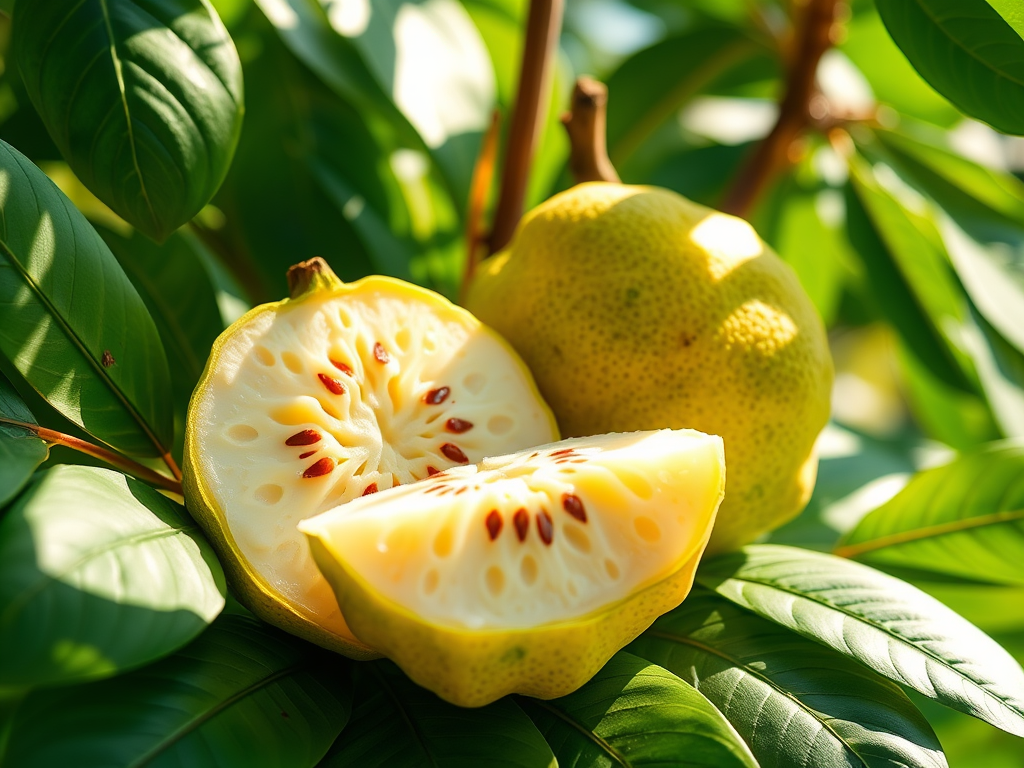
The custard apple is a tropical fruit from trees in the genus Annona (family Annonaceae). Unlike apples from the temperate Malus species, custard apples have a soft, sweet, and creamy pulp that resembles a rich, smooth custard, which is where the name comes from.
There are several species in the genus, with common ones being Annona squamosa (often called sugar apple or sweetsop) and Annona reticulata (sometimes known as bullock’s heart). These trees are typically small and thrive in warm, tropical climates, and the fruit has been valued not only for its unique flavor and texture but also for its use in traditional medicinal practices in tropical regions.
The history of the custard apple is not marked by a single recorded “first use.” The fruit is native to the tropical Americas (including regions of the Caribbean, Central America, and parts of South America), and indigenous peoples likely began cultivating and enjoying it long before European contact. Written records by European chroniclers only emerged during and after the 16th century when explorers documented the wonders of the New World.
However, archaeological and ethnobotanical evidence suggests that custard apples—and other Annona species—were part of local diets and traditional medicine for thousands of years, making their “first use” likely a matter of pre-Columbian history rather than a precisely documented event
Indigenous peoples in the tropical Americas recognized and utilized their healthful qualities—both as food and in folk remedies—for countless generations, well before any written records existed. When European explorers arrived in the New World during the 16th century, they began documenting the local plants and their uses, including the custard apple’s application in traditional medicine. This European chronicling marks the earliest written record of its medicinal use, even though the practice itself dates back much further in pre-Columbian times.
Modern science has continued to explore and validate these traditional uses through pharmacological studies over the past century, revealing that the fruit contains bioactive compounds like flavonoids, alkaloids, and acetogenins that contribute to its antioxidant, anti-inflammatory, and other therapeutic effects. This convergence of ancient wisdom and modern research underscores the custard apple’s longstanding role in natural medicine.
Custard apple is more than just a tropical treat; it’s a nutrient-rich powerhouse that offers several health benefits:
Abundant Antioxidants: Custard apple is loaded with antioxidants like vitamin C, carotenoids, and flavonoids. These compounds help neutralize free radicals in the body, which can reduce oxidative stress and help protect against chronic diseases. This antioxidant profile also supports immune function and may play a role in preserving skin health.
Digestive Support: Thanks to its significant fiber content, custard apple aids digestion. Fiber helps regulate bowel movements, supports a healthy gut microbiome, and may contribute to lower cholesterol levels by binding to and removing excess fats from the digestive tract.
Heart Health: The fruit is a good source of potassium and magnesium, minerals that are essential for maintaining proper blood pressure and overall cardiovascular health. Adequate potassium intake, for instance, can help counteract the negative effects of sodium and reduce the risk of hypertension.
Energy and Neurotransmitter Support: Custard apple provides B vitamins, particularly vitamin B6. This vitamin is crucial for energy metabolism and plays a role in the synthesis of neurotransmitters such as dopamine and serotonin, which are important for mood regulation and nerve function.
Anti-inflammatory Properties: Some research suggests that bioactive compounds present in custard apple may have anti-inflammatory effects. Traditional uses of the fruit and other parts of the tree in folk medicine hint at its potential in alleviating inflammation-related issues, though modern studies are still uncovering these benefits. Overall, incorporating custard apple into your diet not only delights your palate with its creamy texture and subtle sweetness but also contributes to a range of wellness benefits, from enhanced digestion and stronger immunity to a healthier heart and skin. It’s a fine example of how traditional wisdom intertwines with modern nutritional insights to support long-term health.
Here are some lesser-known, fascinating facts about custard apples that might pique your interest:
Unique Appearance & Texture: Custard apples derive their name from their sweet, creamy, almost custard-like pulp. Yet what truly sets them apart is their exterior—a green, scaly skin that often resembles a pinecone or quilted pattern. This distinctive look isn’t just eye-catching; it’s a natural marker of a well-ripened fruit with a unique texture that differentiates it from the more familiar apples of temperate climates.
Specialized Pollination Needs: Unlike many commonly cultivated fruits, some custard apple varieties require very specific pollinators or even manual (hand) pollination. The unusual architecture of their flowers doesn’t always attract the usual array of natural pollinators, making careful cultivation practices essential. This intricacy in their reproductive process not only adds an interesting twist to their agricultural story but also helps explain why they’re more readily found as local treasures rather than widespread commercial products
Short Shelf Life & Ripening Sensitivity: Custard apples are best enjoyed at the peak of ripeness; however, they have a notably short shelf life once fully mature. Their delicate, creamy flesh can quickly become overripe, which means they’re often consumed locally rather than exported widely. This brief window of optimal flavor contributes to the fruit’s aura as a seasonal and somewhat exclusive tropical indulgence.
Diverse Names & Cultural Significance: Depending on the region, custard apples are known by multiple names, including sugar apple, sweetsop, cherimoya, and even bullock’s heart. This variety in nomenclature reflects both the diverse species within the Annona genus and the rich cultural histories associated with the fruit. Indigenous communities across the tropical Americas not only valued the fruit for its taste but also revered its medicinal properties, integrating it into various healing and culinary traditions.
Intriguing Traditional Uses: Beyond its role as a delicious snack, almost every part of the custard apple tree has played a part in traditional medicine. While the creamy pulp is enjoyed as a nutrient-rich food, the leaves, bark, and even the seeds (which are toxic and must not be consumed) have been employed in folk remedies. Some cultures have used these parts to address digestive issues and inflammation, highlighting an age-old trust in the natural benefits this plant offers.
Eco-friendly Farming Potential: Custard apples are relatively hardy and adaptable to organic farming practices. They tend to need fewer pesticides and can thrive in less-than-perfect soil conditions, which positions them as an attractive option in sustainable agriculture. This eco-friendly aspect, while not always spotlighted in mainstream discussions, makes the custard apple a fruit worth exploring for both health and environmental benefits.
Custard apples carry a rich tapestry of cultural meanings that span continents and centuries. Here are some of the key aspects of their cultural significance:
- Symbol of Prosperity and Fertility: In regions like India, custard apples are often seen as emblems of good fortune and fertility. They are traditionally offered during weddings, birthdays, and religious festivals, symbolizing abundance and the promise of prosperity. This association with well-being and fruitful beginnings is woven into many local customs and celebratory practices.
- Ritualistic and Ceremonial Uses: In parts of Asia, for instance, in Taiwan, the custard apple is sometimes placed on altars as an offering to ancestors and deities. This ritualistic use underscores a reverence for nature and the ancestral traditions that honor the cycle of life and renewal. Such practices highlight the fruit’s role as not just a food item but also as a sacred connector between the earthly and the spiritual.
- Cultural Heritage in Traditional Medicine: Across Latin America and the Caribbean—its native regions—the custard apple has been cherished not only for its delightful flavor but also for its medicinal properties. Passed down through generations, the traditional use of custard apple in healing practices is a vital part of local folklore and cultural identity. This melding of culinary enjoyment and health wisdom speaks to a community’s longstanding relationship with the natural world 1.
- Integration into Culinary Identity: Beyond ritual and remedy, the custard apple’s unique taste and texture have cemented its place in local cuisines. In tropical regions, it often features in both desserts and savory dishes, reinforcing its role as a culturally significant ingredient and a symbol of regional identity. Its widespread culinary use helps maintain and celebrate cultural traditions surrounding food and shared heritage.
Custard apples thus serve as a living symbol of cultural continuity—a natural resource that connects ancient practices with modern culinary and medicinal applications.
Custard apples, also known as sugar apples or sweetsops, are available in the United States, though they aren’t as common as many other fruits. Due to their tropical nature and specific climate requirements, they’re primarily grown and sold in warmer U.S. regions—southern Florida, parts of California, and Hawaii—as well as being stocked by specialty markets and ethnic grocers in metropolitan areas such as New York. You might also find them offered online by niche fruit distributors during their peak seasons.
There are plenty of creative ways to use custard apples in your kitchen:
- Fresh Enjoyment: The simplest method is to cut the fruit in half and scoop out its sweet, creamy pulp—enjoy it as a fresh, stand-alone snack.
- Smoothies and Beverages: Blend custard apple pulp with ingredients like coconut water, lime juice, or even ice for a refreshing tropical smoothie.
- Desserts: Use the creamy flesh as an ingredient in puddings, ice creams, or custard-flavored fillings. Many chefs incorporate it into tarts, parfaits, or even as a unique twist in fruit salads.
- Fusion Dishes: Some innovative recipes even pair the custard apple with spices or savory elements to create fusion dishes that balance its natural sweetness with unexpected flavors.
These versatile uses complement its delicate, custard-like texture, encouraging a range of creative culinary experiments.
Here are some important precautions and safety tips to consider when handling and enjoying custard apples:
- Proper Fruit Selection & Washing:
- Choose Wisely: Pick fruits that yield slightly under gentle pressure, which indicates ripeness. Overripe fruits can become mushy and may spoil quickly, while unripe ones may be less flavorful.
- Clean Thoroughly: Since custard apples are often grown in tropical regions where pesticide use can be common, wash the fruit thoroughly with clean water to remove any residual chemicals on the skin before cutting it open.
- Seed Caution:
- Toxic Seeds: The custard apple’s interior contains numerous large seeds, which are not edible and can be toxic if ingested. Always remove and discard these seeds carefully, using a spoon or knife to scoop out only the smooth, custard-like pulp.
- Prevent Cross-Contamination: While processing the fruit for recipes, ensure that the seeds do not mix with the edible portions.
- Allergy Awareness:
- Test in Small Quantities: If you are trying custard apple for the first time or have food sensitivities/allergies, consume a small amount initially to check for any adverse reactions. Although allergic reactions to custard apple are rare, caution is always wise when introducing new foods into your diet.
- Storage and Shelf Life:
- Refrigeration: Once ripe, custard apples have a relatively short shelf life. Storing them in the refrigerator can help slow down the ripening process and prevent spoilage.
- Watch for Signs of Spoilage: Discard any fruit that shows signs of mold, an off smell, or an overly mushy texture to avoid consuming spoiled produce.
- Handling and Preparation Tips:
- Work on a Clean Surface: Use clean utensils and cutting boards when preparing custard apples to maintain food safety standards.
- Mind the Mess Factor: Be prepared for a bit of a mess—the flesh is soft, and the texture can be sticky, so consider using a spoon to extract the pulp rather than cutting it too roughly.
Taking these precautions can help you safely enjoy custard apples while maximizing their nutritional benefits and unique flavor.
Many fruits that start with the letter “C” do offer health benefits, thanks to their vitamins, antioxidants, and fiber. Time to explore more fruits and what benefits they offer to our daily healthy lifestyle.
 EJADA
EJADA 
Leave a comment