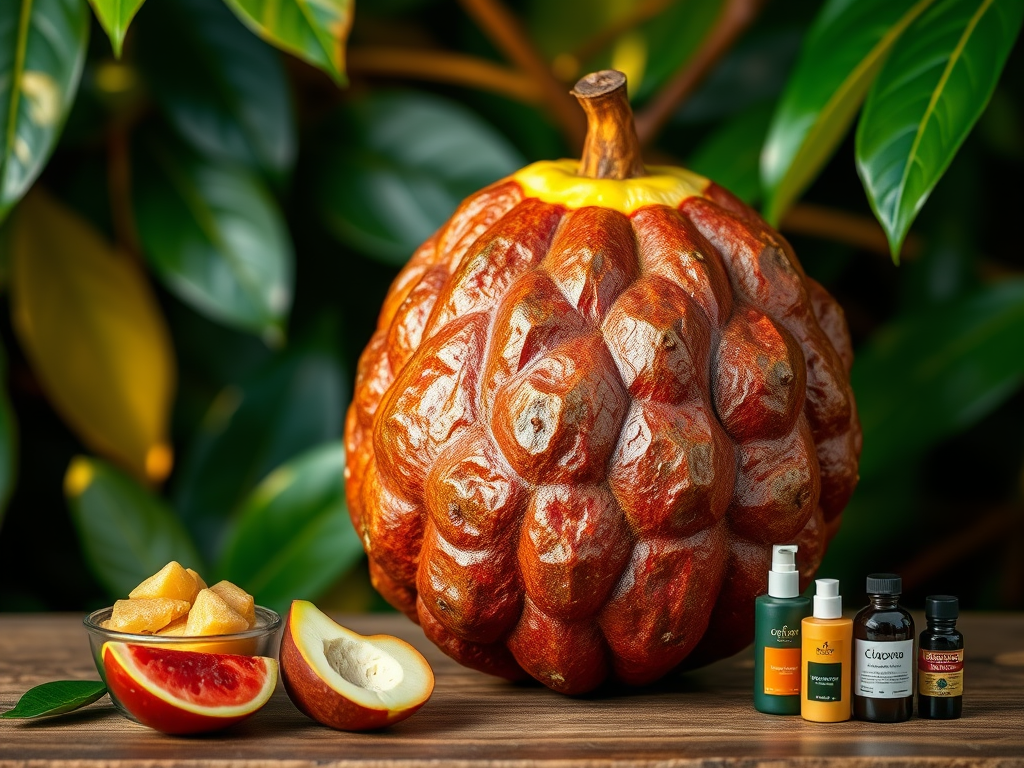
Cupuacu (Theobroma Grandiflorum) is native to the Amazon basin and has a long history of use by indigenous peoples.
While the fruit as a wild species undoubtedly predates human intervention by millions of years, recent research indicates that the domestication process, when local communities began to selectively cultivate and value the fruit, may have started around 8,000 years ago. In some accounts, different phases of domestication even span from about 8,000 to 5,000 years ago, marking its importance in ancient South American cultures as both a nourishing food source and a plant with medicinal properties.
Although cupuaçu is less known outside of its native region, within the Amazon, its unique flavor and nutritious profile (often described as a mix of chocolate, pineapple, and banana) made it a revered “food of the gods.” Indigenous traditions celebrated it not only for its culinary delights but also as a symbol of fertility and well-being. This rich historical background, combined with its status as a relative of the cacao tree, underscores the fruit’s deep-rooted cultural and nutritional significance.
Building on this, modern research and culinary experimentation continue to unlock cupuaçu’s potential, for instance, in desserts, beverages, and cosmetic products due to its hydrating qualities. Its ancient domestication story highlights a remarkable example of long-term, sustainable interaction between humans and their environment, showing how a wild resource was transformed into a culturally important and versatile fruit.
Cupuacu is available in the United States and appears in several forms, depending on what you’re looking for:
Fresh or Processed Fruit Pulp: Some specialty distributors import Cupuacu as either fresh or frozen pulp. This form is ideal for use in smoothies, desserts, or for creating your own juices. The pulp captures the fruit’s unique taste—a blend of chocolate, pineapple, and banana notes—and is popular among culinary enthusiasts who experiment with exotic flavors.
Supplement Capsules: There are products on the market that offer Cupuacu in capsule form, where the extract is concentrated for its nutritional benefits. These capsules are typically marketed for skin nourishment, heart health support, and energy boosts. This form offers a convenient way to incorporate the benefits of Cupuacu into your daily routine without having to source the raw fruit.
Cosmetic and Processed Food Ingredients: Beyond direct consumption, Cupuacu is also used in the cosmetic industry. The seeds can be processed to extract Cupuacu butter, which is valued for its hydrating and emollient qualities, similar to cocoa butter. In the culinary world, the edible beans (or seeds) can be made into a sort of chocolate, providing a healthy twist on more traditional confections.
Cupuacu is celebrated not only for its exotic, chocolate-pineapple flavor but also for its impressive nutritional profile and associated health benefits. Here are some key benefits drawn from both traditional uses and modern research:
Powerful Antioxidant Support and Cardiovascular Health: Cupuacu is rich in antioxidants such as epicatechin and quercetin. These compounds help neutralize free radicals produced by environmental pollutants, cigarette smoke, and other stressors. Epicatechin, in particular, may improve blood flow, especially around the brain, which supports cognitive function, while quercetin is linked to improved heart and blood vessel health by aiding in the regulation of fat accumulation and glucose absorption. Additionally, the fiber in cupuacu might contribute to satiety, potentially supporting weight management strategies. These properties collectively suggest that cupuacu can be a beneficial component of a balanced diet focused on reducing oxidative stress and promoting cardiovascular well-being.
There is a growing body of research that supports several of cupuacu’s health benefits, though it’s important to note that many of the claims come from early studies, traditional use, and laboratory research rather than large-scale human clinical trials. Here’s a closer look at some of the benefits that have received the most attention:
Antioxidant and Cellular Protection: Cupuacu is rich in antioxidants—compounds like epicatechin and quercetin—that help neutralize free radicals. Laboratory studies have suggested that these antioxidants can reduce oxidative stress, which is linked to aging and a variety of chronic conditions. While these cellular-level effects are promising, the direct impact on long-term health in humans needs further clinical validation.
Cardiovascular Support: Some preliminary research indicates that the polyphenols in cupuacu may support cardiovascular health by improving blood flow and potentially reducing LDL (bad) cholesterol levels. Compounds similar to those found in cocoa (a close relative of cupuacu) have been linked to benefits such as improved vascular function.
However, while there is supportive in vitro and animal research, more definitive human studies are required to officially confirm these benefits as “proven”.
Skin and Hair Health: One of the most extensively utilized forms of cupuacu is its extracted butter, which is highly valued in the cosmetic industry. Its fatty acid profile gives cupuacu butter superior moisturizing properties, helping to restore skin hydration and protect against environmental stressors. Some controlled studies suggest that it can improve skin elasticity and serve as an effective emollient, which is one of the more established benefits in both traditional use and clinical settings.
Digestive and Nutritional Benefits: Cupuacu also contains dietary fiber, vitamins, and minerals that can contribute to overall nutritional health and help promote a feeling of fullness. These benefits, while common to many nutrient-dense fruits, add to their appeal as a healthful supplement to a balanced diet. Nonetheless, these effects are generally considered supportive rather than groundbreaking on their own.
In summary, while the antioxidant properties and topical benefits of cupuacu are among its most compelling attributes, supported by both traditional usage and emerging research, the term “proven” is still cautiously applied because large-scale, rigorous human trials are limited
Anti-Inflammatory and Immune System Benefits: The naturally occurring quercetin in cupuacu exhibits antibacterial and antiviral properties. These effects can help bolster the immune system and reduce inflammation, a key factor in many chronic diseases. The anti-inflammatory characteristics also make cupuacu a potential ally in maintaining overall health and guarding against conditions associated with systemic inflammation.
Cosmetic and Topical Advantages: One of the most celebrated applications of cupuacu is in the form of cupuacu butter, which is extracted from its seeds. This butter is prized in the cosmetic industry for its exceptional moisturizing properties. Due to its unique composition comprising both saturated and unsaturated fatty acids, it helps lock in moisture, restore skin elasticity, and protect the skin from the damaging effects of ultraviolet radiation and environmental pollutants.
Studies and traditional use have shown that cupuacu butter can be highly effective as a natural skin moisturizer and hair conditioner, making it a popular ingredient in creams, lipsticks, conditioners, and other beauty products.
Cupuacu’s blend of internal and external benefits—from aiding brain and heart health to enhancing skincare regimes—illustrates its versatility as a superfruit. If you’re experimenting with new culinary ingredients or exploring natural skincare alternatives, cupuacu is a fascinating option to consider.
Read More @ Webmd health-benefits-cupuacu
Brain health. Cupuaçu has epicatechin, an antioxidant that’s also in cocoa and berries. Studies have found that epicatechin can improve blood flow, especially around the brain. Though more research is needed, this may have a number of benefits for cognitive health, especially in terms of memory and processing speed.
These varied forms make it easier for different consumers, whether you lean toward culinary experimentation, nutritional supplements, or natural skincare, to enjoy the benefits of this Amazonian superfruit.
Cupuacu is related to cacao. Its fruit has a fleshy, white pulp with a chocolatey, fruity flavor, and is popular throughout Brazil. The seeds produce a rich fat used in cooking and cosmetic products.
11 Incredible Cupuacu Butter Benefits read more@ @ cupuacu
Cupuacu Butter benefits are a natural emollient and contains natural fatty acids, so it is a very effective moisturizer for dry and sensitive skin. It might be difficult to pronounce (for the record, it’s coo-pwah-soo), but it’s easy to see why cupuaçu butter is pretty much taking over the beauty world.
While Cupuacu is celebrated for its nutritional and cosmetic benefits, there are still some important precautions and potential risks to keep in mind, as with any fruit:
- Digestive Discomfort from Overconsumption: Although cupuacu is generally well tolerated, eating it in large quantities may lead to mild digestive discomfort. This is largely due to its high fiber and natural sugar content, which can overwhelm your system if introduced too rapidly. Starting with small, moderate servings can help your body adjust and minimize any gastrointestinal upset.
- Potential Skin Sensitivity: Natural products like cupuacu—especially when used in their less-refined forms, such as raw fruit or cupuacu butter—can sometimes cause mild skin irritation in individuals with particularly sensitive skin. A simple precaution is to perform a patch test before using new cosmetic or topical products containing cupuacu extracts. This simple test can help you avoid unexpected irritation or allergic reactions 2.
- Allergic Reactions and Cross-Reactivity: While cupuacu is considered non-toxic, there’s always a small risk for others who have sensitivities or allergies to similar fruits or cacao (its close botanical relative). If you have known sensitivities or allergies in this fruit family, consulting with a healthcare provider before integrating cupuacu into your diet or skincare routine is a wise step.
- Quality and Source Considerations: As with any food or cosmetic ingredient, ensuring that you purchase cupuacu from reputable suppliers is essential. Proper processing, such as flash freezing or using high-quality extraction methods for cupuacu butter, helps maintain its beneficial properties while reducing risks of contamination or degradation. Relying on trusted sources can safeguard both your health and the integrity of any product you’re using.
Overall, cupuacu is generally safe and non-toxic. However, these precautions highlight the importance of moderation and mindful use, whether you’re consuming it as part of your diet or applying it topically as a natural cosmetic. Being aware of your body’s reactions and starting slow when introducing any new food or skincare ingredient is a sensible approach.
Cupuaçu butter can often serve as a substitute for cocoa butter, especially in cosmetic and skincare formulations.
Both are derived from tropical trees with similar origins, but their fatty acid profiles differ, which in turn affects texture, absorption, and melting behavior. Here are a few points to consider:
Fatty Acid Profile and Texture: Cocoa butter is higher in stearic acid, giving it a firmer consistency and a distinct, rich chocolate aroma. In contrast, Cupuaçu butter contains a higher proportion of oleic acid, which results in a lighter, more easily absorbed texture. This often makes Cupuaçu butter attractive for formulations where a non-greasy, fast-absorbing emollient is desired 2.
Cosmetic Applications: In skincare, Cupuaçu butter’s lighter feel can be an advantage over cocoa butter, especially in products like moisturizers, creams, and lotions aiming for quick penetration and less residue. Its unique properties also lend themselves well to anti-inflammatory and hydrating benefits, making it a strong contender as an alternative to cocoa butter in many cosmetic recipes.
Culinary Uses: In culinary applications, cocoa butter is prized not only for its texture but also for its ability to provide a stable fat with a consistent melting profile, particularly in chocolate production and confectionery. When substituting with Cupuaçu butter, you might notice subtle changes in flavor, melting point, and texture. It can offer a slightly different taste profile—sometimes described as having hints of fruitiness—that may complement certain recipes, though adjustments might be necessary to achieve the desired consistency in sweets or baking applications.
Overall, Cupuaçu butter works well as a substitute in many cases, but it’s important to consider the specific requirements of your formulation, whether for skin applications or culinary delights, and run small test batches to ensure the final product meets your expectations.
If you’re thinking about incorporating cupuacu into new recipes or experimenting with homemade skincare formulations, exploring further details on dosage, processing, and blends with other complementary ingredients could be really exciting.
 EJADA
EJADA 
Leave a comment