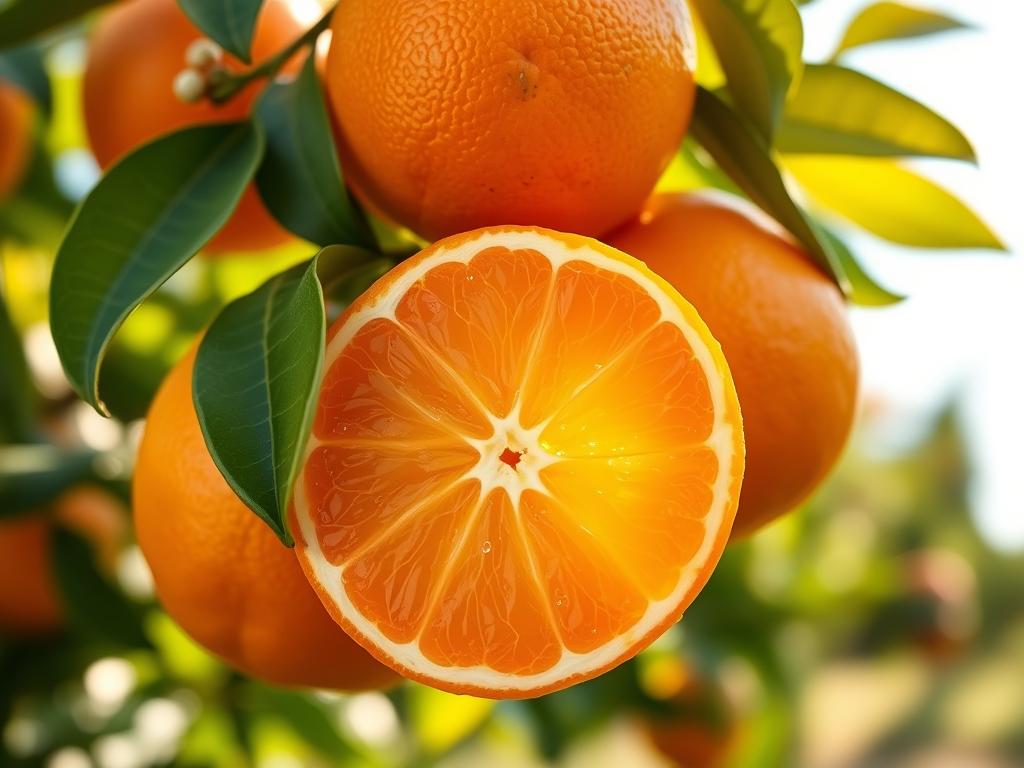
Accidental discovery: Clementines were first identified in the late 19th century in Algeria, in an orphanage garden. Brother Clément Rodier, a French missionary, stumbled upon them—and that’s how they got their name.
China’s citrus connection: While some sources claim that similar fruits existed in China, genetic studies confirm their Algerian origin.
The “Easy-Peelers”: Their smooth, glossy skin makes them effortless to peel—hence their nickname!
Hybrid origins: Clementines are a cross between a mandarin orange and a sweet orange, blending the best of both worlds for a delicious result. It was first discovered in the late 19th century in Misserghin, Algeria, in the garden of an orphanage run by French missionary Brother Clément Rodier, after whom the fruit was named. Some sources suggest similar fruits existed in China, but genetic studies confirm the Algerian origin.
Unlike many ancient citrus varieties that were used in traditional remedies for centuries, there isn’t a well‐documented “first use” of clementines as a formal medicinal treatment right after their discovery. Rather, early on, they were mainly valued as a refreshing fruit—one that, by its high vitamin C content, naturally helped bolster the diet and indirectly contributed to preventing conditions like scurvy.
It wasn’t until nutritional science advanced in the early to mid‑20th century that the health‐promoting properties of citrus fruits, including clementines, became more clearly defined. As researchers began to understand the protective role of vitamin C and antioxidants in immune function and overall wellness, clementines gradually earned recognition as a beneficial dietary supplement for maintaining health, even though they were never “designed” or specifically formulated as a medicine. In other words, their medicinal value evolved from general dietary recommendations rather than from a distinct traditional medical practice
Clementines offer a host of health benefits that stem largely from their impressive nutritional profile. They are an excellent source of vitamin C—one small fruit can provide up to 40% of your daily vitamin C requirement. This vitamin is indispensable for strengthening the immune system, promoting collagen synthesis for skin health, and acting as a powerful antioxidant that helps protect cells from damage by free radicals.
In addition to vitamin C, clementines supply other essential nutrients such as folate, thiamine, and fiber. The fiber they contain aids digestion and can help regulate blood sugar by slowing the absorption of sugars, while the overall low-calorie content (about 35 calories per fruit) makes them an ideal, guilt-free snack. Their natural sweetness and ease of peeling, often highlighted by their nickname “easy-peelers,” also make them especially popular for encouraging fruit consumption among both children and adults.
Clementines are packed with surprising health benefits! Here are some lesser-known perks of this vibrant citrus fruit:
May Help Reduce Inflammation – The citrus antioxidants in clementines, such as hesperidin, have anti-inflammatory properties that may help protect against chronic diseases.
Boosts Brain Health – Clementines contain antioxidants like hesperidin and narirutin, which may help improve mental function and potentially aid in preventing neurodegenerative diseases.
Supports Eye Health – The beta-carotene in clementines is converted into vitamin A, which plays a crucial role in maintaining good vision.
Enhances Iron Absorption – Vitamin C in clementines increases the absorption of non-heme iron from plant-based foods, making them a great addition to vegetarian and vegan diets.
Promotes Skin Health – The high vitamin C content helps synthesize collagen, improving skin elasticity and reducing signs of aging.
Aids Digestion – Clementines contain fiber, which supports gut health and helps regulate digestion.
These compounds may help reduce the risk of chronic conditions such as heart disease and could contribute to overall cellular health. Although more research is needed to solidify these connections, incorporating clementines into a balanced diet is generally considered beneficial for both overall wellness and disease prevention.
Citrus fruits, as a family, pack a powerful nutritional punch that translates into a range of medicinal benefits, though the emphasis varies by fruit due to differences in their chemical profiles.
For example, lemons and limes are renowned for their high citric acid content and robust vitamin C levels, making them a traditional remedy for boosting immunity, aiding digestion, and even acting as natural antiseptics. These fruits are frequently used in detox drinks and warm water elixirs to help stimulate the digestive system and support the liver’s natural cleansing processes. Their sharp acidity also makes them effective in alleviating minor bacteria-related infections when used topically in diluted preparations.
Grapefruit offers a slightly different profile. It is loaded with vitamins, antioxidants, and fiber, contributing to cardiovascular health by helping to regulate cholesterol levels and reduce inflammation. However, because grapefruit contains compounds called furanocoumarins that can interfere with drug metabolism, its “medicinal” use must be approached with caution and professional guidance when medications are involved.
Bitter oranges (or Seville oranges), used in various traditional systems such as Chinese and Ayurvedic medicine, have been employed to stimulate digestion, promote weight loss, and even ease respiratory issues. Their extracts are believed to enhance metabolism and aid in appetite suppression, although modern medical opinions advise a balanced approach given the potent bioactive compounds present.
As for mandarins and hybrids like clementines, their relatively milder flavor and lower acidity render them less aggressive as a “medicinal” agent in traditional remedies. Instead, they are often celebrated for their nutritional profile as easy-to-consume snacks that boost overall vitamin C intake, support skin health through collagen synthesis, and provide antioxidant benefits, indirectly contributing to the prevention of chronic diseases.
Modern research has validated many of these traditional uses by highlighting that the bioflavonoids, essential oils (like limonene), and antioxidants inherent in citrus fruits help to reduce oxidative stress, mitigate inflammation, and maintain a healthy cardiovascular system. In this way, while all citrus fruits share a core set of health benefits—especially related to immune support and antioxidant protection—the subtle differences in their phytochemical compositions lead to their varied roles in both traditional medicine and modern dietary practices.
Clementines are a fantastic ingredient in both sweet and savory dishes! Here are some popular recipes that make the most of their bright, citrusy flavor:
- Clementine Cake – A moist, flourless cake made with whole clementines, almond meal, eggs, and sugar. This cake is famous for its rich citrus aroma and dense texture. You can find variations of this recipe from chefs like Nigella Lawson. A cake recipe can be found on the Food Network, Clementine Cake Recipe
- Clementine Jam – A simple yet delicious jam made by pureeing clementines and cooking them with sugar and lemon juice. Perfect for spreading on toast or pairing with pastries. Jam found on the Great Island, Clementine jam
- Clementine Sorbet – A refreshing frozen dessert that requires minimal ingredients—just clementine juice, sugar, and water. Search Serious Eats sorbet recipe
- Clementine Pound Cake – A rich and buttery cake infused with clementine zest and juice, perfect for pairing with coffee or tea.
- Clementine Sunshine Smoothie – A bright and refreshing smoothie made with clementines, Greek yogurt, and ice, packed with vitamin C.
Search for more ideas on how to use Clementines: 25 insanely good recipes
 EJADA
EJADA 
Leave a comment