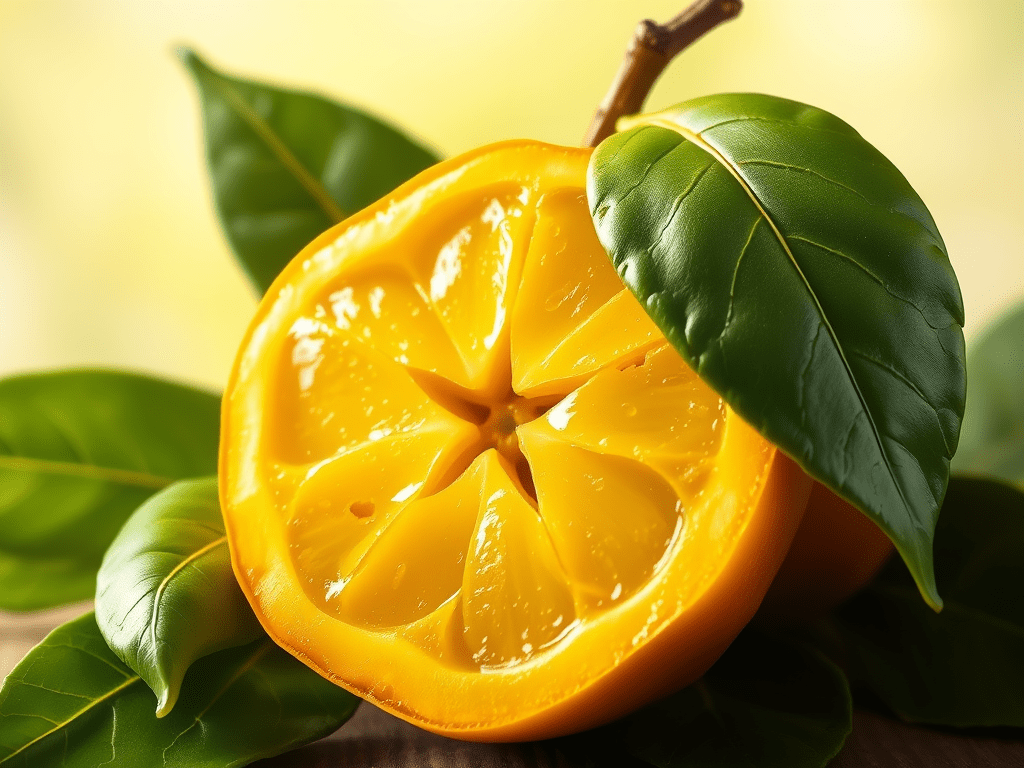
Carambola—commonly known as star fruit—is celebrated not only for its unique, attractive appearance and tangy-sweet flavor but also for its diverse health benefits. Its nutritional profile includes a generous amount of vitamin C, dietary fiber, and potent antioxidants (such as epicatechin and gallic acid), which help fight oxidative stress and inflammation. These properties make carambola a popular choice for supporting the immune system, aiding digestion, and promoting heart health by helping to manage blood pressure (thanks to its potassium content) and cholesterol levels. Its low-calorie profile also makes it a welcome ally in weight-management diets. However, those with kidney issues need to exercise caution, as substances in the fruit (like oxalates and caramboxin) can accumulate and potentially harm vulnerable individuals.
Immune Support: Carambola is rich in vitamin C, a well-known immune booster that helps strengthen your body’s natural defenses against infections while also supporting skin and tissue health.
Digestive Health: The fruit contains a good amount of dietary fiber, which aids digestion by promoting smooth bowel movements and contributing to overall gut health. This can be especially beneficial for maintaining a balanced digestive system.
Antioxidant Action: With potent antioxidants like epicatechin and gallic acid, carambola helps combat oxidative stress and inflammation. This antioxidant profile is important for protecting your cells against damage caused by free radicals, potentially reducing the risk of chronic diseases.
Heart Health: Thanks to its potassium content, carambola can contribute to managing blood pressure, supporting cardiovascular health. Additionally, its low-calorie and fiber-rich profile can aid in maintaining healthy cholesterol levels, further benefiting the heart.
Weight Management: The fruit’s low-calorie nature makes it a smart choice for those looking to manage their weight without sacrificing essential nutrients. Its fiber content also helps keep you fuller for longer, which can curb overeating.
In traditional medicine across various cultures, particularly in Asia and parts of Latin America. Traditional healers have long valued different parts of the tree—from its fruit to its leaves—for a multitude of therapeutic applications. Here are some of the key traditional uses:
Digestive and Gastrointestinal Remedies
- Alleviating Digestive Upset: In many traditional practices, carambola has been used to soothe digestive issues such as indigestion, vomiting, and diarrhea. The fruit’s natural fibers and bioactive compounds are believed to help restore balance to the digestive tract. Often, preparations such as fruit juice or teas made from the leaves have been administered to ease gastrointestinal discomfort.
Fever, Inflammation, and Pain Relief
- Fever Reduction and Anti-Inflammatory Uses: Traditional systems like Ayurveda and traditional Chinese medicine have utilized carambola to manage fever and reduce inflammation. In some cultures, ripe carambola or its extracts are consumed to lower body temperature during episodes of fever. Additionally, the leaves have been prepared in ways that target inflammation and even skin irritations, such as those seen in scabies or minor wounds.
Metabolic and Cardiovascular Health
- Blood Sugar and Blood Pressure Management: In regions such as Brazil and India, carambola has been integrated into traditional remedies aimed at controlling high blood sugar and blood pressure levels. The fruit juice or leaf extracts are thought to act as natural tonics that help modulate metabolic functions, potentially supporting cardiovascular health.
- Though modern science is still unlocking these effects, the historical usage reflects a deep trust in its balancing properties.
Other Traditional Applications
- Anthelmintic and Antipruritic Uses: Beyond its digestive and metabolic benefits, carambola leaves have also been used as anthelmintic agents to expel intestinal parasites and as antipruritic (anti-itch) remedies in various folk medicine practices. Some traditional formulations have even ventured into using carambola derivatives for managing respiratory symptoms (such as cough and sore throat), headaches, and even hemorrhoids.
- Detoxification and Fluid Regulation: In certain Ayurvedic traditions, the fruit was believed to aid in ridding the body of excess water or toxins, further highlighting its role as a general tonic for restoring balance within the body.
These traditional applications underscore a holistic approach to health that was characteristic of ancient healing systems. Although contemporary scientific research is still validating many of these uses, the longstanding reliance on carambola in traditional medicine offers a fascinating glimpse into how natural remedies have been integrated into healthcare practices over centuries.
The health benefits were first discovered, and the story of carambola is steeped in centuries of traditional use. Native to the Malayan Peninsula, carambola has been grown and utilized in Southeast Asia for generations, not just as a food, but also in traditional medicine, where its healing properties (from soothing digestive upset to offering general tonic benefits) were passed down through community practices long before modern science took notice.
Although pinpointing an exact historical date is challenging, modern scientific evaluation of its nutritional and medicinal properties gained momentum from the late 20th century onward. In essence, while academic inquiry and laboratory research are relatively modern endeavors, the fruit’s beneficial reputation dates back several centuries among the cultures where it was first cultivated.
One important precaution: despite its many benefits, carambola contains oxalates and a neurotoxin called caramboxin. This means that individuals with kidney problems or those who are prone to kidney stones should exercise caution, as these substances can accumulate and potentially lead to adverse effects.
Beyond these points, there is a rich legacy of how traditional medicine has harnessed local fruits like carambola, mangoes, papayas, or even lesser-known tropical fruits; there’s an entire world to explore.
Read More according to www.webmd.com
Star Fruit Nutrition
Star fruit is low in calories, has a lot of vitamins and other nutrients, including the following:
- Fiber
- Protein
- Vitamin C
- Vitamin B5
- Folate
- Copper
- Potassium
- Magnesium
Read more: Healthline.com
Eating plenty of fruits and vegetables can get repetitive if you don’t try different things.
Luckily, there are many delicious fruits and vegetables to add variety to your diet.
One unusual fruit that is getting increasingly popular is star fruit.
This article explores the benefits and potential health risks of star fruit.
 EJADA
EJADA 
Leave a comment