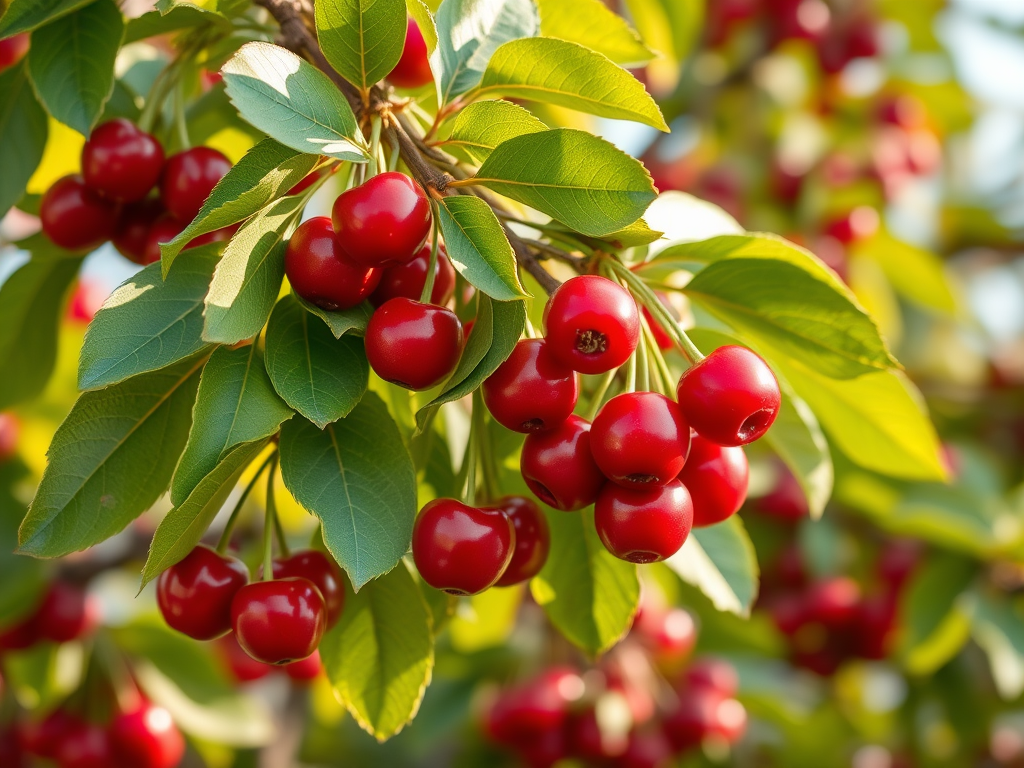
Cherries are a vibrant, versatile summer fruit that can elevate almost any dish with their bright color and juicy flavor. Here are some of the best ways to incorporate them into your summer culinary adventures:
- Fresh and Simple: Enjoy cherries straight from the bowl as a refreshing snack. They’re perfect on their own or mixed into a fruit salad for that extra burst of natural sweetness and texture.
- Salads and Salsas: Add pitted and halved cherries to green salads—paired with ingredients like arugula, goat cheese, and toasted nuts—to create a balanced dish that’s both visually appealing and nutritionally rich. Their sweet-tart profile can also brighten up a salsa when combined with tomatoes, onions, cilantro, and a squeeze of lime.
- Beverages and Smoothies: Blend cherries into smoothies or fresh juices by combining them with yogurt, bananas, and a splash of almond or coconut water. For a refreshing twist, muddle them into cocktails and mocktails, or even try your hand at a cherry lemonade to cool off on a hot day.
- Desserts and Frozen Treats: The possibilities for desserts are endless. Bake a cherry clafoutis, whip up a cherry compote for drizzling over ice cream or pancakes, or even freeze cherry juice in molds to create homemade ice pops. These options not only satisfy your sweet tooth but also harness the fruit’s natural pigments and antioxidants for added health benefits.
- Savory Sauces: Create a cherry balsamic reduction by simmering fresh cherries with a bit of vinegar, sugar, and spices. This savory-sweet sauce is wonderful drizzled over grilled meats or as a unique salad dressing, introducing a gourmet twist to your summer barbecue.
Incorporating cherries into your summer isn’t just about adding color and flavor—it’s a delightful way to infuse your meals with antioxidants, vitamins (especially vitamin C), and natural anti-inflammatory compounds that can contribute to overall well-being. With inventive uses ranging from fresh snacks to sophisticated dishes, cherries can be the star ingredient across a spectrum of summer recipes, as highlighted by culinary blogs and recipe collections.
While cherries have long been a beloved fruit in culinary traditions across many cultures, it wasn’t until the modern research era that their specific health benefits were scientifically documented. In the early to mid‑1990s, several studies began to shine a light on cherries’ impressive antioxidant profile, particularly highlighting the abundance of anthocyanins.
These bioactive compounds were linked to anti-inflammatory effects, contributing to relief from symptoms of arthritis and gout. This period is widely recognized as the time when cherries first gained attention as a functional food with significant health-promoting properties. Determining a single “first user” of cherries for medicinal purposes is challenging because their healing properties were discovered gradually and transmitted orally long before written records existed. What we do know is that:
Evolution into Modern Recognition: Later on, during the early 19th century, transformative preservation techniques led to the creation of what we now call maraschino cherries. A notable figure in this development was a Croatian monk, whose work in 1821 helped popularize the preserved form of cherries. While his contribution is often highlighted in the context of preservation and culinary use, it also reflects a continued interest in harnessing the fruit’s beneficial properties, which had already been recognized in traditional medicinal practices for centuries.
Ancient and Medieval Traditions: Cherries, especially the sour or wild varieties, were valued for their potential health benefits by various cultures. In medieval Europe, for instance, herbalists employed cherries in remedies aimed at easing ailments like gout, insomnia, and digestive disorders. These practices were part of a broader tradition of using locally available fruits to treat common health issues, rather than being traced to one specific individual or culture.
Before this scientific spotlight, cherries were certainly used in traditional medicine across various cultures, but the detailed understanding of their health benefits emerged only with modern studies that quantified these effects and helped validate anecdotal observations. Subsequent research—including work from universities such as Michigan State University in the early 2000s—expanded on these initial findings to explore benefits ranging from improved cardiovascular function and better muscle recovery after exercise to enhanced sleep quality.
They’re celebrated not only for their delicious taste but also for their impressive nutritional profile, which includes vitamins (especially vitamin C), antioxidants like anthocyanins and polyphenols, and natural compounds that help reduce inflammation. These attributes contribute to a range of benefits, such as:
- Anti-inflammatory and Pain Relief: The anthocyanins in cherries are known to help reduce inflammation. This is particularly valuable because inflammation is a common pathway behind conditions like arthritis and gout.
- Heart Health: Their potassium and antioxidant content support cardiovascular function by helping to regulate blood pressure and reduce oxidative stress on blood vessels.
- Exercise Recovery and Muscle Relief: Studies have shown that consuming cherries or their extracts can help reduce muscle soreness and improve recovery after intense physical activity.
- Sleep Regulation: Cherries naturally contain melatonin, which can contribute to better sleep cycles.
Historically, the earliest recognized health benefit of cherries in a medicinal context came to light in the early 1990s. Before this, cherries had been enjoyed as a nutritious food for centuries, but anecdotal observations—especially among those dealing with arthritis and gout—prompted closer scientific scrutiny. Researchers then began investigating the fruit’s potent anti-inflammatory properties and high antioxidant content, discovering that these compounds could help alleviate joint pain and reduce inflammation.
In essence, while cherries have always been appreciated for their flavor and nutritional value, their first notable medicinal use was in providing natural relief from inflammatory conditions like arthritis and gout. This early application set the stage for subsequent research that has since expanded our understanding of how cherries support overall health.
In summary, the medicinal use of cherries emerged gradually among early herbal practitioners in medieval Europe and other ancient cultures. There isn’t a documented singular “first user” but rather a rich tapestry of traditional knowledge that recognized cherries as a healthy, healing food from well before modern medical science began to explore their properties in detail.
READ MORE from WebMD: Cherries are full of vitamins and minerals that can help your body defend against cell damage. (Photo Credit: The Image Bank / Getty Images)
Cherries are small stone fruits, which means they have a pit or seed inside. They grow in several colors and flavors, but they’re considered either sweet or sour. Sweet cherries are juicy and have a lower acid content than sour cherries, which are much more tart.
Michigan grows most of the sour cherries in the U.S., while Washington, California, and Oregon grow 90% of the sweet cherries.
 EJADA
EJADA 
Leave a comment