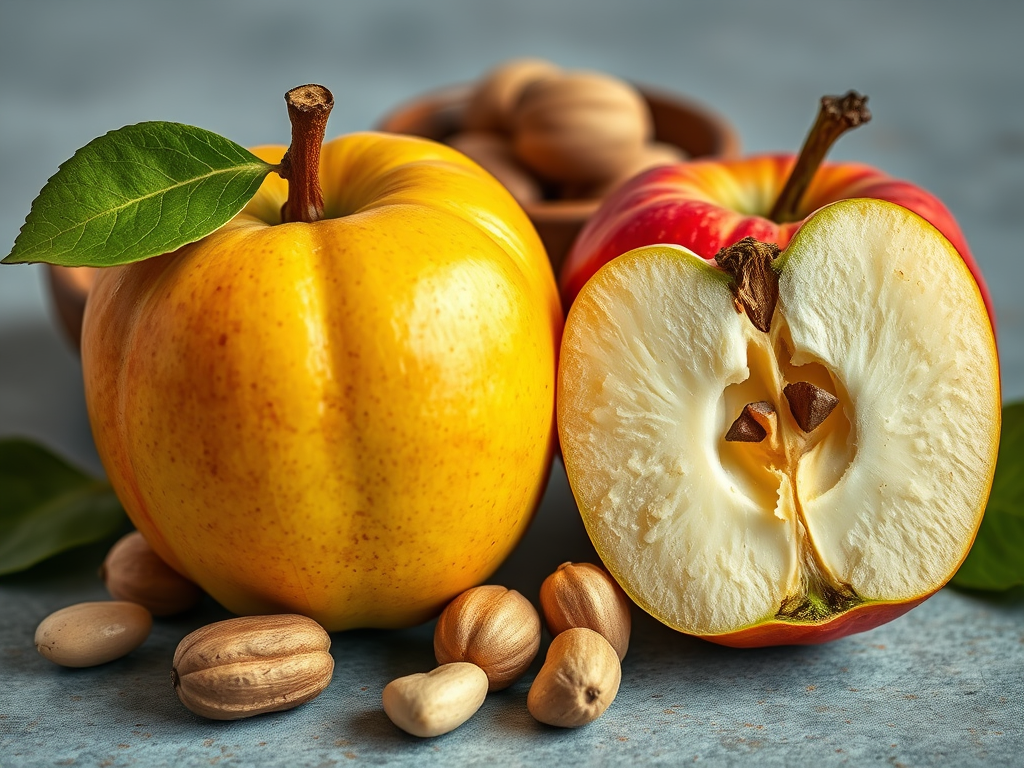
Determining the very “first use” of the cashew apple is challenging because indigenous peoples in its native range—primarily in northeastern Brazil—have long enjoyed and utilized the fruit for both nutritional and medicinal purposes long before any written records existed. In other words, the fruit’s use dates back centuries within these communities, though specific dates have not been recorded.
What we do know from documented history is that European explorers first encountered and recorded the cashew (including its distinctive accessory fruit, the cashew apple) around 1558 in Brazil. When the Portuguese arrived in the region, they learned from the local Tupi-speaking peoples how to safely use the cashew, which involved methods to remove the toxic resin on the nut’s shell. This interaction marks the earliest clear written reference to the cashew apple’s use, even though the fruit had been an integral part of local diets and folk medicine long before that encounter.
The subsequent introduction of cashew cultivation and the eventual spread of its culinary and medicinal uses to other parts of the tropics, such as India, Africa, and Southeast Asia, further highlights its value across cultures.
The cashew apple—the swollen, juicy accessory fruit of the cashew tree (Anacardium occidentale)—is more than just a precursor to the familiar cashew nut. In many tropical regions, especially throughout Latin America and India, its distinctive flavor and rich nutrient content have propelled it to a revered status in traditional medicine and culinary practices.
The cashew apple’s medicinal uses in traditional practices are multifaceted, harnessing its high vitamin content, antioxidants, and anti-inflammatory compounds to support Digestive Health and Antibacterial Benefits.
Traditional healers have long utilized cashew apple for its antibacterial properties. It has been employed to treat stomach ulcers and gastritis, conditions often linked to Helicobacter pylori infections. Moreover, in regions like the Amazon, a tea prepared from the bark along with cashew apple juice is a traditional remedy for chronic dysentery and as an anti-diarrheal treatment. This practice highlights the fruit’s role in soothing and stabilizing the digestive system.
Immune Support and Anti-Scurvy Effects: Rich in vitamin C, the cashew apple has been traditionally used to fend off scurvy and bolster the immune system. Its abundant vitamin C content not only aids in collagen synthesis, thereby supporting skin and tissue repair, but also serves as an antioxidant, protecting the body from free radical damage. The juice is sometimes directly consumed or even used as a dietary supplement in traditional medicine for these reasons.
Cosmetic and Anti-Aging Applications: Traditional practices in some cultures have extended the use of cashew apple beyond internal health. The fruit’s juice, loaded with antioxidants such as vitamin C and various phenolic compounds, has been incorporated into creams, shampoos, and other cosmetic products. This use is based on its reputed ability to limit the pigmentation effects of aging and fight oxidative stress, contributing to healthier, more youthful skin.
Relief for Minor Ailments: In some traditions, the cashew apple is used as a remedy for minor ailments. For instance, it has been applied to help treat infant conditions like thrush and sore mouths. Externally, its juice is occasionally used as an ointment to alleviate discomfort associated with rheumatism and neuralgia, showcasing its versatile therapeutic applications across different age groups and conditions.
Nutritional Snapshot
For context, here’s an approximate breakdown of the nutritional profile per 100 grams of cashew apple, which underpins many of its health benefits:
| Nutrient | Amount |
|---|---|
| Calories | ~53 kcal |
| Moisture | ~86.3 g |
| Dietary Fiber | ~3.2 g |
| Carbohydrates | ~11.1 g |
| Vitamin C | ~49 mg |
| Calcium | ~10 mg |
| Phosphorous | ~67 mg |
| Iron | ~2 mg |
| Potassium | ~124 mg |
This nutrient canvas not only bolsters its role in traditional medicine but also helps explain why the fruit is cherished for its rejuvenating and protective properties.
The cashew apple’s legacy in traditional medicine is a testimony to the wisdom of indigenous cultures, who capitalized on its natural healing properties long before modern scientific methods began a formal investigation
The cashew apple hasn’t enjoyed a long, deep-rooted history in the United States comparable to regions where it’s a traditional staple (like Brazil, India, or other parts of the tropics). Instead, its exploration and experimentation in the U.S. have been relatively recent, largely emerging over the past several decades as chefs, food innovators, and researchers began to recognize its unique flavor, nutritional profile, and functional potential.
While there isn’t an exact starting year documented for how long the cashew apple has been “used” in the U.S., you can trace its modern culinary and experimental introduction roughly to the latter half of the 20th century (the 1970s and 1980s). Before that, cashew production in the U.S. was mostly tied to the nut industry, with the accessory fruit often considered a byproduct rather than a resource in its own right.
In terms of the number of uses found so far, most sources and exploratory studies in the U.S. point to at least four broad, evolving categories:
- Fresh Consumption and Culinary Innovation: Some chefs and adventurous home cooks are beginning to include cashew apple as an ingredient in salads, salsas, smoothies, and other fresh applications. Its sweet yet tangy flavor offers a novel twist to contemporary dishes.
- Juice and Beverage Production: With its notable vitamin C and antioxidant content, the juice of the cashew apple is being tapped for refreshing drinks. Some small-scale operations and artisanal beverage makers are experimenting with it as a standalone juice or as a component in cocktails.
- Preserves, Jams, and Jellies: The fruit’s natural astringency and flavor complexity make it a candidate for processing into preserves. Producers are exploring its potential in jams and jellies where its unique taste can be showcased alongside traditional fruits.
- Fermented and Distilled Beverages: Inspired by traditional alcoholic beverages made from cashew apple in other parts of the world, there have been experiments in fermenting the fruit to create craft beers, ciders, or even spirits. This is an emerging area with creative innovators looking to deliver niche, tropical flavors.
Beyond these four primary uses, emerging research in the nutraceutical and cosmetic fields is suggesting additional applications, capitalizing on the fruit’s high levels of vitamin C and antioxidants, which could further broaden its role in functional foods and natural skin care. However, these uses remain on the experimental edge in the U.S. market.
In summary, while the cashew apple’s history here spans only several decades of modern exploration, U.S. innovators have already documented at least four major categories of use. As interest in exotic and underutilized fruits grows, we can expect more applications to emerge from ongoing culinary creativity and research.
READ MORE: We often think of them as nuts. But cashews are the seeds of cashew apples, which grow in trees native to Central and South America as well as several Caribbean islands.
Precautions for the cashew apple
While the cashew apple is a nutritious and edible part of the cashew tree, there are a few precautions to keep in mind:
- Potential Allergic Reactions: Some individuals who are allergic to cashew nuts or other tree nuts may also react to the cashew apple. For those trying it for the first time, it’s a good idea to consume a small amount initially. This patch-test approach helps ensure that you don’t experience an unexpected allergic reaction.
- Handling and Urushiol Exposure: The cashew apple is attached to the cashew nut, and the nut’s shell contains urushiol, a resin that is toxic and can cause skin irritation much like poison ivy. During processing, especially if you’re extracting the nut from the cashew apple, care must be taken to avoid contact with any residues of this resin. Wearing gloves and using proper equipment can help minimize the risk of skin irritation.
- Perishability and Storage: The cashew apple is highly perishable due to its high moisture content. It ripens quickly and can begin to deteriorate within a day or two post-harvest. Consuming or processing it promptly is important not only to preserve its flavor and nutritional value but also to avoid potential issues that can arise from spoilage.
- Processing Considerations: Commercial and traditional preparation methods are designed to separate and neutralize any harmful substances like urushiol from the edible parts. If you’re processing the fruit at home—whether juicing it or making preserves—it’s crucial to follow tried-and-true methods to ensure safety throughout the process.
These precautions are particularly important if you’re handling raw cashews alongside the apple or if you have sensitive skin or known nut allergies. Observing these safety measures ensures that you can enjoy the rich nutrition and unique flavor of the cashew apple without any unwanted side effects.
When they’re freshly picked, the shell that holds the cashew has a toxic oil that can cause blisters on your skin, like poison ivy. The shells are treated with heat, then removed to get to the nut inside. This is why cashews are never sold in the shell, and one reason they can be expensive.
It’s important to add that while WebMD‘s coverage of cashews—of which the cashew apple is an integral part—focuses primarily on the health benefits of the cashew nut, but many of these benefits are inherently linked to the overall properties of the cashew tree. Here’s what WebMD highlights:
Heart Health and Cholesterol Management: WebMD notes that cashews are rich in healthy fats (dominated by monounsaturated and polyunsaturated fats) that can help lower “bad” LDL cholesterol levels while supporting overall cardiovascular health. This, in turn, may reduce the risk of heart disease and stroke. Although the cashew apple itself isn’t the focus, the nutrient profile of the cashew and its derivatives reflects the health benefits extended from the entire fruit, including its accessory part—the cashew apple. Diabetes Management and Blood Sugar Control: The relatively low carbohydrate content of cashews, compared to many other snack options, makes them a favorable choice for maintaining stable blood sugar levels. This benefit, as discussed by WebMD, can be particularly helpful for people managing diabetes or working to prevent blood sugar spikes. Even though this is primarily related to the nut, the overall fruit (cashew apple plus nut) is part of the package that provides these essential nutrients. Antioxidant Properties: Cashews are a source of antioxidants such as polyphenols. These compounds help neutralize free radicals, reducing oxidative stress and potentially lowering the risk of chronic conditions. The cashew apple, known for its high vitamin C content, further reinforces this antioxidant effect—a benefit that traditional uses of the cashew apple have long celebrated, even if WebMD tends to focus on the nut. Digestive and Gastrointestinal Support: While WebMD’s primary discussion involves the nut’s role in health, other sources (and traditional medicinal uses) emphasize that the cashew apple’s high fiber and vitamin C content can contribute to digestive health.
This use is more prominent in traditional medicine rather than being directly highlighted on WebMD, the overall benefit of supporting a healthy gastrointestinal system is acknowledged in broader discussions of cashew-derived products.
 EJADA
EJADA 
Leave a comment