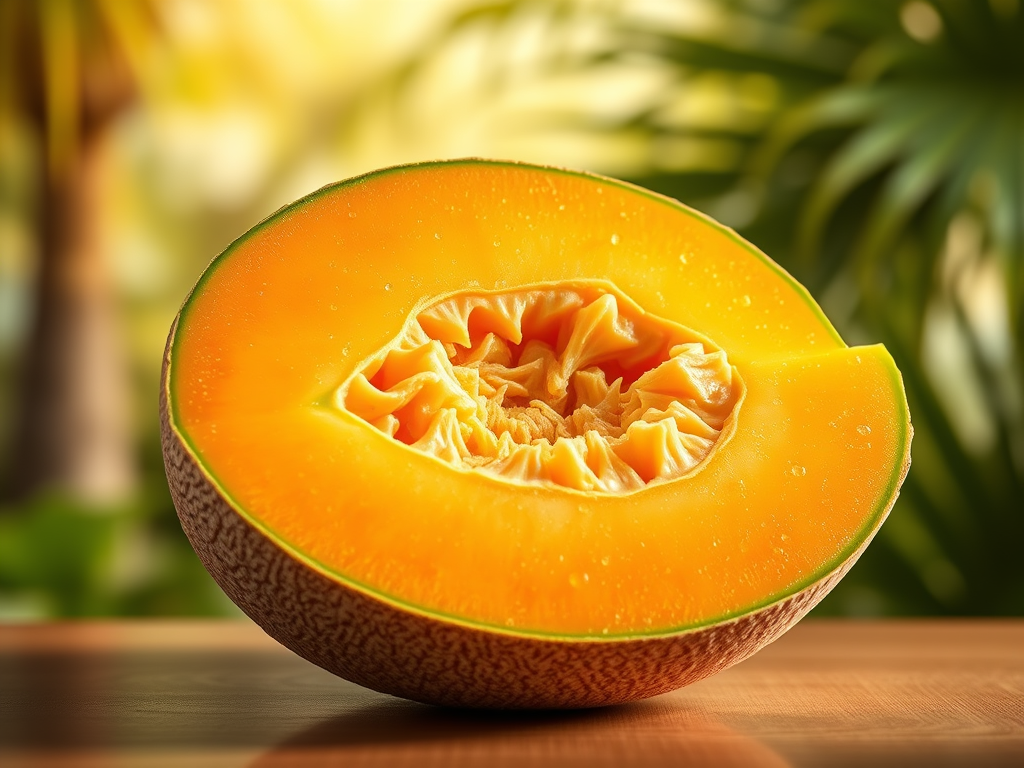
The history of cantaloupe is fascinating, though not exactly pinpointed to one moment or location. Scholars agree that the domestication of melons—including what we now term cantaloupe—dates back several millennia, with estimates often landing around 5,000 BCE. The debate continues about its precise origins: some researchers lean toward a homeland in the broader regions of ancient Persia (modern-day Iran) and parts of South Asia, while others suggest early cultivation in ancient Egypt or Mesopotamia.
Early on, these regions sought to cultivate melons primarily for their natural sweetness and very hydrating properties. In climates where maintaining adequate moisture was a constant challenge, a sweet, water-rich fruit was a valuable nutritional resource. Beyond nutrition, melons likely also carried ceremonial and symbolic significance, portrayed as emblems of fertility and abundance, echoing the essential nature of water and agriculture in arid environments. As cultivation techniques and trade routes developed, the sweet, musky delights of cantaloupe spread, eventually finding a distinguished home in medieval Europe. There, in places like the papal gardens at Cantalupo near Rome, it was refined as a luxury fruit and a treat for the palate, further cementing its cultural and horticultural importance.
Cantaloupe is one of the more familiar and refreshing tropical fruits, celebrated not only for its sweet, juicy flavor but also for its impressive nutritional profile and array of health benefits. Here’s an in-depth look at what cantaloupe offers:
Key Vitamins and Minerals
Cantaloupe is nutrient-dense despite being low in calories. Here’s a snapshot of the primary vitamins and minerals found in about one cup (approximately 160 grams) of cubed cantaloupe:
| Nutrient | Value (per cup) | Benefit |
|---|---|---|
| Calories | ~54 | Supports energy balance and weight management |
| Protein | ~1.3 g | Essential for muscle repair and maintenance |
| Carbohydrates | ~13 g | Primary source of energy |
| Fiber | ~1.4 g | Aids in digestion and helps regulate blood sugar levels |
| Vitamin C | ~59 mg (65% DV) | Boosts the immune system, aids collagen formation, and acts as a powerful antioxidant |
| Vitamin A | ~270 mcg (30% DV) | Vital for vision, skin health, and immune function (derived from beta-carotene) |
| Potassium | ~427 mg (10% DV) | Supports heart, muscle, and nerve functions by helping regulate blood pressure |
| Calcium | ~14 mg | Important for maintaining strong bones and teeth |
| Phosphorus | ~19 mg | Works alongside calcium for bone health and aiding in energy metabolism |
The Daily Values (DV) indicate the percentage of the recommended intake for an average adult, helping you understand how cantaloupe fits into your overall diet.
Major Health Benefits
- Rich in Antioxidants: Cantaloupe is abundant in beta-carotene, which converts into vitamin A in the body. Beta-carotene not only gives cantaloupe its vibrant orange hue but also defends body cells against oxidative stress, potentially reducing the risk of chronic conditions such as cardiovascular diseases and even certain cancers. Additionally, other antioxidants like lutein and zeaxanthin contribute to eye health by protecting against harmful light exposures. 1
- Immune System Support: With its high vitamin C content, cantaloupe plays a key role in boosting the immune system. Vitamin C is essential for collagen synthesis, helps in the repair of tissues, and acts as a barrier against free radicals, keeping your body resilient against infections. 1
- Hydration and Digestive Health: Consisting of roughly 90% water, cantaloupe is an excellent choice for staying hydrated, especially during the hot summer months. Its water and fiber content collectively promote a healthy digestion, aiding in smoother bowel movements and overall gut health.
- Low-Calorie and Nutrient-Dense: With only about 54 calories per cup, cantaloupe provides a substantial amount of vitamins and minerals without adding many calories. This makes it an ideal snack for those conscious about maintaining or losing weight, while still getting essential nutrients to nourish the body. 1
Additional Thoughts
Aside from the vitamins and minerals, cantaloupe also contributes to overall wellness through its anti-inflammatory properties. When you incorporate cantaloupe into your diet, you’re not just enjoying a naturally sweet treat—you’re also supporting your body’s natural defenses and maintaining hydration, which is vital for nearly every bodily function.
If you’re looking for creative ways to include cantaloupe in your diet, consider tossing it into a fruit salad, blending it into a refreshing smoothie, or even pairing it with savory ingredients like prosciutto for a unique flavor contrast.
READ MORE: clevelandclinic.org/
Cantaloupe’s pastel hue and sweet, juicy flavor make it perfect for adding to fruit salads or eating plain. Cantaloupes offer lots of nutrients: fiber and vitamins that benefit your heart health, help prevent cancer, reduce inflammation, improve immunity, and boost eye health.
Read more about Cantaloup according to Registered dietitian Julia Zumpano, RD, LD, discusses cantaloupe’s nutrition and health benefits.
READ MORE: https://www.webmd.com, Compared with honeydew melons, cantaloupes pack a lot more beta-carotene, an antioxidant whose pigment gives fruits an orange or yellow color. Beta-carotene converts into vitamin A, which supports immunity, skin, bone, and eye health.
 EJADA
EJADA 
Leave a comment