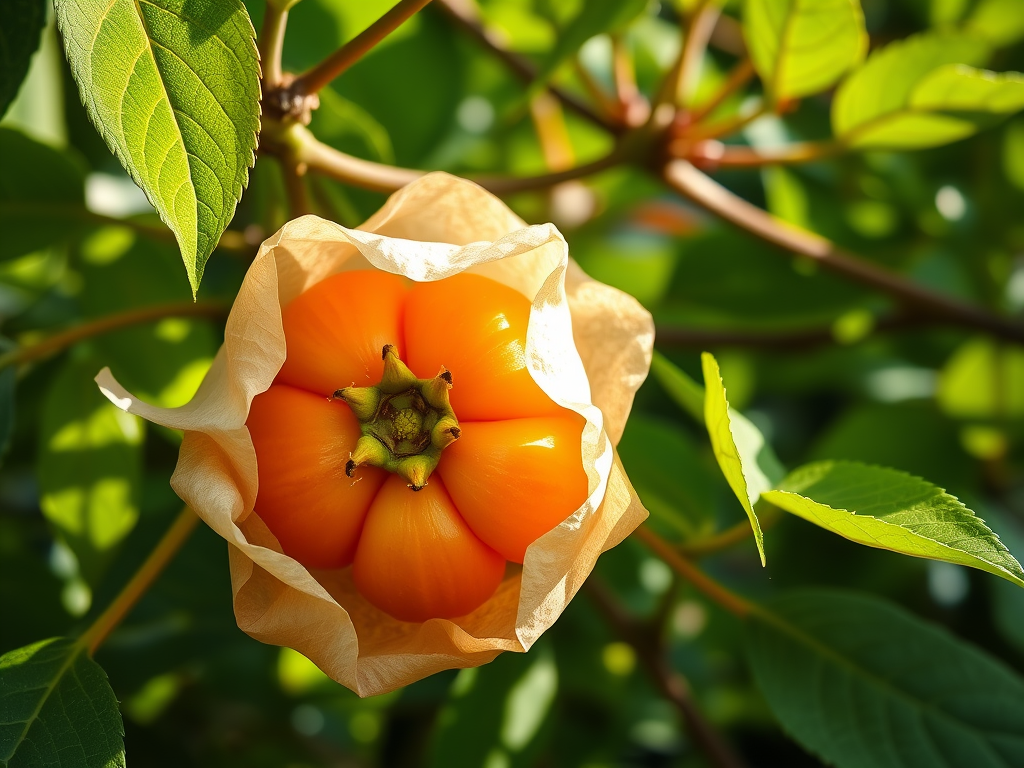
Cape gooseberry (Physalis peruviana) has a rich history that reflects both its native origins and its adaptability in cultivation across various climates. Here’s a detailed look into its early cultivation, first use, and the purposes behind it:
Early Cultivation and Geographic Origins
Native Roots: Cape gooseberry is indigenous to the tropical highlands of South America—specifically regions in Peru, Ecuador, and Colombia, with historical cultivation also noted in parts of Chile. Indigenous peoples in these areas were cultivating the fruit for centuries, appreciating its sweet-tart flavor, nutritional value, and possible medicinal benefits long before European contact.
Spread Beyond Its Native Range: The recorded history of the cape gooseberry’s movement beyond its native lands begins in Europe. The fruit was cultivated in England as early as 1774, when European gardeners and botanists first encountered it and recognized its potential. Its easy adaptability to conditions similar to those for growing tomatoes made it attractive to colonial growers. Later, by 1807, records show that it was introduced to the settlement at the Cape of Good Hope, a pivotal point that led to its popular naming (“Cape Gooseberry”). Shortly after, it found its way to New South Wales in Australia, where it became a favored fruit among colonists due to its robust growth and reliable yield even in relatively poor, well-drained soils.
Cultivation Practices
Growing Conditions: The cape gooseberry is a hardy, herbaceous shrub that thrives in full sun and well-drained soils. It tolerates a range of soil types—even those that are less fertile, which made it particularly valuable in colonial settings where ideal agricultural inputs weren’t always available. In the tropics, it can behave as a perennial, whereas in temperate regions it’s typically grown as an annual.
Propagation Techniques: Traditionally, the cape gooseberry is propagated both by seed and through stem cuttings. The fruit is encased in a protective, papery husk (calyx), which not only guards it from pests and diseases but also has the added advantage of extending its shelf life. This trait made the fruit especially practical for long-distance journeys and for cultivation in regions where post-harvest storage was a challenge.
First Uses and Purposes
Culinary Appeal: The initial use of cape gooseberry was largely culinary. Its attractive appearance, unique sweet-tart flavor, and the convenience of its husk protection encouraged its popular consumption as a fresh fruit. Over time, its versatility in the kitchen was recognized—it was used to make jams, preserves, sauces, and even incorporated into savory dishes.
Medicinal and Cultural Uses: In addition to its culinary virtues, the cape gooseberry also finds a place in traditional medicinal practices. Folk medicine in various cultures often incorporated the fruit and even the leaves for their believed anti-inflammatory and antioxidant properties. The early cultivators likely valued the fruit for its nutritional content, using it to supplement diets and address minor health ailments, particularly in resource-limited environments.
Practical Agricultural Benefits: From a grower’s perspective, the cape gooseberry’s ability to yield a large number of fruits per growing season, even in less-than-ideal soils, made it a dependable crop. This reliability, along with its early adaptation to various climates, provided a nutritious and sustainable food source for settlers and local communities in newly colonized or challenging regions.
By blending indigenous agricultural traditions with colonial horticultural practices, the cape gooseberry not only became a beloved edible treat but also an important crop that demonstrated resilience, nutritional benefits, and versatility. Its early cultivation, first documented as early as 1774 in England and then quickly adopted in regions like the Cape of Good Hope and Australia, underscores its significant role both as a food source and, at times, as a medicinal remedy.
cape gooseberry offer
Cape gooseberry (Physalis peruviana) has been valued traditionally for its medicinal properties, largely thanks to its rich nutritional profile and array of bioactive compounds. Here are some of the key medicinal remedies it offers:
Immune System Boosting and Antioxidant Power
Cape gooseberry is exceptionally high in vitamin C and a host of antioxidants. Traditionally, its juice or extracts have been consumed to help combat infections, ward off scurvy, and boost the immune system. The vitamin C content not only strengthens immunity but also aids in collagen production, which is critical for wound healing and skin health. Its antioxidants help neutralize harmful free radicals, potentially reducing oxidative stress and the risk of chronic diseases2.
Anti-Inflammatory Effects
In folk medicine, both the fruit and sometimes even the leaves of the cape gooseberry have been used to manage inflammation. The naturally occurring polyphenols and carotenoids in the fruit contribute to anti-inflammatory responses in the body. This makes it a supportive remedy for conditions where inflammation is a core issue, such as in minor joint discomfort or digestive irritations. Although it’s not intended as a substitute for conventional medicine, these properties have made it a popular complementary remedy in some traditional medical practices.
Support for Cardiovascular Health and Digestion
Additionally, cape gooseberry’s combination of potassium, soluble fiber, and other phytochemicals may contribute to heart health. The potassium helps in regulating blood pressure, while its fiber content aids digestion and can assist in lowering cholesterol levels. Traditional remedies have sometimes leveraged these properties to promote overall cardiovascular well-being and healthy digestion.
A Complementary Natural Remedy
It’s important to note that while these traditional uses indicate that cape gooseberry may offer gentle medicinal benefits, such as boosting immunity, reducing inflammation, and supporting heart and digestive health, modern clinical studies are still ongoing to fully validate these effects. As with many natural remedies, incorporating cape gooseberry into your diet is seen as beneficial for overall wellness rather than serving as a stand-alone treatment for specific medical conditions.
Cape gooseberries are available in the United States. They are cultivated both domestically in certain regions and imported from countries like Peru, so they regularly appear on produce markets and specialty food websites. In fact, regulatory agencies like the USDA’s Animal and Plant Health Inspection Service have conducted pest risk analyses for the importation of fresh Cape gooseberry fruit, which reinforces their presence in the U.S. market .
They are typically available year-round, with a peak season in late summer through fall. Consumers can find them in farmers’ markets, specialty produce stores, and sometimes in larger supermarkets. Their popularity stems not only from their unique, tangy-sweet flavor but also from their impressive nutritional profile, making them a favored choice among health conscious shoppers.
What forms are Cape Gooseberry available
Cape gooseberry (Physalis peruviana) is appreciated for its versatility, and you’ll find it available in several forms that cater to different culinary and health needs. Here’s a breakdown of the primary forms:
Fresh Form
- Whole Fruit: Typically, cape gooseberries are sold fresh—often still enclosed in their distinctive, papery husk. The husk acts as a natural wrapper to protect the delicate fruit during transportation. Before consumption, the husk is removed, revealing the small, vibrant, tangy-sweet berry that’s perfect for salads, snacks, or garnishes.
Processed Forms
- Dried Fruit: In some markets, you can find cape gooseberries that have been dried. Drying concentrates the flavor and sweetness while extending the fruit’s shelf life. They can be eaten as a snack on their own, added to cereal and trail mix, or used in baked goods.
- Preserves and Jams: Cape gooseberries are also processed into jams, jellies, and chutneys. The natural balance of tartness and sweetness in the fruit makes it an excellent candidate for these products, offering a burst of flavor that can complement both sweet and savory dishes.
- Sauces and Relishes: While less common than the previous forms, sauces and relishes made from cape gooseberry provide an interesting twist to various recipes. They can be used as condiments on meats, cheeses, or even as a unique salad dressing component.
- Powdered Form: In some health food circles, dried cape gooseberry is ground into a powder. This form is used as a nutritional supplement or ingredient in smoothies and baked goods, harnessing the fruit’s vitamins, antioxidants, and unique flavor in a convenient format.
Summary Table
Fresh: Whole fruit with a papery husk, requiring removal before eating; ideal for direct consumption and fresh culinary applications
Dried: Dehydrated berries that offer a concentrated flavor and longer shelf life, perfect as snacks or add-ins to recipes.
Preserved: Jams, Jellies, Chutneys Processed with sugar or other ingredients to create sweet or tangy spreads and condiments.
Powder : Ground dried fruit, used as a nutritional supplement or flavor enhancer in beverages and recipes.
These various forms not only showcase the fruit’s adaptability but also allow you to enjoy its nutritional benefits and unique flavor in diverse ways.
 EJADA
EJADA 
Leave a comment