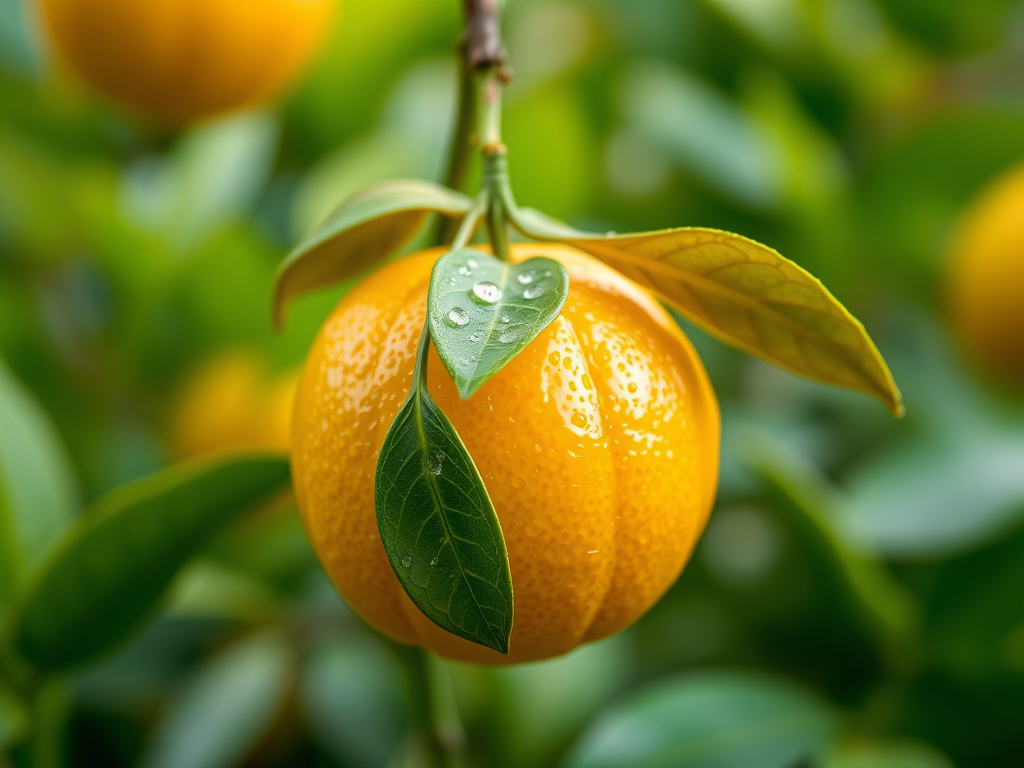
Calamondin, also known as calamansi, has been cultivated for centuries, primarily in Southeast Asia. It is believed to have originated in China or the Philippines and was introduced to other regions over time. Historically, it has been used in traditional Philippine cuisine as a souring agent for dishes, condiments, and beverages.
Its first recorded use dates back to early times when it became the primary citrus juice source in the Philippines. Beyond culinary applications, calamondin was also valued for its medicinal properties, such as aiding digestion and boosting immunity, and was later recognized for its ornamental appeal in gardens.
Uses
- Culinary: Used in marinades, sauces, and beverages to add a citrusy zing.
- Household: Its juice can bleach ink stains from fabrics and remove lingering seafood odors from hands.
- Cosmetic: Applied to the skin to help lighten freckles and clear up acne.
Health Benefits
- Rich in Vitamin C: Strengthens immunity and promotes healthy skin.
- Aids Digestion: Helps alleviate constipation and supports weight loss.
- Lowers Cholesterol: Contains pectin, which helps reduce LDL cholesterol levels.
- Promotes Hair Growth: Its juice can be applied to the scalp to reduce itching and encourage hair growth.
- Antioxidant Properties: Helps remove free radicals from the body, reducing the risk of disease.
 EJADA
EJADA 
Leave a comment