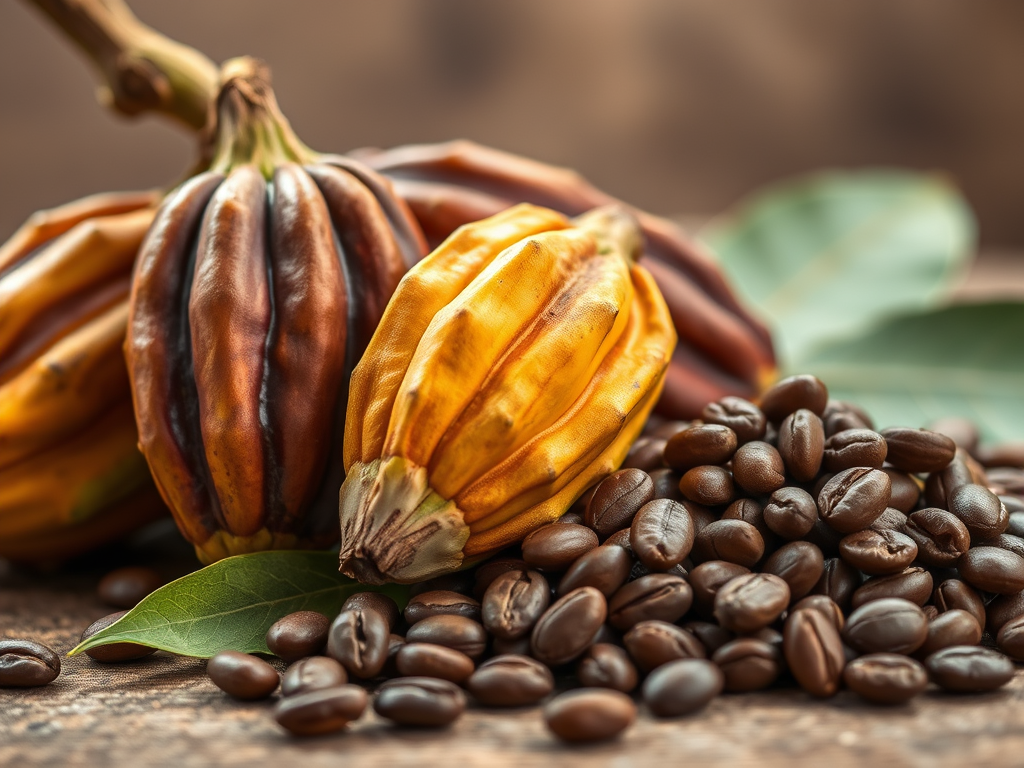
Cacao refers to the seeds (often called beans) from the cacao tree, Theobroma cacao. These seeds are found inside large, colorful pods, and they have been celebrated for centuries, not only as the primary ingredient in chocolate but also for their rich nutritional profile. Traditionally, many Mesoamerican cultures held cacao in high regard, even calling it the “food of the gods” because of its significance in both diet and ritual.
The history of cacao stretches back thousands of years. Evidence suggests that the earliest use of cacao—as a way to transform its bitter seeds into a drink or gruel—occurred in ancient Mesoamerica. Archaeological finds, including pottery vessels with traces of the stimulant theobromine (a chemical unique to cacao), point to the Olmec civilization as possibly the first to experiment with processing cacao as early as around 1500 B.C. These early practices involved fermenting the cacao seeds—and sometimes the surrounding pulp—to develop flavor; then roasting and grinding them into a paste that, when mixed with water (and eventually spices or natural sweeteners), produced a frothy, bitter beverage.
This method of preparing cacao was later embraced and refined by later Mesoamerican cultures, notably the Maya and Aztecs. They elevated cacao from merely a food item to a highly esteemed ceremonial and even economic commodity. The Maya used cacao in daily rituals and festive ceremonies, often mixing it with water, chili, and sometimes honey to form a beverage that was both invigorating and symbolically significant. In Aztec society, cacao was so valuable that its beans were used as a form of currency and were believed to be a divine gift. Essentially, these early uses laid the cultural and culinary groundwork for what would evolve over centuries into the wide variety of chocolate products enjoyed around the globe today.
In its natural, raw state, cacao is minimally processed to retain as many of its beneficial compounds as possible. After harvesting, the beans are typically fermented—a crucial step that develops their characteristic flavor—then dried, and sometimes roasted if the end product is meant to be cocoa. The term “cacao” is often used to describe the raw or less processed form, which tends to have a stronger, more bitter flavor and a higher content of antioxidants, flavonoids, and minerals than its roasted counterpart, cocoa. These nutritional benefits have helped fuel cacao’s popularity as a key ingredient in gourmet chocolate and as an element in health-conscious foods, ranging from cacao nibs to raw cacao powders.
According to WebMD, Cacao Powder Benefits
Cacao is full of flavonoids and antioxidants thought to have many health benefits, like reducing inflammation and improving blood flow.
Here are some of the benefits you could get from cacao and cacao powder.
Lowers blood pressure
Cacao powder is packed with flavonoids, which have been shown to help lower blood pressure, improve blood flow to your brain and heart, and help prevent blood clots.
Reduces diabetes risk
The antioxidants in cacao and cocoa may affect how your body responds to insulin, which could lower your chances of diabetes. Research shows the flavonoids in cacao may also improve your insulin resistance or change the way your body metabolizes glucose if you already have diabetes or prediabetes. www.webmd.com
In the United States, cocoa is available in several distinct forms to suit different culinary, nutritional, and even cosmetic needs
- Cacao Beans: Whole beans that have been harvested from the cacao pod. They can be purchased raw or roasted, depending on the intended use. Used for making chocolate from scratch, snacking (once roasted), or grinding into other forms like nibs or paste.
- Cacao Nibs: Cracked pieces of cacao beans with the husk removed. They retain the natural, tangy flavor and a high antioxidant content. Ideal for adding texture and flavor to smoothies, baked goods, or as toppings for yogurt and salads.
- Cacao Powder: Made by grinding cacao beans after removing cocoa butter. It’s available in natural (raw) or processed (often Dutch-processed for a milder flavor) forms. Commonly used in beverages (like hot chocolate), baking, smoothies, and various dessert recipes.
- Cocoa Butter: The fat extracted from cacao beans. It maintains much of the bean’s original flavor and aroma. A key ingredient in chocolate-making, confections, and even in cosmetic products like lotions and soaps, due to its moisturizing properties.
- Cacao Liquor: Also known as cocoa mass, this is the pure ground paste of cacao beans that includes both nonfat cocoa solids and cocoa butter. Used primarily in the production of chocolate bars and confections, as it forms the base of most chocolate recipes.
These forms are available through specialty food markets, health food stores, online retailers, and even some larger supermarkets, particularly as the trend toward raw and minimally processed superfoods grows. Consumers can choose the form that best suits their needs—whether that means opting for the rich, unprocessed benefits of raw cacao or the versatility of processed forms like powder and butter for everyday cooking and baking.
Modern gastronomic trends have led to increased interest in raw cacao products for their high antioxidant content and robust flavor profiles. Meanwhile, traditional processed cacao forms continue to serve as the backbone of artisanal chocolate and large-scale confectionery production.
Cacao, celebrated for its antioxidants and rich nutritional profile, is generally safe for most people when consumed in moderation. However, it does contain active compounds—most notably theobromine and caffeine—that may affect individuals differently. Here are some important points to consider:
- Stimulant Sensitivity: Because cacao contains mild stimulants, people sensitive to caffeine or theobromine might experience side effects such as jitteriness, increased heart rate, or digestive discomfort when consuming high amounts.
- Interactions with Medications: Cacao can interact with certain medications, especially some antidepressants (including MAOIs or SSRIs), as well as blood thinners. In these cases, the compounds in cacao may alter medication effects or lead to side effects, so individuals on such drugs should exercise caution and consult their healthcare provider before increasing their cacao intake 2.
- Underlying Health Conditions: Those with cardiac issues, liver or kidney impairments, or conditions like GERD and IBS might also need to moderate cacao consumption or opt for smaller doses to start, as the stimulatory effects could exacerbate symptoms. People prone to migraines or severe anxiety may find that cacao triggers or worsens their conditions.
- Pregnancy and Breastfeeding: For pregnant or breastfeeding individuals, cacao in moderation is generally considered safe. However, high doses are typically not recommended because of the presence of caffeine and theobromine, which could potentially affect both the mother and the baby.
- Allergic Reactions: Although rare, some individuals may be allergic to cacao. If you experience symptoms such as skin rashes, itching, or hives after consuming cacao, it’s advisable to stop consumption and consult a healthcare professional.
In summary, while cacao is a wonderful superfood for most, it isn’t universally safe for everyone, especially at high doses or for individuals with specific health concerns. If you have any underlying conditions or are taking medications, it’s best to start with a small amount and consult your doctor to ensure it’s appropriate for you.
 EJADA
EJADA 
Leave a comment