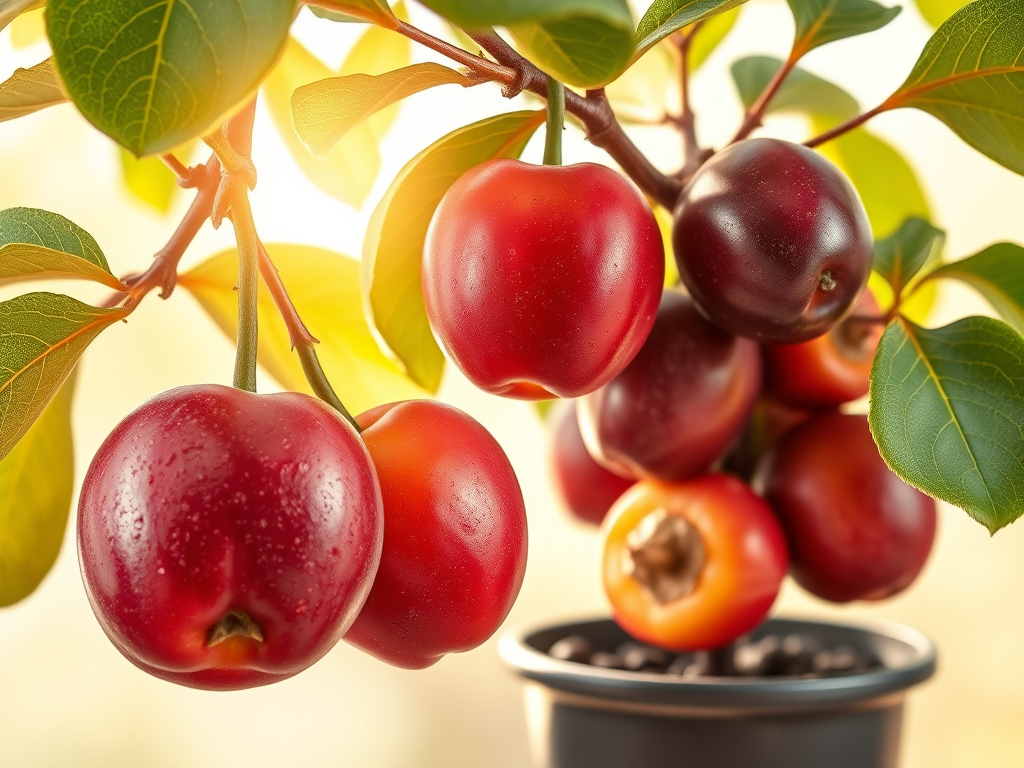
What is Burdinkin Plum?
(The Burdekin plum is botanically known as Pleiogynium timorense and is a member of the Anacardiaceae family along with mangos, cashews, and pistachios. The Burdekin is an Australian fruit that though never successful commercially has historical value as a native fruit tree. In recent years growers in Australia have started experimenting with selective breeding of the Burdekin plum incorporating molecular genetics in efforts to create a more widely appealing fruit in terms of flavor. Read More: Specialtyproduce.com)
In the United States, the Burdekin plum is most commonly encountered in two main forms:
- Fresh Fruit (Seasonal Produce): Although not as widely commercialized as other fruits, Burdekin plums occasionally make an appearance in specialty produce markets during their season (typically summer and fall). While they’re celebrated as a bush tucker in Australia, in the U.S. they’re more of an exotic, seasonal offering—ideal for those who seek unique flavors and impressive nutritional benefits even if the supply can be somewhat limited.
- Nursery Stock and Potted Trees: For gardeners and enthusiasts looking to grow this unique fruit tree, Burdekin plums are available as tubestock plants through specialty nurseries. These potted trees not only offer the possibility of cultivating your own exotic fruit at home but also serve as an attractive ornamental addition to the garden. Nurseries, such as those found on platforms like Lakeside Plants & Nursery and other specialty outlets, typically stock these trees, marketed both as bush tucker and as an appealing native landscape feature3.
While you might also come across references to processed or homemade products—like jams, chutneys, or even wines derived from Burdekin plums—these are usually prepared artisanal or in small-batch settings rather than being broadly available as a retail product.
Would you like further details on how to grow Burdekin plum trees in different U.S. climates or perhaps recipes to best enjoy the fruit once you have it?
Health Benefits of Burdekin Plum
Rich in Vitamin C – Provides about 45% of the daily recommended intake in just one serving, helping boost immunity.
Supports Digestion – Contains fiber, which aids in preventing constipation and promotes gut health.
Antioxidant Properties – Helps combat skin aging and protects against infections
Phytochemical Benefits – Contains beneficial compounds that contribute to overall well-being.
Culinary Applications
- Fresh Consumption: When fully ripened, the Burdekin plum can be eaten fresh. Its unique tangy-sweet flavor makes it a delightful standalone snack or a vibrant addition to fruit salads. Its flavor profile, which has hints reminiscent of mango, pear, and apricot, can brighten up any fresh fruit mix.
- Jams and Jellies: One of the most common uses is in the creation of jams and jellies. By pureeing the fruit and combining it with sugar and a dash of lemon juice, you can produce a spreadable preserve that not only captures the bold flavor and natural acidity of the fruit but also offers excellent shelf stability for later enjoyment.
- Sauces and Chutneys: The fruit’s tartness converts superbly into savory condiments. When cooked down with ingredients like vinegar, spices, and sometimes even a little chili, the Burdekin plum can transform into a rich, tangy chutney or a sauce ideal for pairing with game meats or roasted poultry. Its complexity adds a layer of sophistication whether used as a glaze or a dipping sauce.
- Beverages and Fermented Products: The juice extracted from Burdekin plums can be used as a natural sweetener in drinks or even fermented into a uniquely flavored wine. Its high antioxidant content and vibrant taste make it an interesting base for creative beverage recipes.
Traditional and Cultural Uses
Historically, Aboriginal communities and early European settlers in Australia discovered ways to enhance the flavor of Burdekin plums by controlling their ripening process—often by storing the fruit in dark, damp places or even burying them in sand. This method not only improved the flavor but preserved the fruit for extended periods. Such traditional practices underscore the plum’s cultural significance and its multifaceted applications in the kitchen.
These various uses align the Burdekin plum with a wide spectrum of culinary traditions—from simple, fresh consumption to elaborate preserved and cooked products—and they speak to the ingenuity of those who have long appreciated its unique flavor and nutritional attributes.
 EJADA
EJADA 
Leave a comment