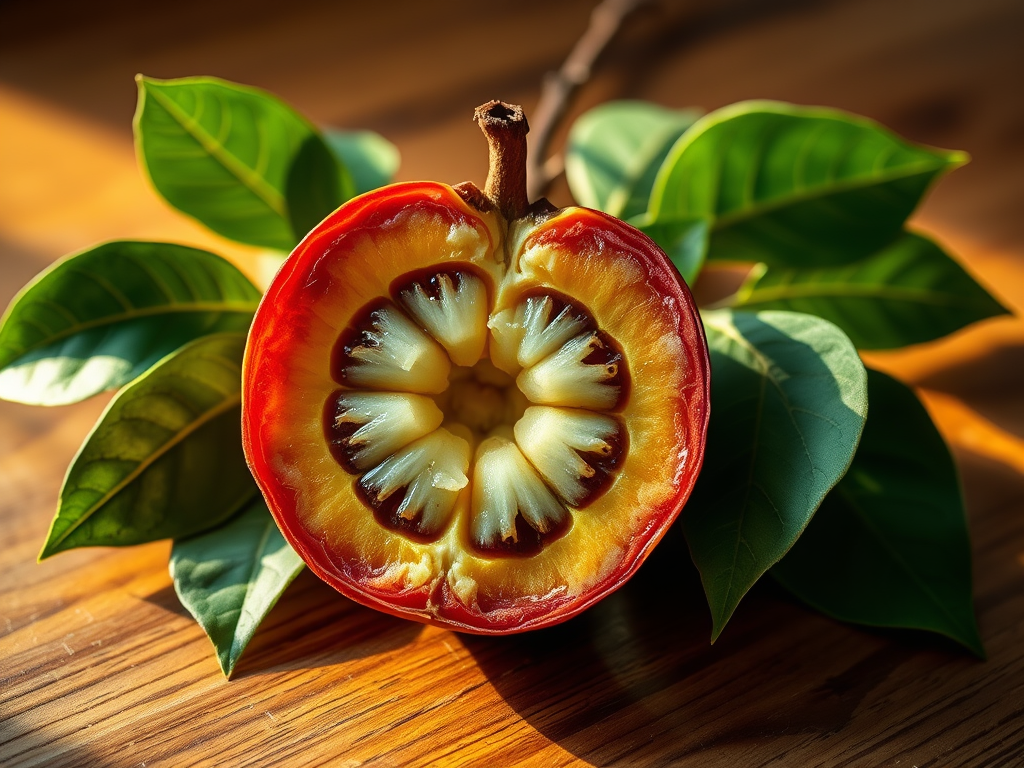
Bael, also known as Aegle marmalos or wood apple, is a tropical fruit native to India and Southeast Asia. It has been used in traditional medicine for centuries due to its numerous health benefits. Bael (Aegle marmalos) has been used for thousands of years, dating back to ancient India. It is mentioned in Vedic texts from around 2000–800 BCE, highlighting its religious and medicinal significance. In Hindu mythology, Bael is considered sacred and is associated with Lord Shiva. The tree’s trifoliate leaves symbolize the sacred trinity of Brahma, Vishnu, and Shiva.
Historically, Bael has been used in Ayurvedic medicine for its digestive, anti-inflammatory, and immune-boosting properties. Over time, its cultivation spread to Sri Lanka, Bangladesh, Pakistan, and Burma, and it is now found in various tropical regions
Here are some of its key advantages:
Digestive Health: Bael is rich in fiber and has natural laxative properties, making it effective in treating constipation and promoting gut health.
Boosts Immunity: It contains high levels of vitamin C and antioxidants, which help strengthen the immune system.
Supports Heart Health: Bael may help regulate blood pressure and improve circulation due to its potassium content.
Anti-inflammatory Properties: It has compounds that help reduce inflammation, which is beneficial for conditions like arthritis.
Blood Sugar Regulation: Some studies suggest that Bael may help manage blood sugar levels, making it useful for diabetics.
Skin and Hair Benefits: Bael is used in Ayurvedic treatments for skin conditions and hair health.
Bael fruit is available in various forms in the U.S., though it is not as commonly found as other tropical fruits.
Here are some ways you can find it:
Bael Powder: Often sold as a supplement for digestive health and immunity.
Bael Juice: Available in bottled form, used for its cooling and medicinal properties.
Bael Tablets/Capsules: Used in Ayurvedic medicine, which is an ancient holistic healing system that originated in India over 5,000 years ago. It focuses on achieving balance between the body, mind, and spirit through natural remedies, diet, lifestyle practices, and herbal treatments. Ayurveda is based on the concept of three doshas—Vata, Pitta, and Kapha—which represent different energy types in the body. Maintaining harmony among these doshas is believed to promote overall health and prevent disease.
Some key aspects of Ayurveda include:
Herbal Medicine: Uses plant-based remedies like turmeric, ashwagandha, and triphala.
Dietary Guidelines: Encourages eating according to one’s dosha type for optimal health.
Yoga & Meditation: Supports mental clarity and emotional well-being.
Detoxification Therapies: Practices like Panchakarma help cleanse the body.
Massage & Oils: Ayurvedic massages use herbal oils to promote relaxation and circulation.
Ayurveda is widely practiced in India and Nepal, and many Ayurvedic treatments have gained popularity worldwide. for various health benefits.
Bael Plants: Some specialty nurseries offer Bael trees for home gardening.
Dried Bael Fruit: Sometimes available for making tea or herbal infusions.
You can check specialty stores or online retailers for availability. Would you like recommendations on where to buy it?
Bael is commonly consumed as juice, pulp, or dried powder. It is also used in herbal remedies and Ayurvedic medicine.
Read More: Compounds extracted from bael fruit demonstrate powerful effects in fighting off dangerous bacteria. The bacteria Shigella dysenteriae bind to cells in the colon, causing diarrhea, fever, and stomach pain.
Young children, travelers, and people with weakened immune systems are particularly vulnerable to Shigella infection. In vitro studies suggest that the fruit pulp may be helpful as an anti-diuretic.
According to WebMD, Bael contains chemicals called tannins, flavonoids, and coumarins. These chemicals help to reduce swelling (inflammation). This might help treat asthma, diarrhea, and other conditions. Also, some of these chemicals help to reduce blood sugar. webmd.com
 EJADA
EJADA 
Leave a comment